

 19973
19973
Frank Edward Clarke 1849 – 1 July 1899 : New Zealand's Pioneering Ichthyologist and Scientific Illustrator
Early Life and Career:
Born in Suffolk England in 1849 Frank Edward Clarke immigrated to New Zealand. By 1876 he had become the Chief Draftsman in the Survey Department in Westland.
Scientific and Artistic Contributions:
Clarke was a member of the New Zealand Institute and an active contributor to various scientific societies. His research papers were presented before prestigious organizations such as the Westland Institute and the Wellington Philosophical Society with many of them being published by the New Zealand Institute.
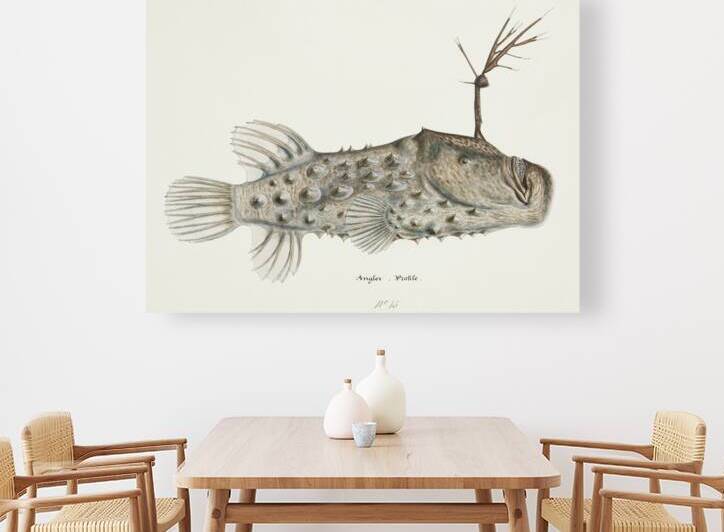
Among his significant discoveries was the identification of Himantolophind angelfishes in New Zealand waters in 1877. He also described and named Himantolophus appelii honoring Mr. Appel of Hokitika for his contribution.
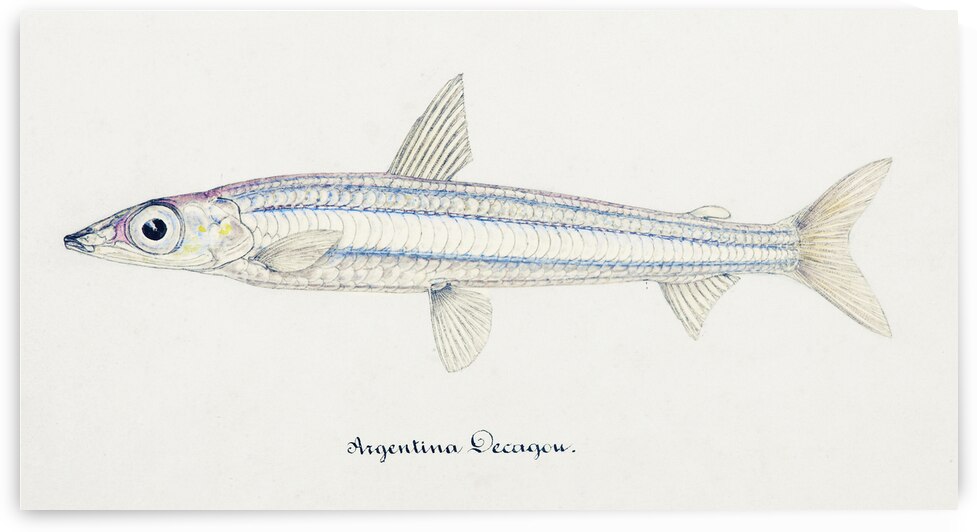
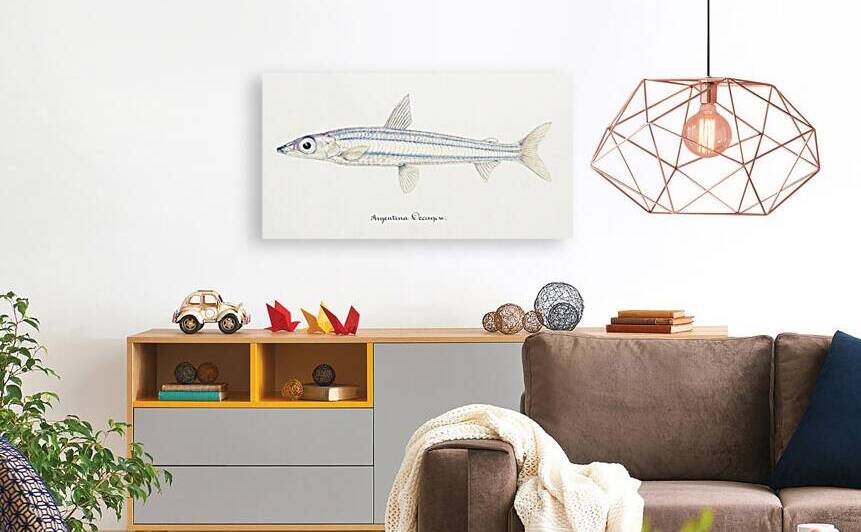
Another notable contribution was the description and naming of a fish species Argentina decagon collected by W. Duncan in 1878. This specimen is still preserved at the Museum of New Zealand Te Papa Tongarewa.
Legacy and Artistic Achievements:
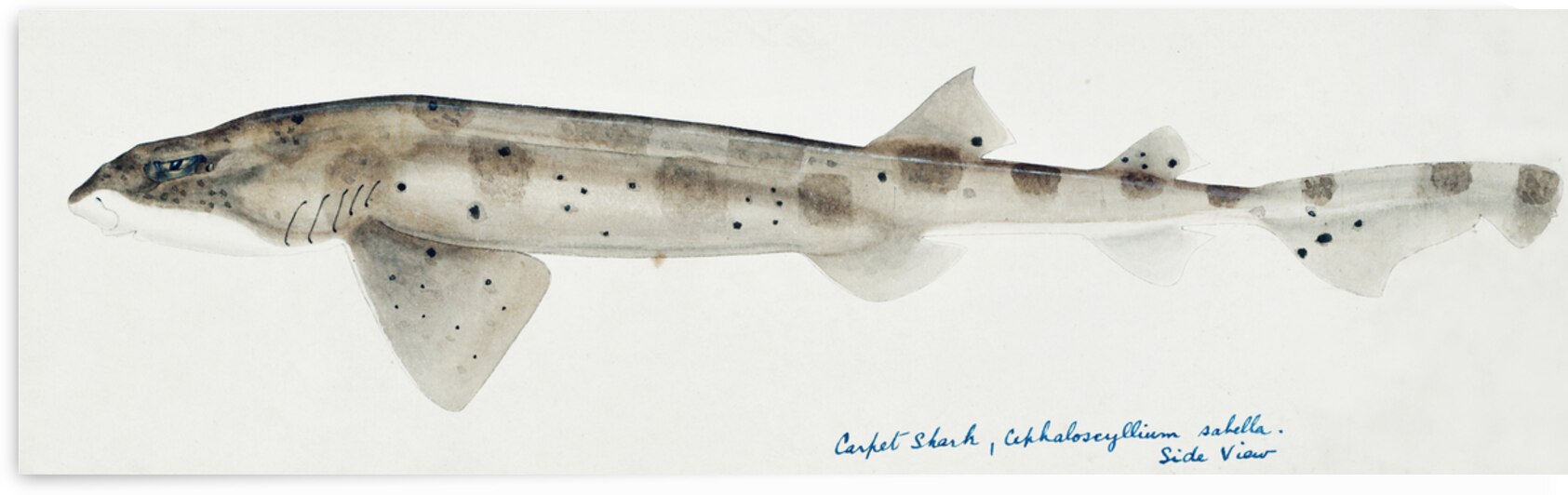
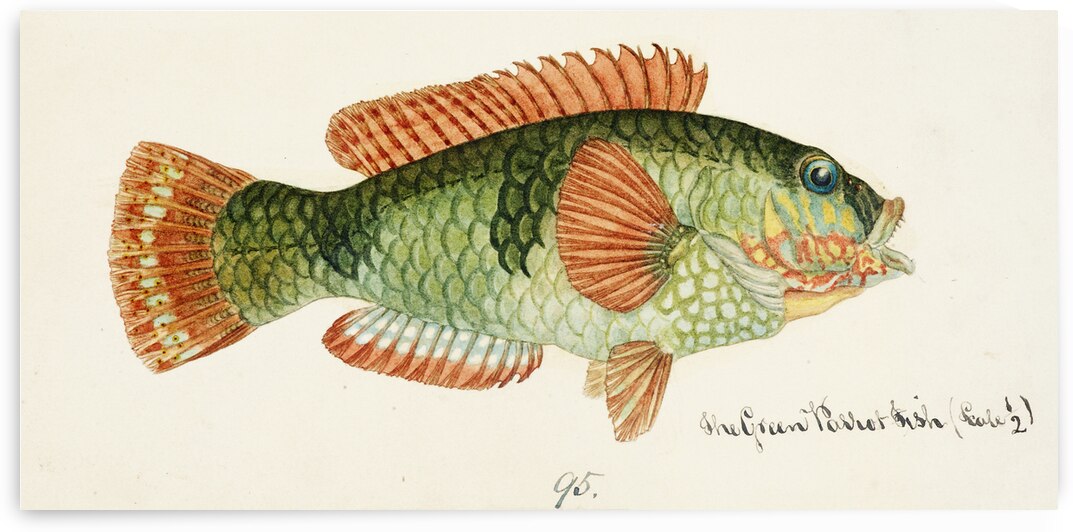
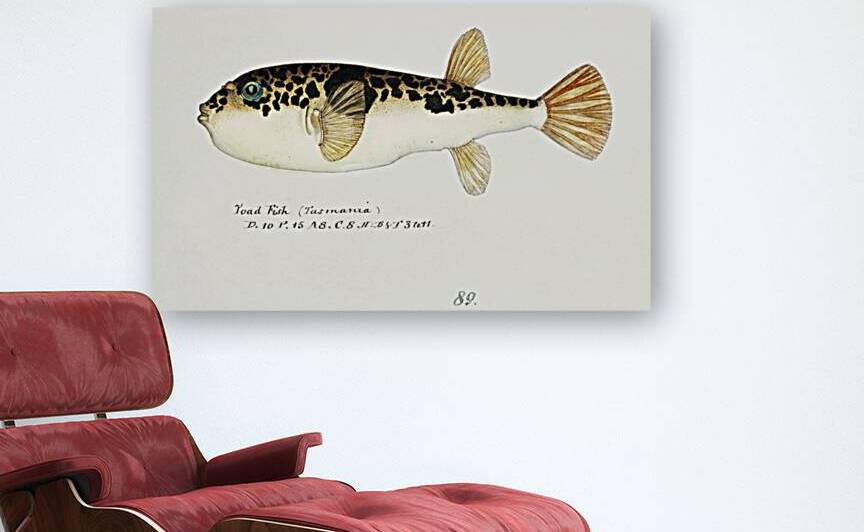
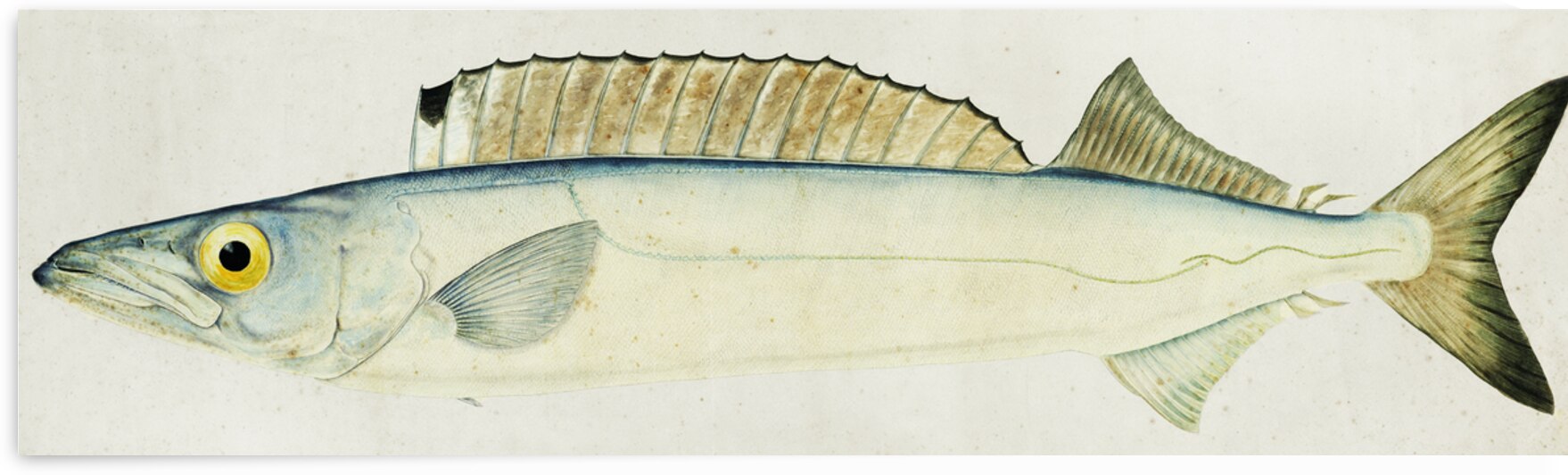
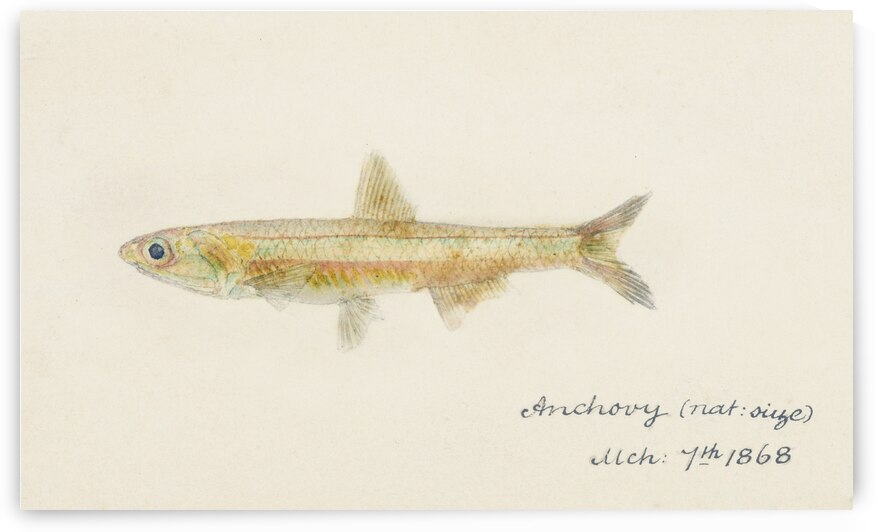
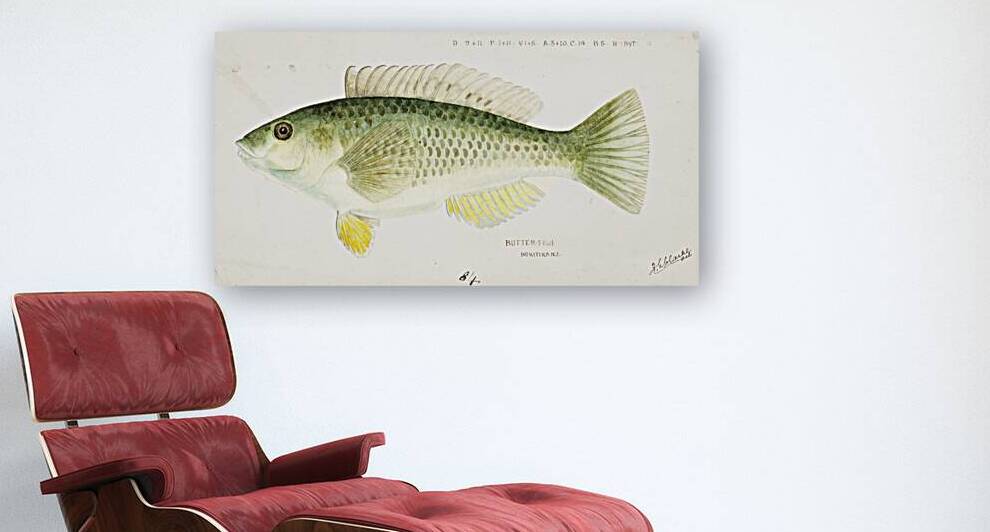
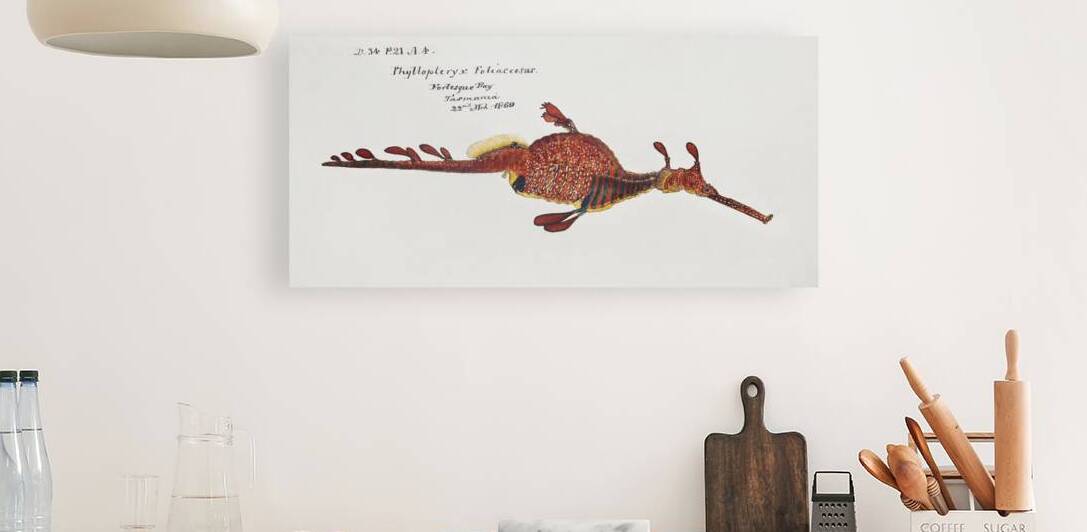
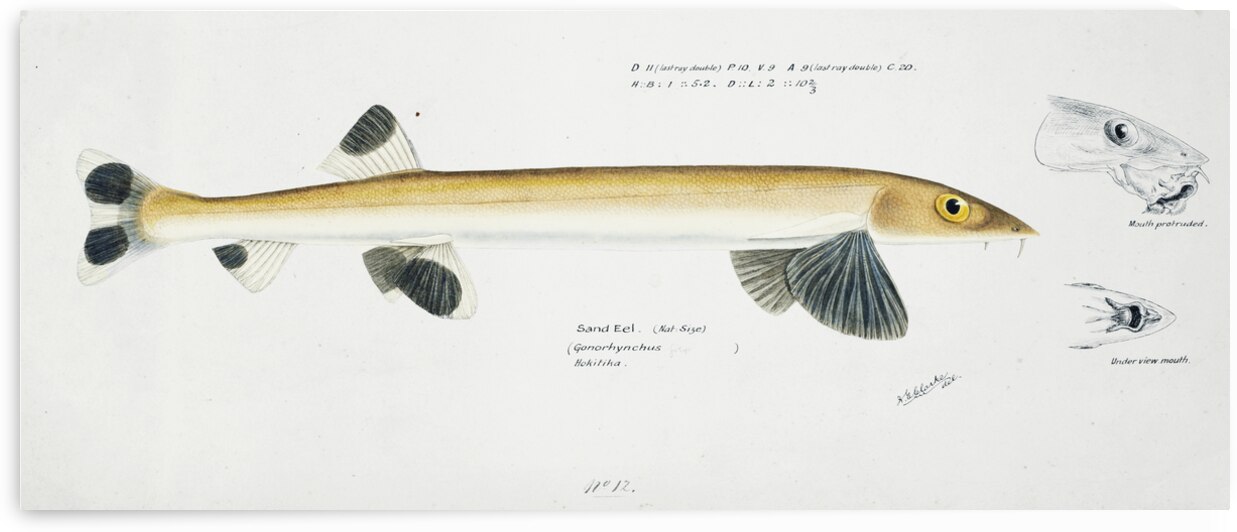
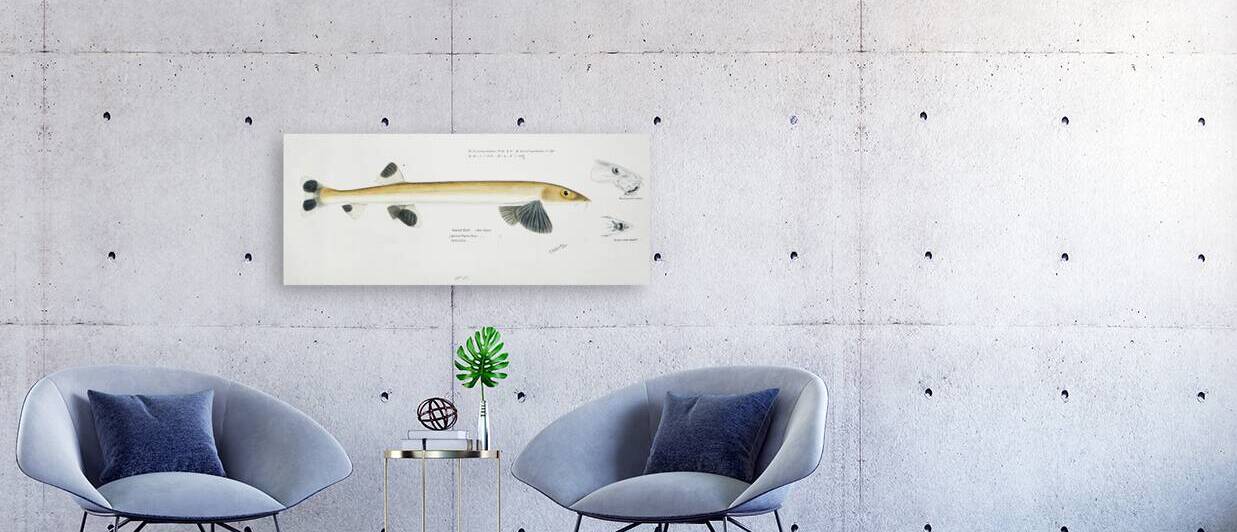
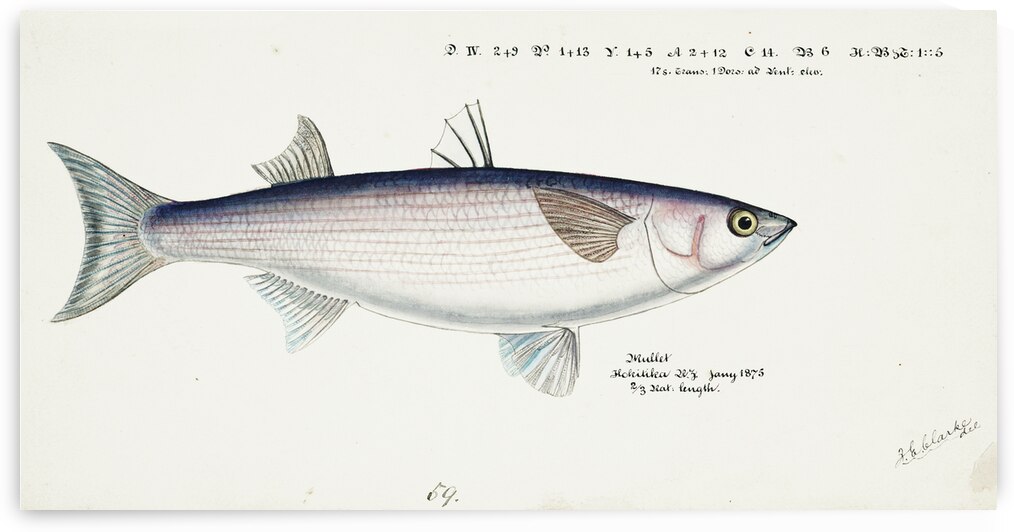
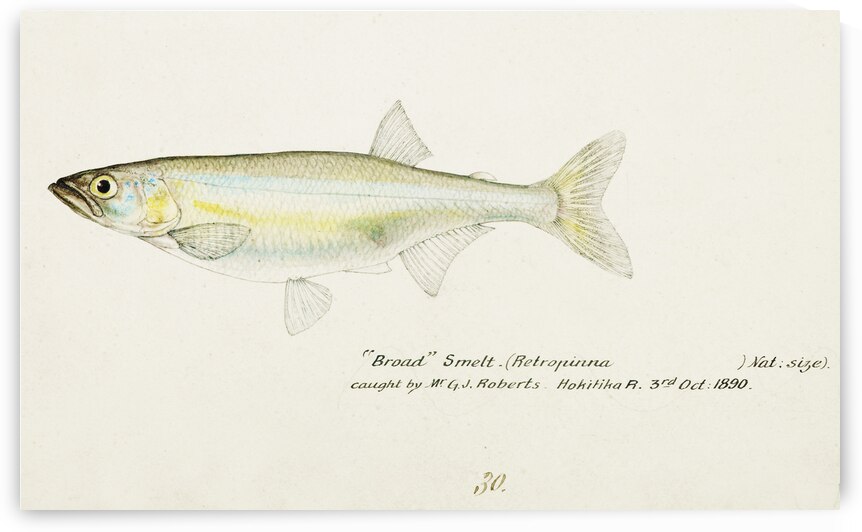
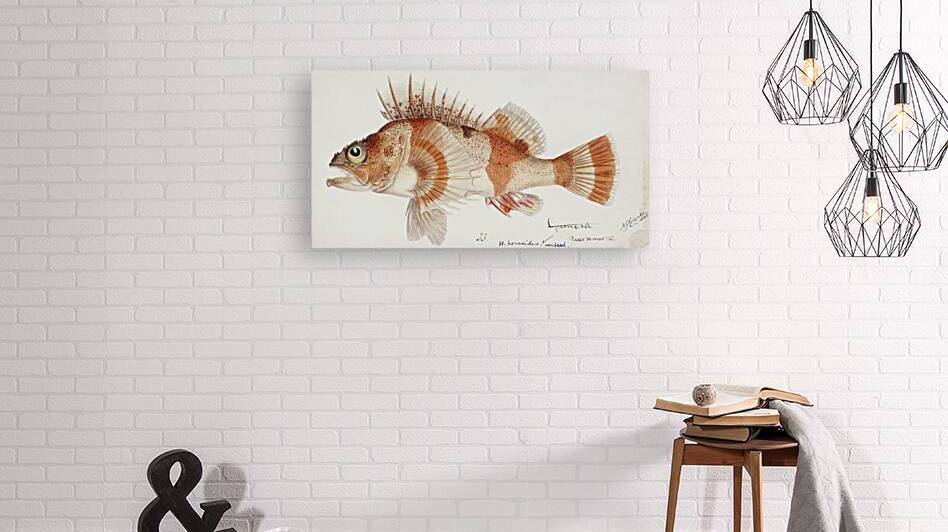
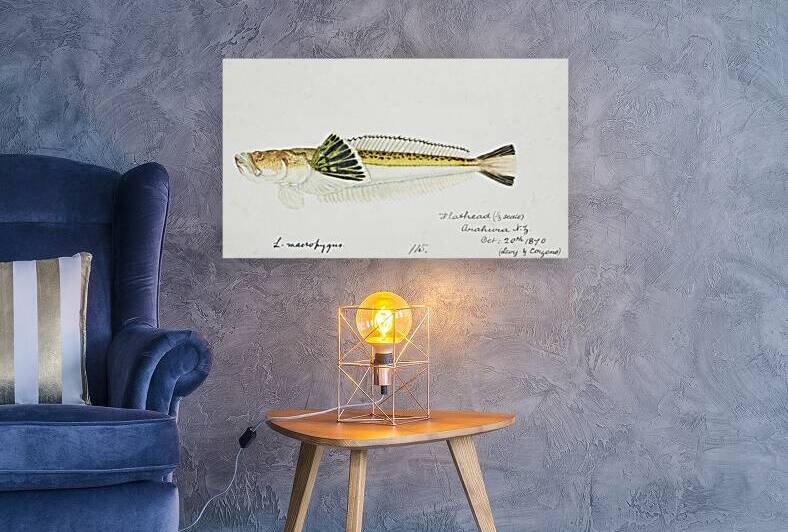
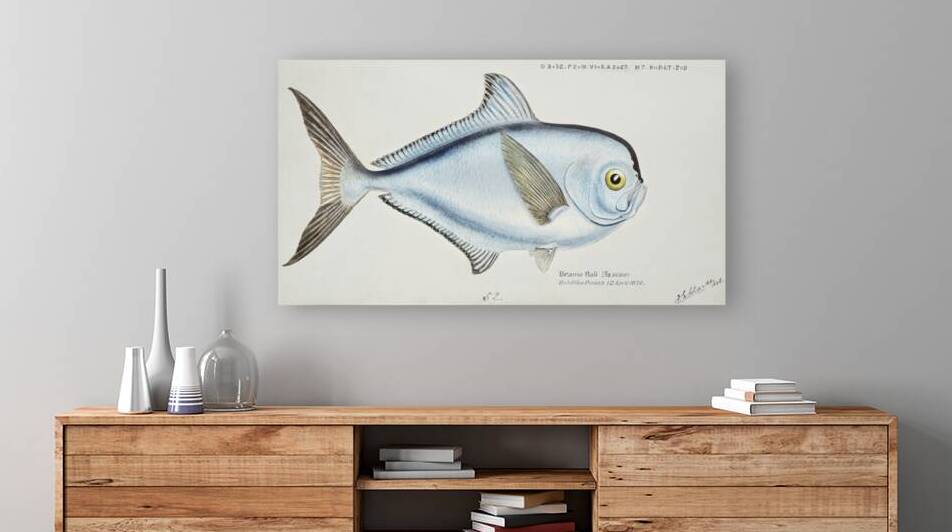
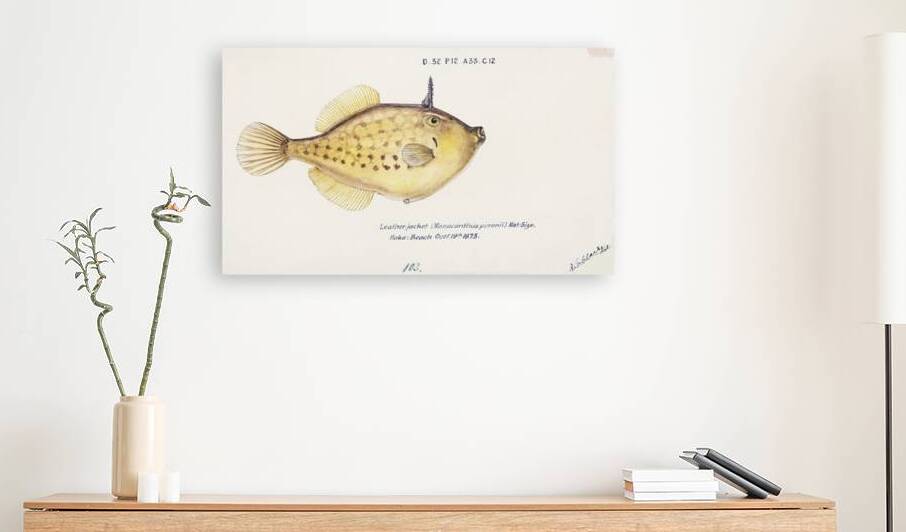
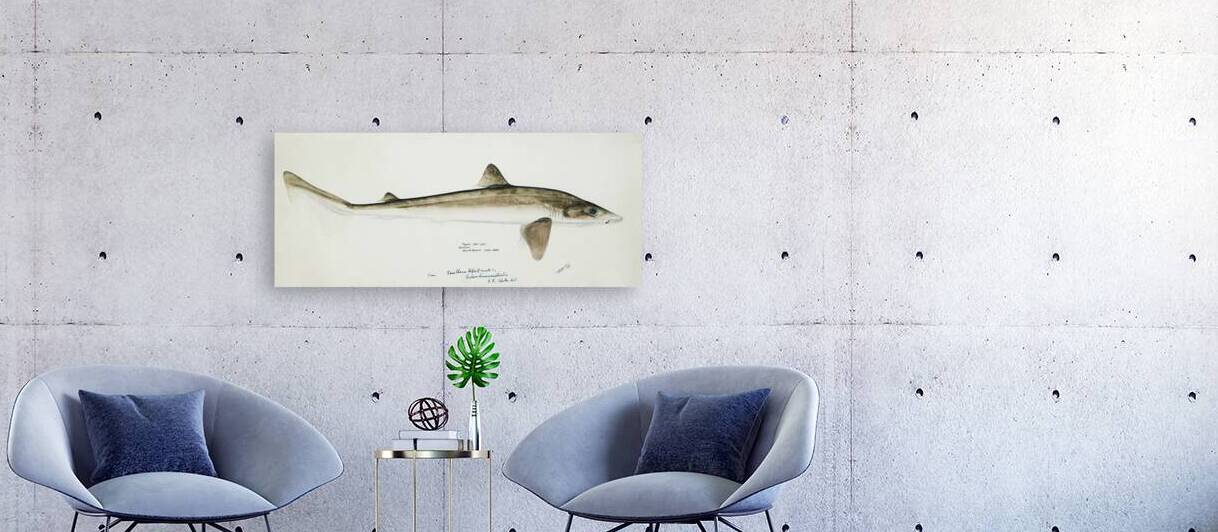
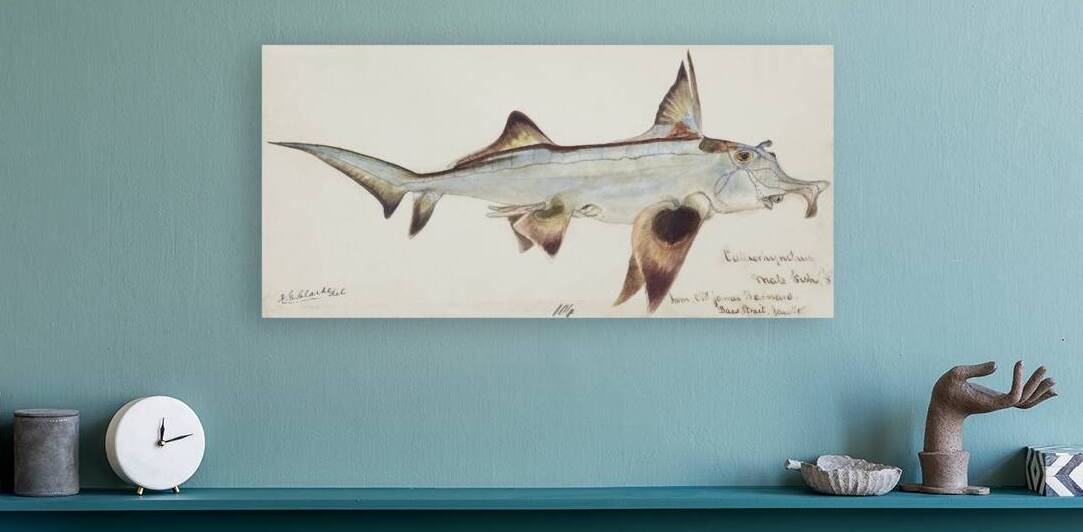
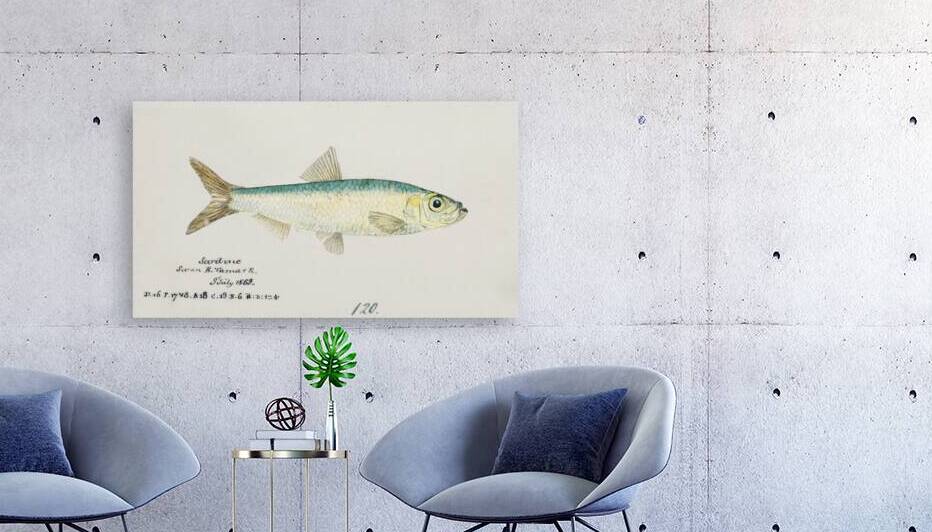
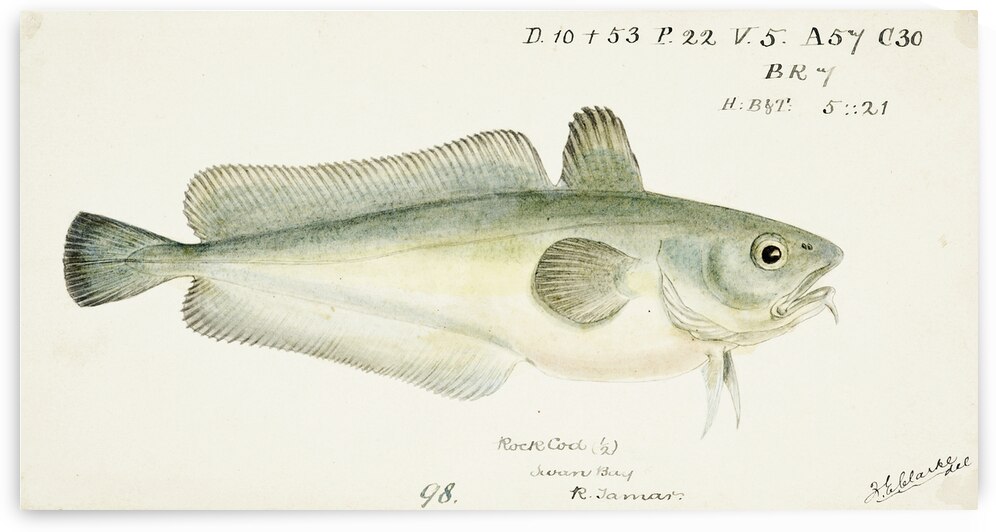
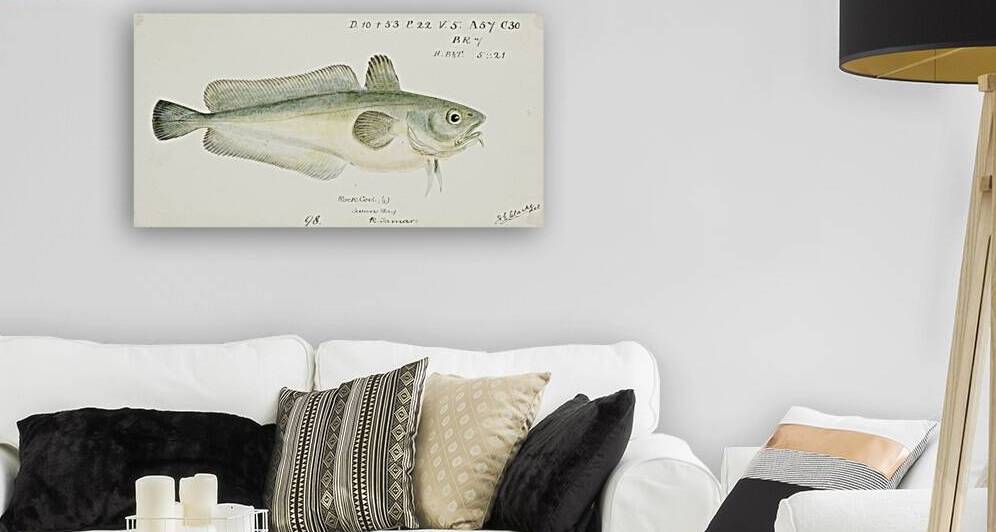
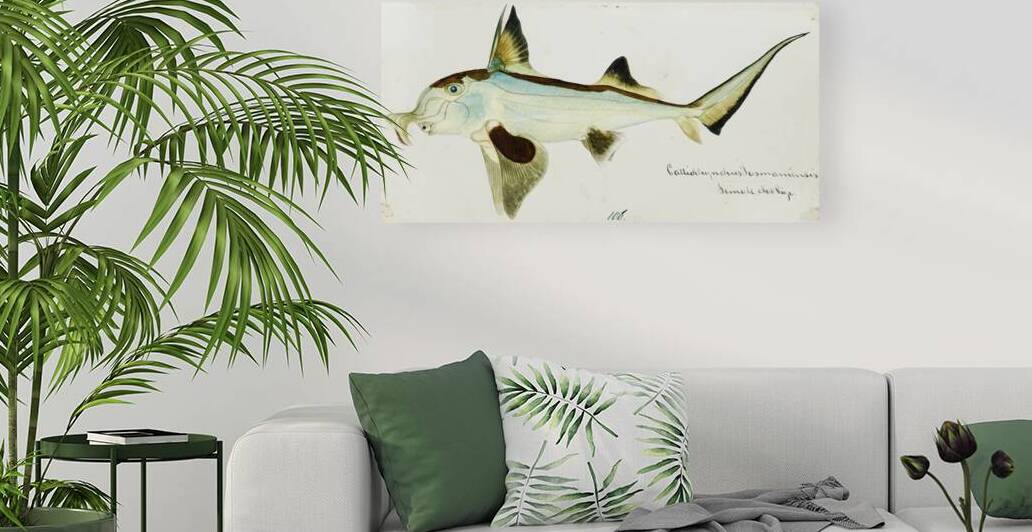
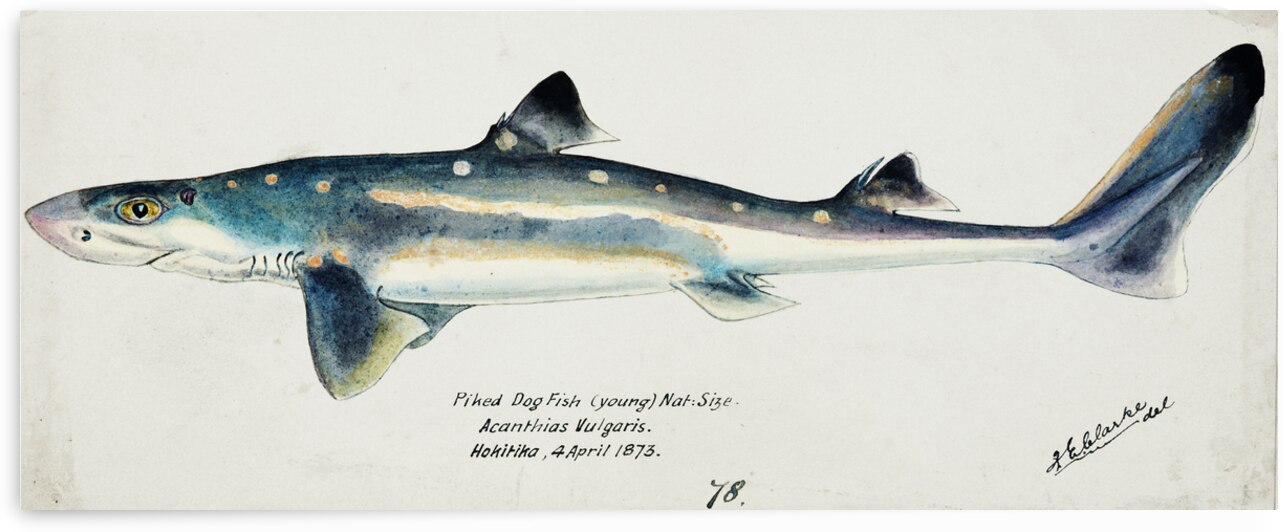
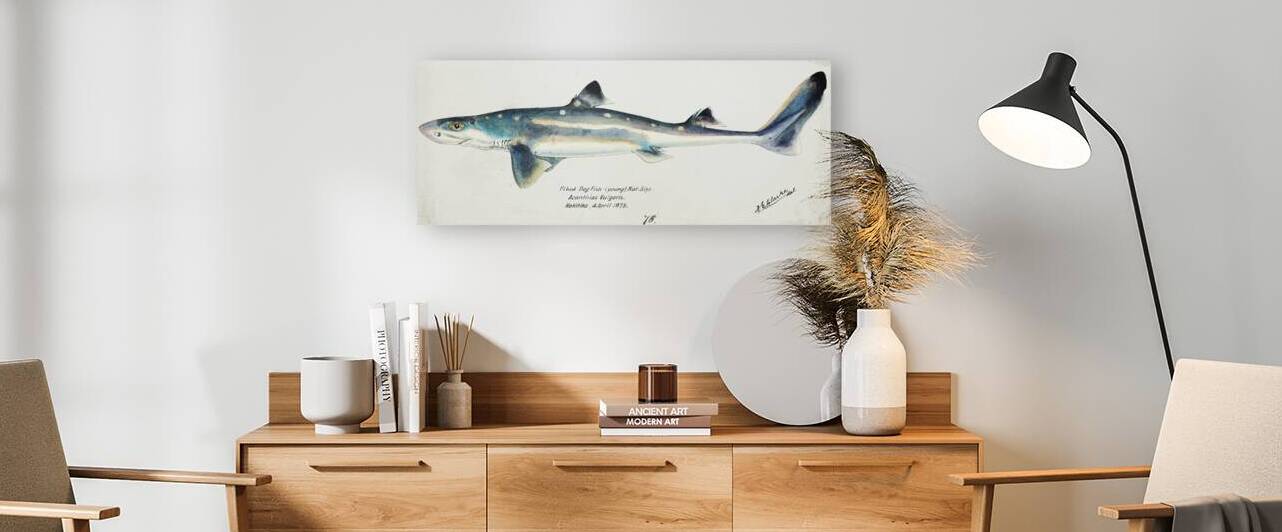
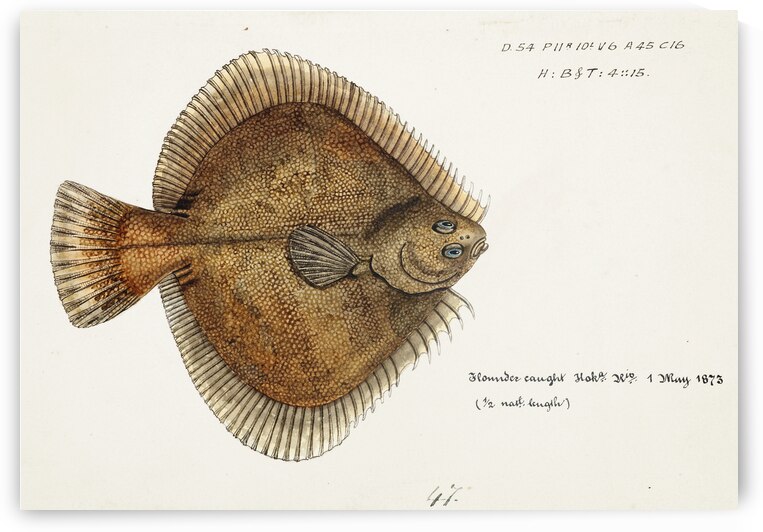
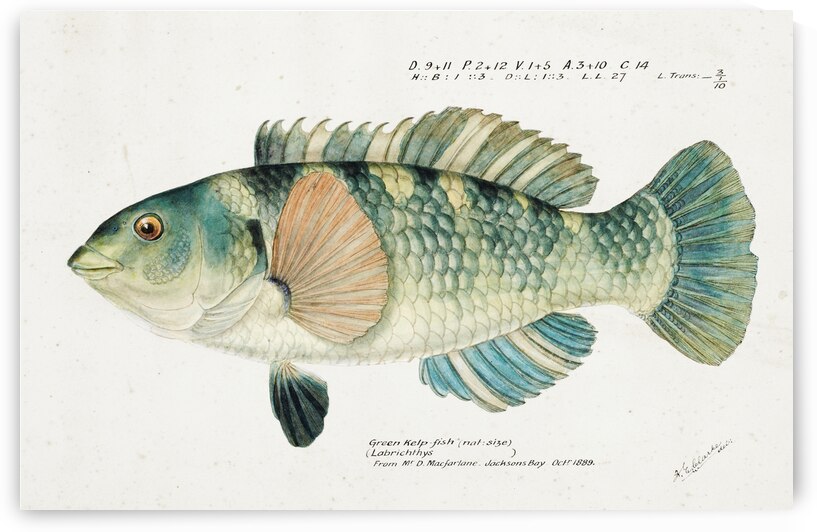
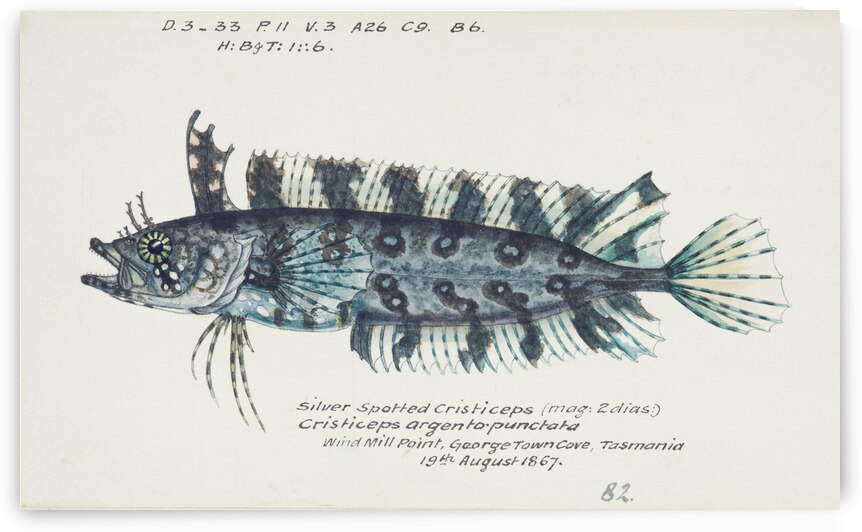
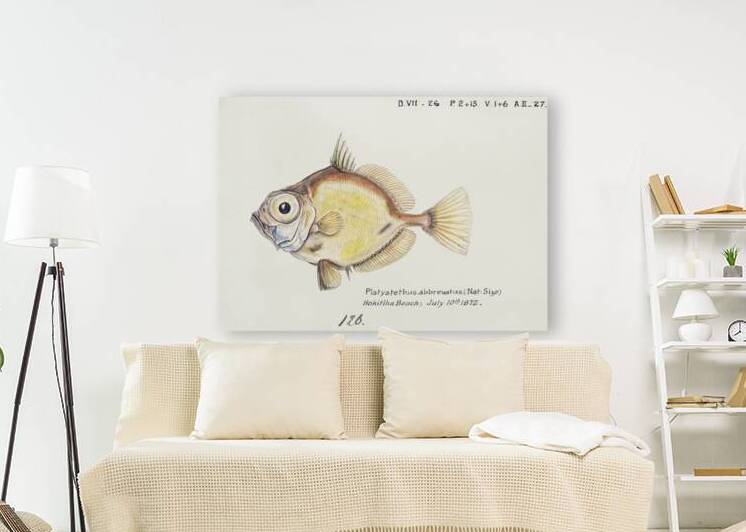
Frank Edward Clarke's meticulous scientific drawings and illustrations were highly regarded. Sir James Hector praised Clarke's minute and accurate knowledge of fish and the scientific fidelity of his drawings. Clarke's collection of drawings and watercolors was eventually purchased by the Museum of New Zealand Te Papa Tongarewa in 1921.
Clarke's artistic talents also extended to designing the common seal for the Municipal Corporation of Kumara.
Marriage and Family:
Clarke married Margaret Maggie Mulvihill on 17 March 1873 and they had several children including Ernest Edward Clarke Norman Frank Clarke Ruby May Clarke Margaret Ilma Clarke and another Ruby May Clarke born in different years .
Death:
Frank Edward Clarke passed away on 1 July 1899 succumbing to heart disease.
Frank Edward Clarke's enduring contributions to ichthyology and scientific illustration continue to be celebrated with his legacy preserved in the collections of New Zealand's leading museum institutions.
Early Life and Career:
Born in Suffolk England in 1849 Frank Edward Clarke immigrated to New Zealand. By 1876 he had become the Chief Draftsman in the Survey Department in Westland.
Scientific and Artistic Contributions:
Clarke was a member of the New Zealand Institute and an active contributor to various scientific societies. His research papers were presented before prestigious organizations such as the Westland Institute and the Wellington Philosophical Society with many of them being published by the New Zealand Institute.
Among his significant discoveries was the identification of Himantolophind angelfishes in New Zealand waters in 1877. He also described and named Himantolophus appelii honoring Mr. Appel of Hokitika for his contribution.
Another notable contribution was the description and naming of a fish species Argentina decagon collected by W. Duncan in 1878. This specimen is still preserved at the Museum of New Zealand Te Papa Tongarewa.
Legacy and Artistic Achievements:
Frank Edward Clarke's meticulous scientific drawings and illustrations were highly regarded. Sir James Hector praised Clarke's minute and accurate knowledge of fish and the scientific fidelity of his drawings. Clarke's collection of drawings and watercolors was eventually purchased by the Museum of New Zealand Te Papa Tongarewa in 1921.
Clarke's artistic talents also extended to designing the common seal for the Municipal Corporation of Kumara.
Marriage and Family:
Clarke married Margaret Maggie Mulvihill on 17 March 1873 and they had several children including Ernest Edward Clarke Norman Frank Clarke Ruby May Clarke Margaret Ilma Clarke and another Ruby May Clarke born in different years .
Death:
Frank Edward Clarke passed away on 1 July 1899 succumbing to heart disease.
Frank Edward Clarke's enduring contributions to ichthyology and scientific illustration continue to be celebrated with his legacy preserved in the collections of New Zealand's leading museum institutions.