
 19973
19973
Biography of William Saville-Kent 1845-1908
Introduction:
William Saville-Kent a pioneering marine biologist and author played a pivotal role in introducing the world to the incredible biodiversity of the Great Barrier Reef through his groundbreaking work The Great Barrier Reef of Australia 1893 . His unwavering dedication to the study and preservation of coral reefs left an indelible mark on the field of marine biology and helped raise awareness about the importance of conserving these delicate ecosystems.
Early Life and Education:
Born on July 10 1845 in Cobham Kent England William Saville-Kent displayed an early fascination with the natural world. His upbringing in a family of amateur naturalists nurtured his curiosity and he embarked on a lifelong journey of discovery. Saville-Kent's formal education included studies in natural history and marine biology which laid the foundation for his future endeavors.
Journey to Australia:
In 1866 Saville-Kent made a momentous decision to leave his homeland and travel to the distant shores of Australia. He was captivated by the allure of the Australian coastline and its rich marine life. Settling in Sydney he soon became a prominent figure in the scientific community earning respect for his keen observations and meticulous documentation of marine organisms.
Exploration of the Great Barrier Reef:
Saville-Kent's most significant contribution to science came during his tenure as the Curator of Fisheries for the Queensland Museum from 1889 to 1897. His passion for the Great Barrier Reef led him to conduct numerous expeditions and research expeditions often accompanied by his wife Mary Saville-Kent a talented illustrator who documented the vibrant coral life. These journeys allowed him to extensively study and catalogue the diverse corals and marine life inhabiting the world's largest coral reef system.
The Great Barrier Reef of Australia :
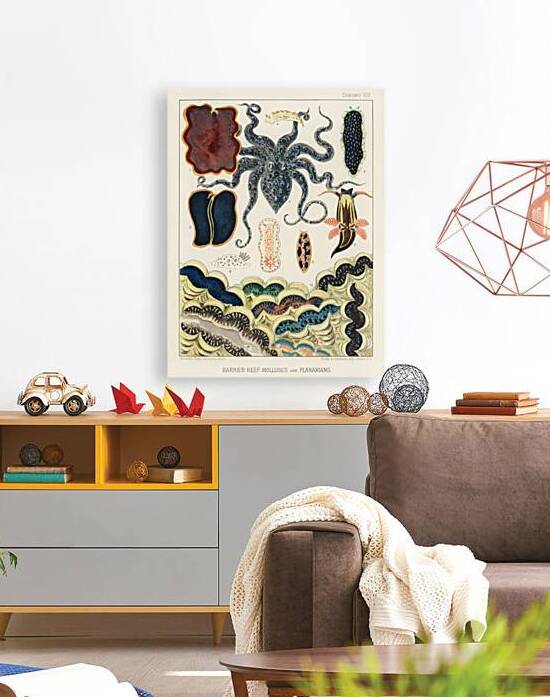
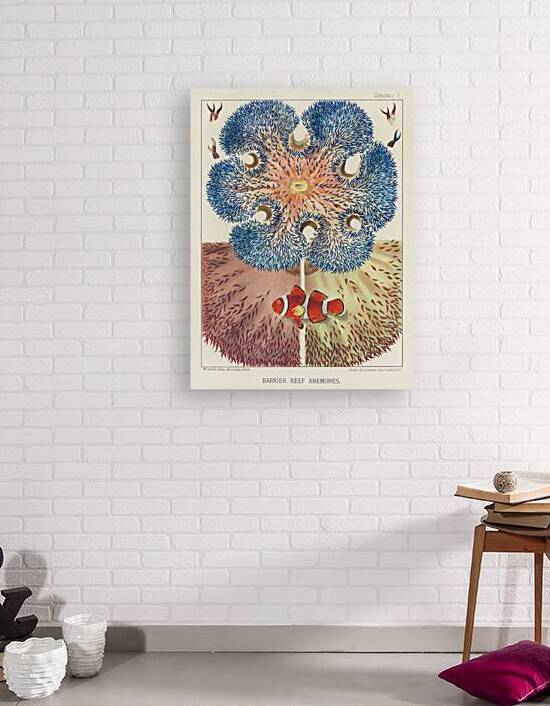
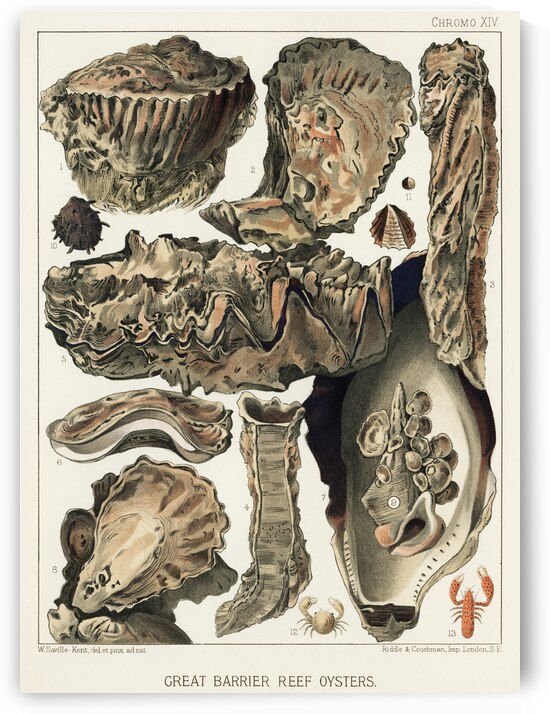
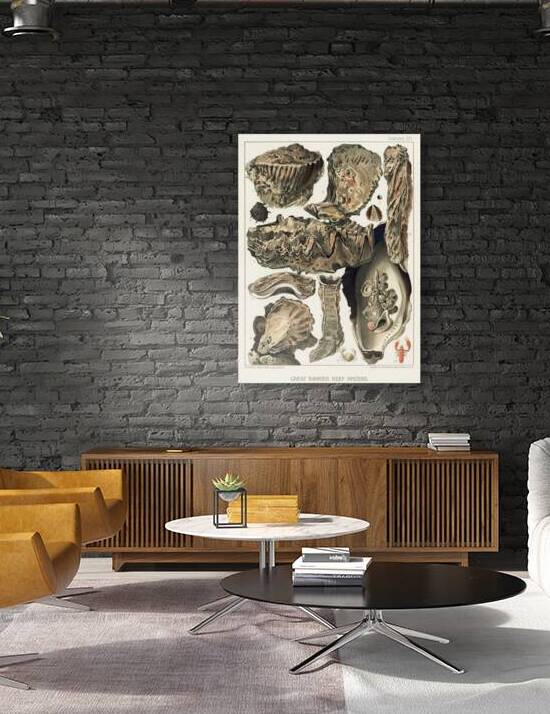
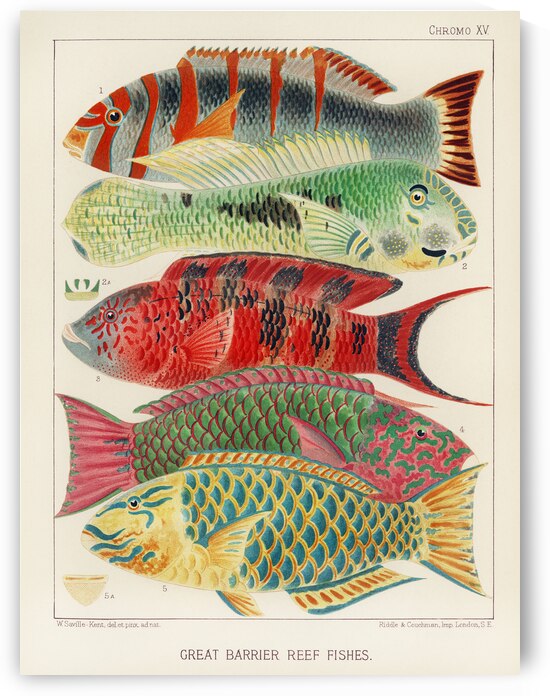
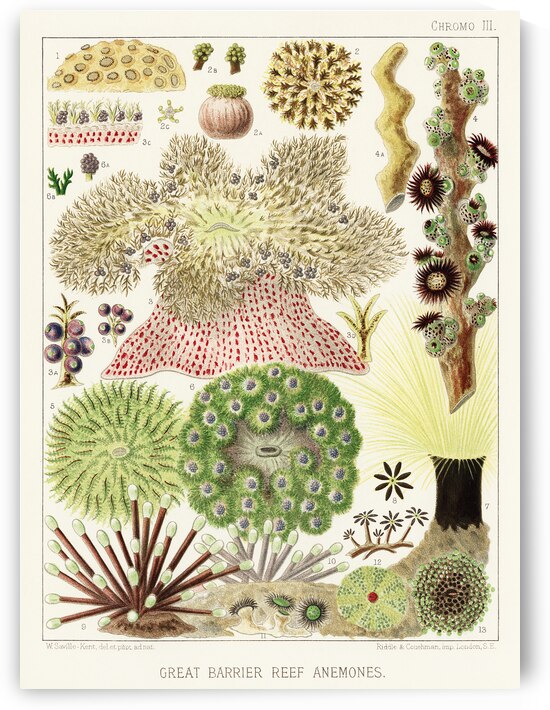
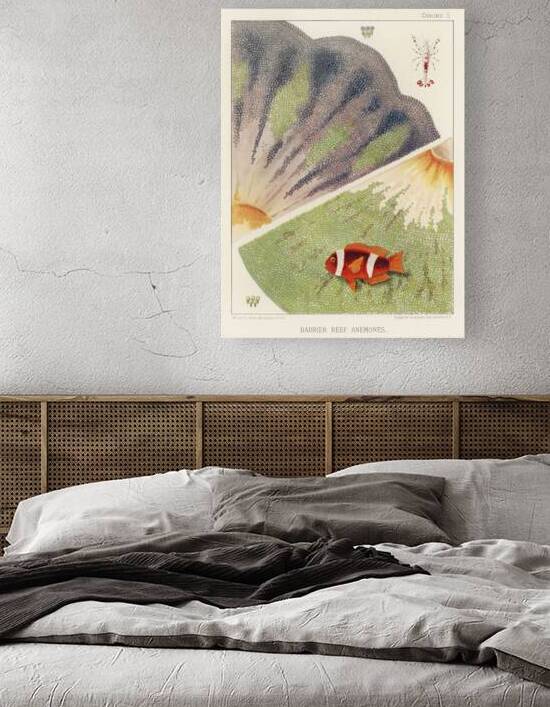
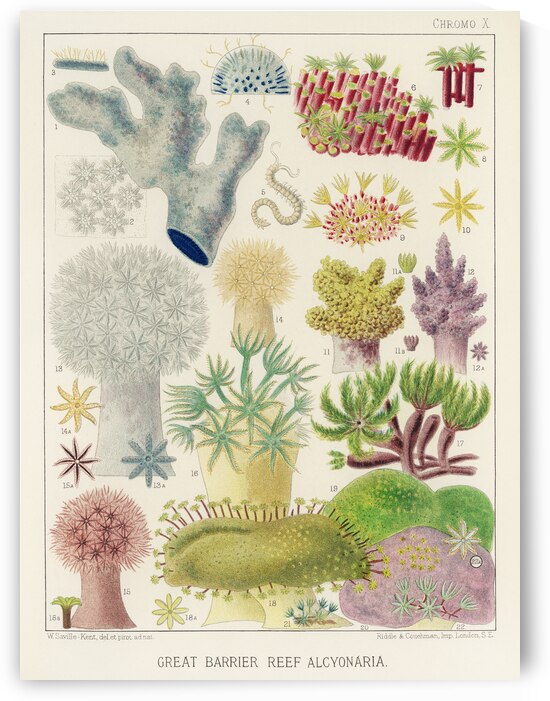
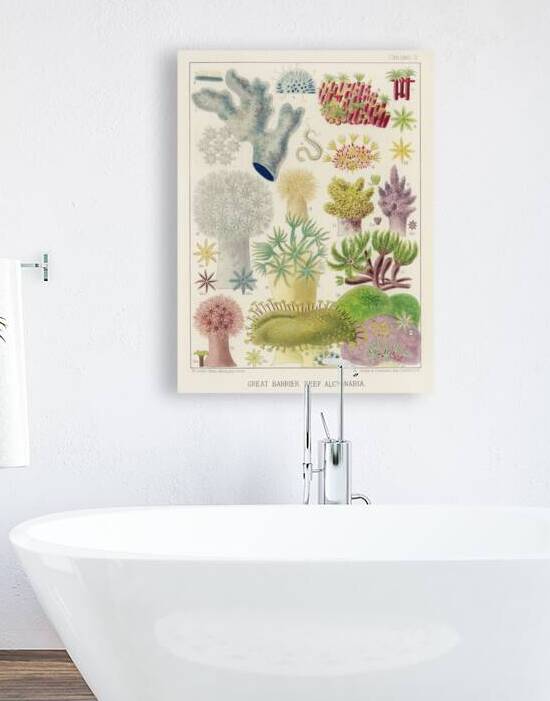
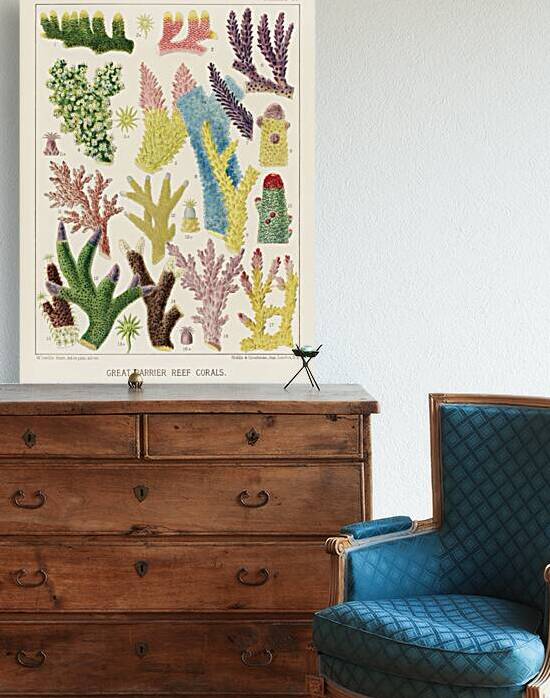
Published in 1893 Saville-Kent's magnum opus The Great Barrier Reef of Australia was a groundbreaking work that showcased the astonishing biodiversity of the reef. Illustrated with detailed drawings and vivid descriptions the book not only informed the scientific community but also captured the imagination of the general public. It highlighted the vital role that coral reefs play in marine ecosystems and emphasized the need for their protection.
Legacy and Conservation Efforts:
William Saville-Kent's tireless efforts to raise awareness about coral reefs and his pioneering research contributed significantly to the burgeoning field of marine biology. His work laid the foundation for future generations of scientists and conservationists to appreciate the beauty and ecological importance of coral reefs.
Tragically William Saville-Kent's life was cut short when he passed away in 1908 at the age of 63. However his legacy lives on through his enduring contributions to the understanding and conservation of coral reefs. Today the Great Barrier Reef stands as a UNESCO World Heritage Site and a symbol of the importance of preserving fragile marine ecosystems.
Conclusion:
William Saville-Kent's remarkable life and work continue to inspire individuals worldwide to appreciate study and protect coral reefs. His dedication to the Great Barrier Reef and marine biology has left an indelible mark on the scientific community reminding us of the need to safeguard these vital ecosystems for future
Introduction:
William Saville-Kent a pioneering marine biologist and author played a pivotal role in introducing the world to the incredible biodiversity of the Great Barrier Reef through his groundbreaking work The Great Barrier Reef of Australia 1893 . His unwavering dedication to the study and preservation of coral reefs left an indelible mark on the field of marine biology and helped raise awareness about the importance of conserving these delicate ecosystems.
Early Life and Education:
Born on July 10 1845 in Cobham Kent England William Saville-Kent displayed an early fascination with the natural world. His upbringing in a family of amateur naturalists nurtured his curiosity and he embarked on a lifelong journey of discovery. Saville-Kent's formal education included studies in natural history and marine biology which laid the foundation for his future endeavors.
Journey to Australia:
In 1866 Saville-Kent made a momentous decision to leave his homeland and travel to the distant shores of Australia. He was captivated by the allure of the Australian coastline and its rich marine life. Settling in Sydney he soon became a prominent figure in the scientific community earning respect for his keen observations and meticulous documentation of marine organisms.
Exploration of the Great Barrier Reef:
Saville-Kent's most significant contribution to science came during his tenure as the Curator of Fisheries for the Queensland Museum from 1889 to 1897. His passion for the Great Barrier Reef led him to conduct numerous expeditions and research expeditions often accompanied by his wife Mary Saville-Kent a talented illustrator who documented the vibrant coral life. These journeys allowed him to extensively study and catalogue the diverse corals and marine life inhabiting the world's largest coral reef system.
The Great Barrier Reef of Australia :
Published in 1893 Saville-Kent's magnum opus The Great Barrier Reef of Australia was a groundbreaking work that showcased the astonishing biodiversity of the reef. Illustrated with detailed drawings and vivid descriptions the book not only informed the scientific community but also captured the imagination of the general public. It highlighted the vital role that coral reefs play in marine ecosystems and emphasized the need for their protection.
Legacy and Conservation Efforts:
William Saville-Kent's tireless efforts to raise awareness about coral reefs and his pioneering research contributed significantly to the burgeoning field of marine biology. His work laid the foundation for future generations of scientists and conservationists to appreciate the beauty and ecological importance of coral reefs.
Tragically William Saville-Kent's life was cut short when he passed away in 1908 at the age of 63. However his legacy lives on through his enduring contributions to the understanding and conservation of coral reefs. Today the Great Barrier Reef stands as a UNESCO World Heritage Site and a symbol of the importance of preserving fragile marine ecosystems.
Conclusion:
William Saville-Kent's remarkable life and work continue to inspire individuals worldwide to appreciate study and protect coral reefs. His dedication to the Great Barrier Reef and marine biology has left an indelible mark on the scientific community reminding us of the need to safeguard these vital ecosystems for future