

 19973
19973
Ohara Koson was born in Kanazawa in 1877 and passed away in Tokyo in 1945.
Ohara Koson also known as Ohara H?son and Ohara Sh?son was a distinguished Japanese painter and woodblock print designer born in Kanazawa in 1877. His artistic journey unfolded during the dynamic transition from the late 19th to the early 20th centuries placing him at the forefront of the shinsaku-hanga and shin-hanga art movements in Japan.
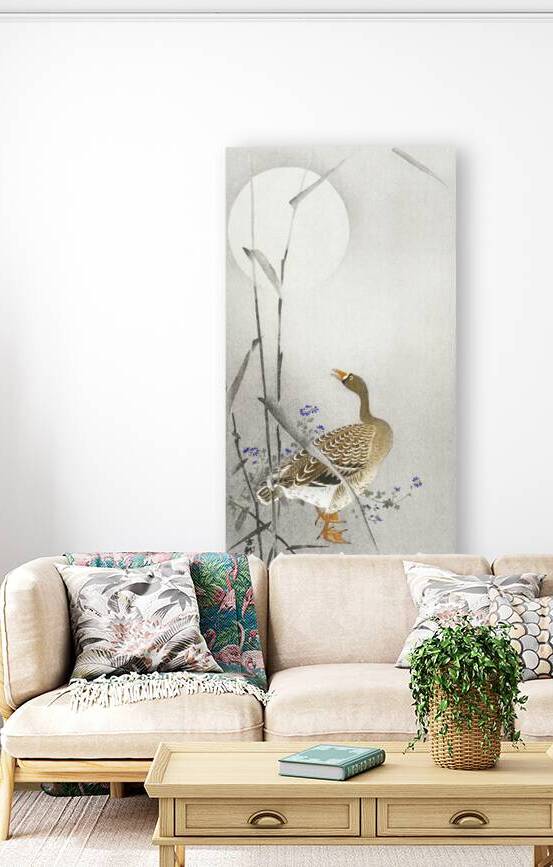
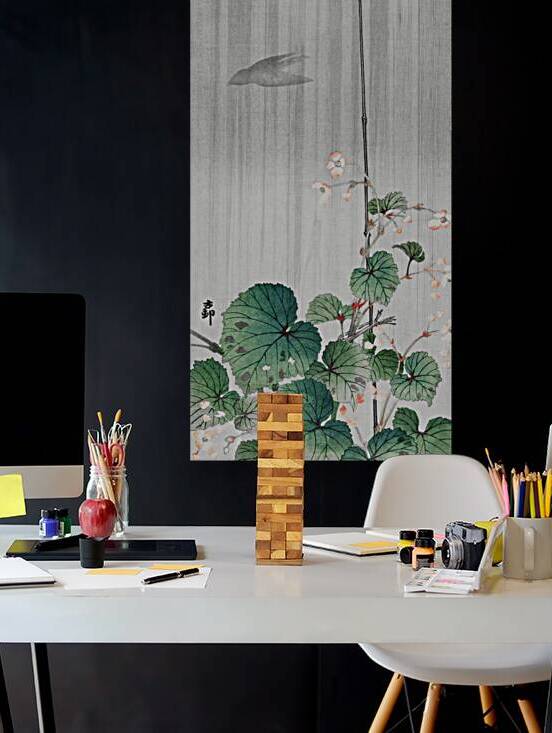
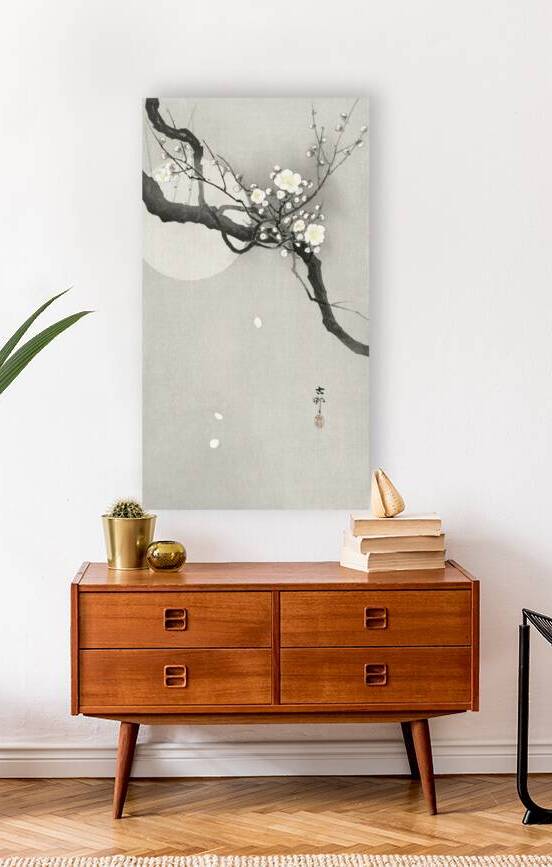
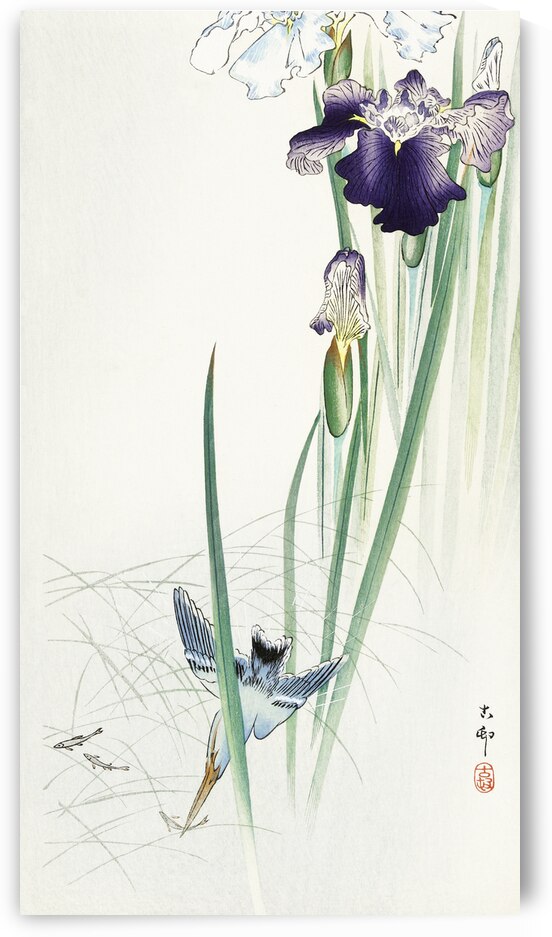
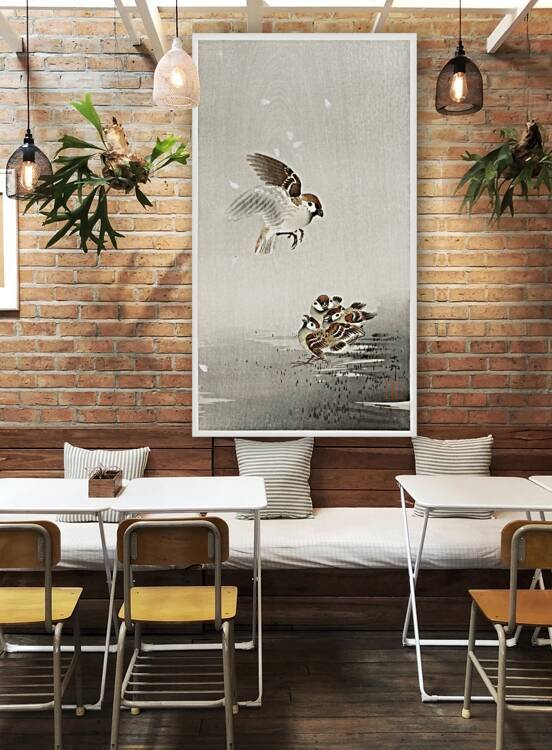
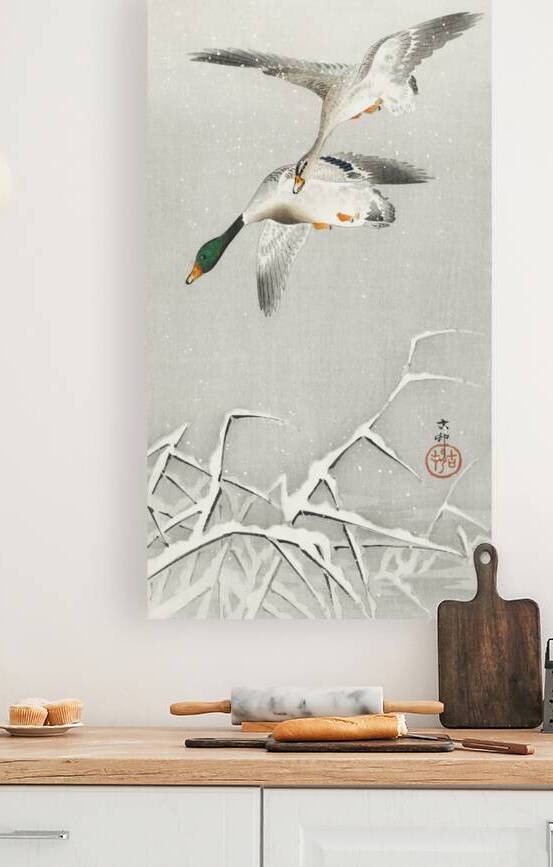
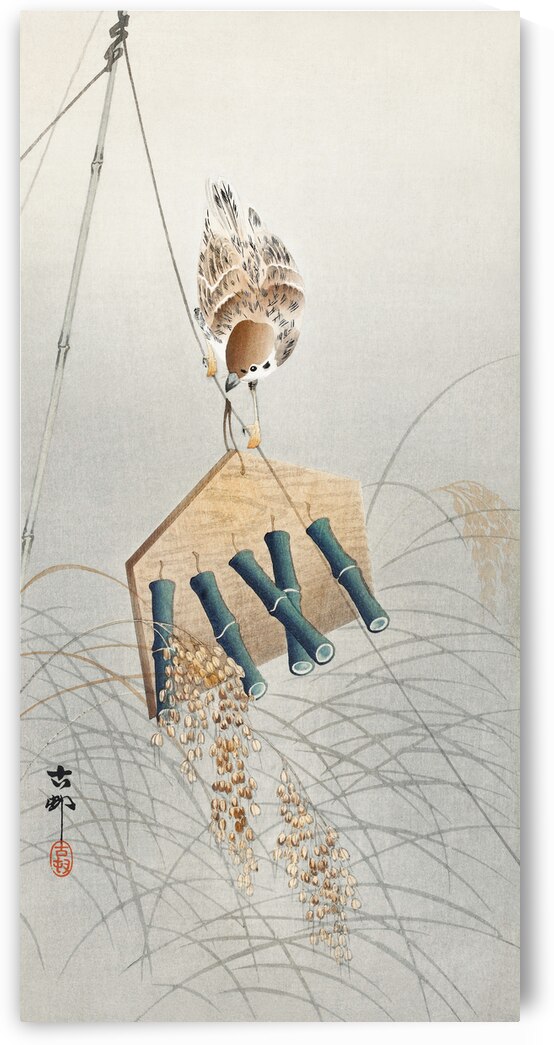
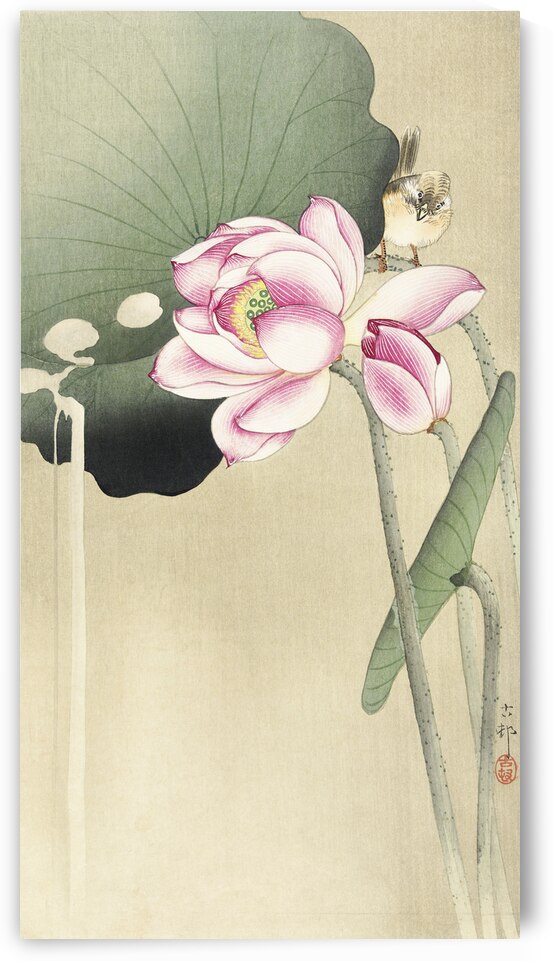
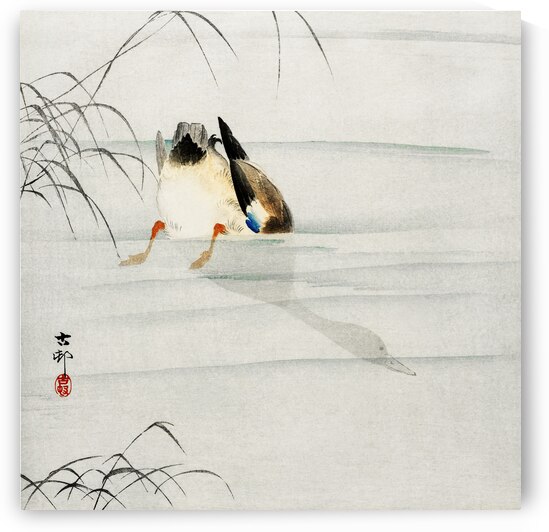
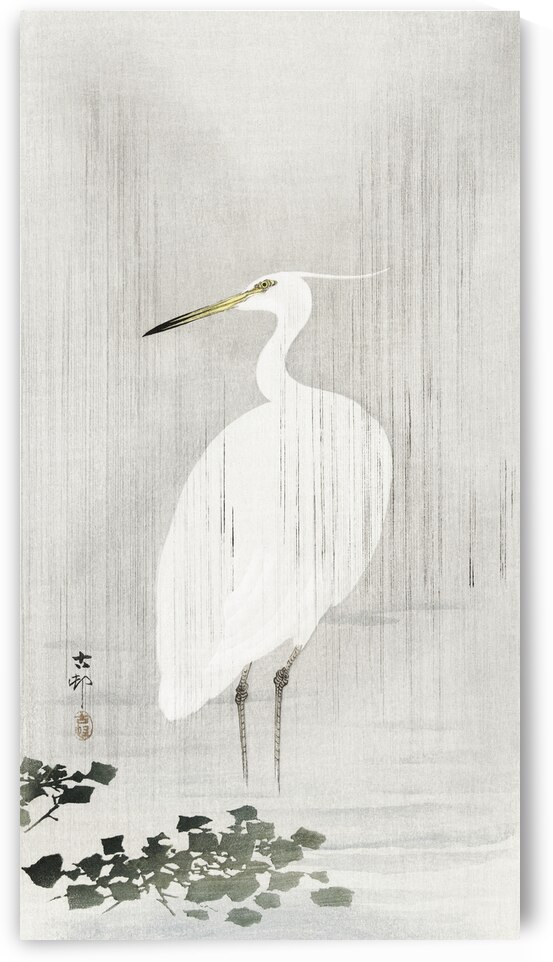
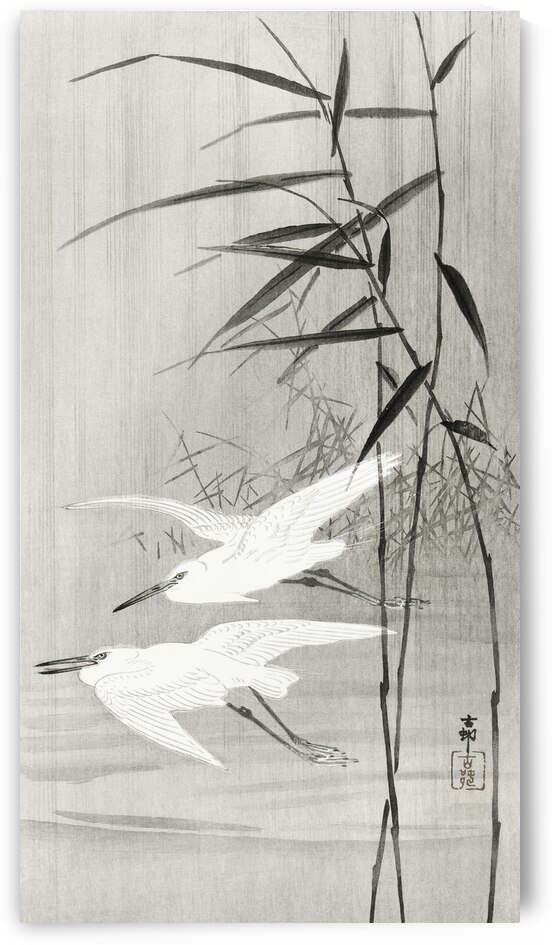
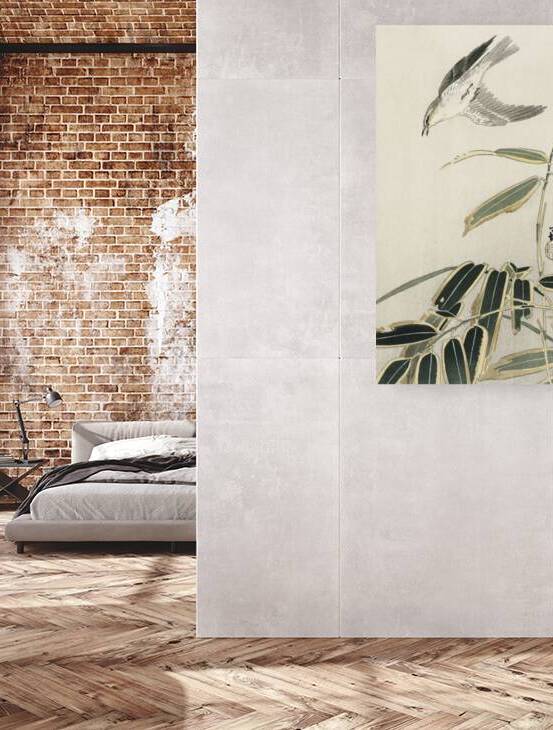
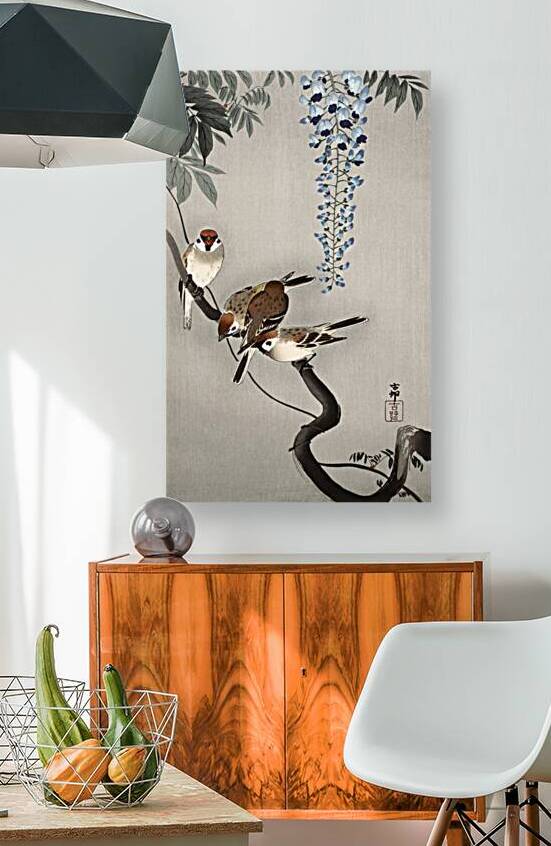
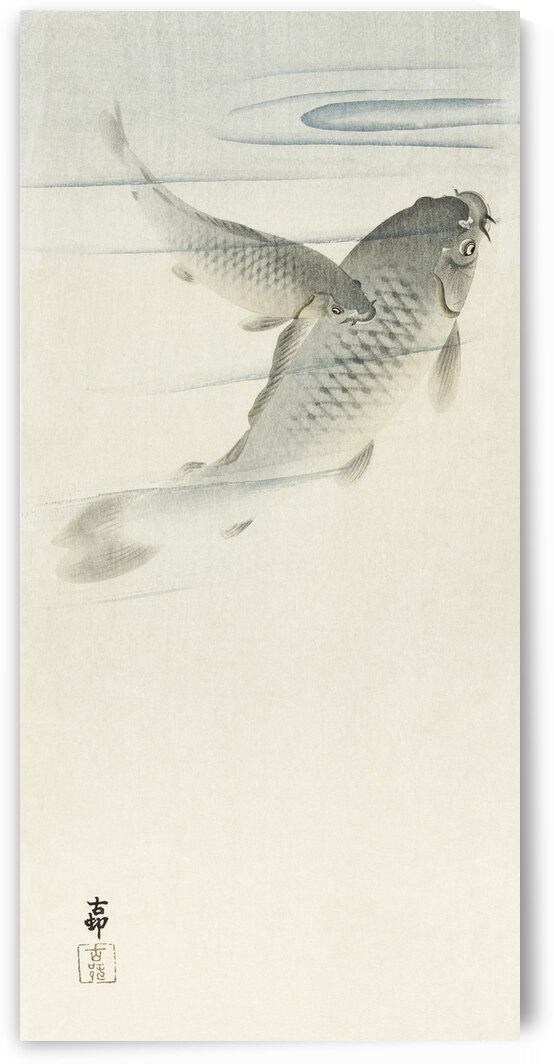
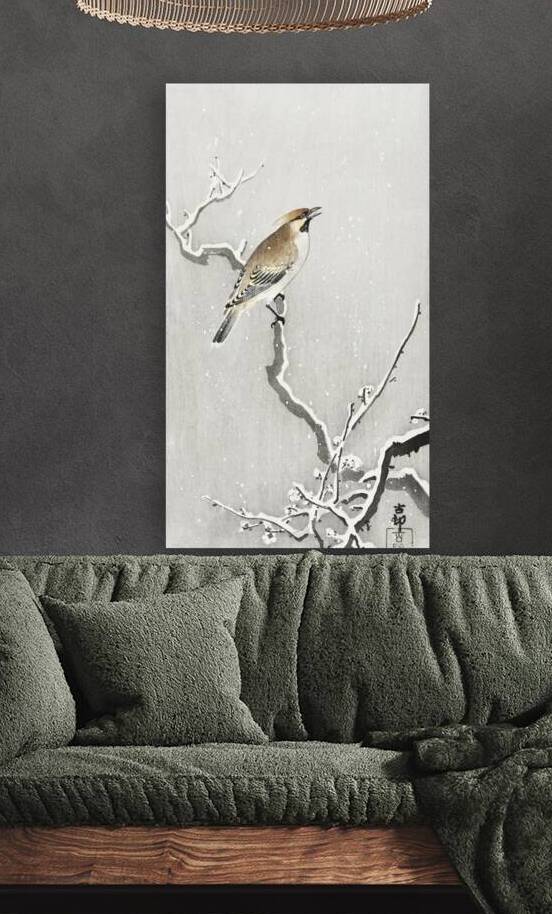
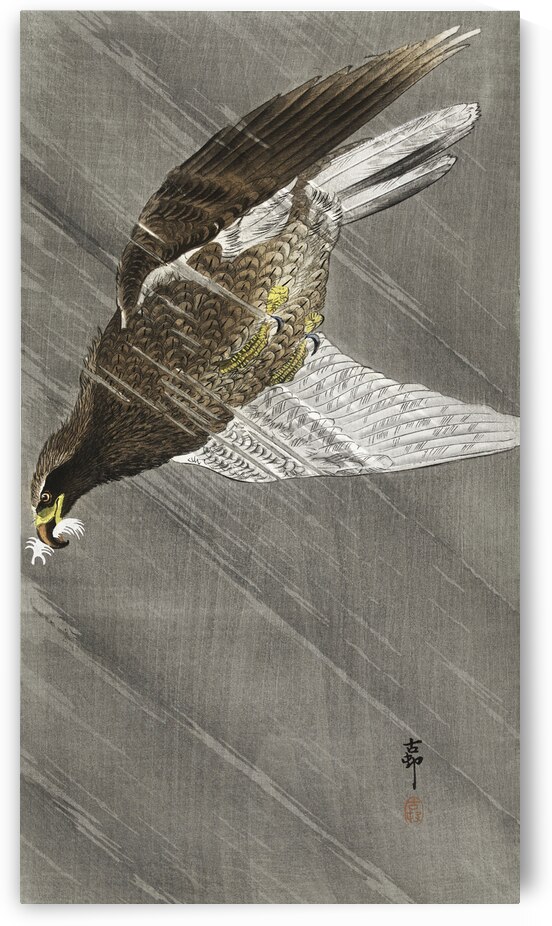
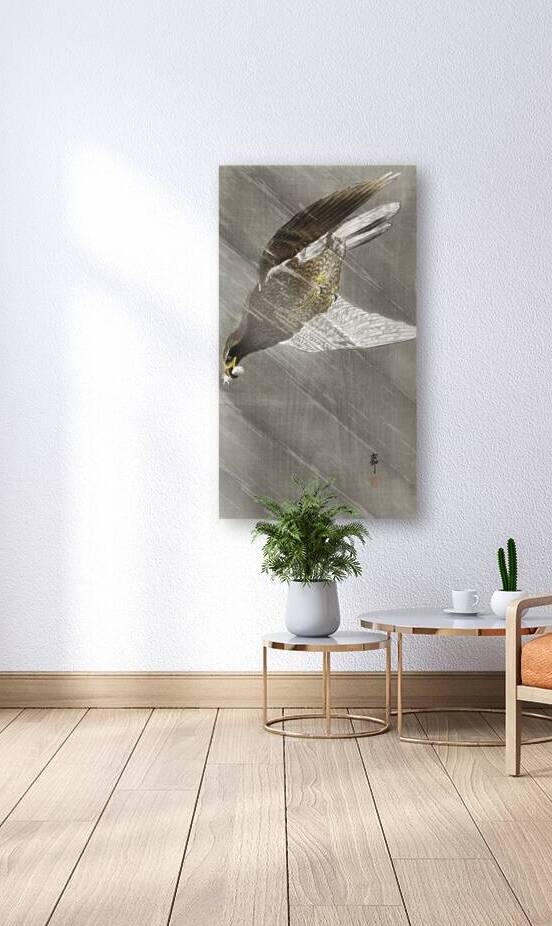
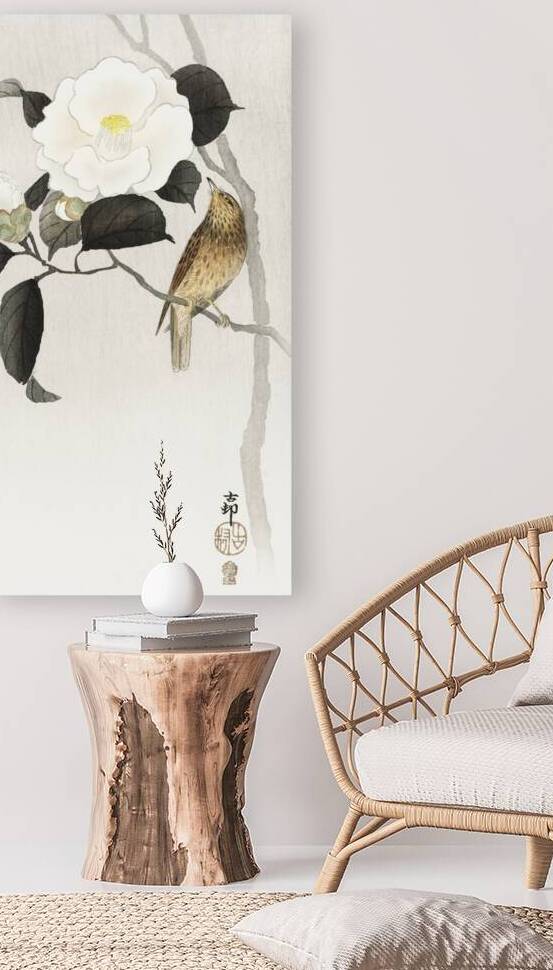
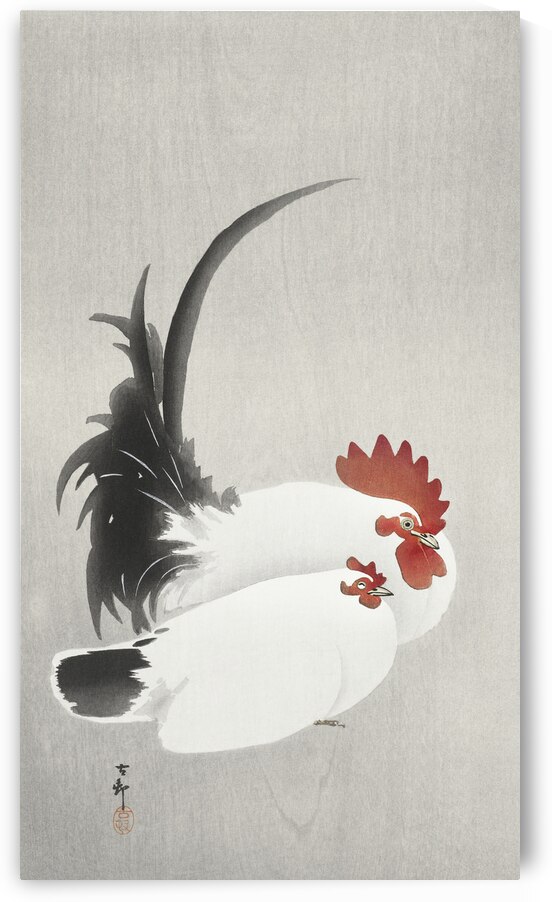
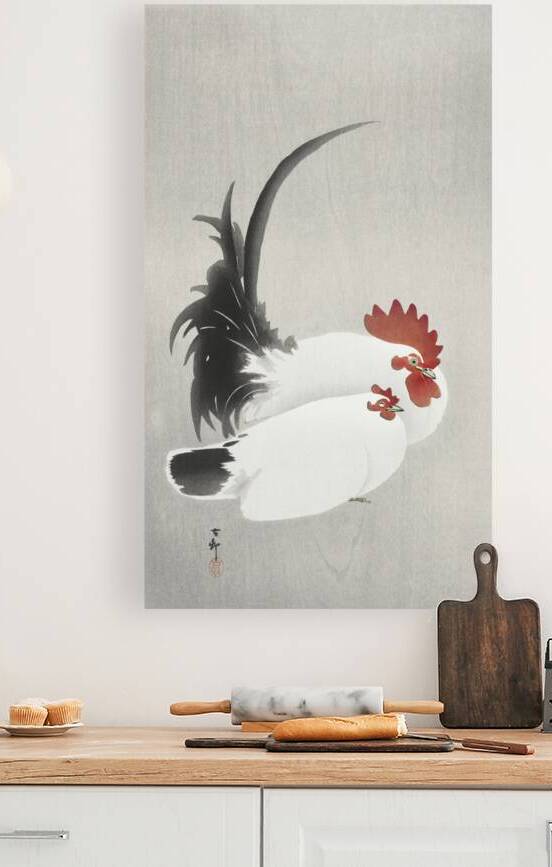
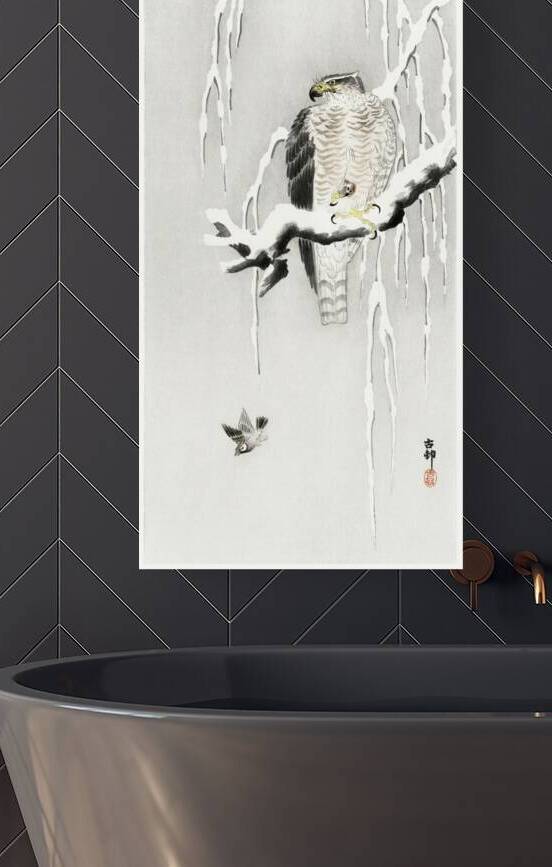
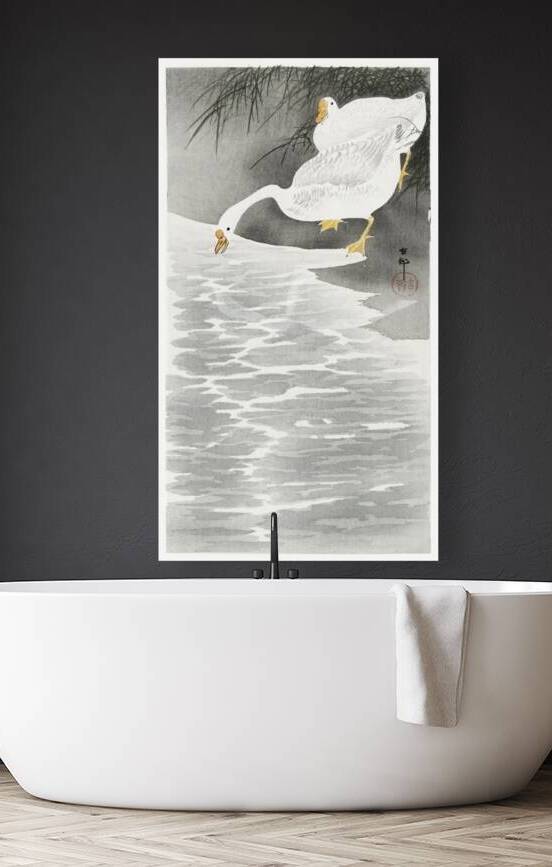
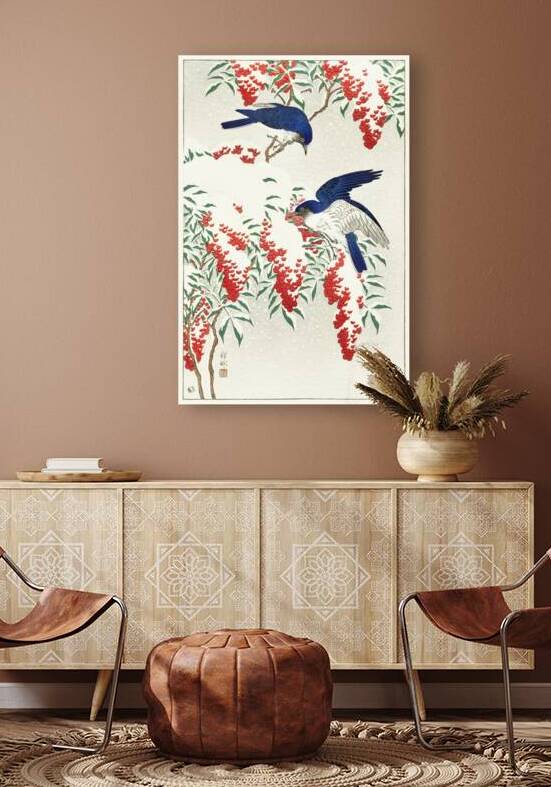
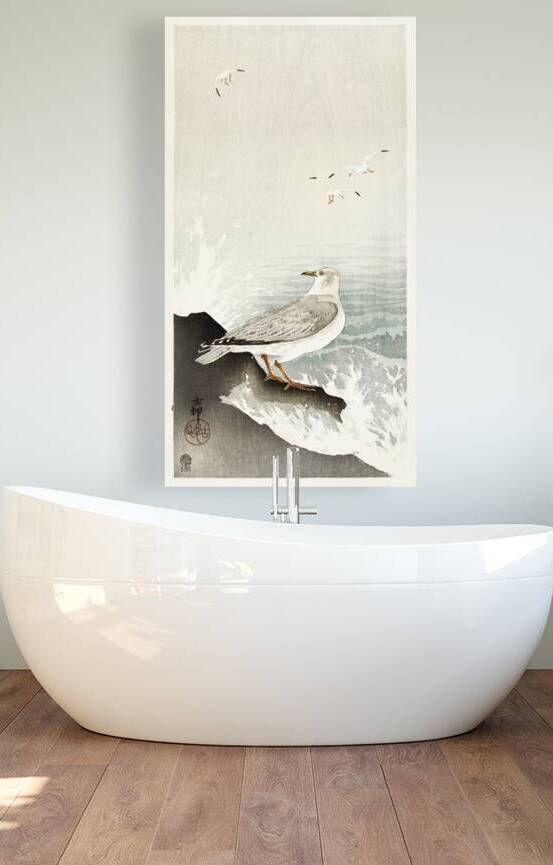
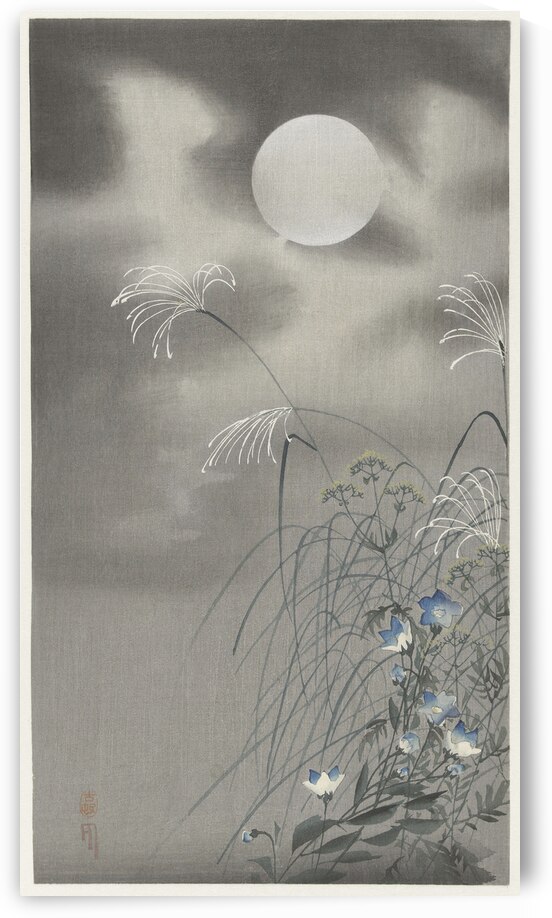
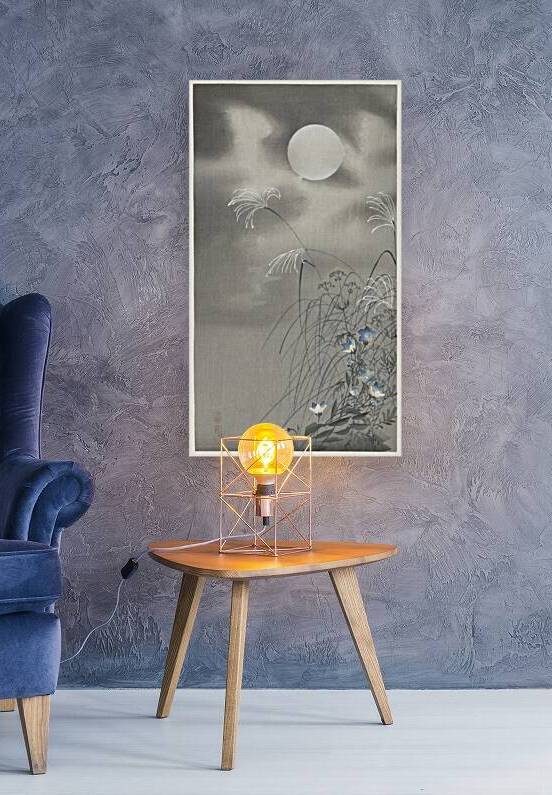
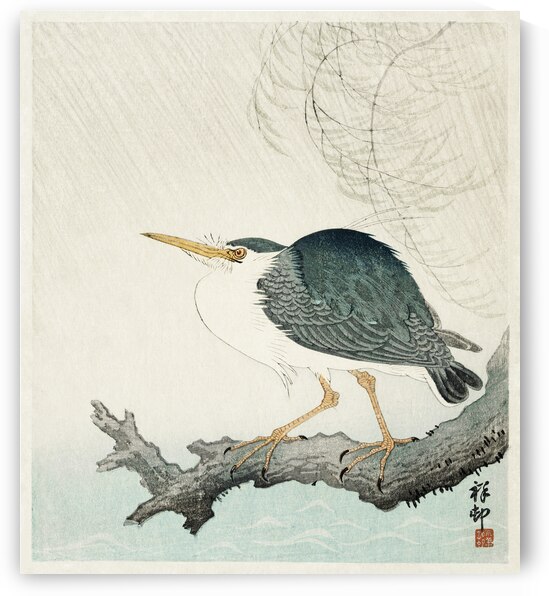
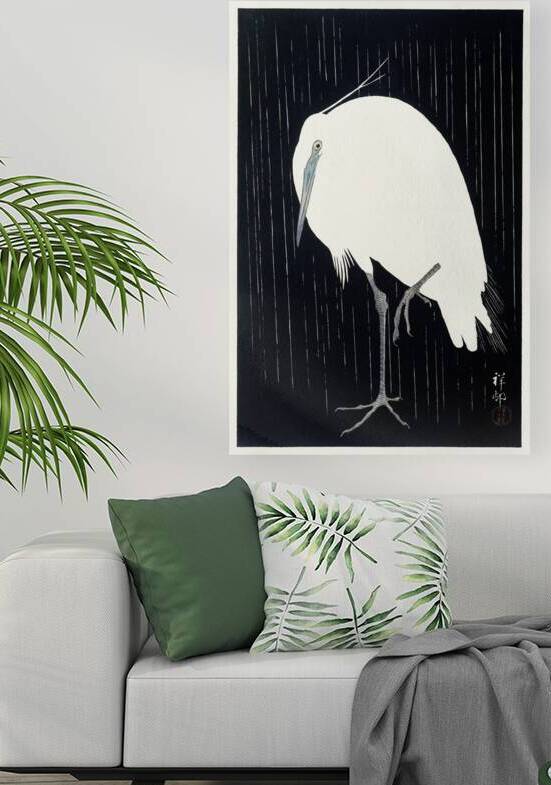
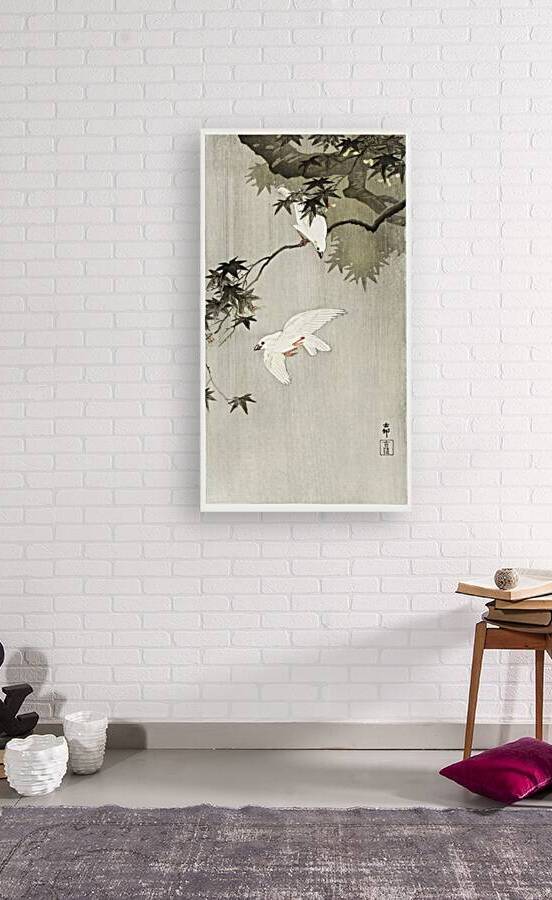
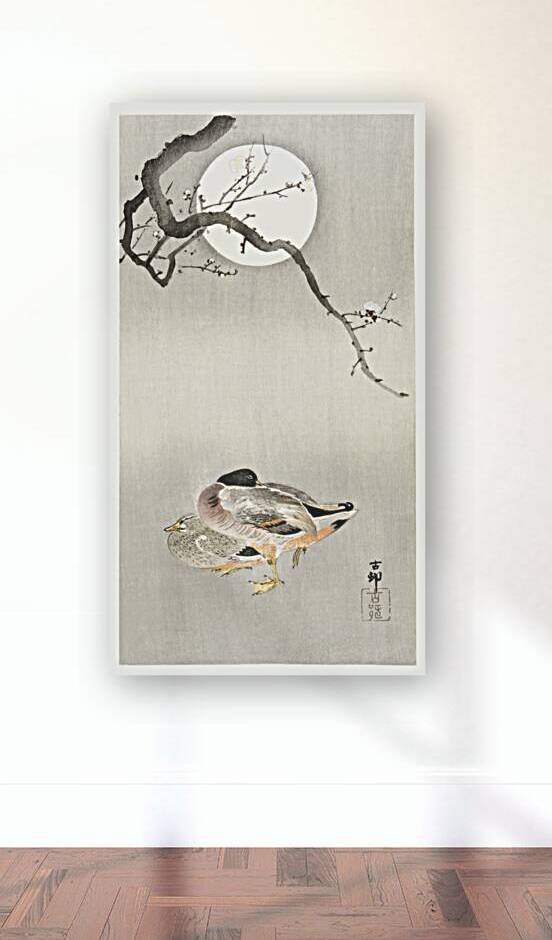
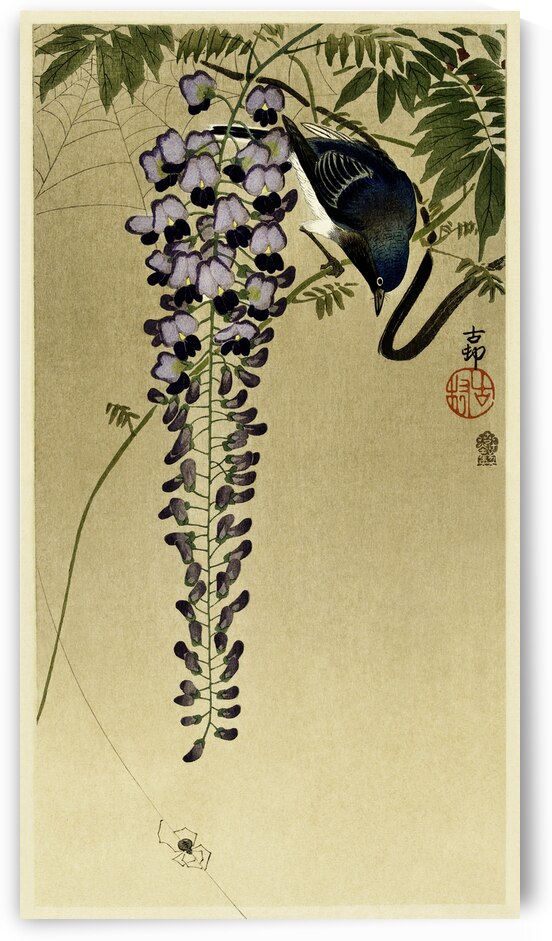
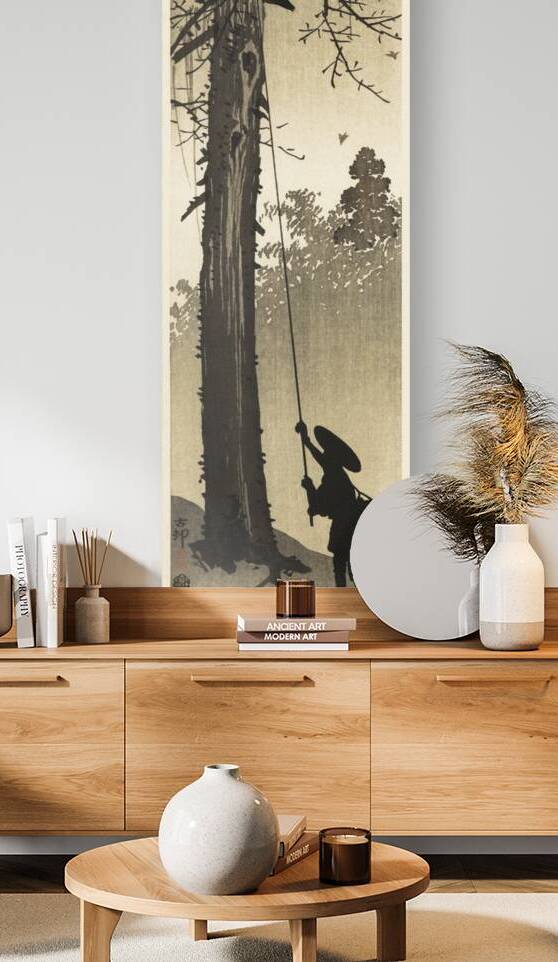
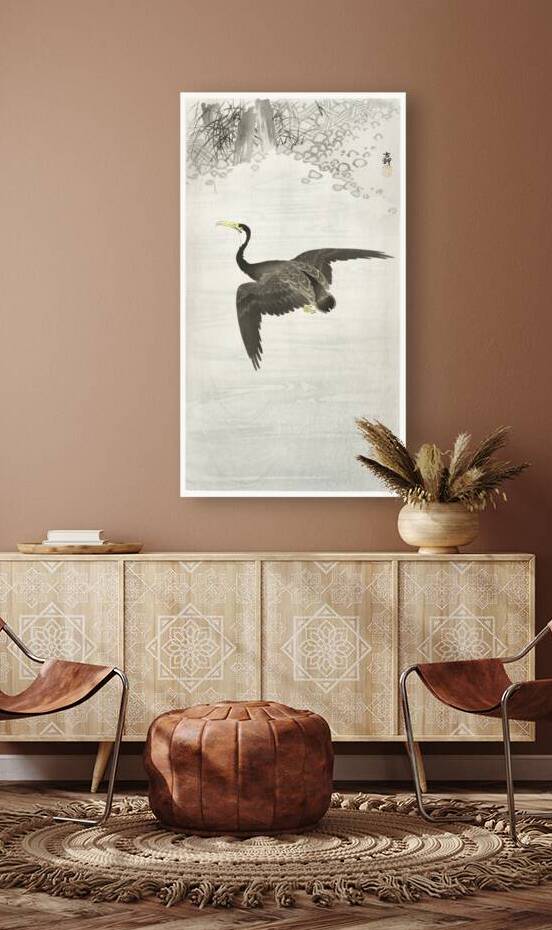
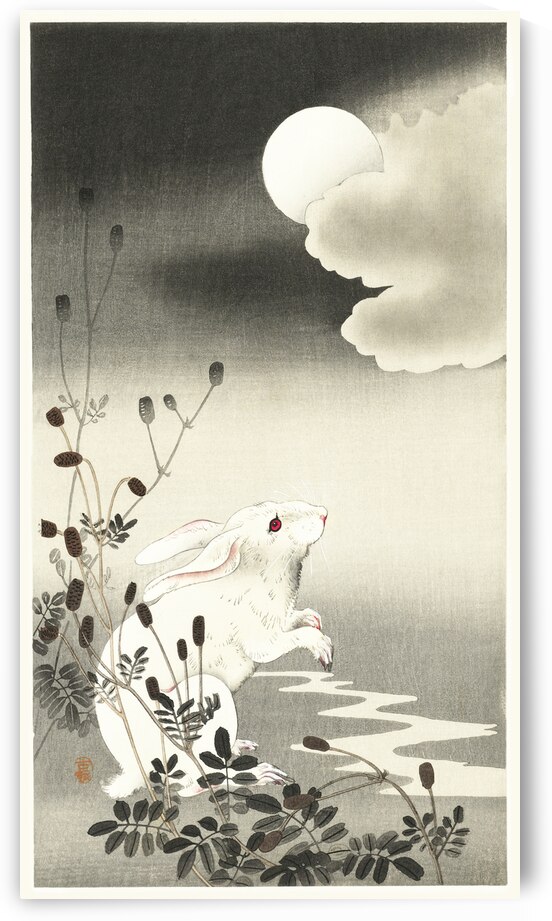
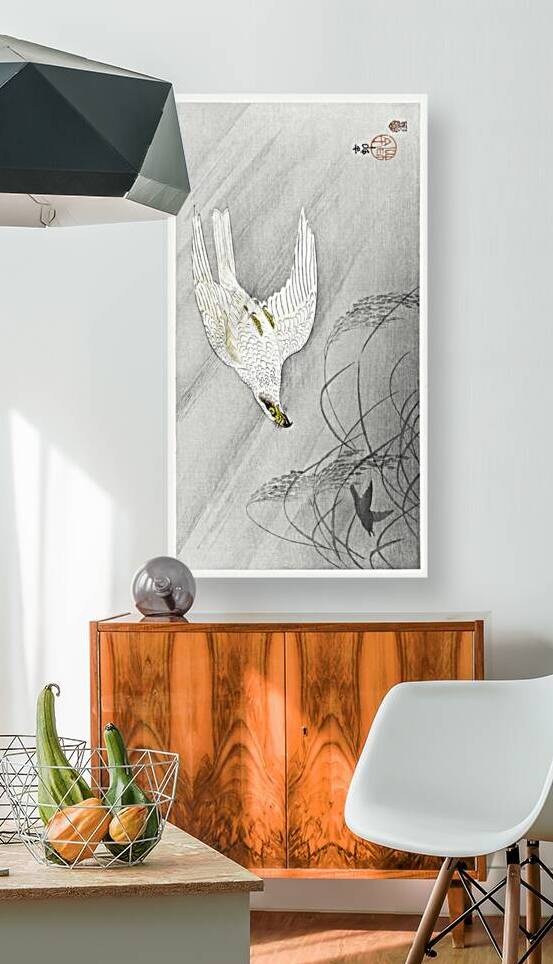
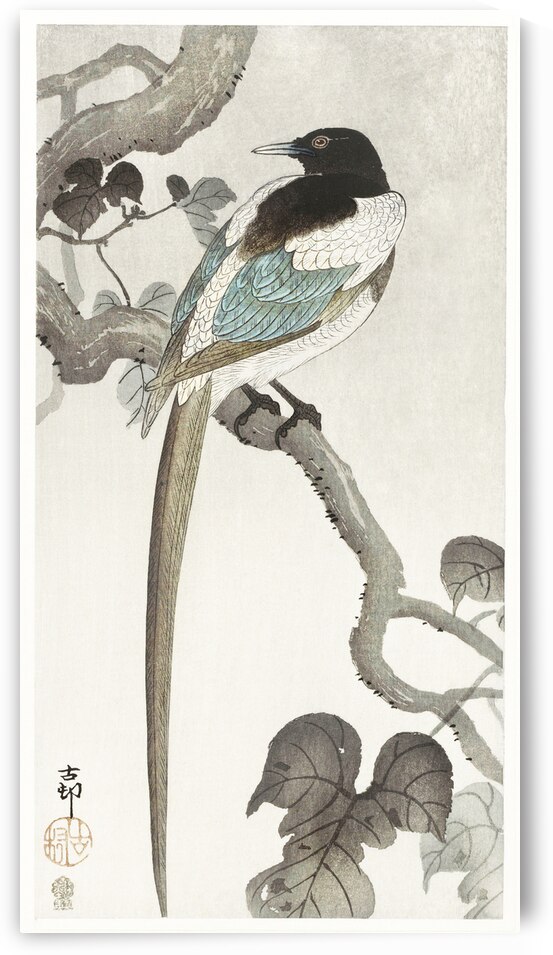
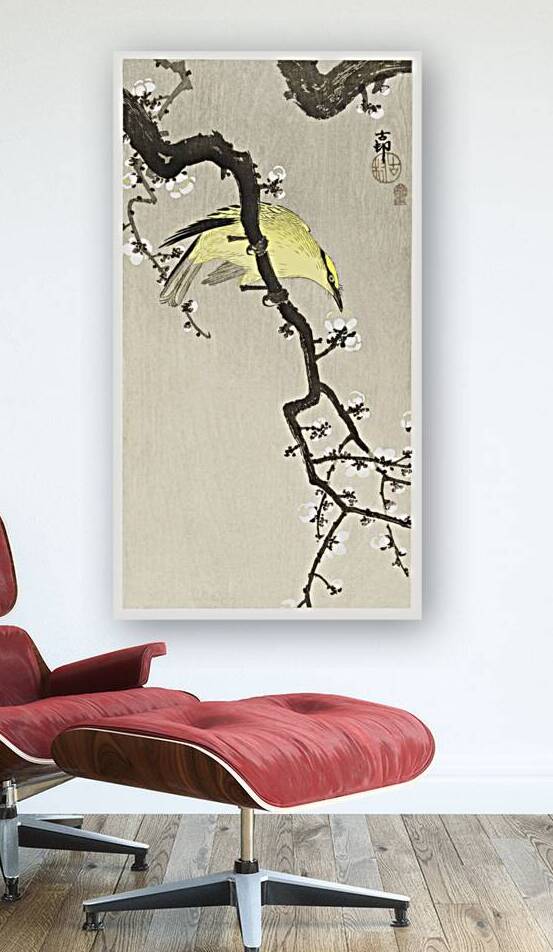
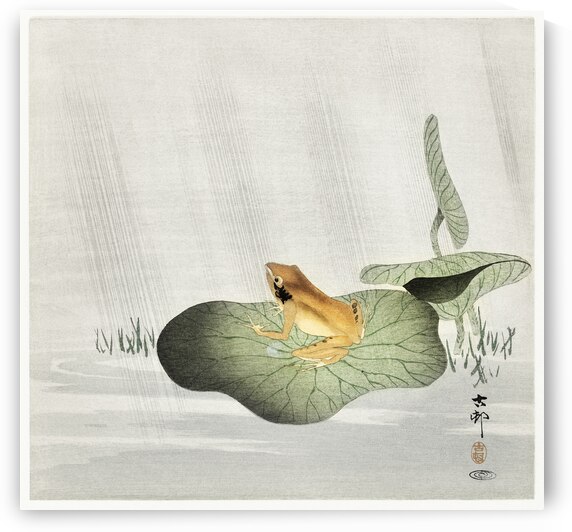
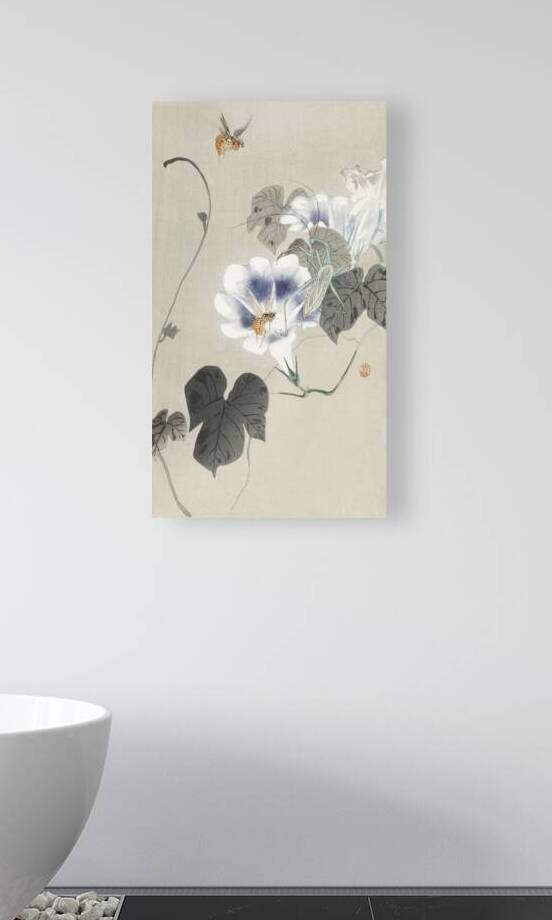
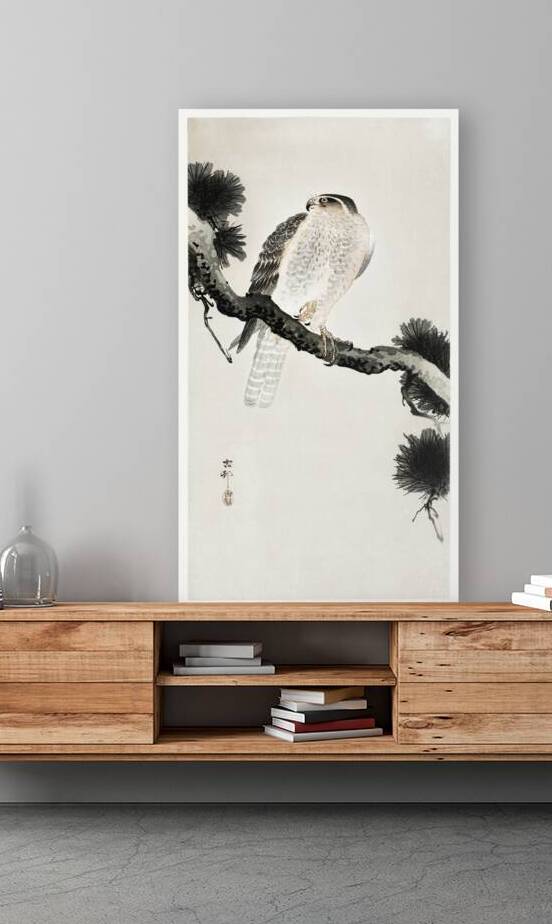
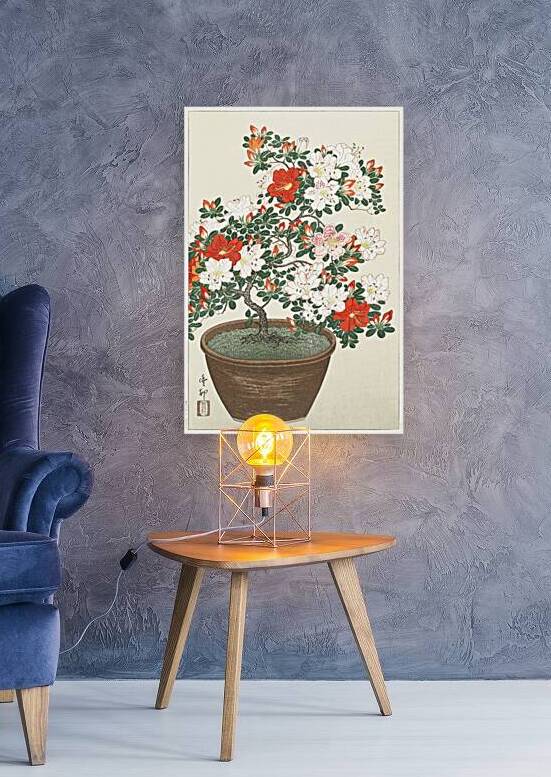
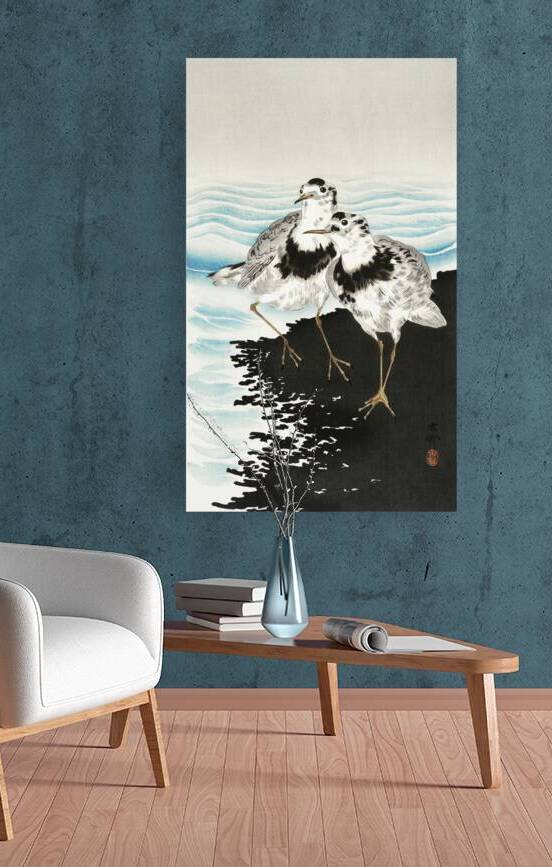
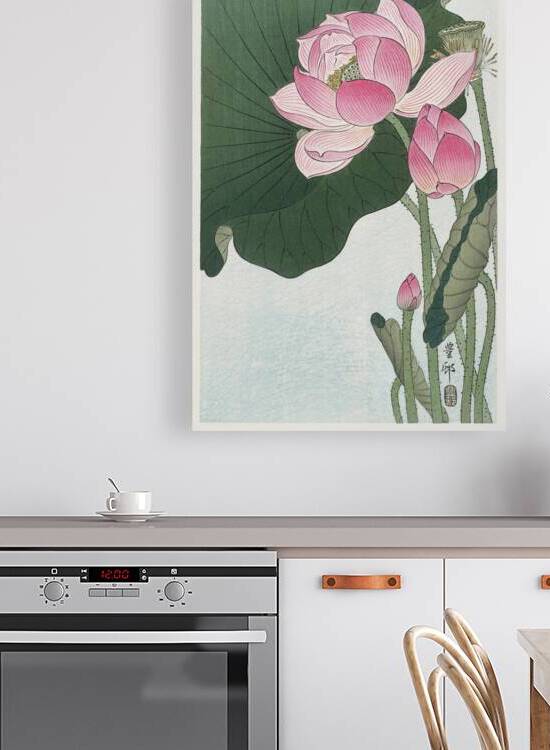
Famed for his mastery of kach?-e a genre of art that focuses on depictions of birds and flowers Ohara Koson left an indelible mark on the art world. Over the course of his prolific career he created approximately 500 prints each bearing the distinctive touch of his creative brilliance.
Ohara Koson's artistic identity evolved throughout his life and he adopted three different titles under which he produced his remarkable works: Ohara H?son ???? Ohara Sh?son ???? and Ohara Koson. These variations in nomenclature reflect not only the dynamic nature of his artistic expression but also the rich tapestry of influences that shaped his oeuvre.
His contribution to the shinsaku-hanga movement which sought to modernize traditional Japanese woodblock printing techniques and the shin-hanga movement which blended traditional style with new themes showcased Ohara Koson's ability to navigate the delicate balance between preserving artistic heritage and embracing innovation.
Ohara Koson's legacy endures not only through the sheer volume of his creations but also through the timeless beauty and delicacy captured in each print. His bird-and-flower designs continue to enchant art enthusiasts providing a glimpse into the natural world as interpreted through the lens of a masterful Japanese artist. From the bustling urban landscape of Tokyo to the serene beauty of the Japanese countryside Ohara Koson's prints remain a testament to his skillful craftsmanship and his profound connection to the ever-changing world around him.
As a pioneer of Japanese woodblock printing in the early 20th century Ohara Koson's influence reverberates through the annals of art history leaving an enduring legacy that transcends cultural and temporal boundaries.
Ohara Koson also known as Ohara H?son and Ohara Sh?son was a distinguished Japanese painter and woodblock print designer born in Kanazawa in 1877. His artistic journey unfolded during the dynamic transition from the late 19th to the early 20th centuries placing him at the forefront of the shinsaku-hanga and shin-hanga art movements in Japan.
Famed for his mastery of kach?-e a genre of art that focuses on depictions of birds and flowers Ohara Koson left an indelible mark on the art world. Over the course of his prolific career he created approximately 500 prints each bearing the distinctive touch of his creative brilliance.
Ohara Koson's artistic identity evolved throughout his life and he adopted three different titles under which he produced his remarkable works: Ohara H?son ???? Ohara Sh?son ???? and Ohara Koson. These variations in nomenclature reflect not only the dynamic nature of his artistic expression but also the rich tapestry of influences that shaped his oeuvre.
His contribution to the shinsaku-hanga movement which sought to modernize traditional Japanese woodblock printing techniques and the shin-hanga movement which blended traditional style with new themes showcased Ohara Koson's ability to navigate the delicate balance between preserving artistic heritage and embracing innovation.
Ohara Koson's legacy endures not only through the sheer volume of his creations but also through the timeless beauty and delicacy captured in each print. His bird-and-flower designs continue to enchant art enthusiasts providing a glimpse into the natural world as interpreted through the lens of a masterful Japanese artist. From the bustling urban landscape of Tokyo to the serene beauty of the Japanese countryside Ohara Koson's prints remain a testament to his skillful craftsmanship and his profound connection to the ever-changing world around him.
As a pioneer of Japanese woodblock printing in the early 20th century Ohara Koson's influence reverberates through the annals of art history leaving an enduring legacy that transcends cultural and temporal boundaries.