

 19973
19973
John James Audubon (born Jean-Jacques Rabin; April 26, 1785 – January 27, 1851)
John James Audubon, born Jean-Jacques Rabin on April 26, 1785, and leaving a lasting legacy until his passing on January 27, 1851, was a remarkable painter and naturalist whose name is etched in history as one of the preeminent bird artists of all time. His life's work culminated in the creation of "The Birds of America," an extraordinary testament to his unyielding commitment to capturing the avian wonders of North America.
A Passionate Naturalist and Artist
Audubon's lifelong passion for the natural world began in his early years. He once expressed an almost mystical connection to birds, stating, "I felt an intimacy with them...bordering on frenzy [that] must accompany my steps through life." His father, Lieutenant Jean Audubon, recognized and encouraged his son's budding interest in nature. Even during the tumultuous years of the French Revolution and its aftermath, young Audubon's fascination with the world around him continued to grow.
As he matured in France, Audubon not only became a skilled musician, proficient in playing the flute and violin, but also developed his physical abilities in riding, fencing, and dancing. His love for the outdoors led him to explore the woods and fields, where he collected natural curiosities, including birds' eggs and nests, often creating rudimentary drawings of these discoveries.
A Change of Course
Audubon's father initially envisioned a seafaring career for his son, sending him to military school and later as a cabin boy. However, the young Audubon soon realized that he was susceptible to seasickness and lacked enthusiasm for navigation and mathematics. His brief naval career came to an end after he failed the officer's qualification test. Audubon returned to his true passion—the natural world—with newfound zeal.
Emigration to the United States and Transformation
At the age of 18, Audubon embarked on a transformative journey when he boarded a ship in 1803 to immigrate to the United States. He embraced a new identity with an anglicized name, John James Audubon. His arrival in the U.S. marked the beginning of a lifelong quest to document the nation's diverse birdlife.
The Magnificent "Birds of America"
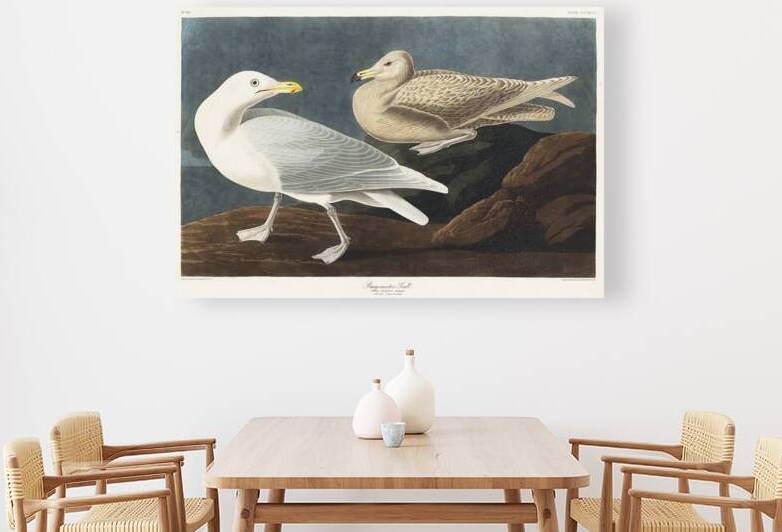
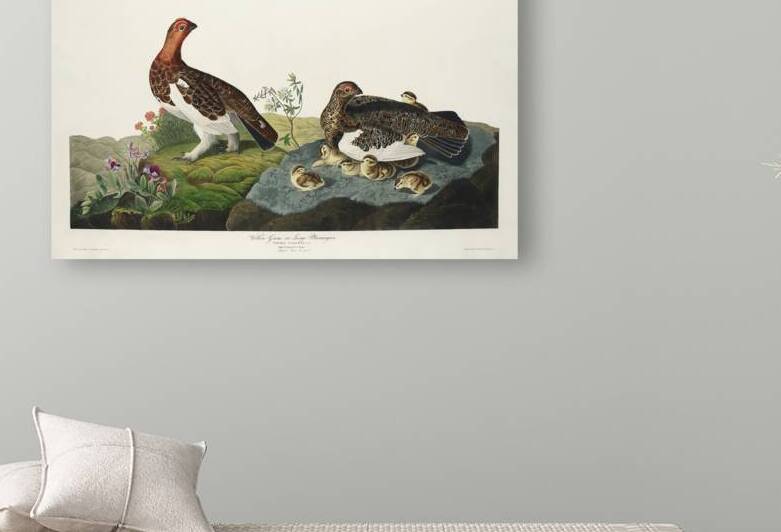
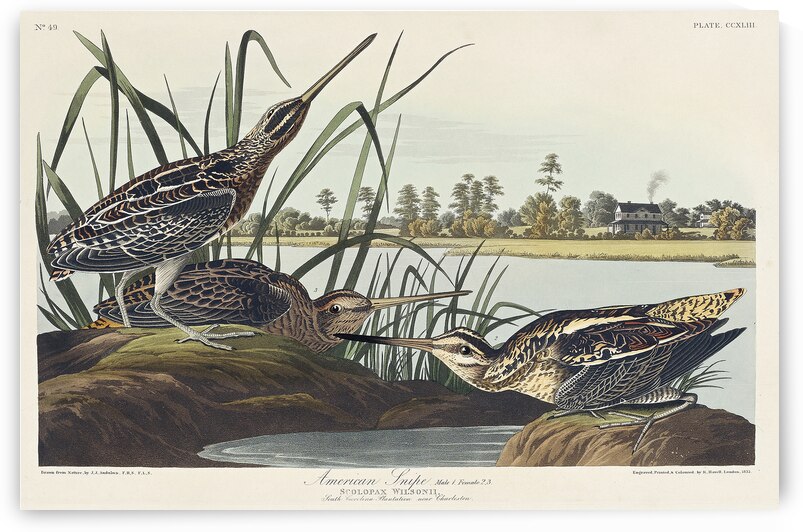
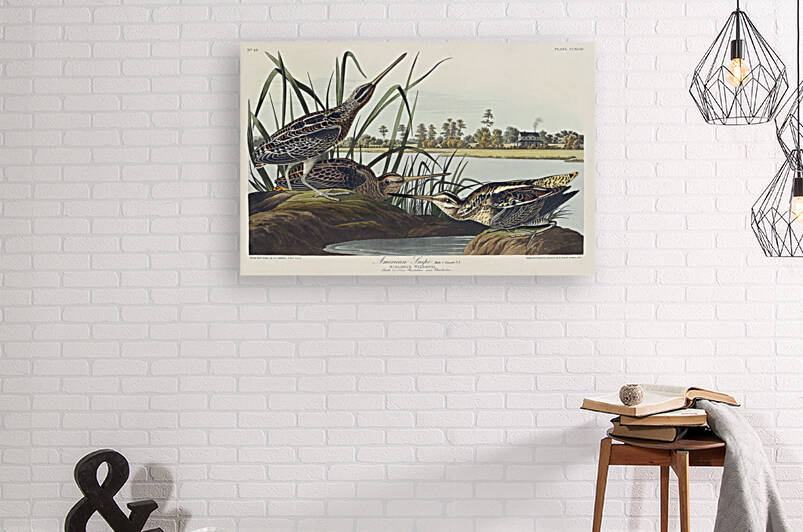
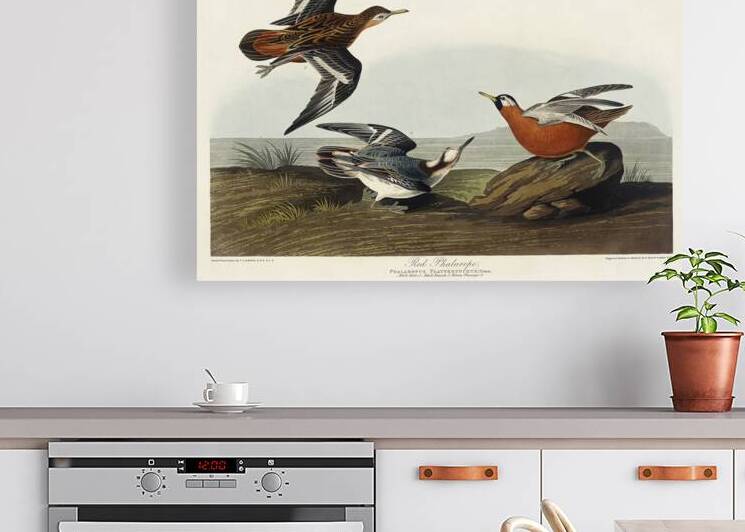
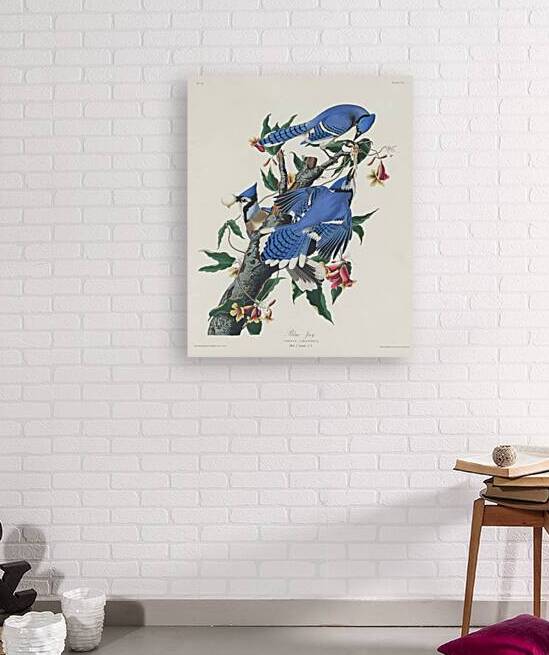
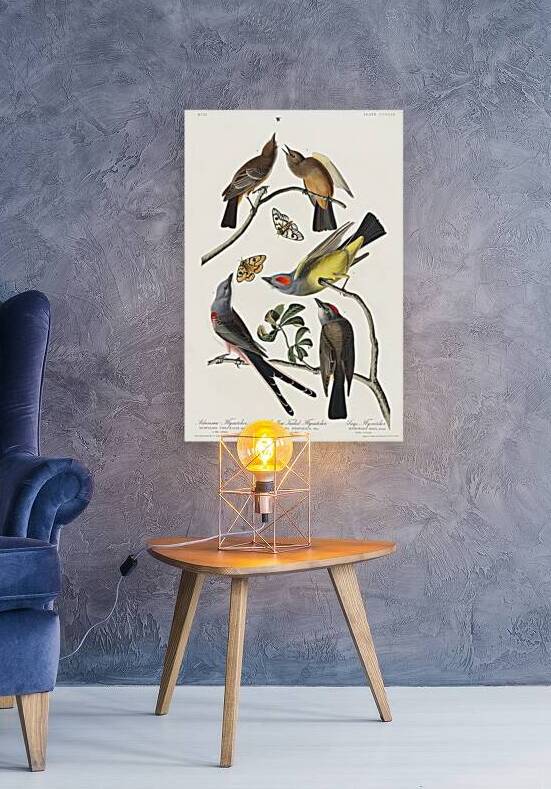
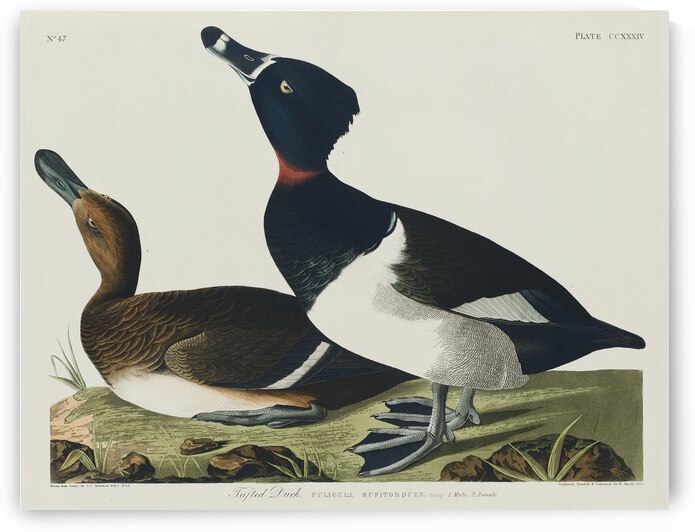
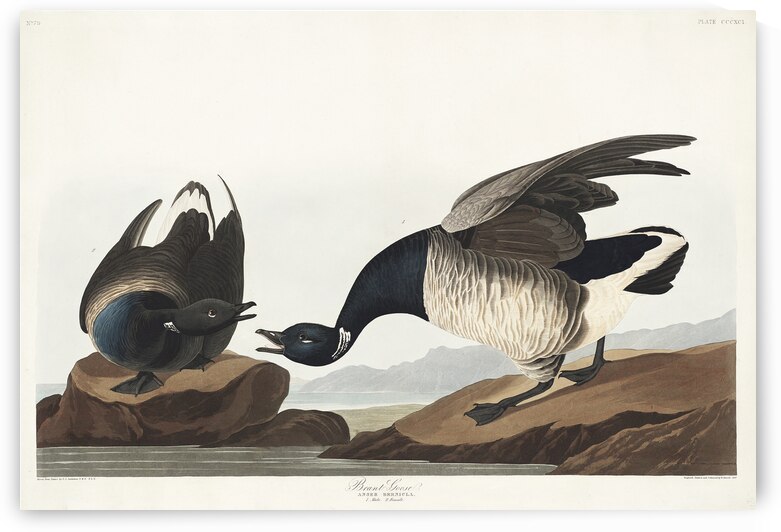
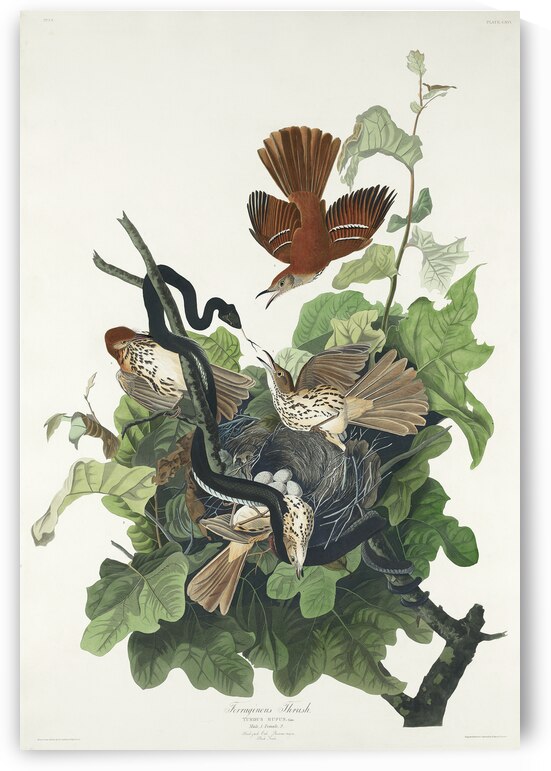
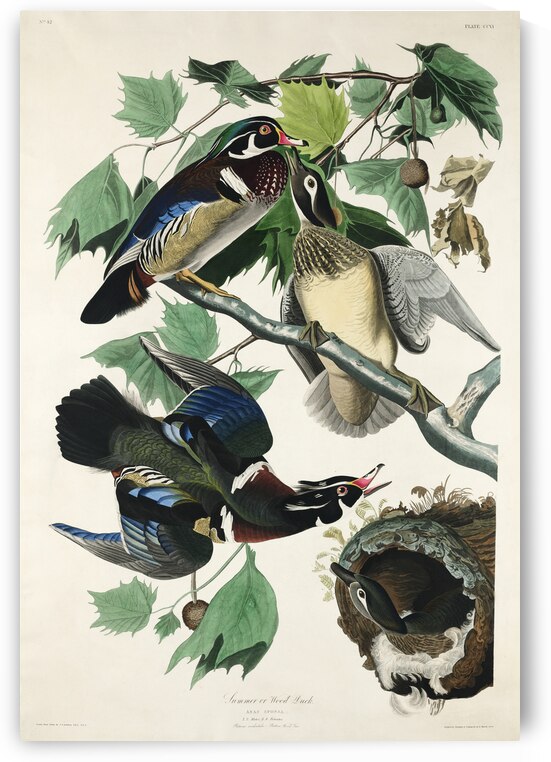
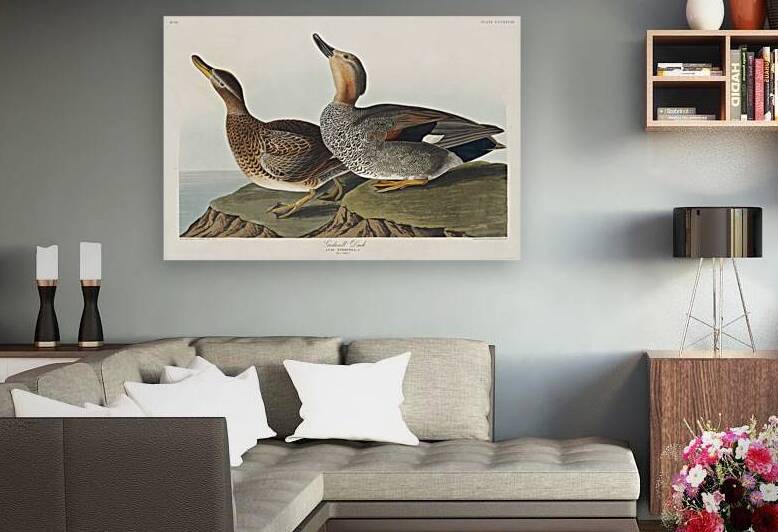
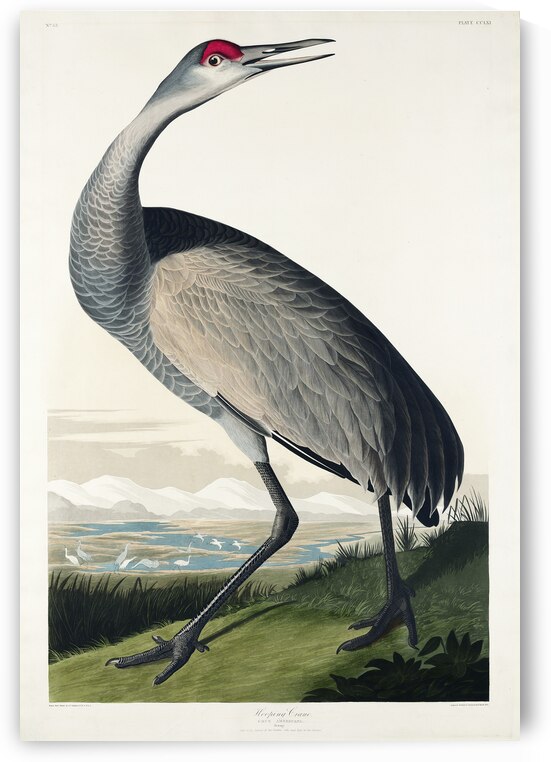
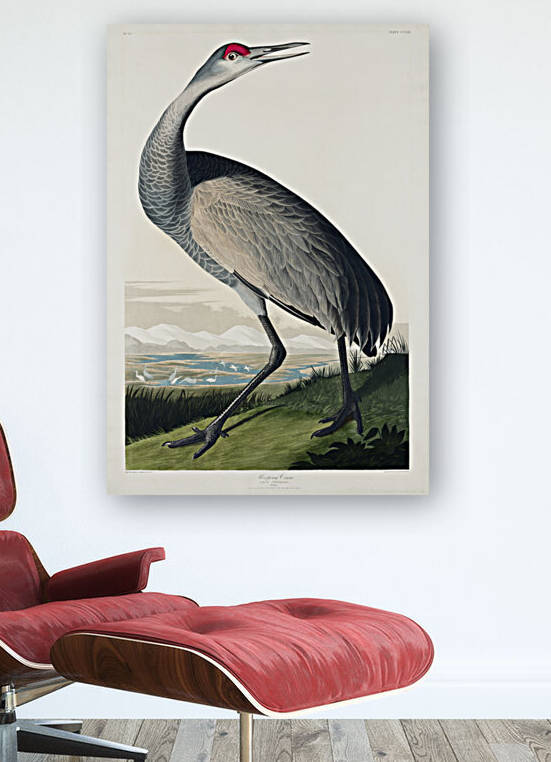
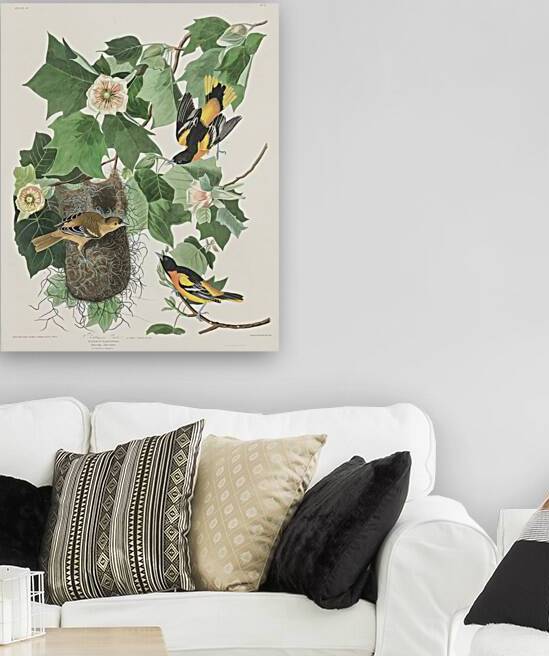
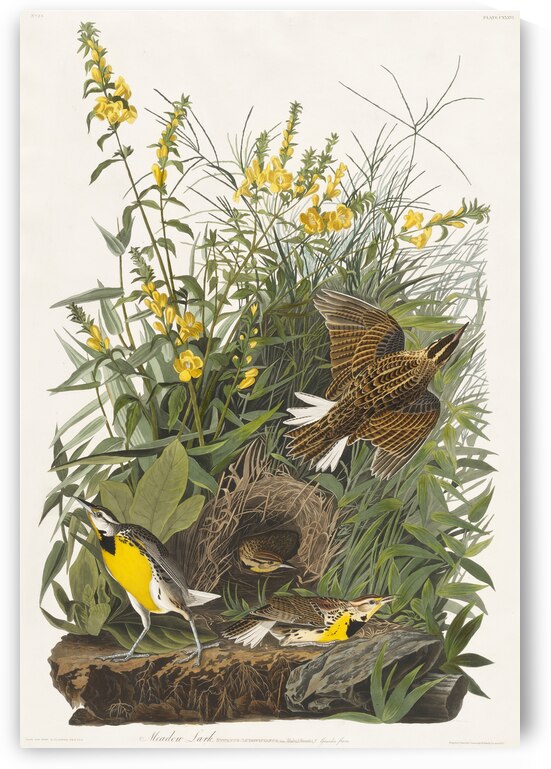
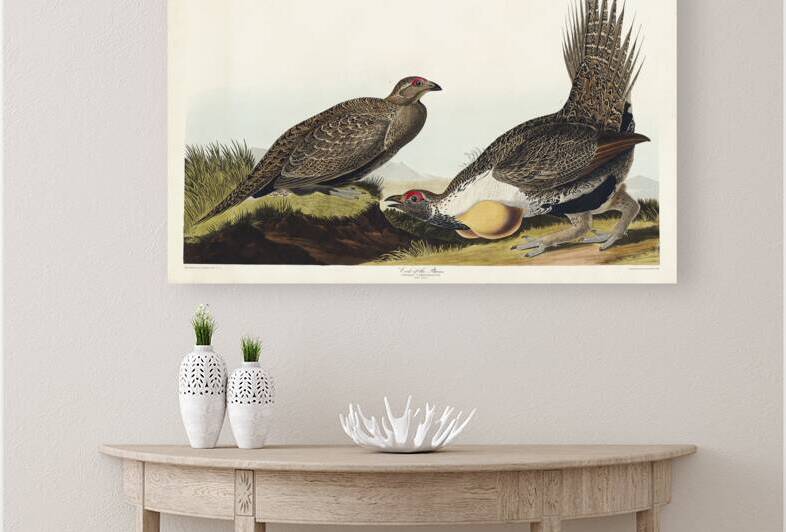
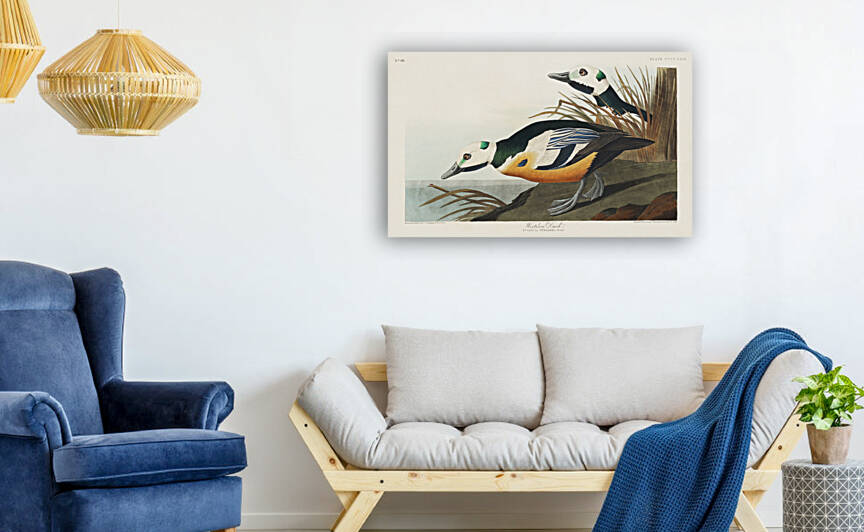
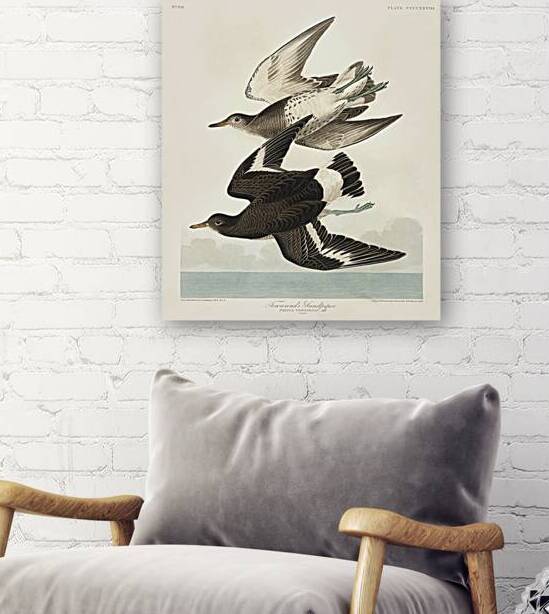
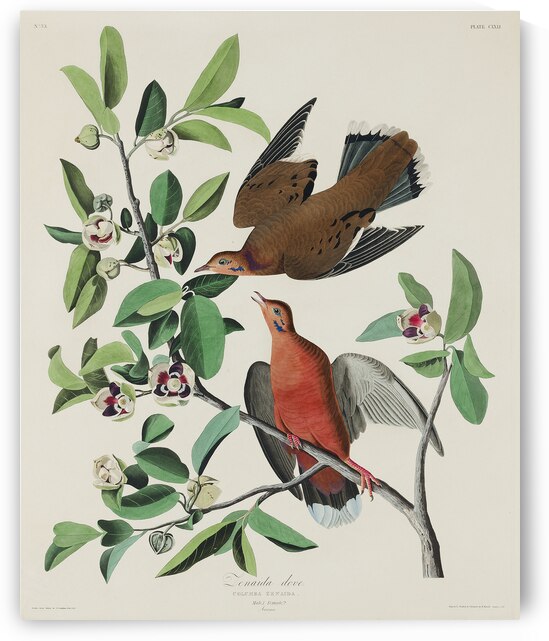
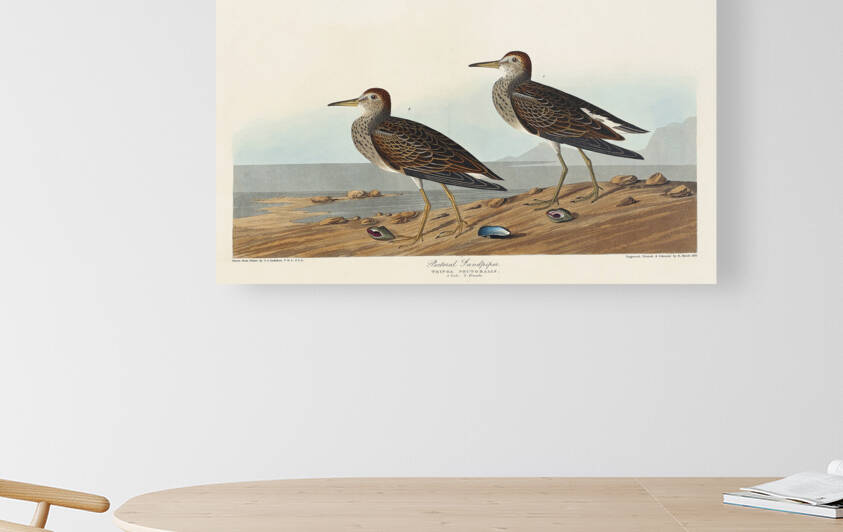
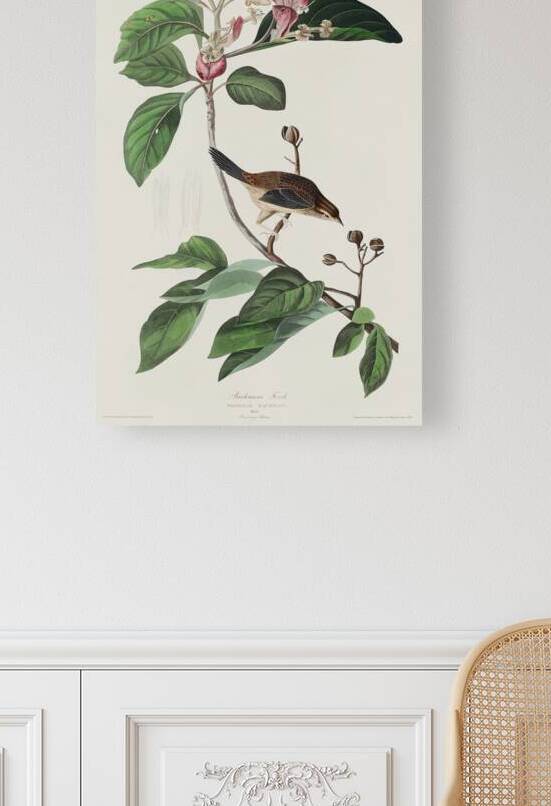
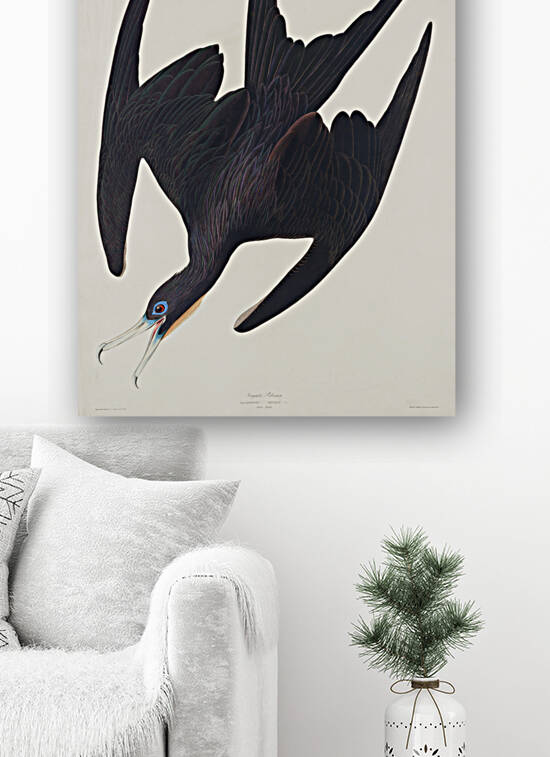
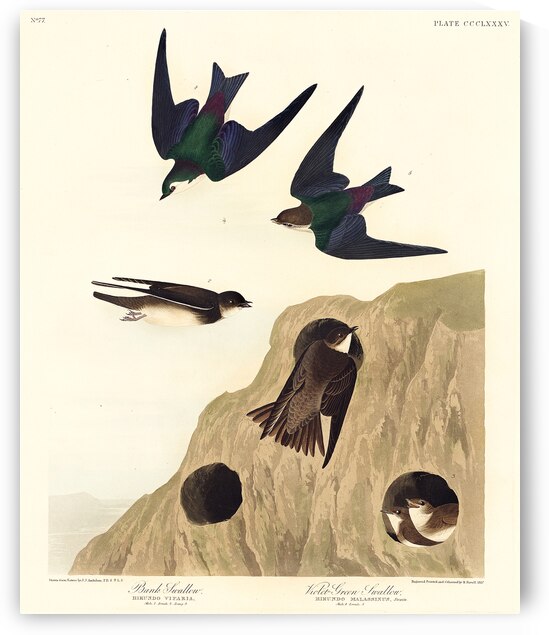
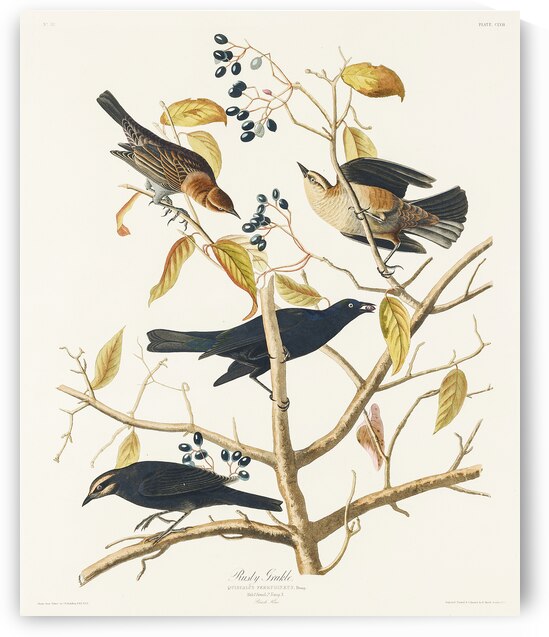
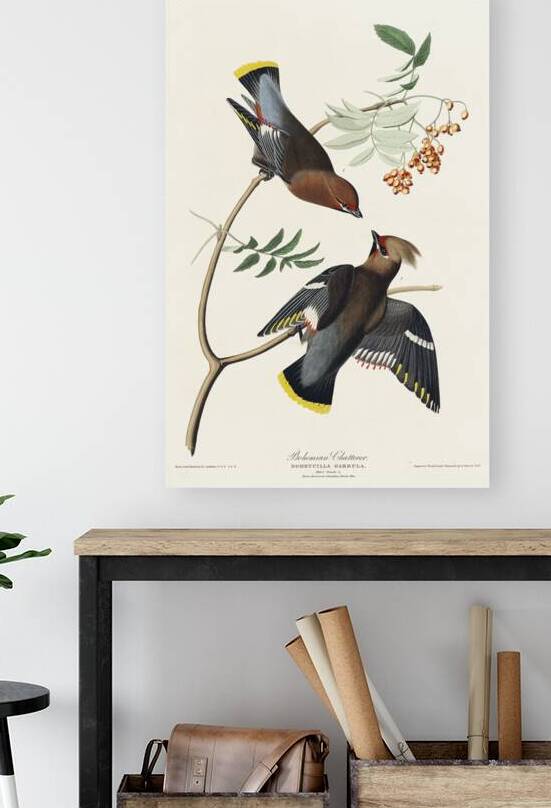
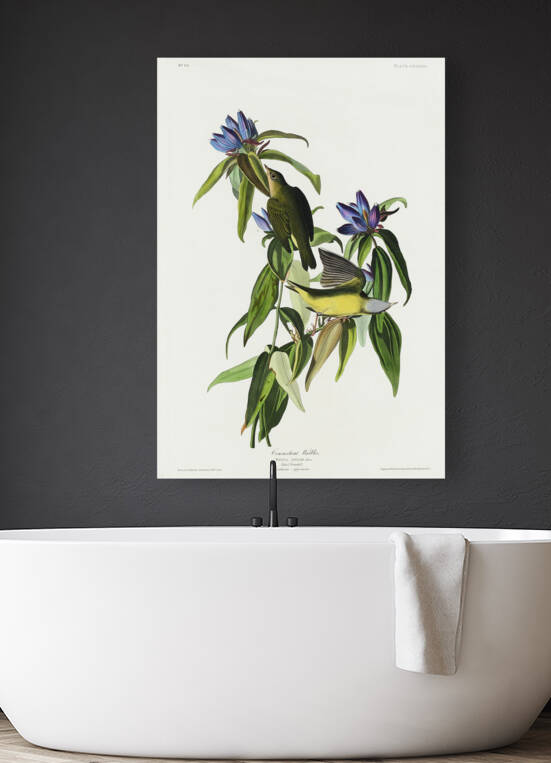
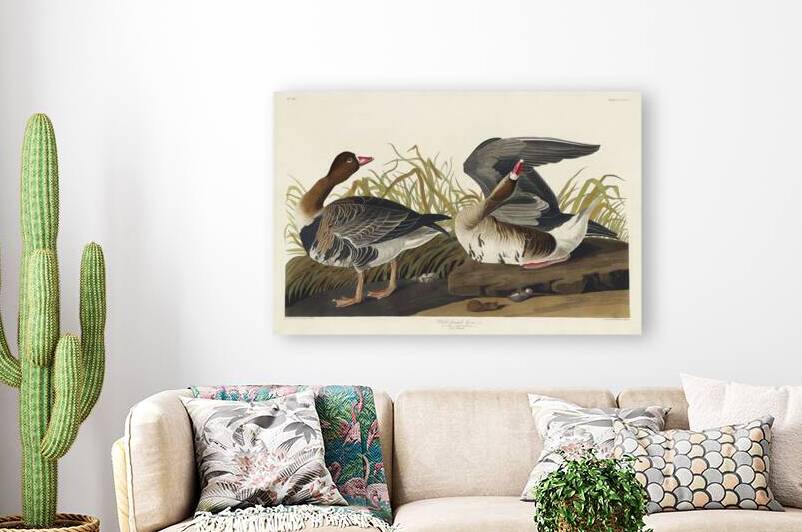
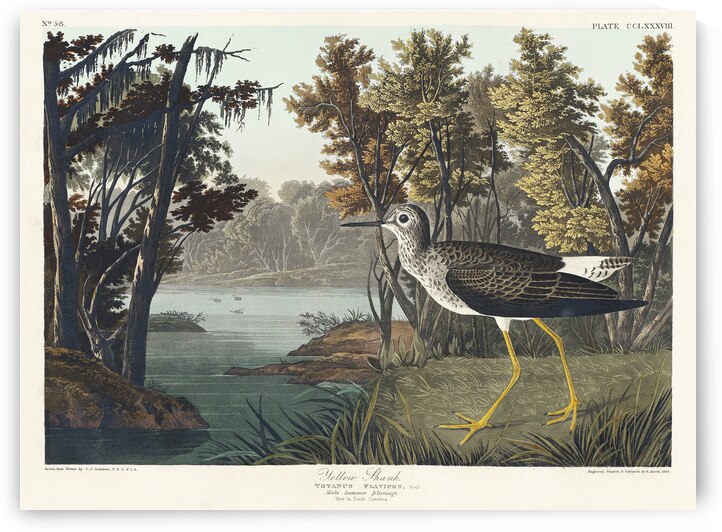
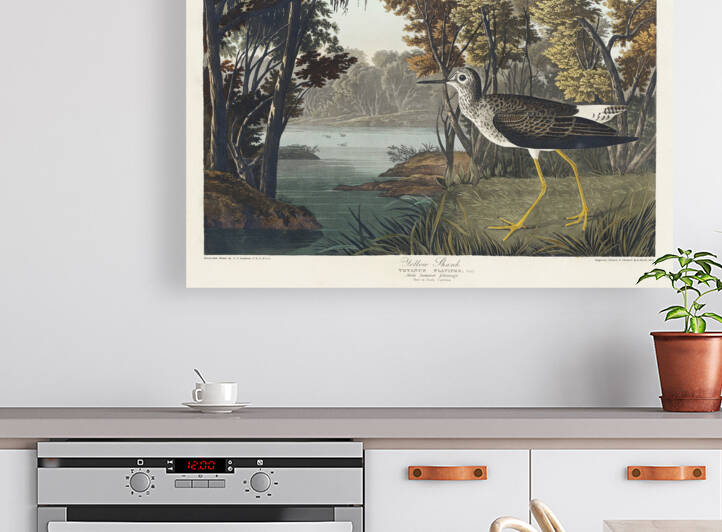
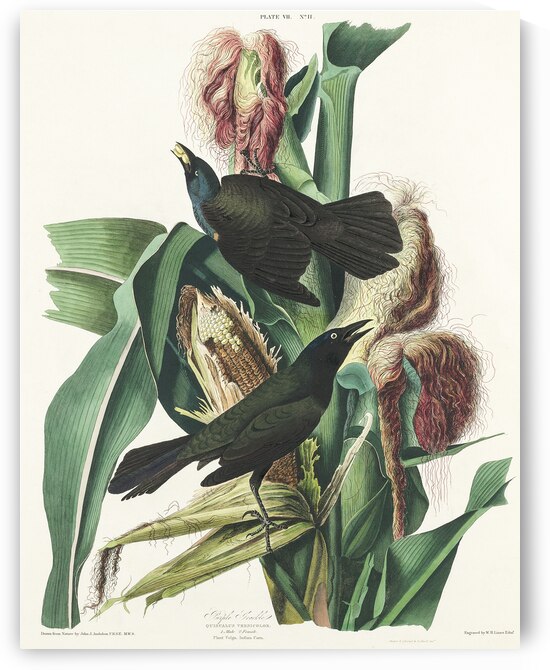
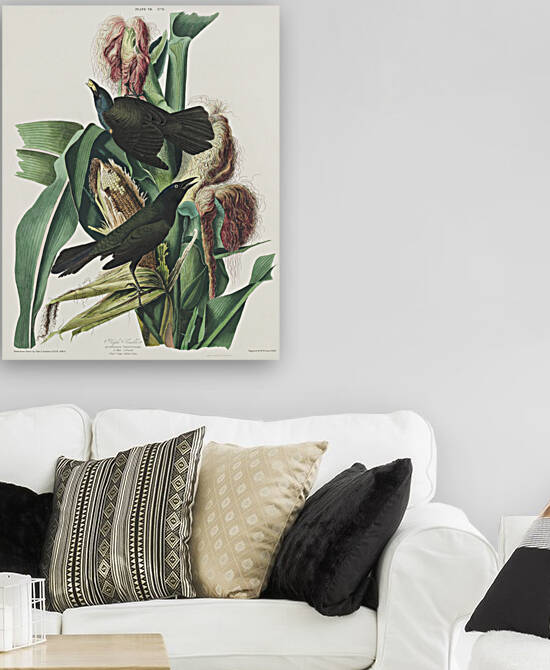
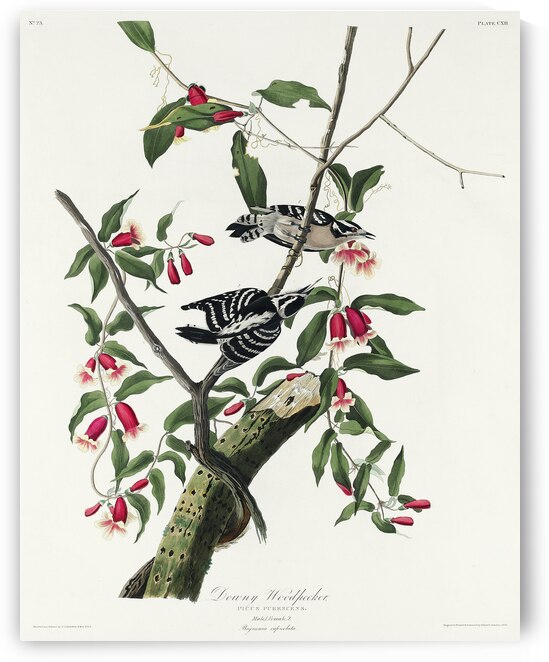
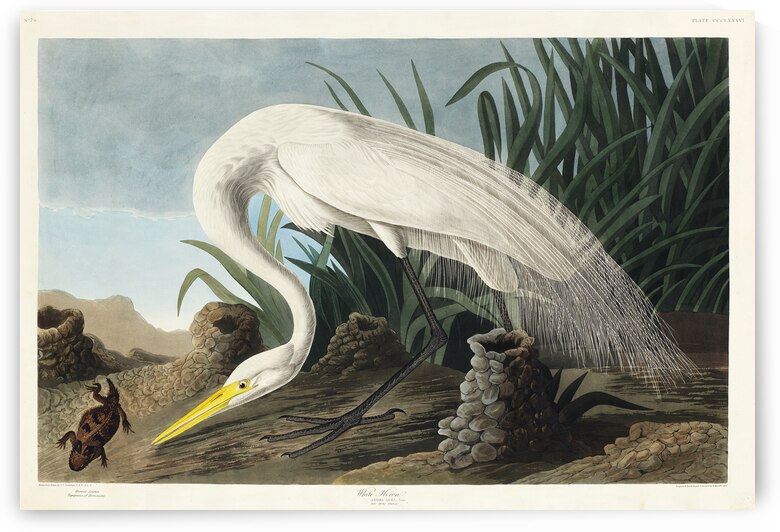
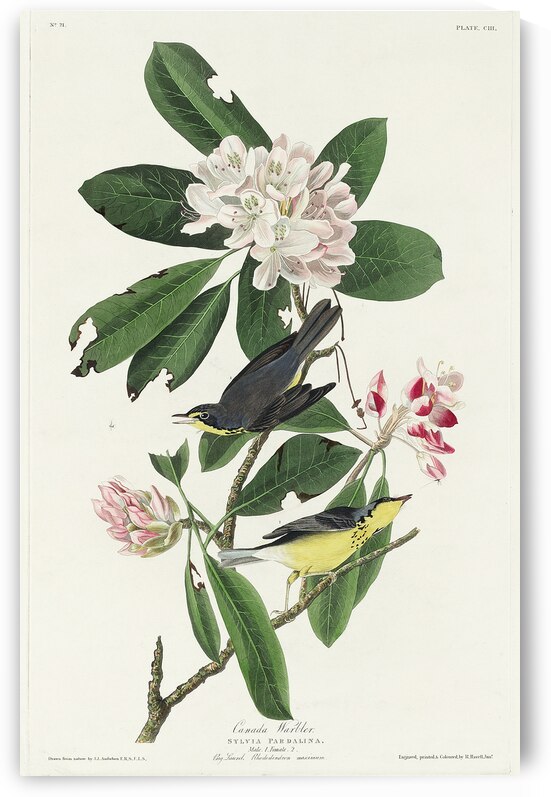
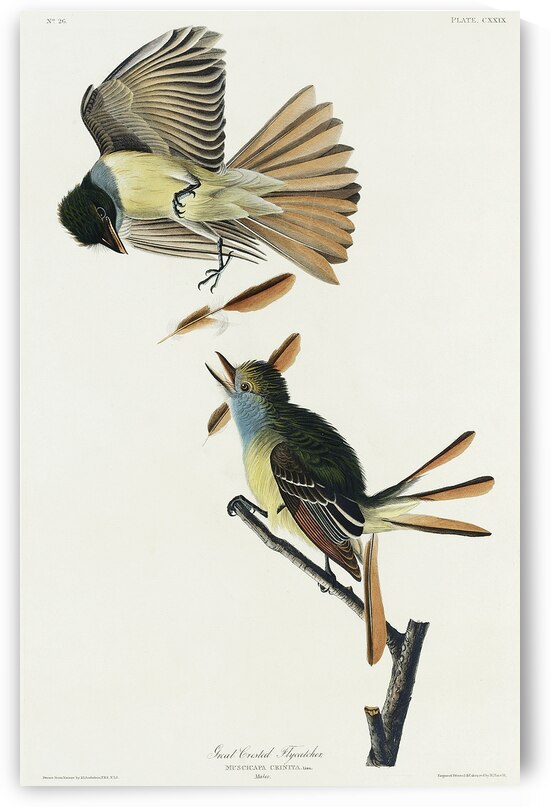
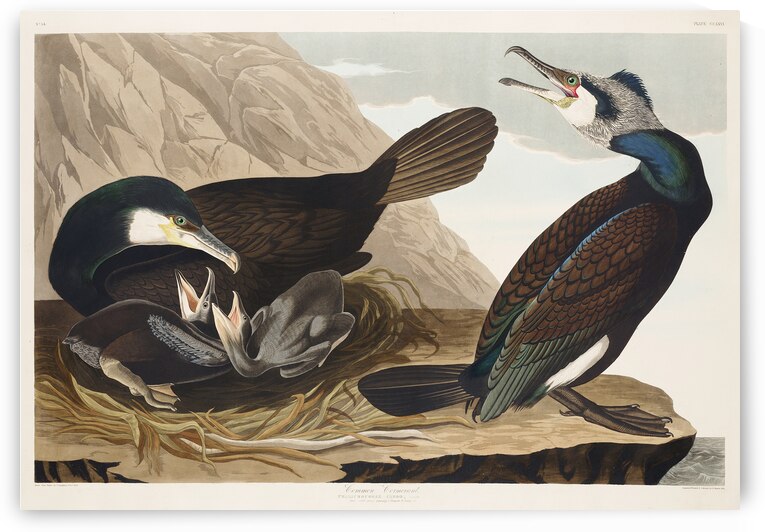
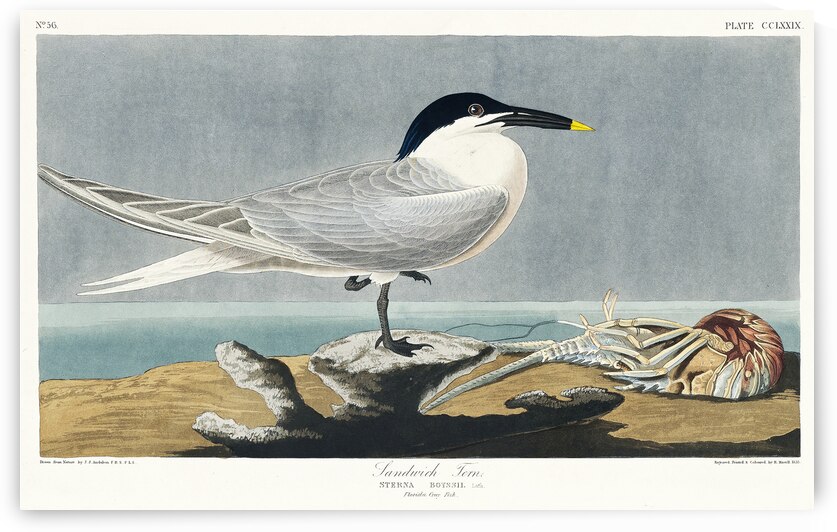
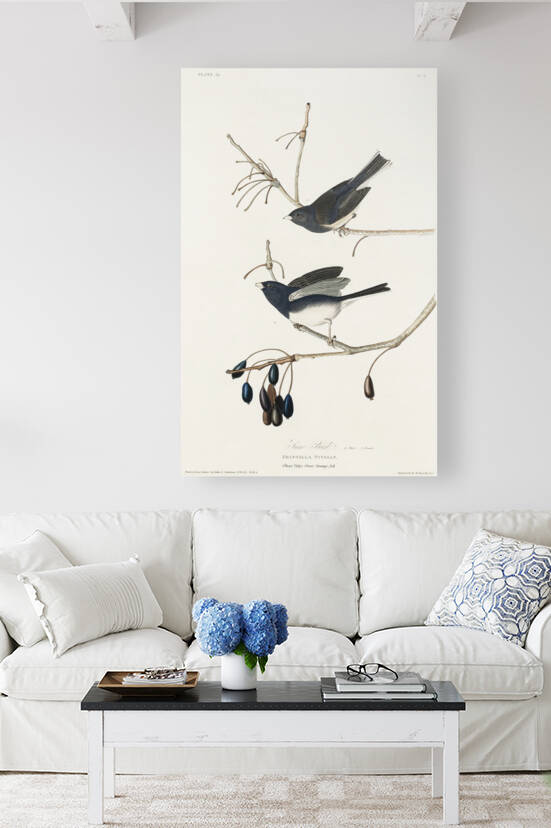
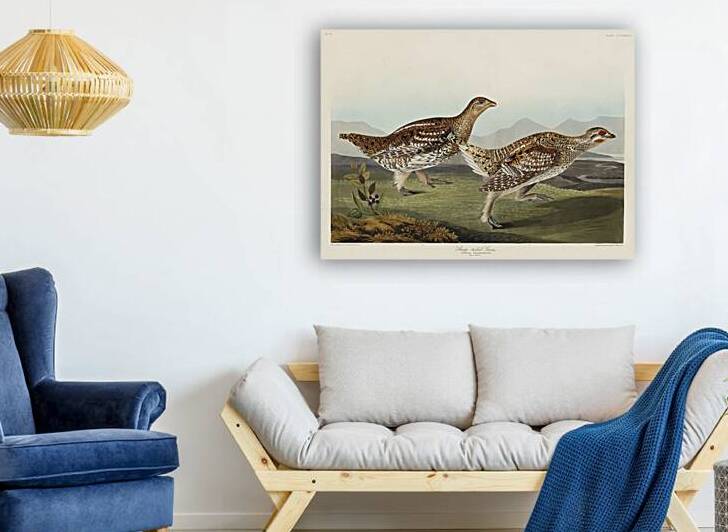
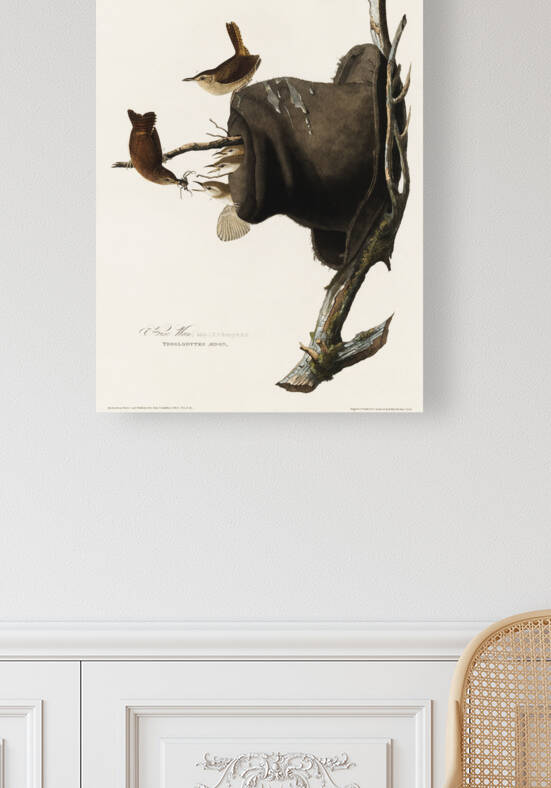
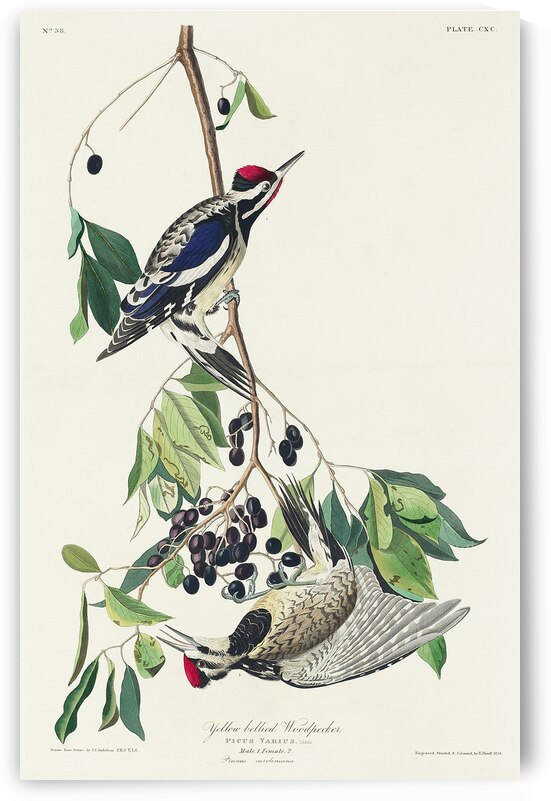
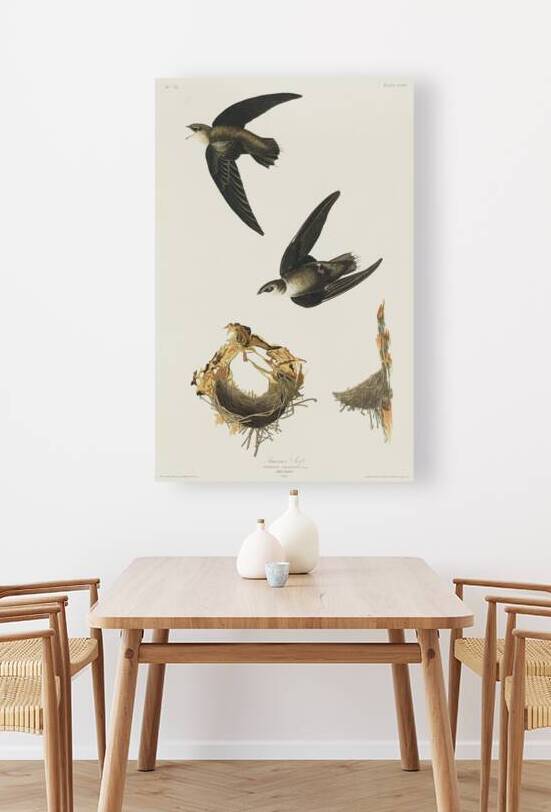
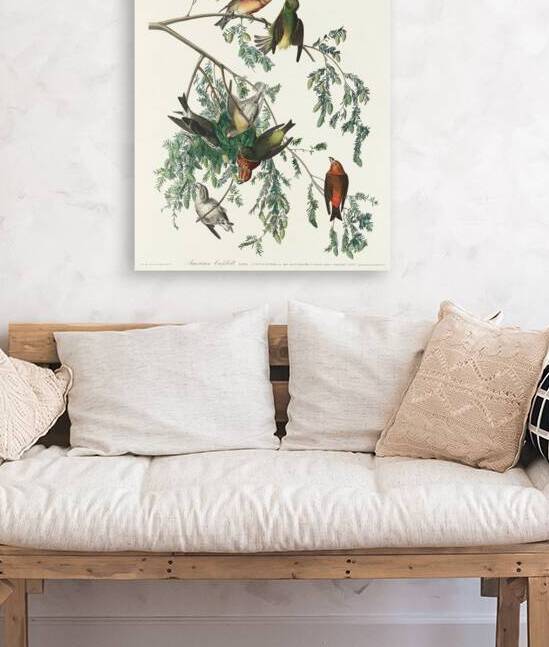
Audubon's most enduring achievement is undoubtedly "The Birds of America," a monumental work published between 1827 and 1839. This magnum opus featured 435 life-sized hand-colored engravings of North American birds and is considered one of the finest ornithological works ever completed. Audubon's meticulous illustrations not only showcased the beauty of these creatures but also depicted them in their natural habitats.
His dedication to documenting American birds led to the identification of 25 new species. Audubon's work not only enriched our understanding of avian life but also contributed significantly to the broader field of natural history.
Legacy and Impact
John James Audubon's legacy endures through his artistic contributions, scientific discoveries, and unwavering passion for nature. His name is synonymous with the preservation and celebration of North American wildlife. Audubon's life and work serve as an enduring source of inspiration for generations of naturalists, artists, and conservationists, reminding us of the profound beauty and importance of the natural world.
As you explore Audubon's artistry and the rich tapestry of North American birds within the pages of "The Birds of America," you embark on a journey of discovery, guided by the keen eye and boundless enthusiasm of this extraordinary naturalist.
John James Audubon, born Jean-Jacques Rabin on April 26, 1785, and leaving a lasting legacy until his passing on January 27, 1851, was a remarkable painter and naturalist whose name is etched in history as one of the preeminent bird artists of all time. His life's work culminated in the creation of "The Birds of America," an extraordinary testament to his unyielding commitment to capturing the avian wonders of North America.
A Passionate Naturalist and Artist
Audubon's lifelong passion for the natural world began in his early years. He once expressed an almost mystical connection to birds, stating, "I felt an intimacy with them...bordering on frenzy [that] must accompany my steps through life." His father, Lieutenant Jean Audubon, recognized and encouraged his son's budding interest in nature. Even during the tumultuous years of the French Revolution and its aftermath, young Audubon's fascination with the world around him continued to grow.
As he matured in France, Audubon not only became a skilled musician, proficient in playing the flute and violin, but also developed his physical abilities in riding, fencing, and dancing. His love for the outdoors led him to explore the woods and fields, where he collected natural curiosities, including birds' eggs and nests, often creating rudimentary drawings of these discoveries.
A Change of Course
Audubon's father initially envisioned a seafaring career for his son, sending him to military school and later as a cabin boy. However, the young Audubon soon realized that he was susceptible to seasickness and lacked enthusiasm for navigation and mathematics. His brief naval career came to an end after he failed the officer's qualification test. Audubon returned to his true passion—the natural world—with newfound zeal.
Emigration to the United States and Transformation
At the age of 18, Audubon embarked on a transformative journey when he boarded a ship in 1803 to immigrate to the United States. He embraced a new identity with an anglicized name, John James Audubon. His arrival in the U.S. marked the beginning of a lifelong quest to document the nation's diverse birdlife.
The Magnificent "Birds of America"
Audubon's most enduring achievement is undoubtedly "The Birds of America," a monumental work published between 1827 and 1839. This magnum opus featured 435 life-sized hand-colored engravings of North American birds and is considered one of the finest ornithological works ever completed. Audubon's meticulous illustrations not only showcased the beauty of these creatures but also depicted them in their natural habitats.
His dedication to documenting American birds led to the identification of 25 new species. Audubon's work not only enriched our understanding of avian life but also contributed significantly to the broader field of natural history.
Legacy and Impact
John James Audubon's legacy endures through his artistic contributions, scientific discoveries, and unwavering passion for nature. His name is synonymous with the preservation and celebration of North American wildlife. Audubon's life and work serve as an enduring source of inspiration for generations of naturalists, artists, and conservationists, reminding us of the profound beauty and importance of the natural world.
As you explore Audubon's artistry and the rich tapestry of North American birds within the pages of "The Birds of America," you embark on a journey of discovery, guided by the keen eye and boundless enthusiasm of this extraordinary naturalist.