

 19973
19973
Pierre Joseph Redouté 1759-1840 : The Botanical Illustrator Extraordinaire
Introduction:
Pierre Joseph Redouté born on March 10 1759 in Saint-Hubert Belgium was a visionary botanical artist whose intricate illustrations revolutionized the world of botanical science and art. Renowned for his exceptional attention to detail and exquisite depictions of flowers Redouté's work including the illustrious Les Liliacées 1805 remains an enduring testament to his passion for the natural world.
Early Life and Artistic Beginnings:
Growing up in a modest family Redouté displayed an early aptitude for drawing and an innate love for nature. His innate talent was recognized and he began formal art training at a local monastery where he honed his skills and developed a deep appreciation for the aesthetics of the natural world. This early education would set the stage for his remarkable career.
Career and Collaboration with Marie Antoinette:
Redouté's career took a significant turn when he moved to Paris in 1782. There he was introduced to the world of botanical illustration thanks to his association with Charles Louis L'Héritier de Brutelle a prominent botanist. His talents soon caught the attention of Queen Marie Antoinette who became his patron. Redouté's close relationship with the Queen allowed him to access the royal gardens at Versailles where he gained inspiration for his botanical artistry.
Innovations in Botanical Illustration:
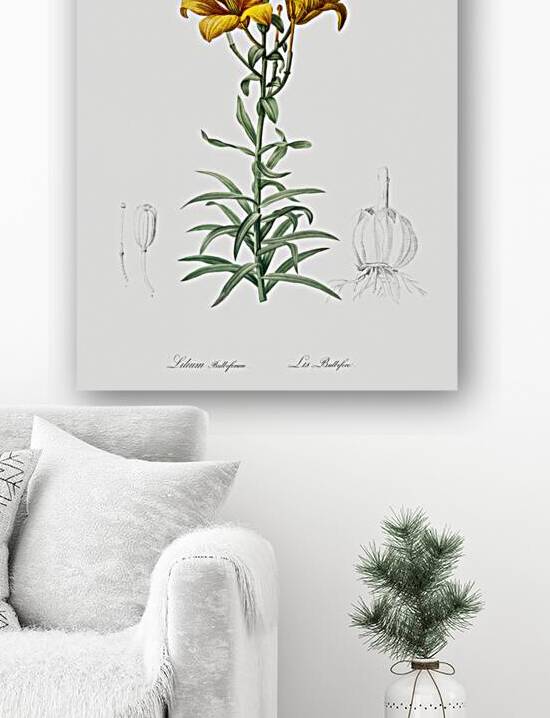
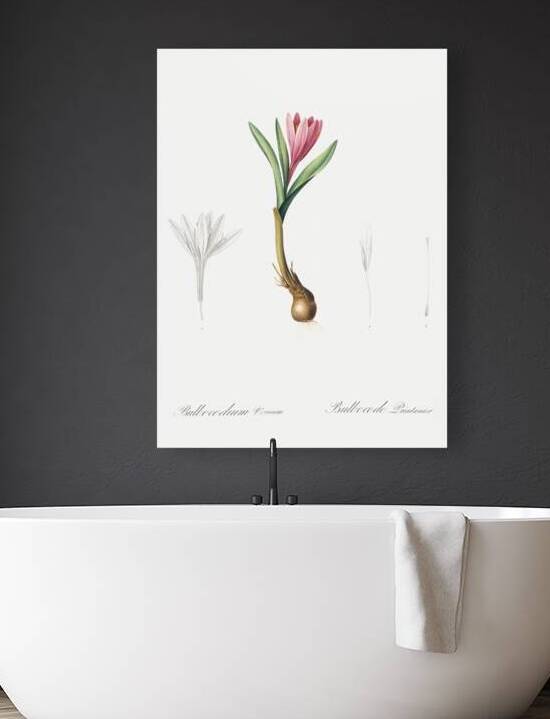
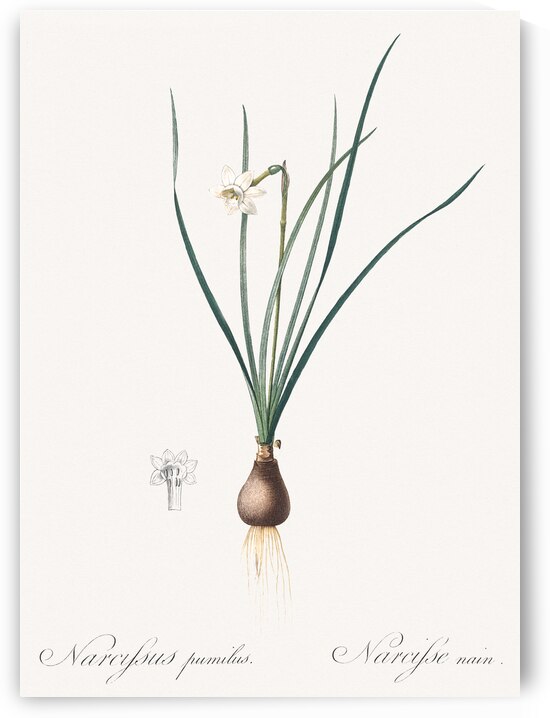
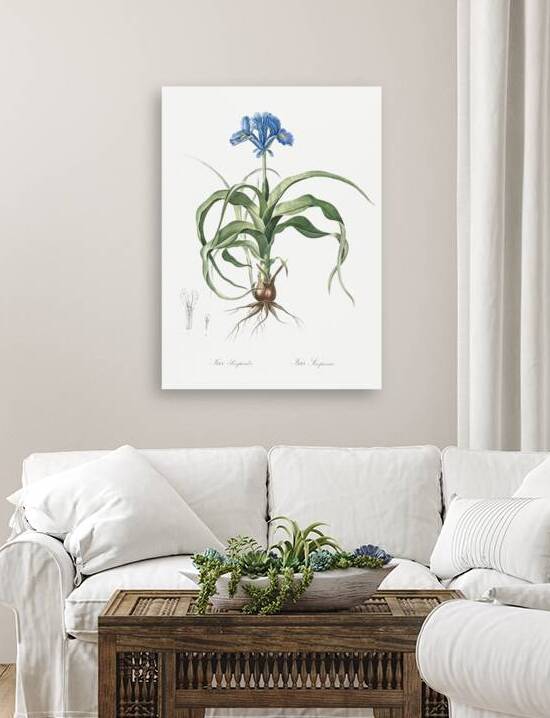
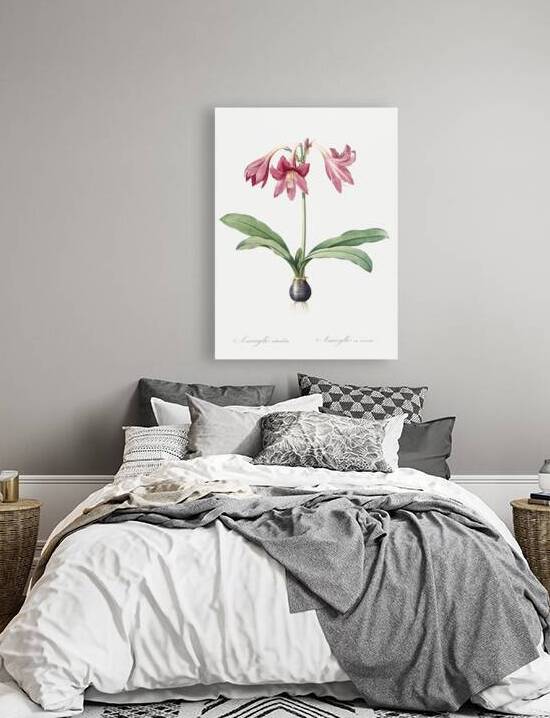
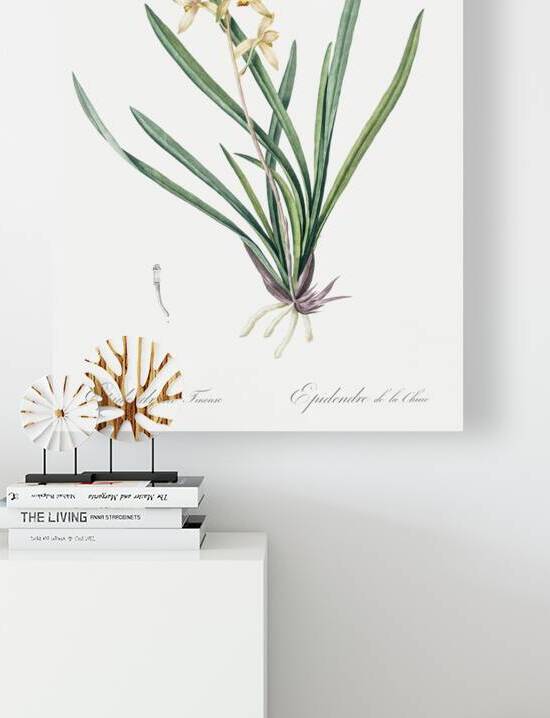
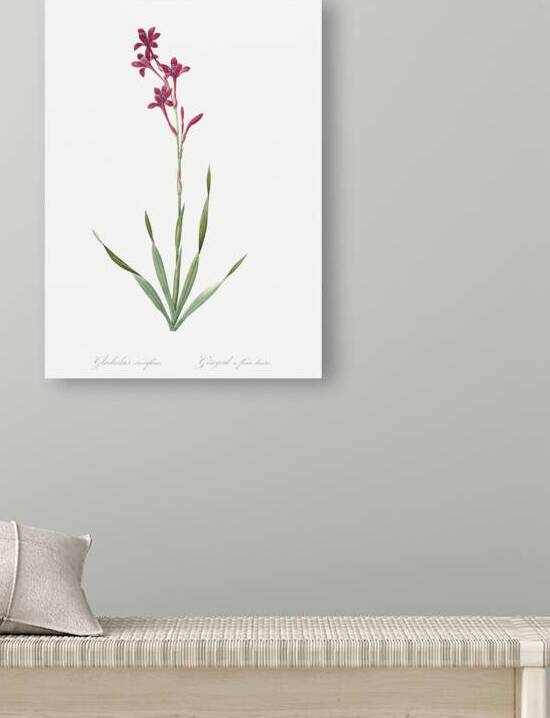
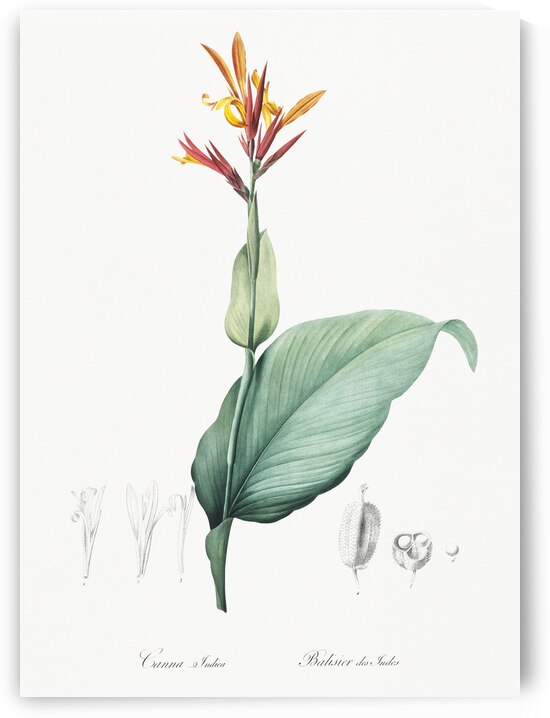
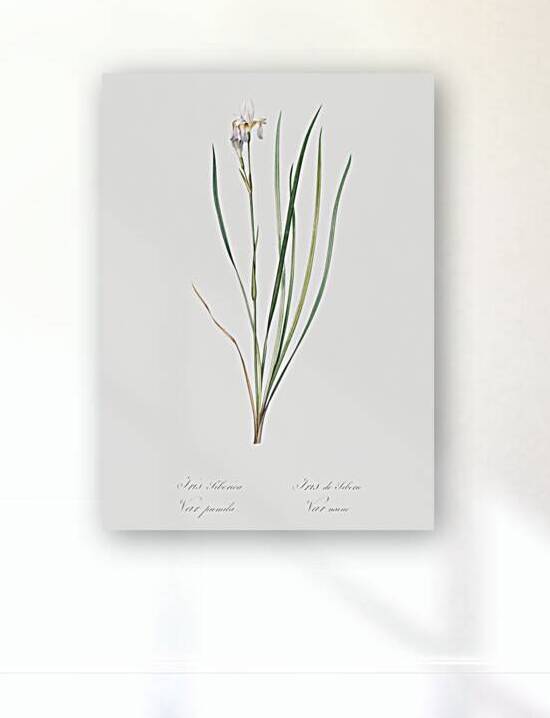
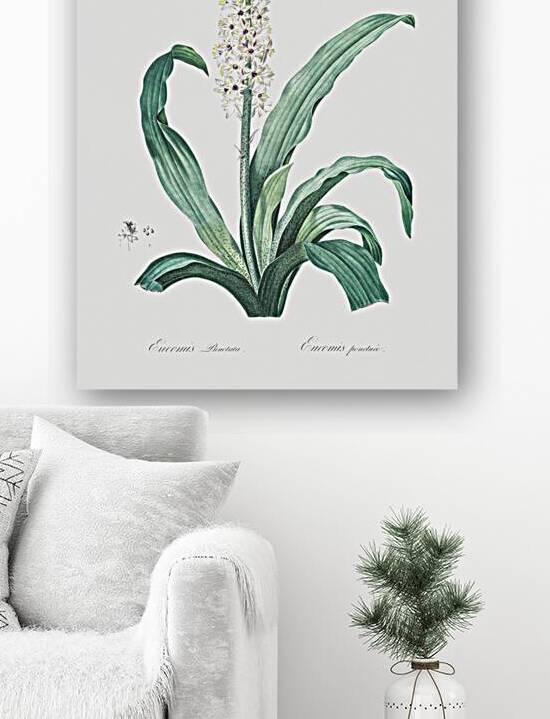
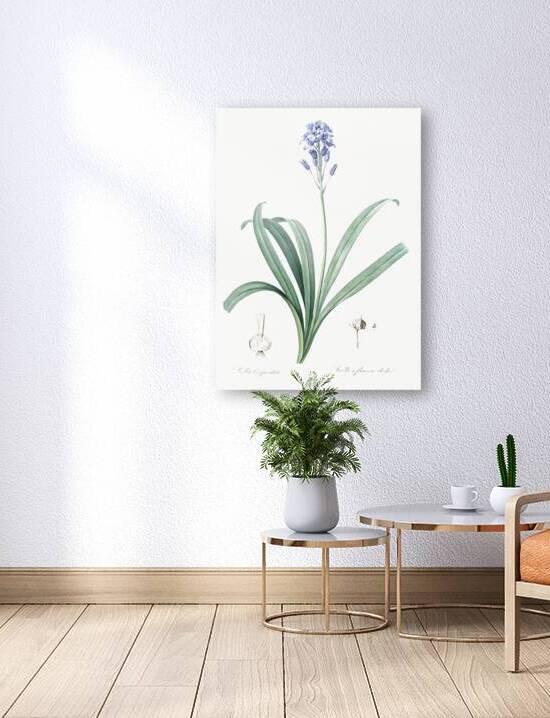
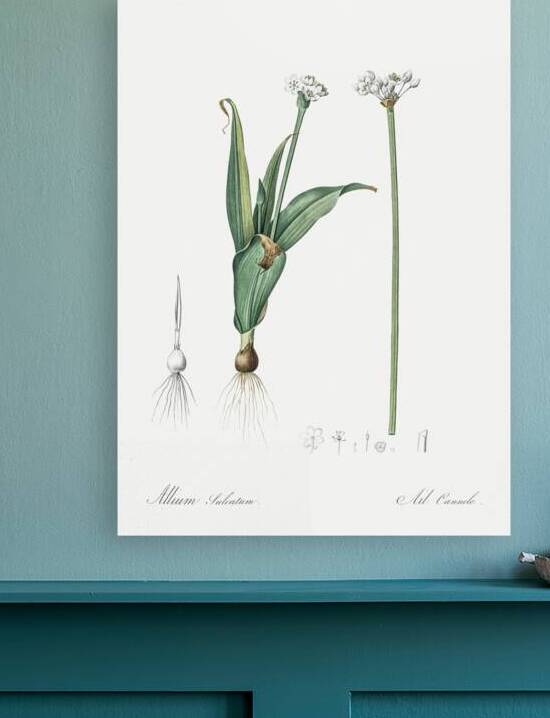
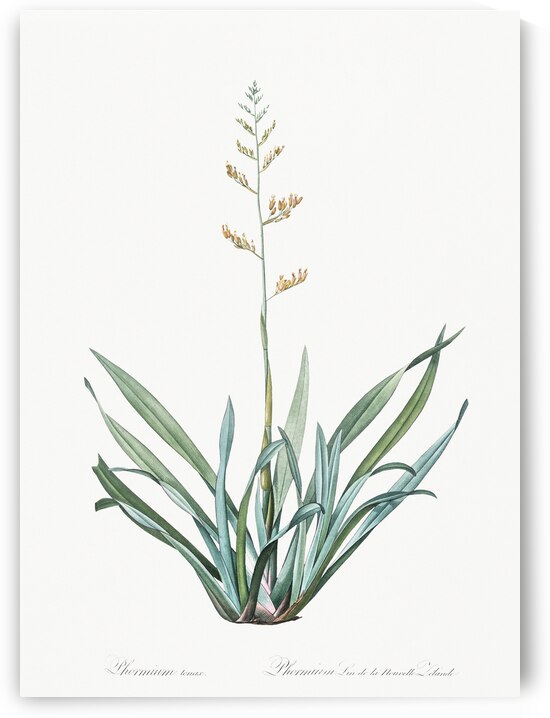
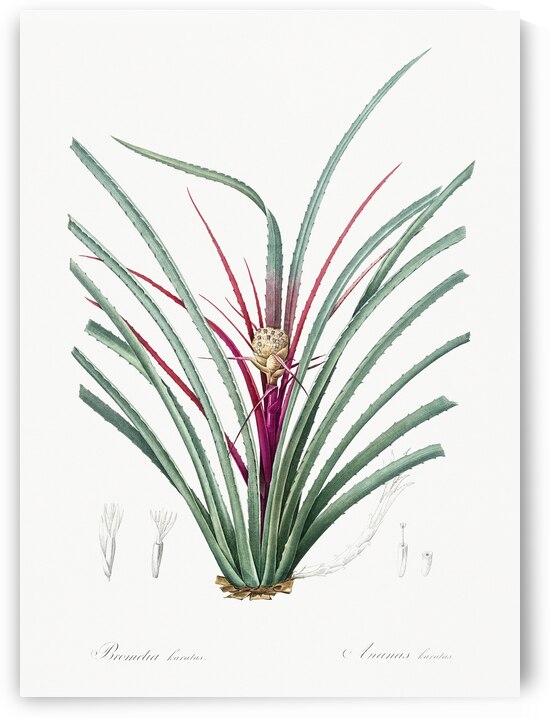
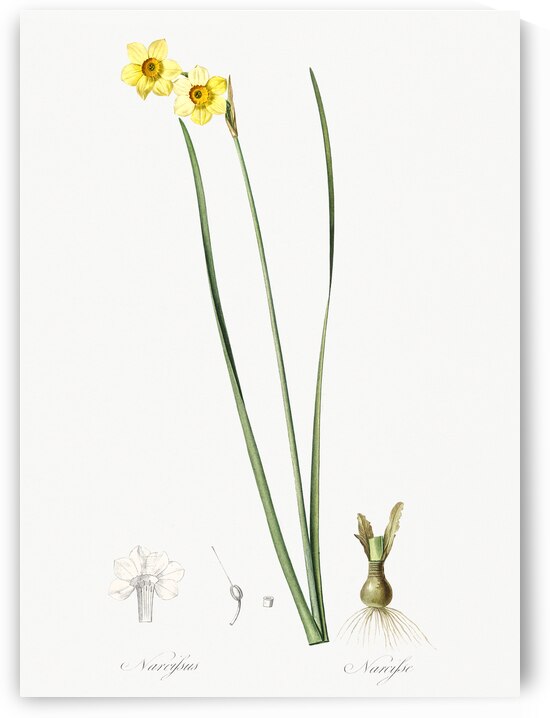
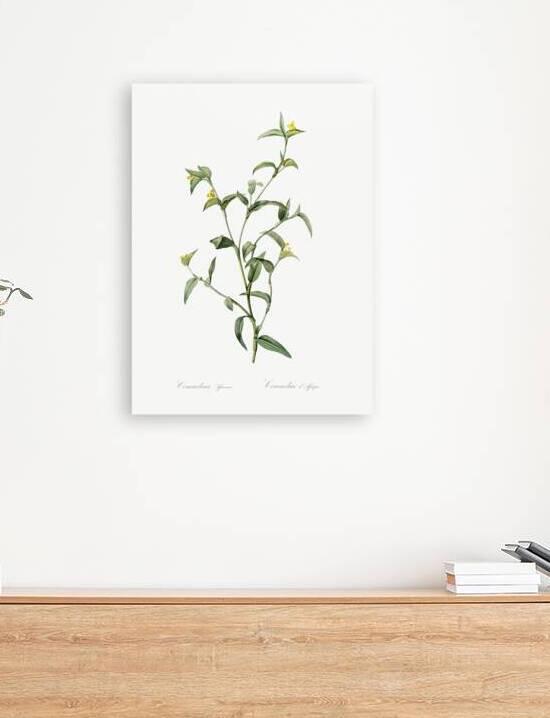
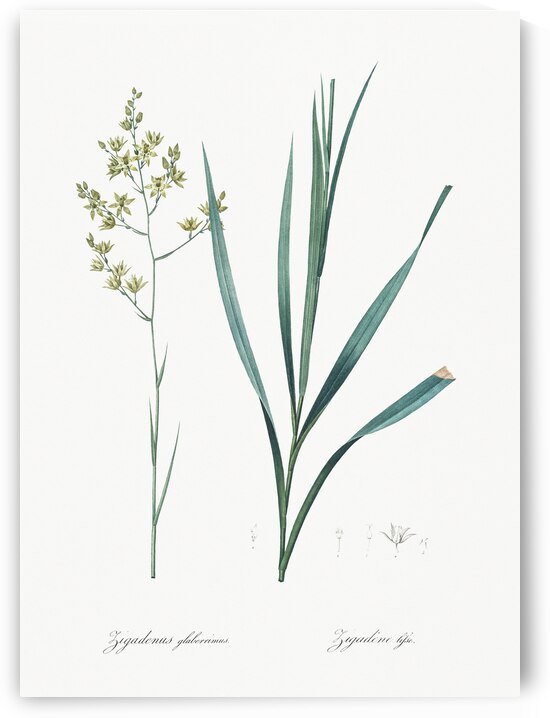
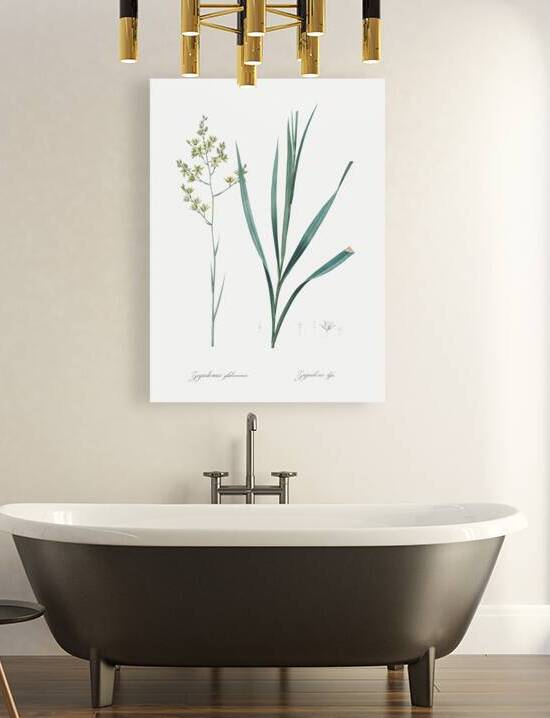
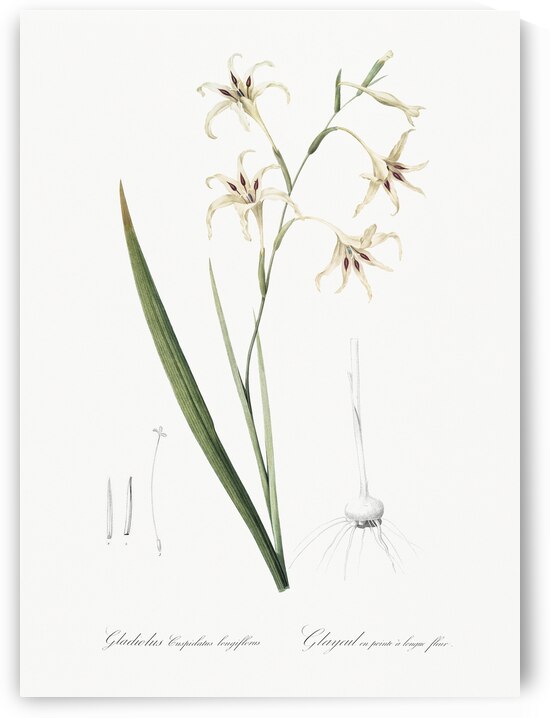
Redouté's contribution to botanical art was groundbreaking. His use of watercolors and stippling techniques brought an unprecedented level of precision and vibrancy to his illustrations. His keen attention to detail and mastery of color made his work not only scientifically accurate but also aesthetically captivating. He was a pioneer in depicting flowers and plants in their natural form showcasing their beauty and grace.
Liliacées and International Acclaim:
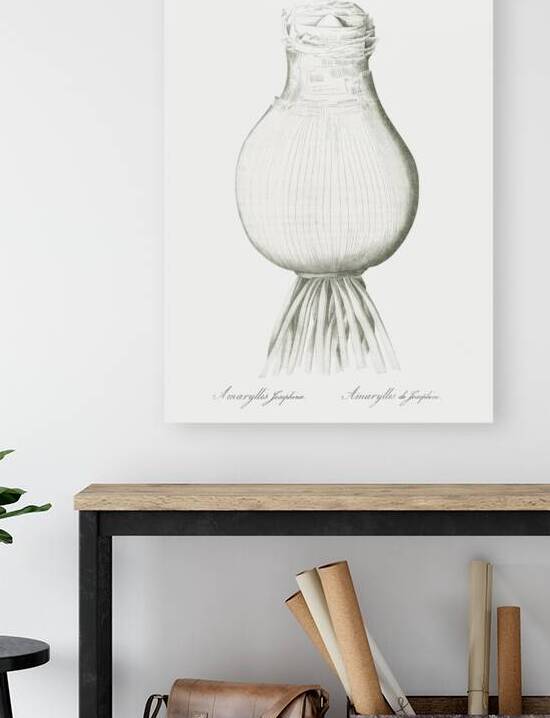
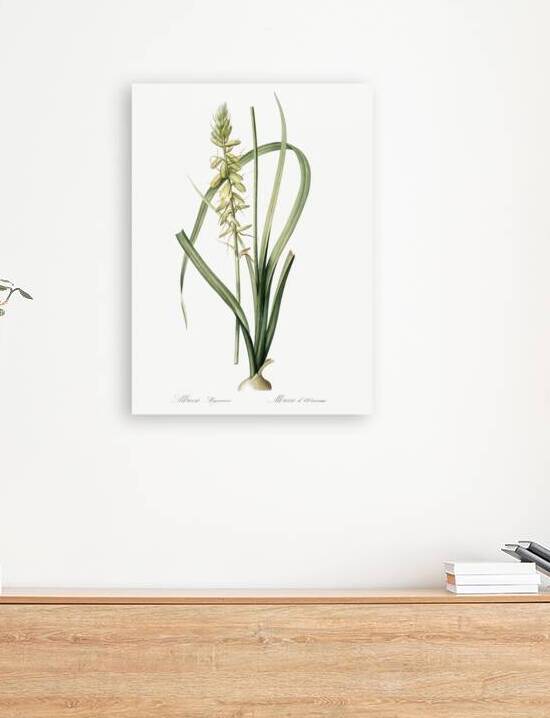
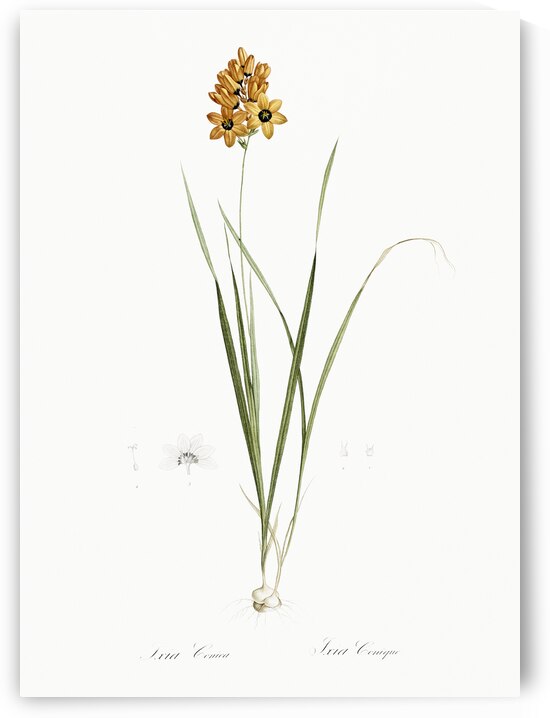
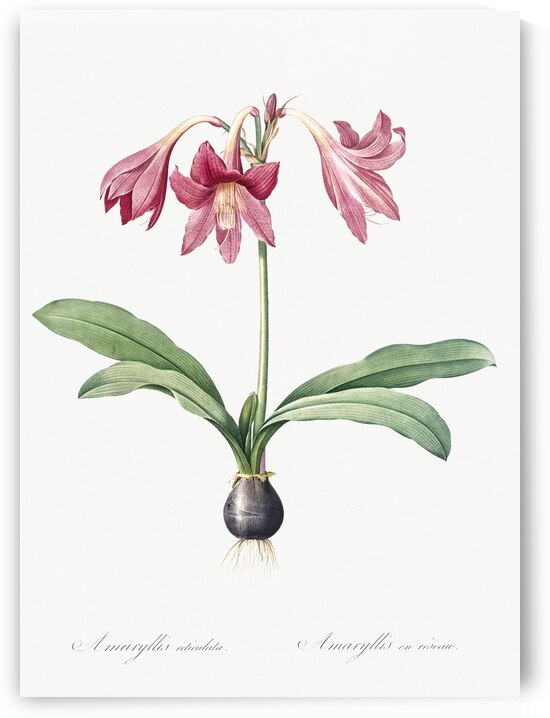
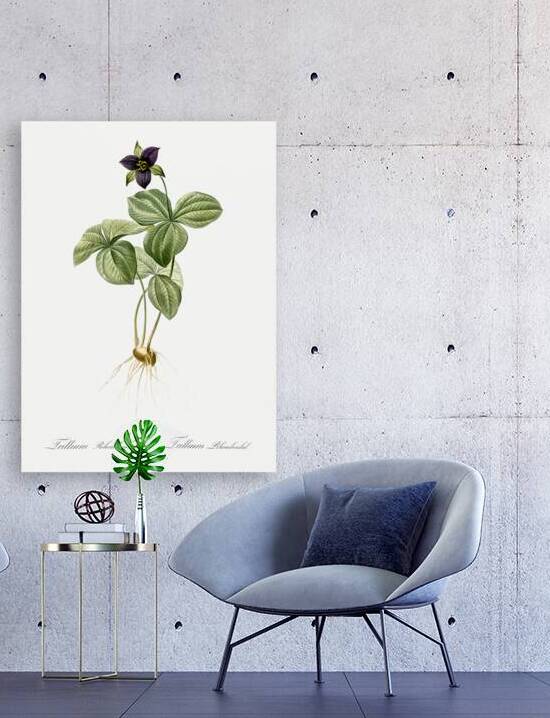
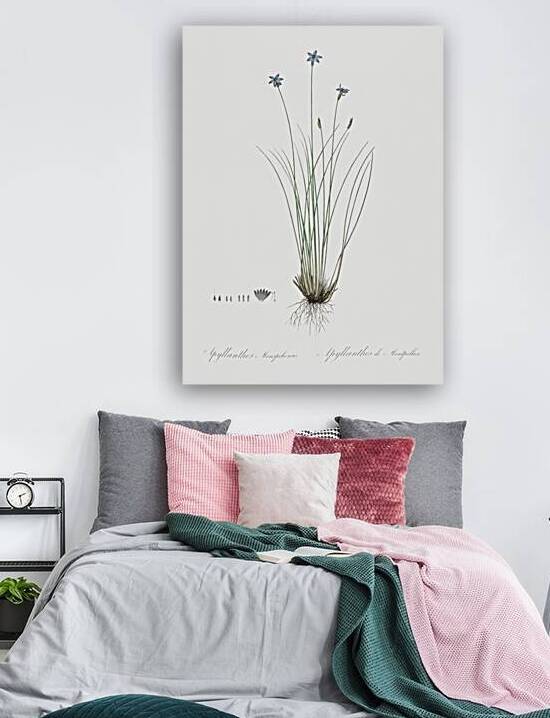
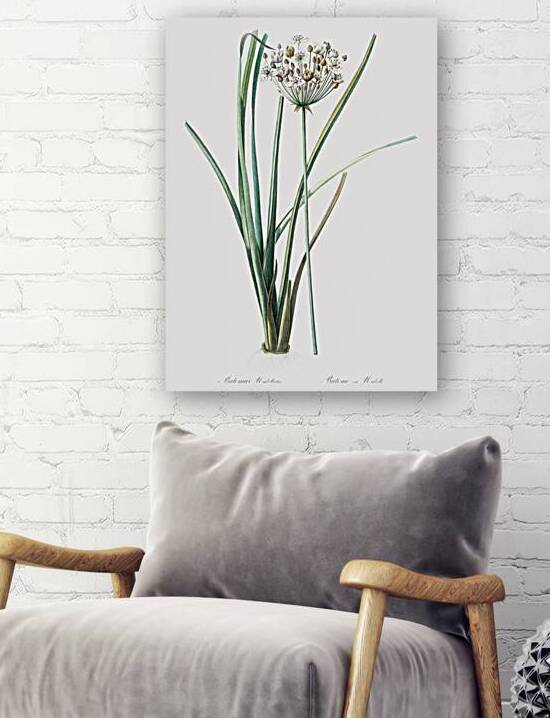
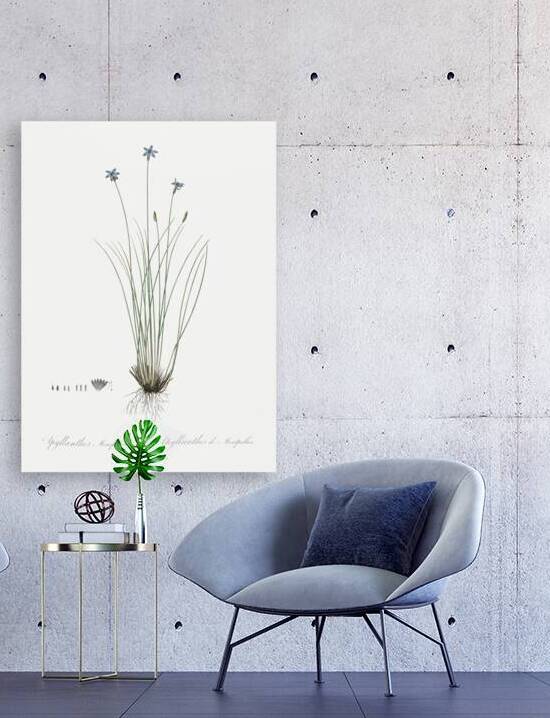
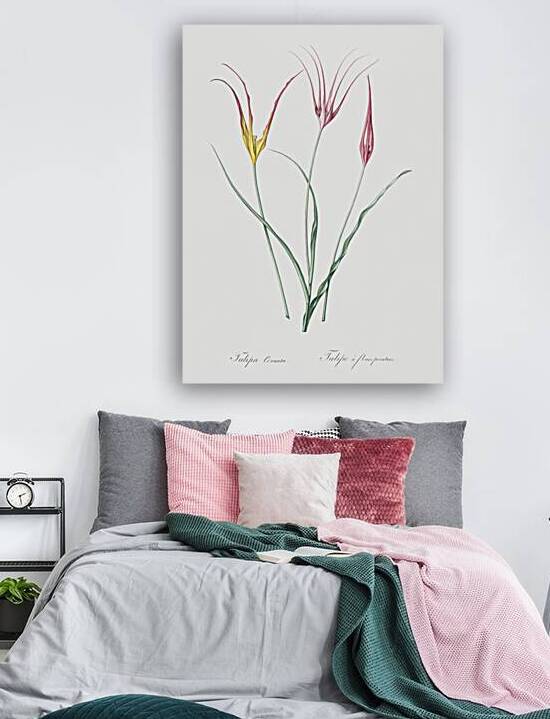
One of Redouté's most celebrated works Les Liliacées published in 1805 solidified his reputation as the preeminent botanical artist of his time. The book featured stunning illustrations of lilies tulips and other members of the lily family and it was a landmark achievement in botanical illustration. Its impact extended far beyond scientific circles captivating art enthusiasts and gardeners alike.
Legacy and Influence:
Redouté's work continues to inspire generations of artists scientists and nature lovers. His legacy lives on in botanical artistry and his contributions to the understanding of plant life remain invaluable. His influence can be seen in the countless botanical illustrators who followed in his footsteps as well as in the enduring popularity of floral art and horticulture.
Conclusion:
Pierre Joseph Redouté's life and work are a testament to the power of art to illuminate the wonders of the natural world. His dedication to precision and aesthetics as seen in Les Liliacées and his other works has left an indelible mark on both the fields of botany and art. Redouté's ability to capture the beauty and essence of plants in his illustrations continues to inspire and enchant reminding us of the delicate relationship between science and art in the study of our natural world.
Introduction:
Pierre Joseph Redouté born on March 10 1759 in Saint-Hubert Belgium was a visionary botanical artist whose intricate illustrations revolutionized the world of botanical science and art. Renowned for his exceptional attention to detail and exquisite depictions of flowers Redouté's work including the illustrious Les Liliacées 1805 remains an enduring testament to his passion for the natural world.
Early Life and Artistic Beginnings:
Growing up in a modest family Redouté displayed an early aptitude for drawing and an innate love for nature. His innate talent was recognized and he began formal art training at a local monastery where he honed his skills and developed a deep appreciation for the aesthetics of the natural world. This early education would set the stage for his remarkable career.
Career and Collaboration with Marie Antoinette:
Redouté's career took a significant turn when he moved to Paris in 1782. There he was introduced to the world of botanical illustration thanks to his association with Charles Louis L'Héritier de Brutelle a prominent botanist. His talents soon caught the attention of Queen Marie Antoinette who became his patron. Redouté's close relationship with the Queen allowed him to access the royal gardens at Versailles where he gained inspiration for his botanical artistry.
Innovations in Botanical Illustration:
Redouté's contribution to botanical art was groundbreaking. His use of watercolors and stippling techniques brought an unprecedented level of precision and vibrancy to his illustrations. His keen attention to detail and mastery of color made his work not only scientifically accurate but also aesthetically captivating. He was a pioneer in depicting flowers and plants in their natural form showcasing their beauty and grace.
Liliacées and International Acclaim:
One of Redouté's most celebrated works Les Liliacées published in 1805 solidified his reputation as the preeminent botanical artist of his time. The book featured stunning illustrations of lilies tulips and other members of the lily family and it was a landmark achievement in botanical illustration. Its impact extended far beyond scientific circles captivating art enthusiasts and gardeners alike.
Legacy and Influence:
Redouté's work continues to inspire generations of artists scientists and nature lovers. His legacy lives on in botanical artistry and his contributions to the understanding of plant life remain invaluable. His influence can be seen in the countless botanical illustrators who followed in his footsteps as well as in the enduring popularity of floral art and horticulture.
Conclusion:
Pierre Joseph Redouté's life and work are a testament to the power of art to illuminate the wonders of the natural world. His dedication to precision and aesthetics as seen in Les Liliacées and his other works has left an indelible mark on both the fields of botany and art. Redouté's ability to capture the beauty and essence of plants in his illustrations continues to inspire and enchant reminding us of the delicate relationship between science and art in the study of our natural world.