

 19973
19973
ohn Elsas 1851–1935 - My Pictures Become Wilder and Wilder
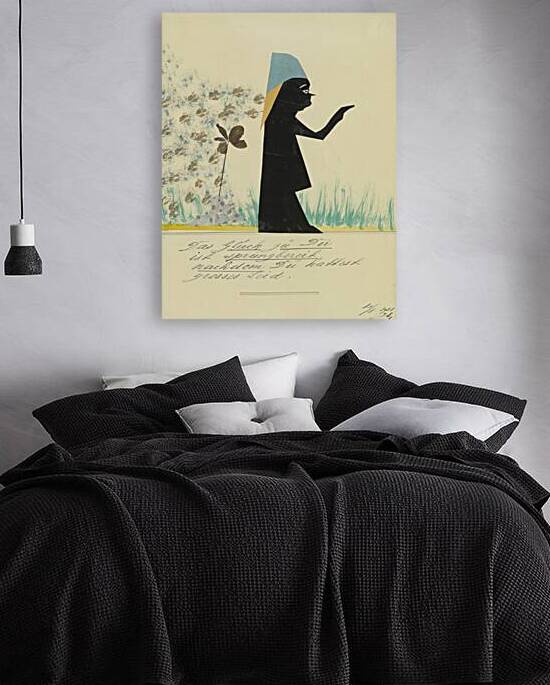
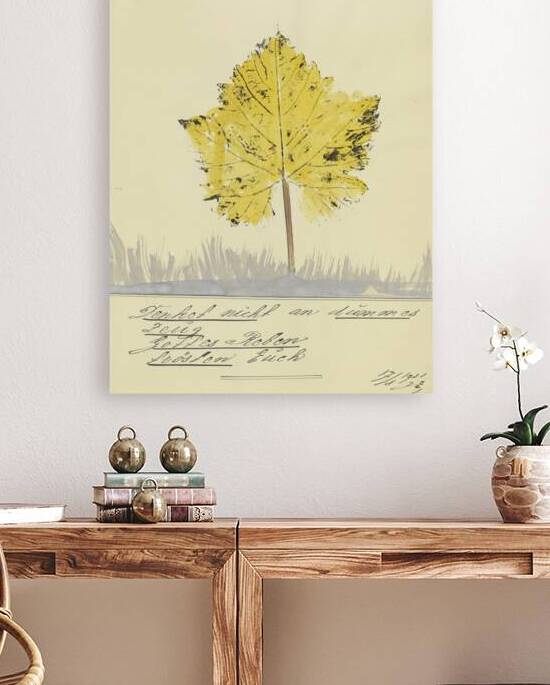
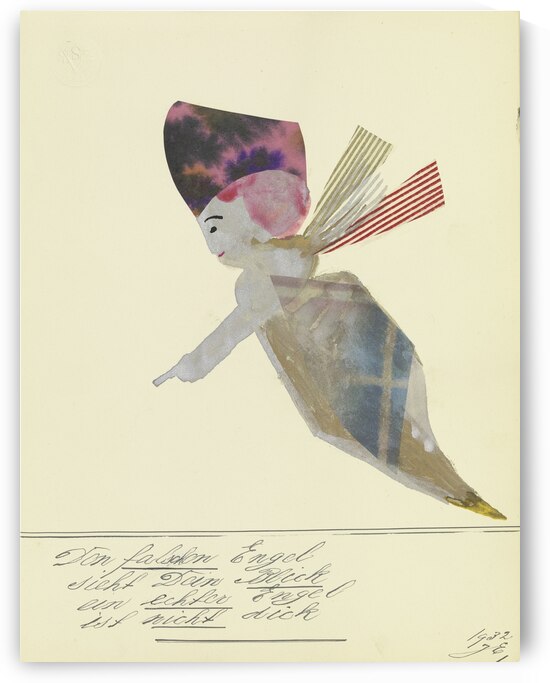
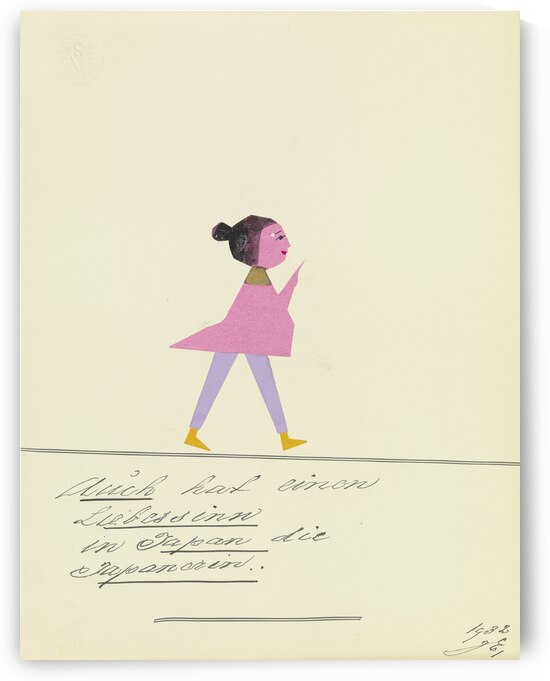
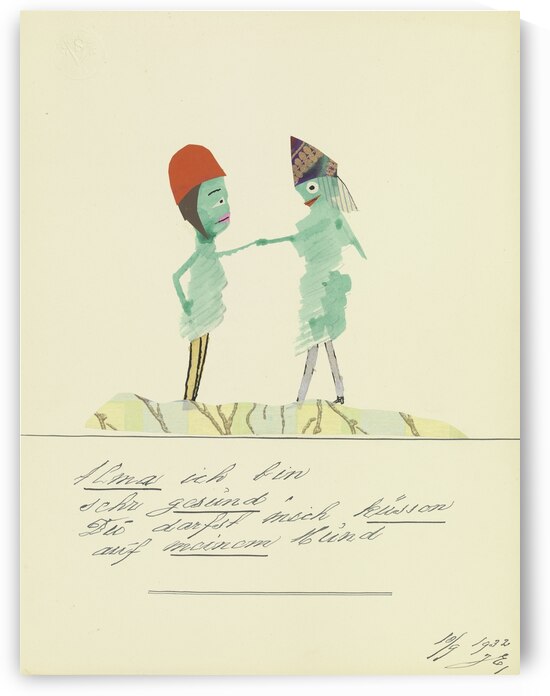
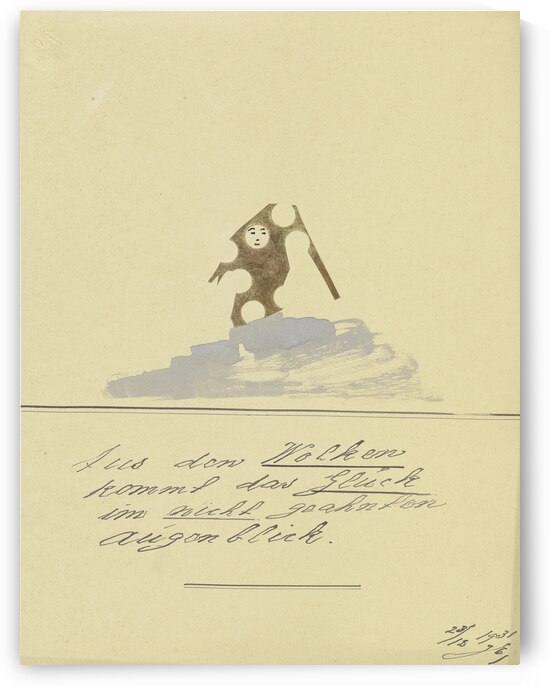
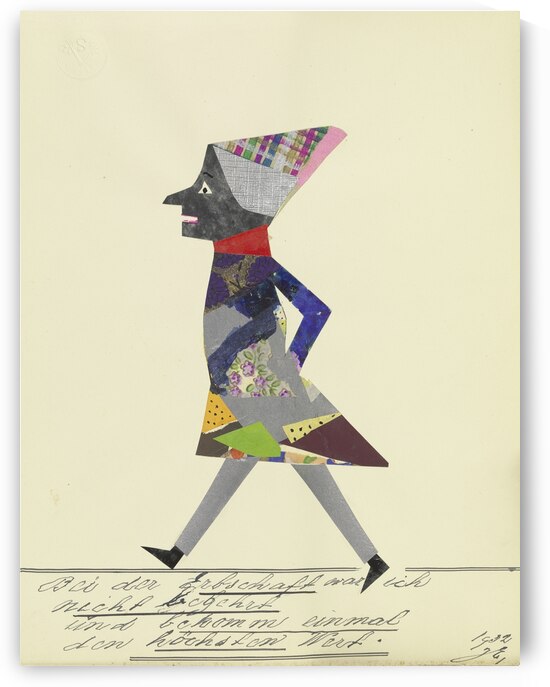
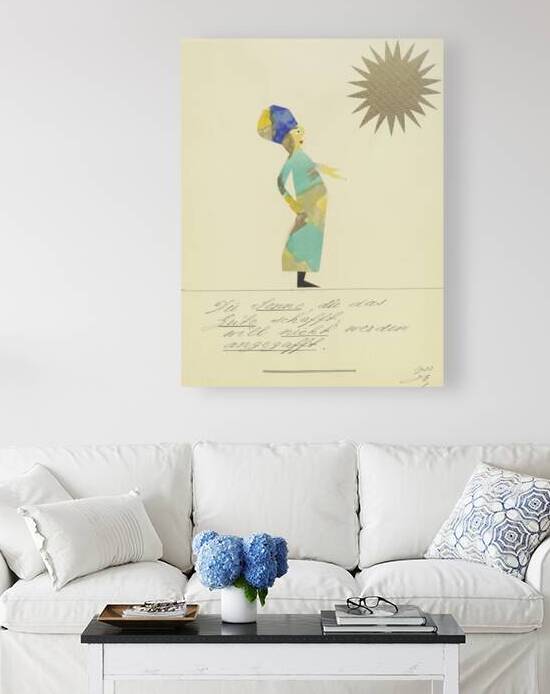
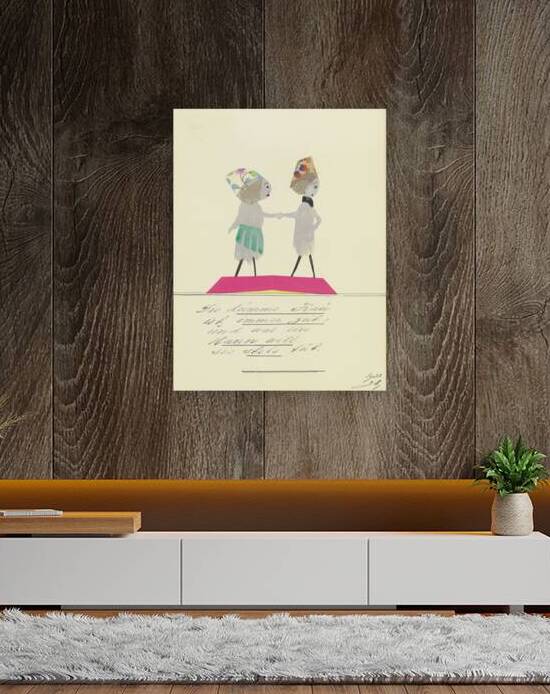
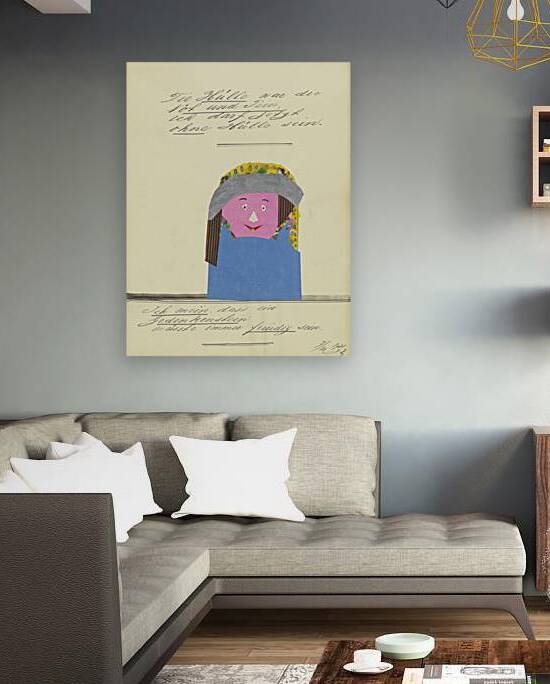
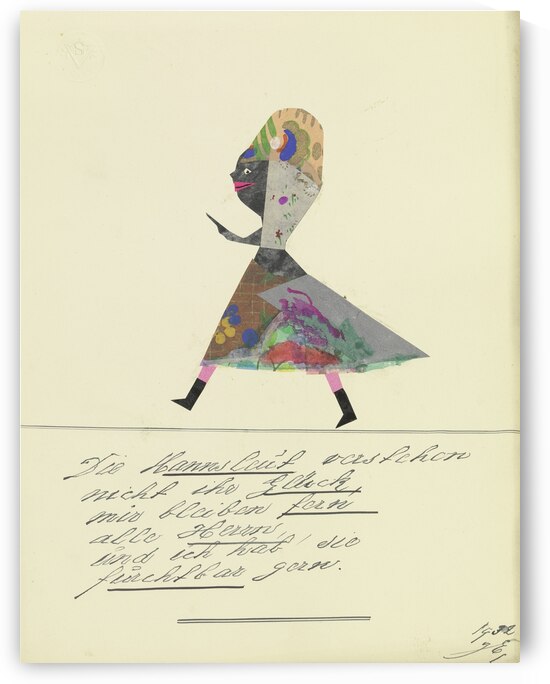
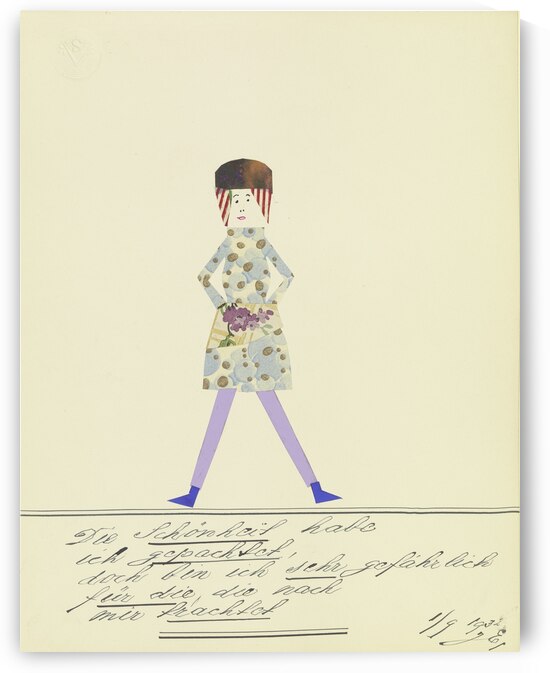
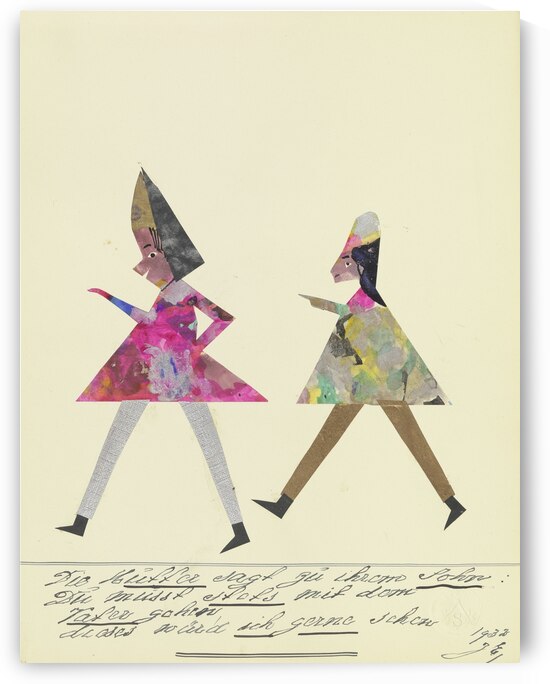
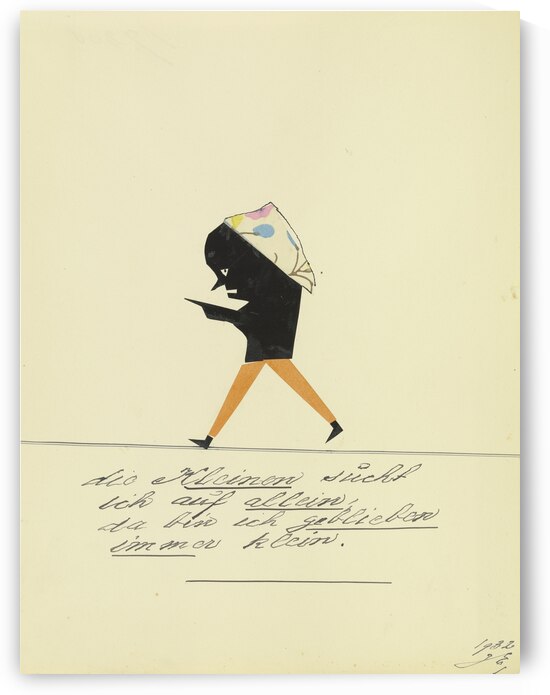
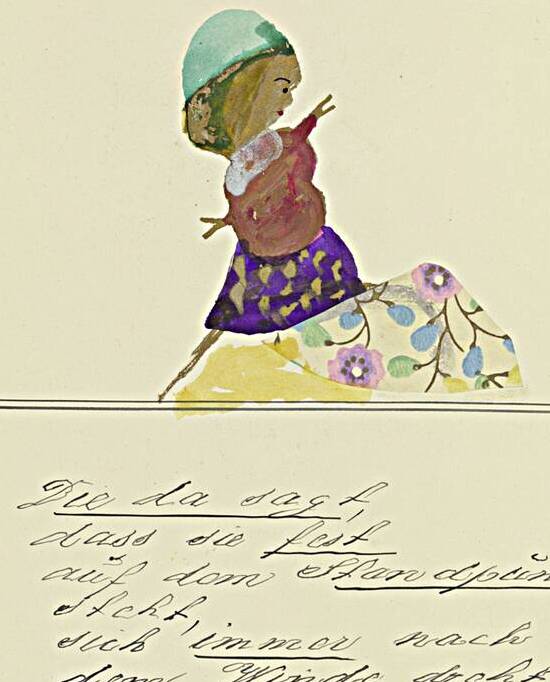
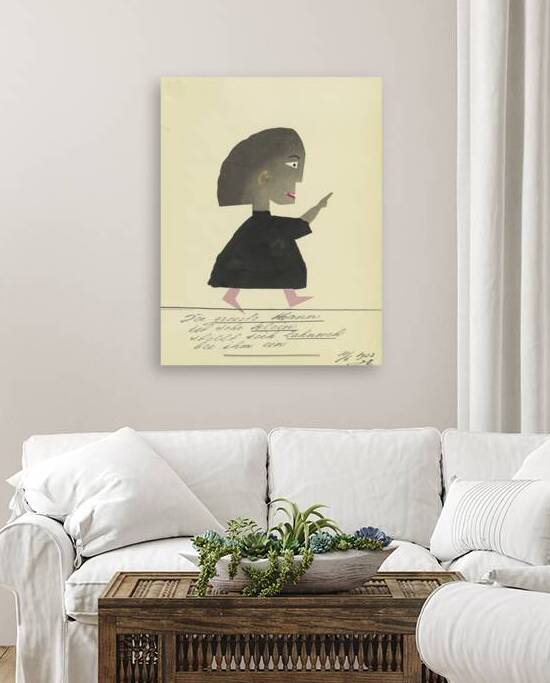
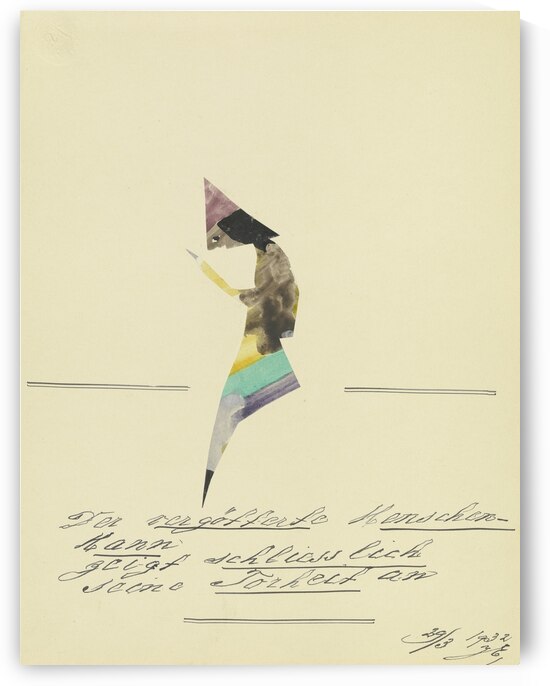
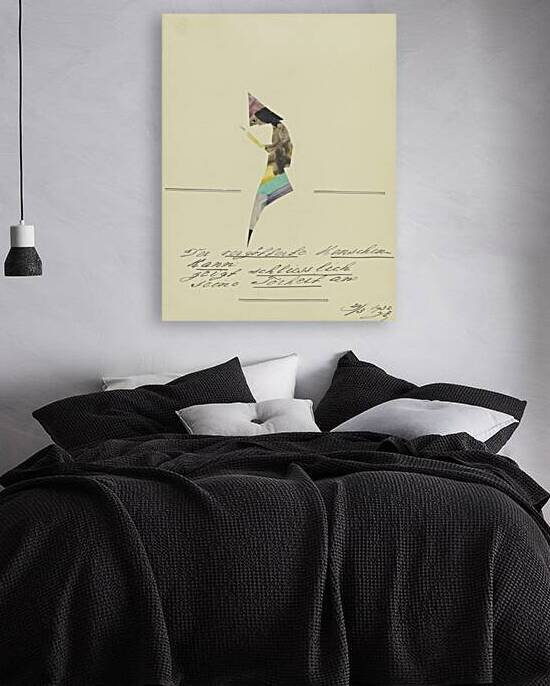
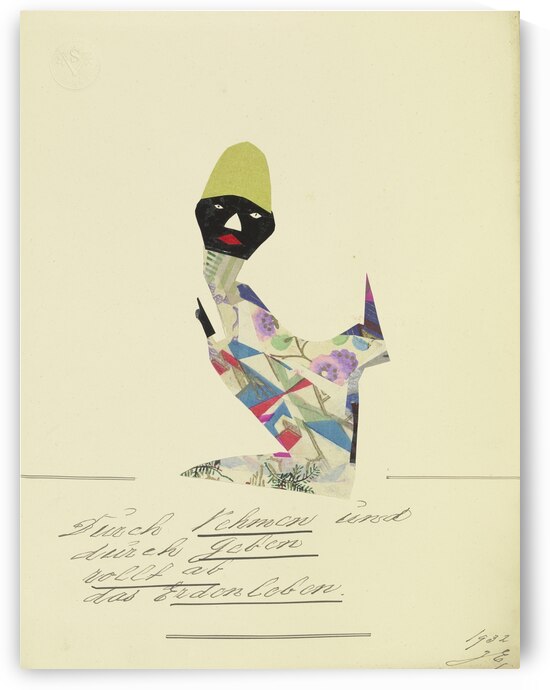
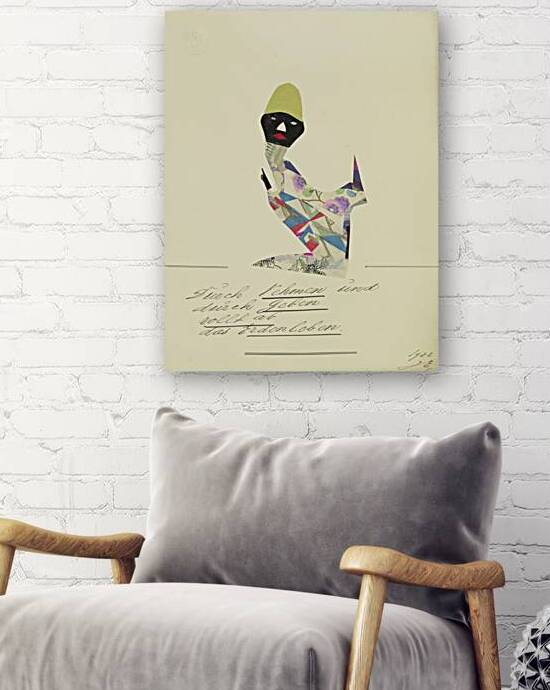
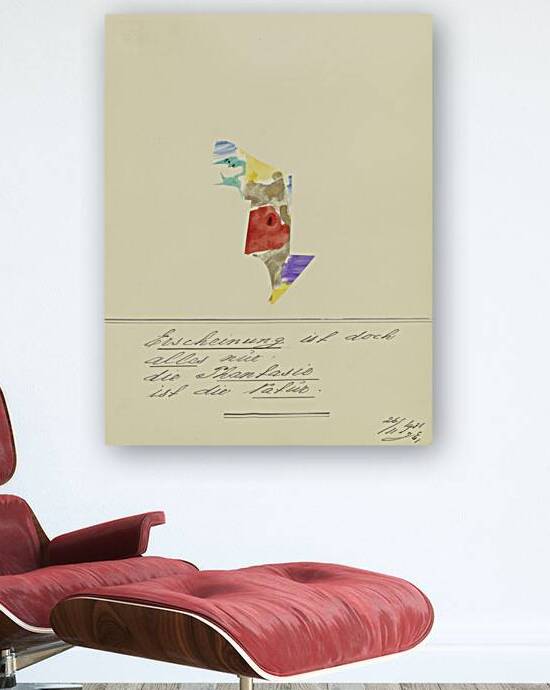
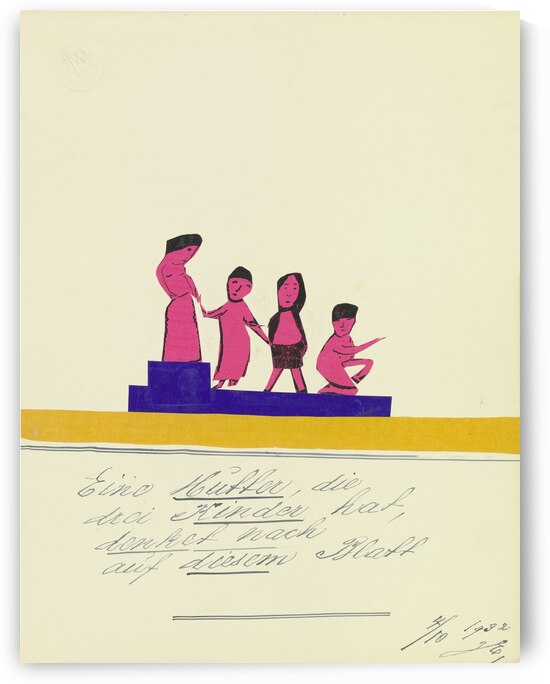
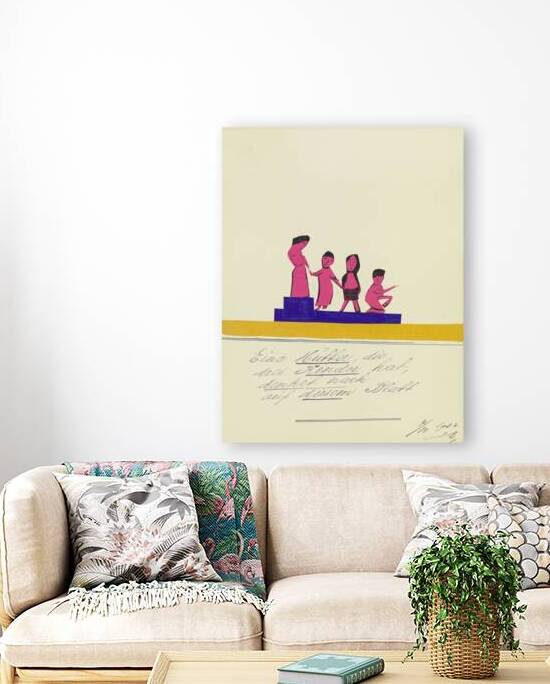
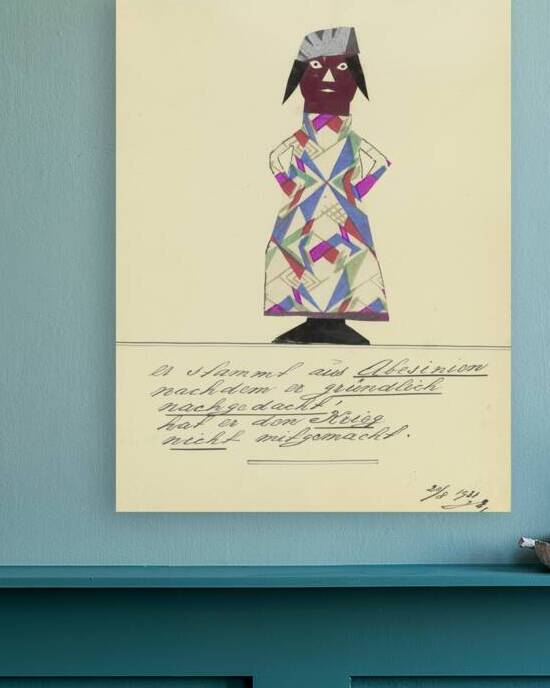
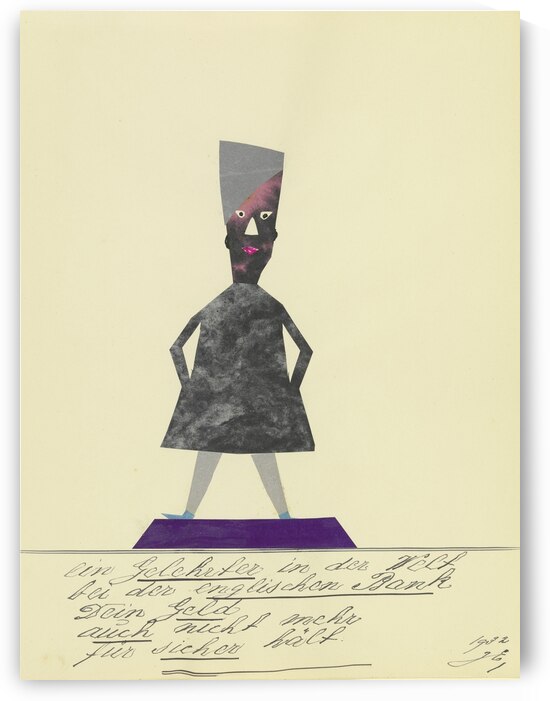
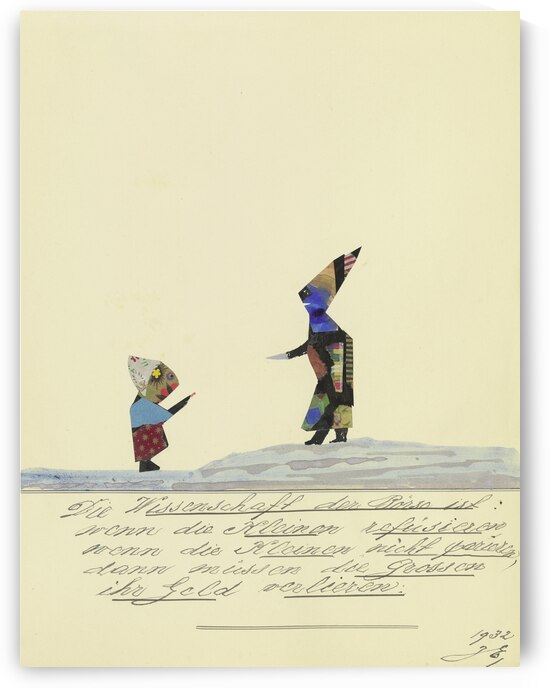
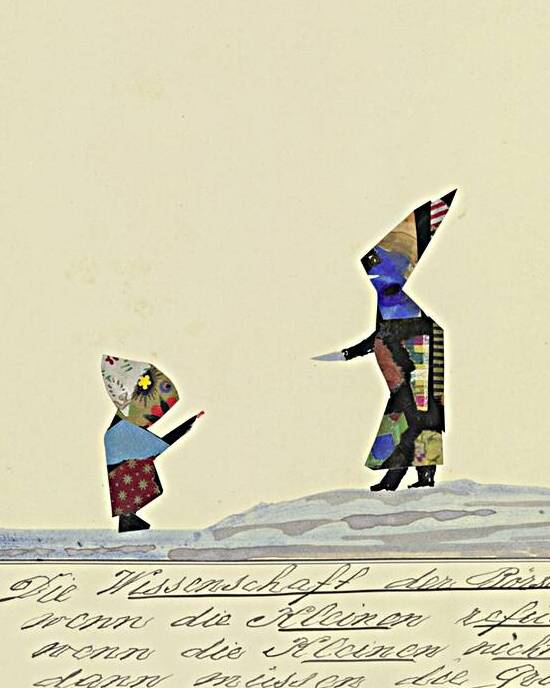
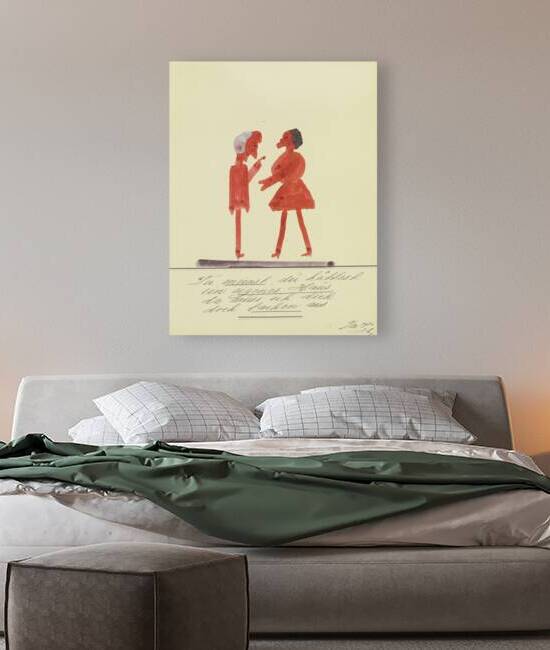
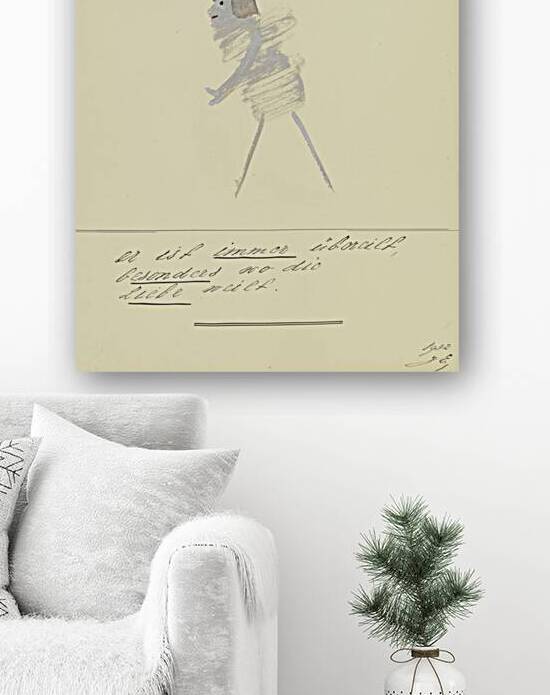
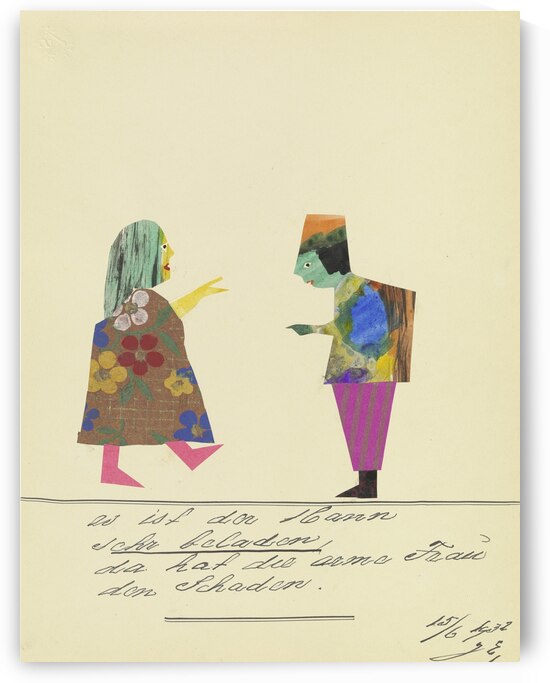
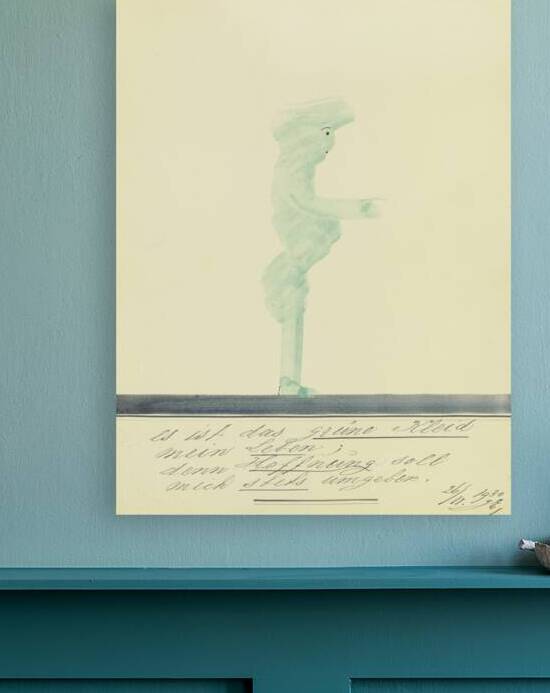
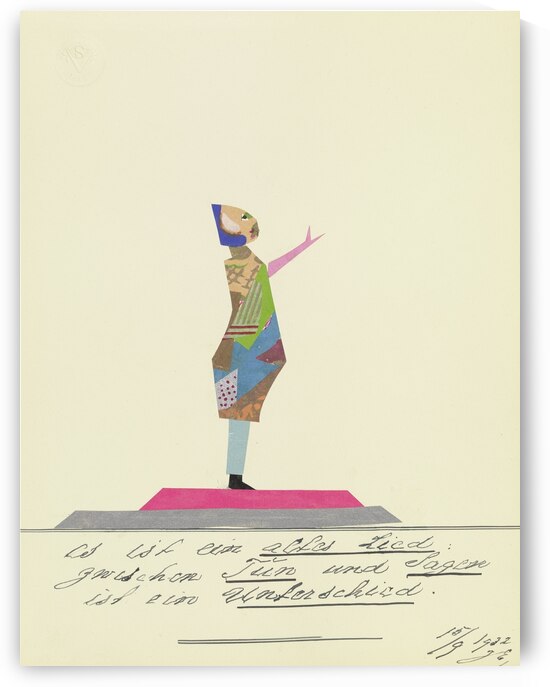
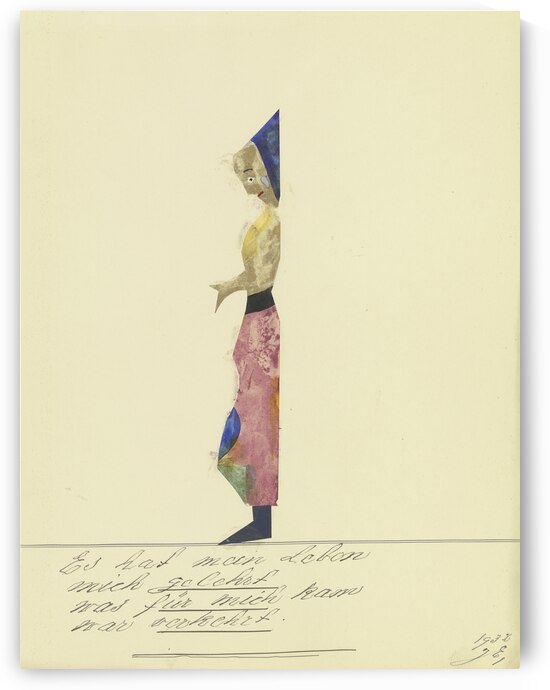
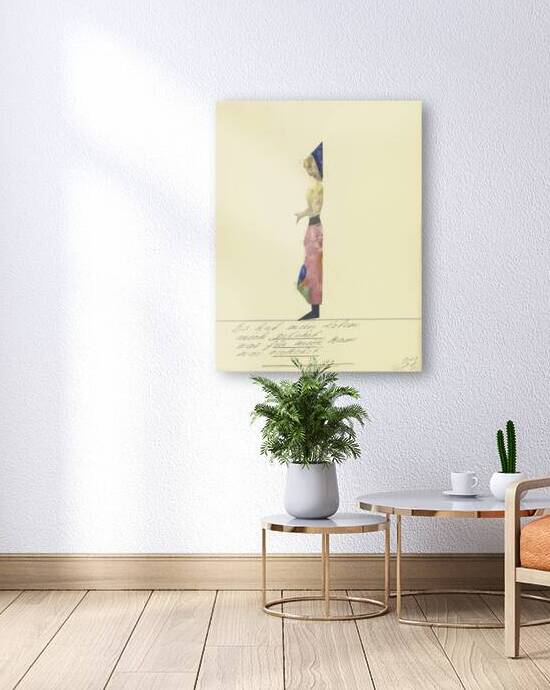
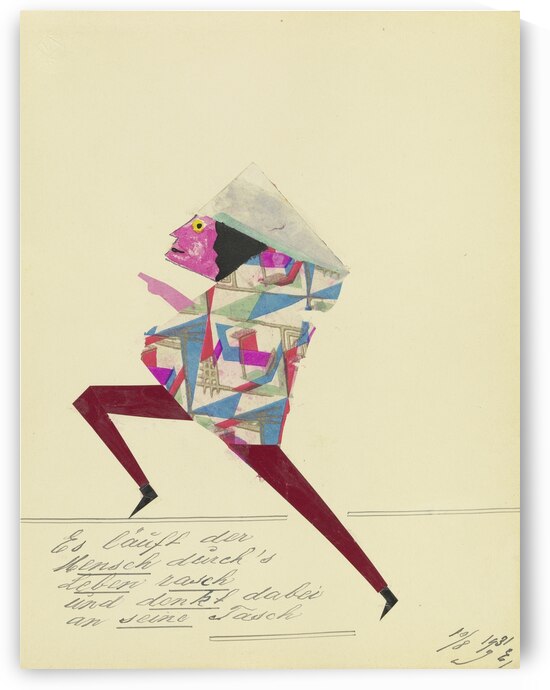
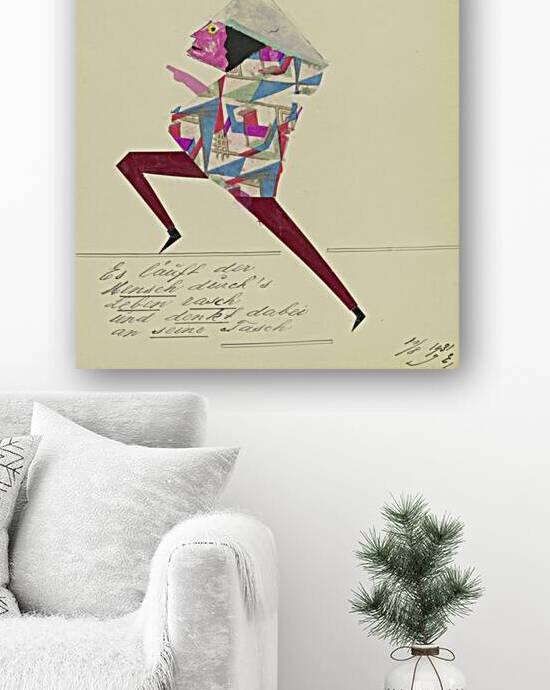
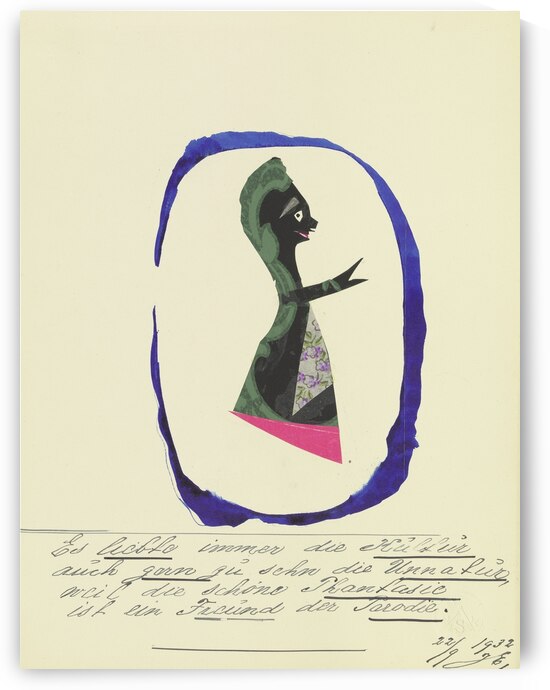
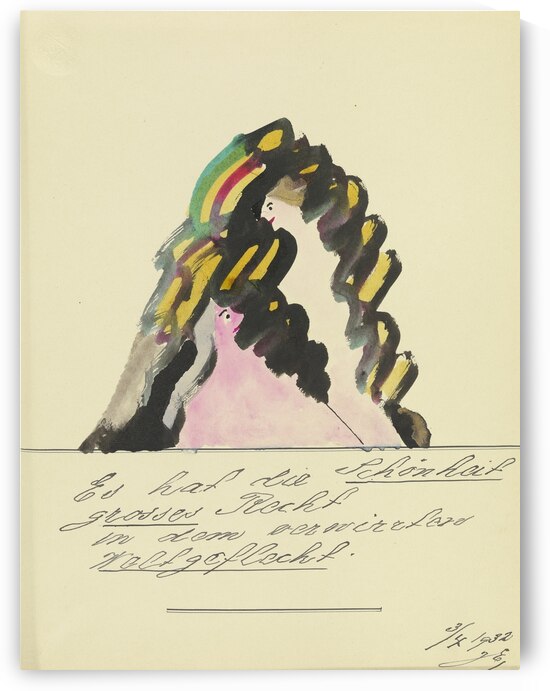
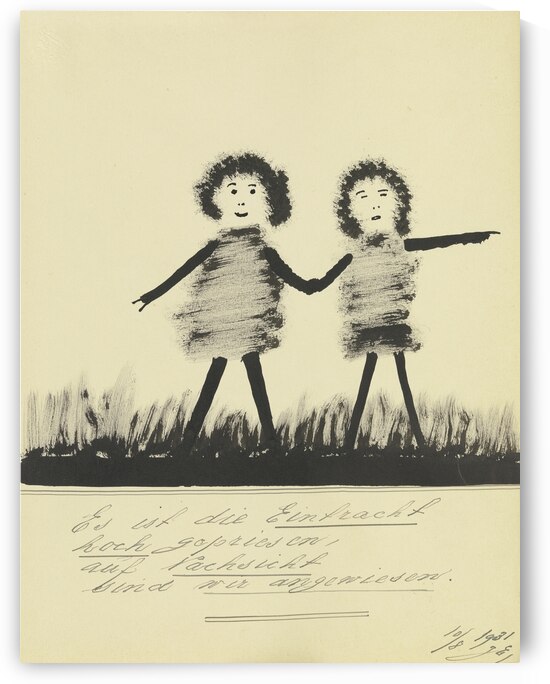
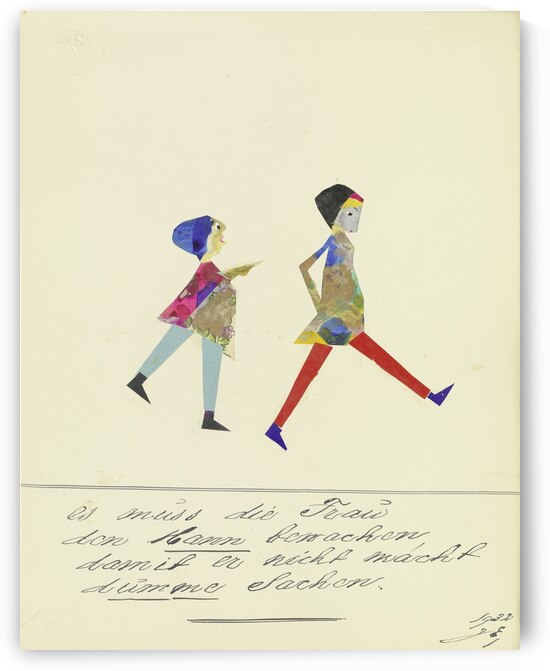
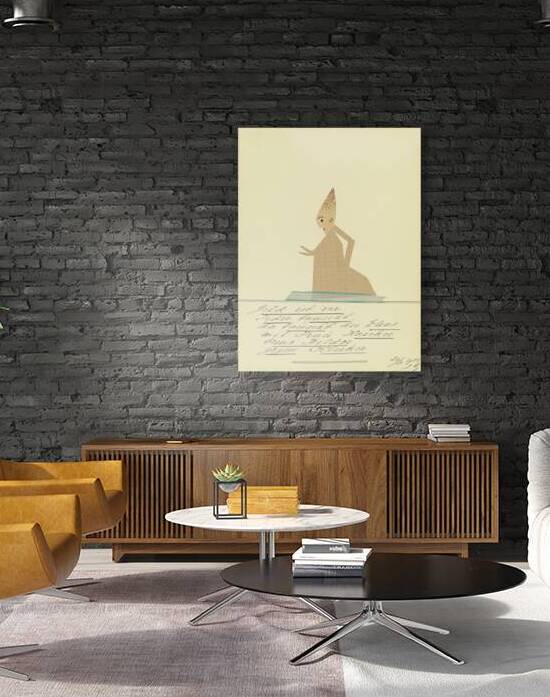
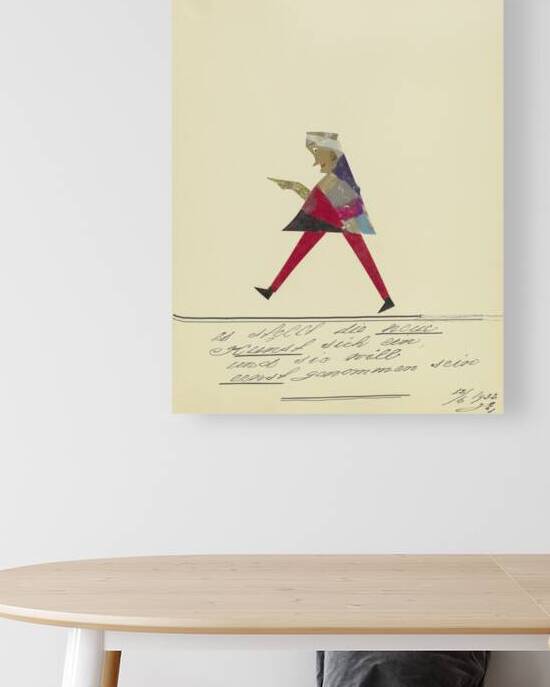
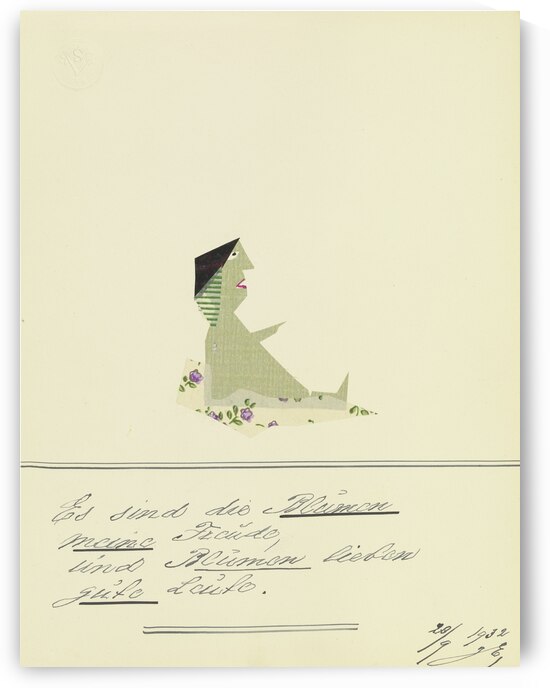
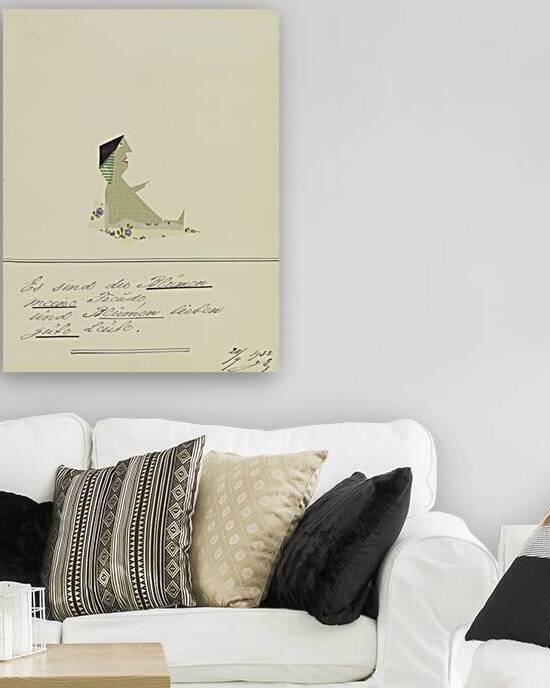
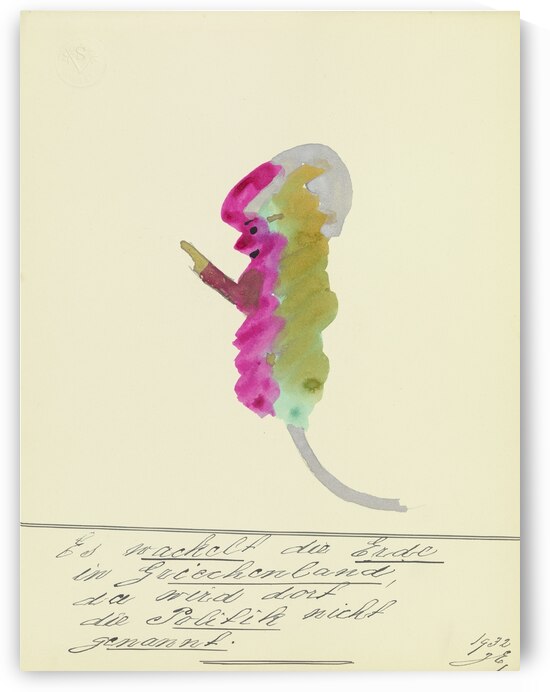
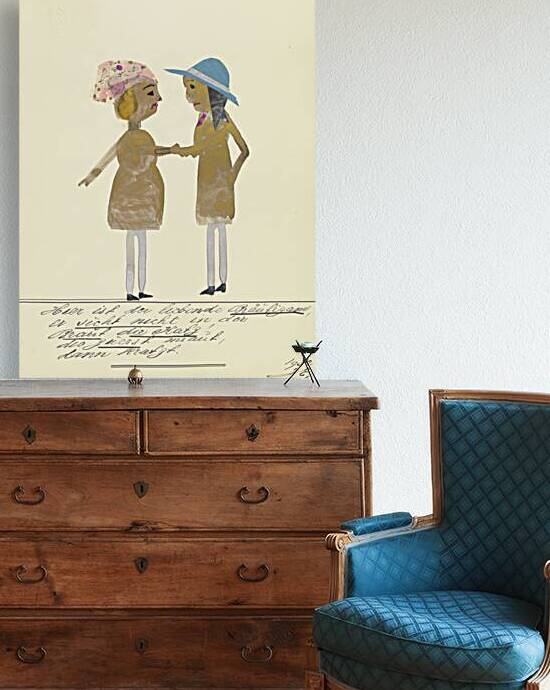
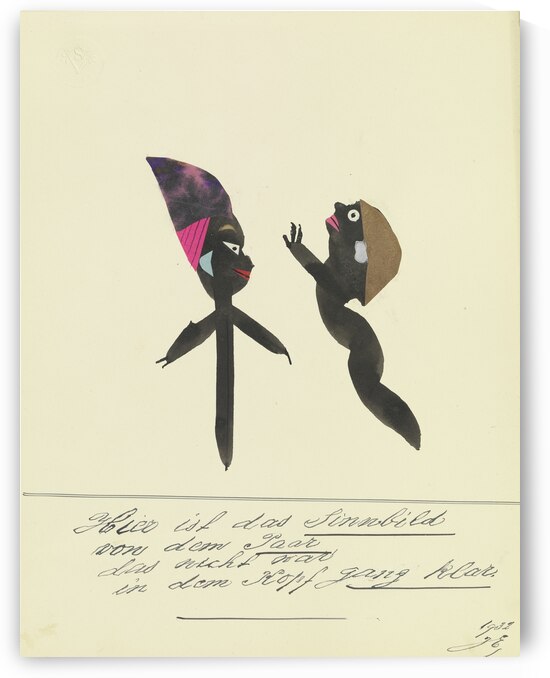
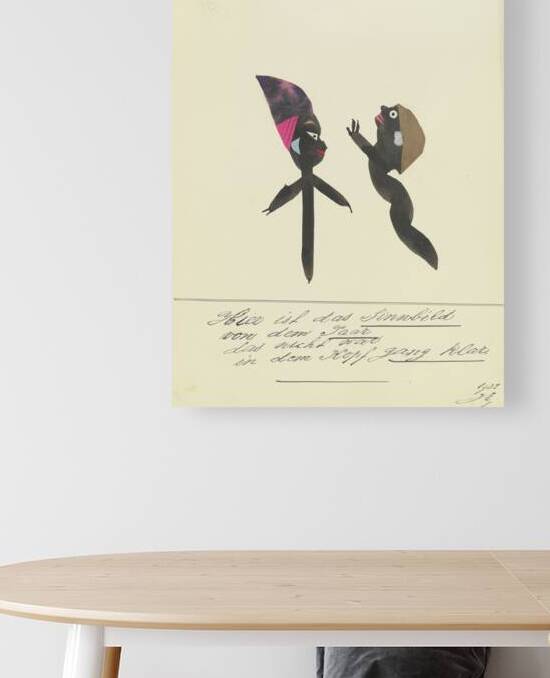
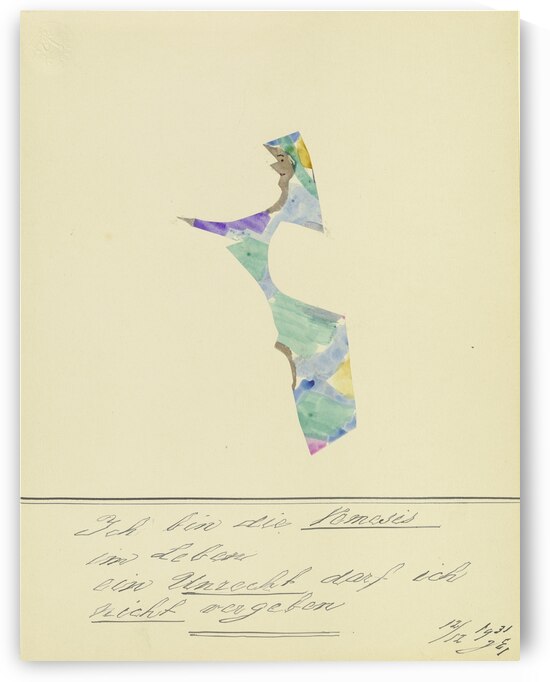
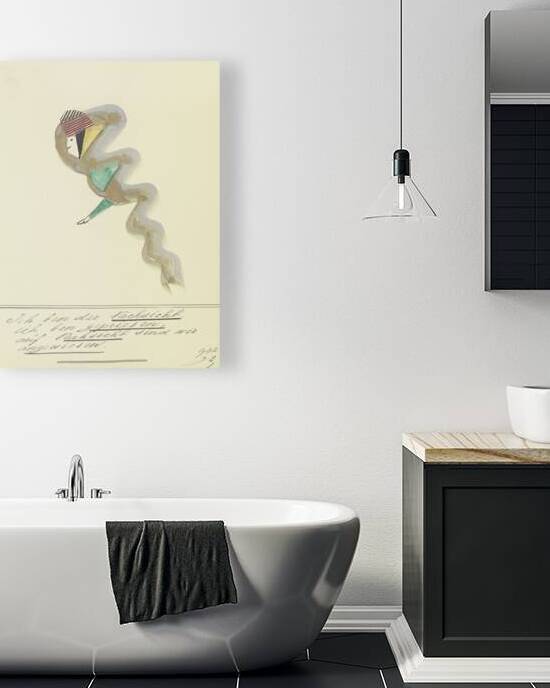
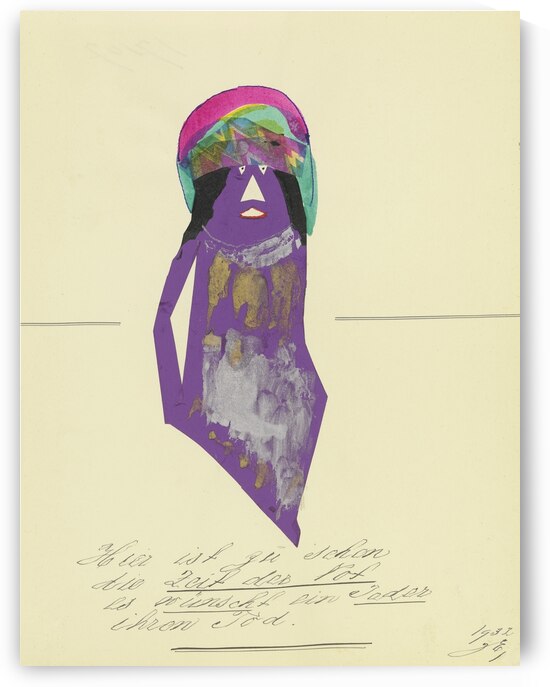
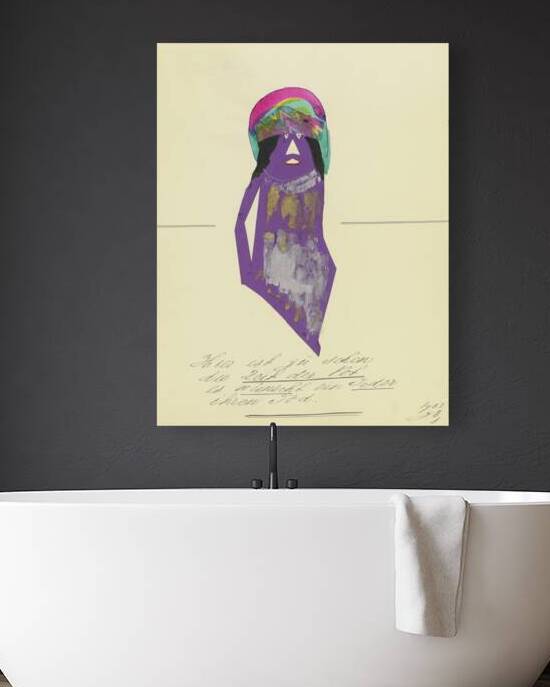
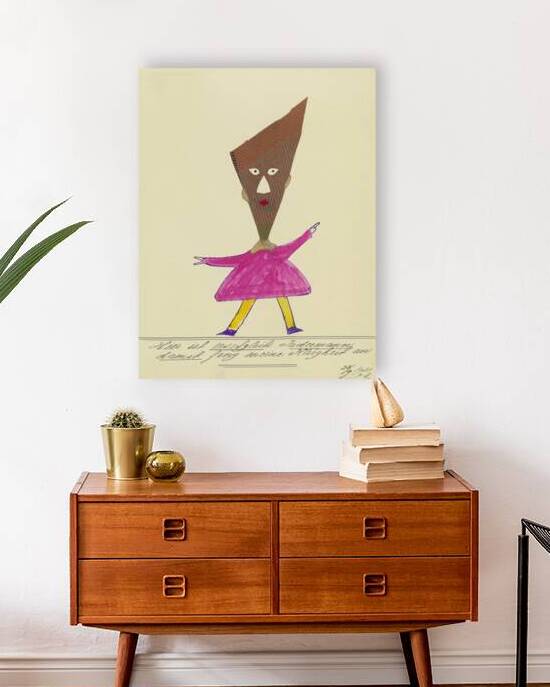
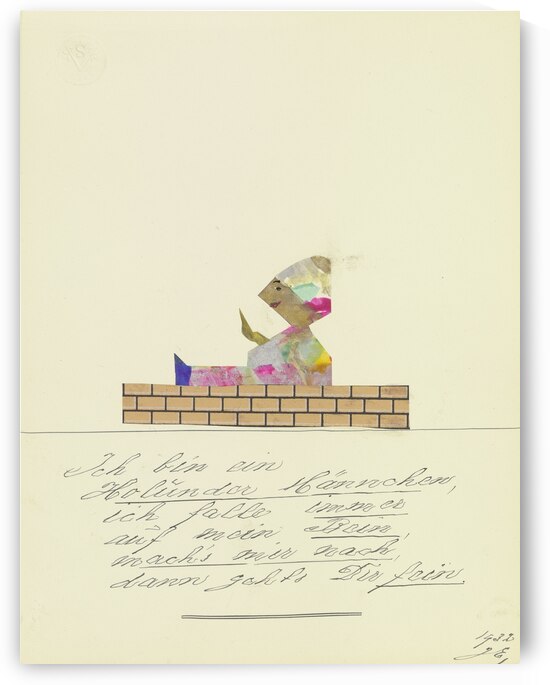
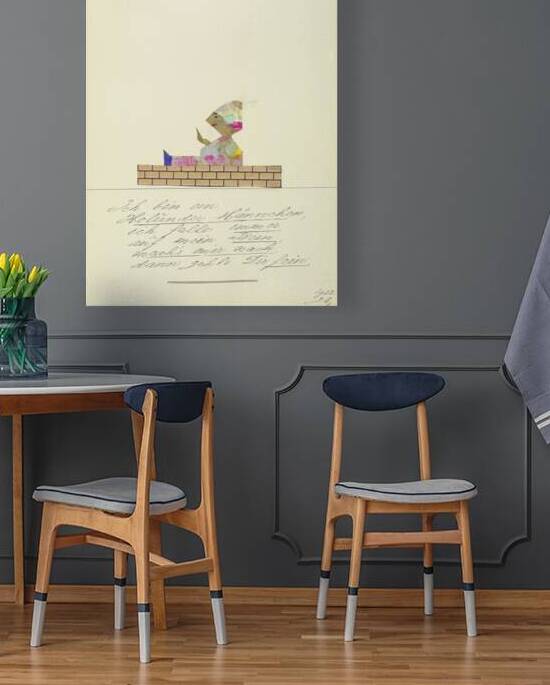
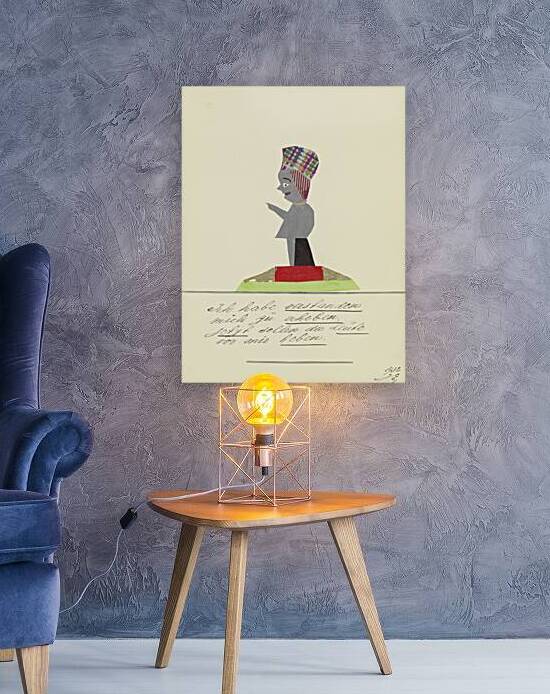
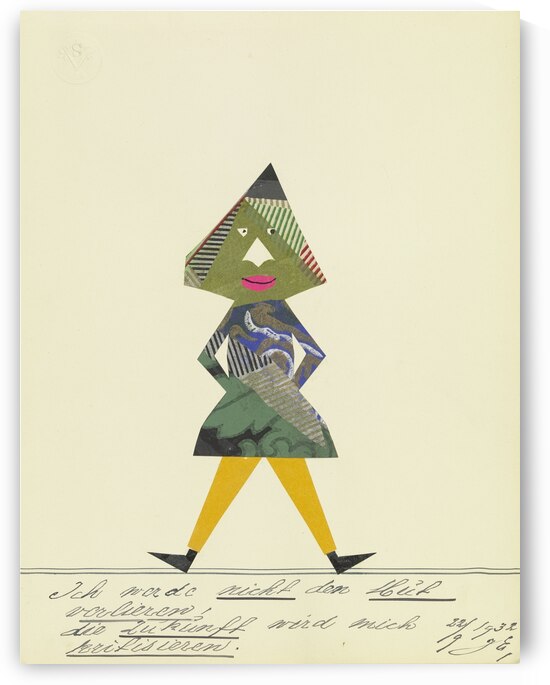
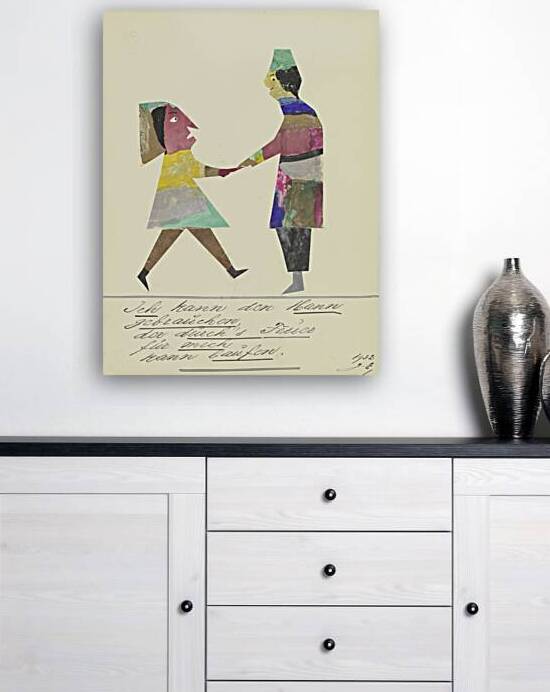
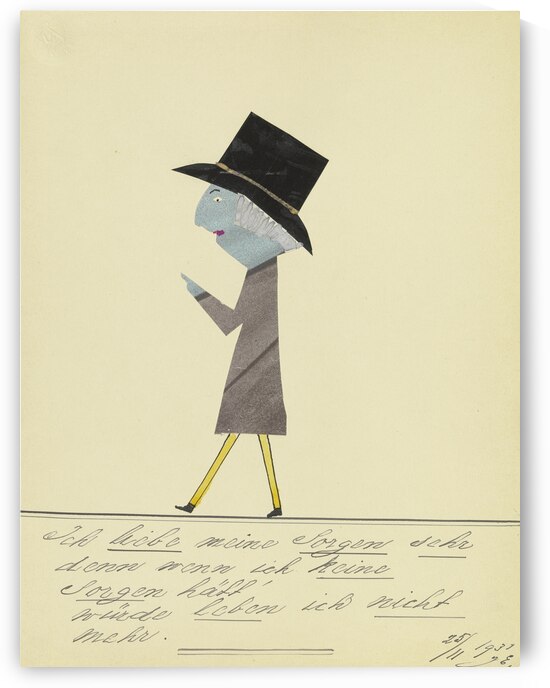
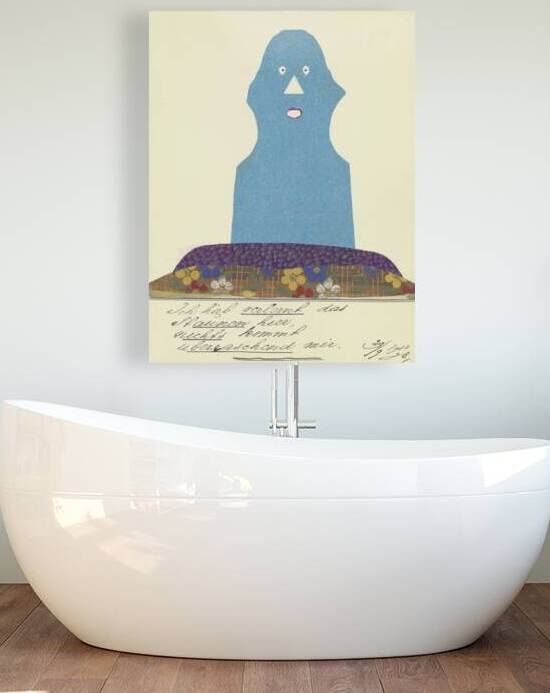
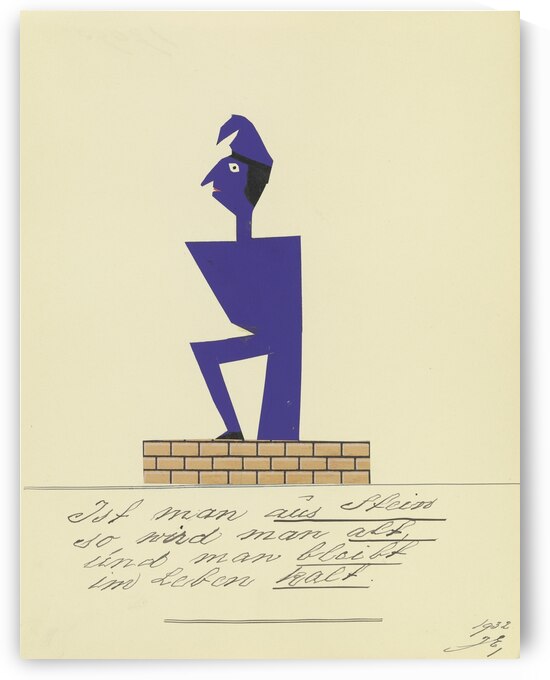
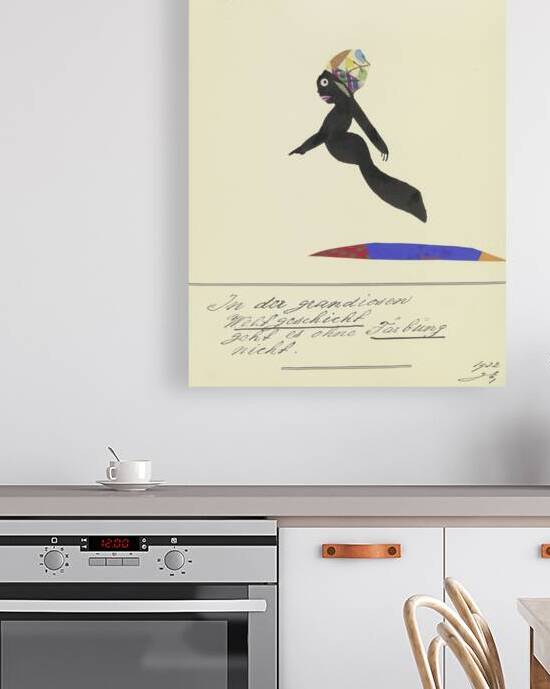
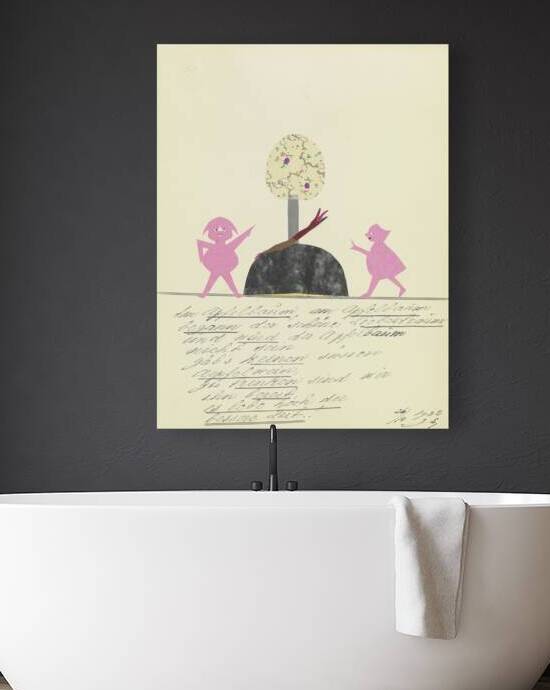
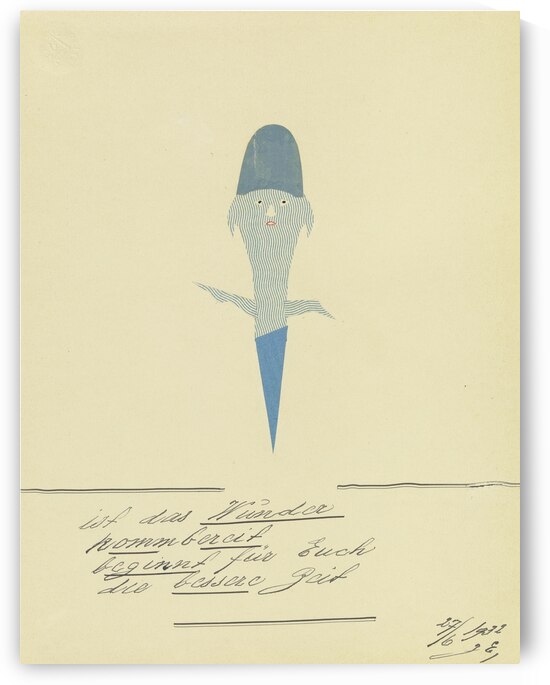
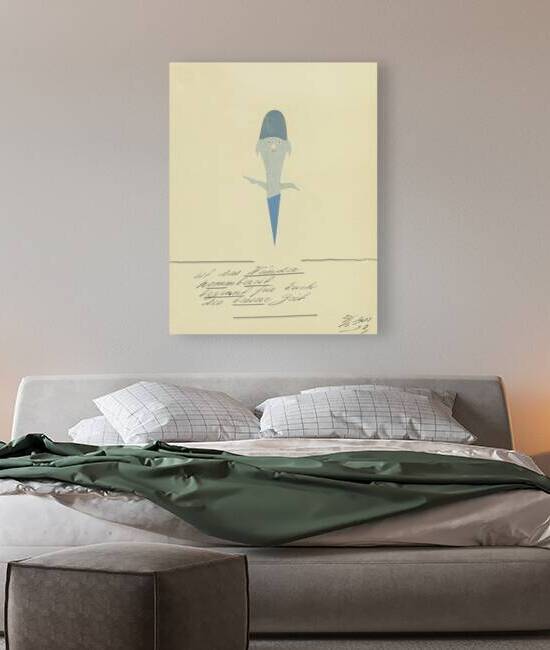
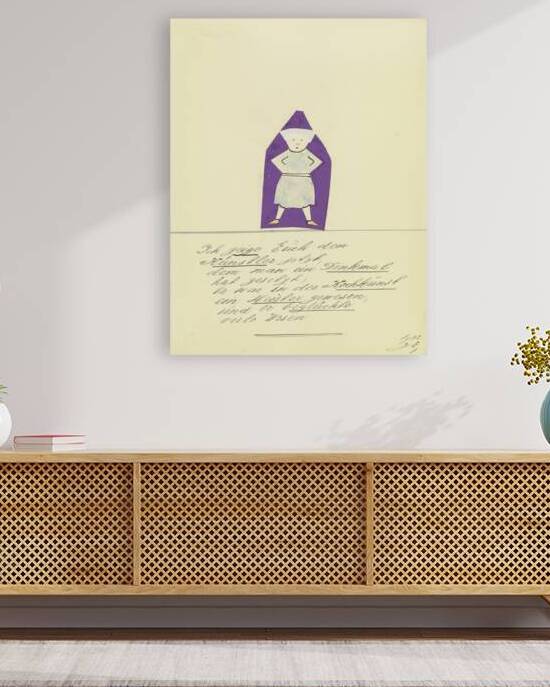
John Elsas a man of remarkable artistic vision embarked upon his unique creative journey at the age of 74 defying convention and the passage of time. His legacy comprising around 25 000 sheets of drawings collages and aphorisms reveals a profound and captivating exploration of the human experience marked by keen observations and a playful often ironic perspective.
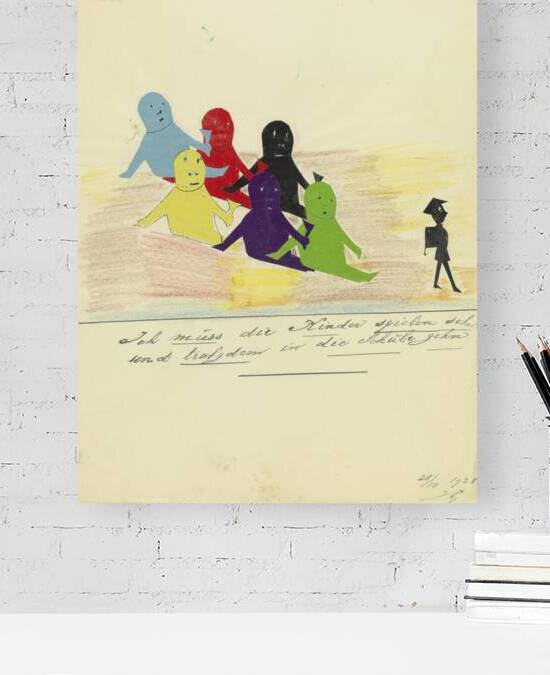
Born into a respected Jewish family in Frankfurt Elsas's professional life was firmly rooted in the world of finance as a banker and stockbroker. However the call of artistic expression lay dormant within him waiting to flourish in the most unexpected of seasons. It was in the early 1920s that Elsas began to compose rhymes and paint pictures initially for the delight of his beloved grandchildren. Little did he know that these humble beginnings would evolve into a prolific artistic endeavor that would captivate audiences far beyond his family circle.
By 1925 Elsas had honed his unmistakable style presenting his images adorned with rhyming verses that added depth and meaning to his creations. A severe illness rendered him housebound granting his art his undivided attention. As his artistic expression grew so did his reputation in the art world. Critics including the likes of Benno Reifenberg and Max Osborn hailed his work with praise recognizing its unique blend of whimsy and wisdom. In 1929 his work graced the prestigious walls of Herwarth Walden's Sturm Gallery in Berlin marking a significant milestone in his artistic journey.
Tragically his daughter Irma Elsas who had lovingly preserved his artistic legacy fell victim to the horrors of the Second World War. In 1942 she was deported to Theresienstadt where she perished in 1944. Miraculously the two sturdy wooden boxes containing Elsas's art survived passing into the hands of his grandson Herbert Raff in Zurich in 1954. Recognizing the significance of this treasure trove Raff generously donated it to the Foundation for Swiss naive art and art brut in St. Gallen Switzerland.
The Jewish Museum in collaboration with the Struwwelpeter Museum in Frankfurt am Main and the Museum im Lagerhaus in St. Gallen Switzerland presented an exhibition showcasing the brilliance of John Elsas's work. Approximately 200 of his drawings collages and aphorisms were on display shedding light on a man who though living in a different era found common ground with the celebrated neurologist Heinrich Hoffmann the creator of Struwwelpeter. Through his art Elsas delved into philosophical themes aphorisms the world of art Jewish identity Frankfurt and the stock exchange offering a unique perspective on the social and political structures of his time.
John Elsas's artistic legacy serves as a testament to the enduring power of creativity demonstrating that age is but a number when it comes to the pursuit of one's passions. His art continues to inspire and captivate a testament to the indomitable spirit of the human soul and the enduring power of artistic expression.
John Elsas a man of remarkable artistic vision embarked upon his unique creative journey at the age of 74 defying convention and the passage of time. His legacy comprising around 25 000 sheets of drawings collages and aphorisms reveals a profound and captivating exploration of the human experience marked by keen observations and a playful often ironic perspective.
Born into a respected Jewish family in Frankfurt Elsas's professional life was firmly rooted in the world of finance as a banker and stockbroker. However the call of artistic expression lay dormant within him waiting to flourish in the most unexpected of seasons. It was in the early 1920s that Elsas began to compose rhymes and paint pictures initially for the delight of his beloved grandchildren. Little did he know that these humble beginnings would evolve into a prolific artistic endeavor that would captivate audiences far beyond his family circle.
By 1925 Elsas had honed his unmistakable style presenting his images adorned with rhyming verses that added depth and meaning to his creations. A severe illness rendered him housebound granting his art his undivided attention. As his artistic expression grew so did his reputation in the art world. Critics including the likes of Benno Reifenberg and Max Osborn hailed his work with praise recognizing its unique blend of whimsy and wisdom. In 1929 his work graced the prestigious walls of Herwarth Walden's Sturm Gallery in Berlin marking a significant milestone in his artistic journey.
Tragically his daughter Irma Elsas who had lovingly preserved his artistic legacy fell victim to the horrors of the Second World War. In 1942 she was deported to Theresienstadt where she perished in 1944. Miraculously the two sturdy wooden boxes containing Elsas's art survived passing into the hands of his grandson Herbert Raff in Zurich in 1954. Recognizing the significance of this treasure trove Raff generously donated it to the Foundation for Swiss naive art and art brut in St. Gallen Switzerland.
The Jewish Museum in collaboration with the Struwwelpeter Museum in Frankfurt am Main and the Museum im Lagerhaus in St. Gallen Switzerland presented an exhibition showcasing the brilliance of John Elsas's work. Approximately 200 of his drawings collages and aphorisms were on display shedding light on a man who though living in a different era found common ground with the celebrated neurologist Heinrich Hoffmann the creator of Struwwelpeter. Through his art Elsas delved into philosophical themes aphorisms the world of art Jewish identity Frankfurt and the stock exchange offering a unique perspective on the social and political structures of his time.
John Elsas's artistic legacy serves as a testament to the enduring power of creativity demonstrating that age is but a number when it comes to the pursuit of one's passions. His art continues to inspire and captivate a testament to the indomitable spirit of the human soul and the enduring power of artistic expression.