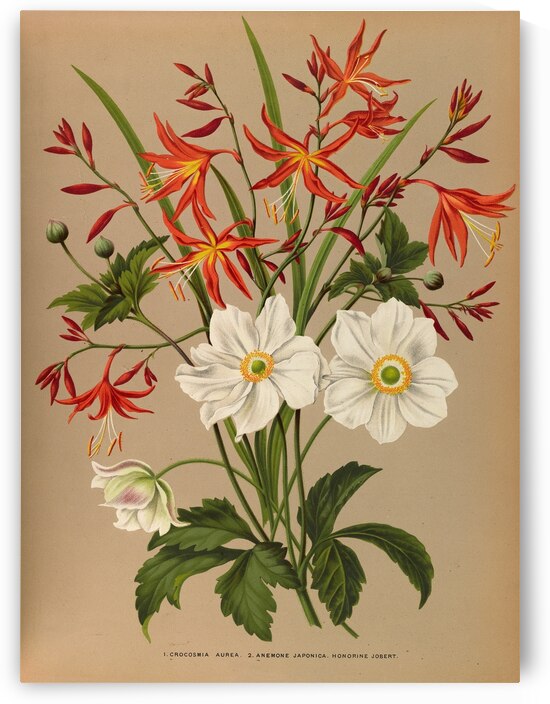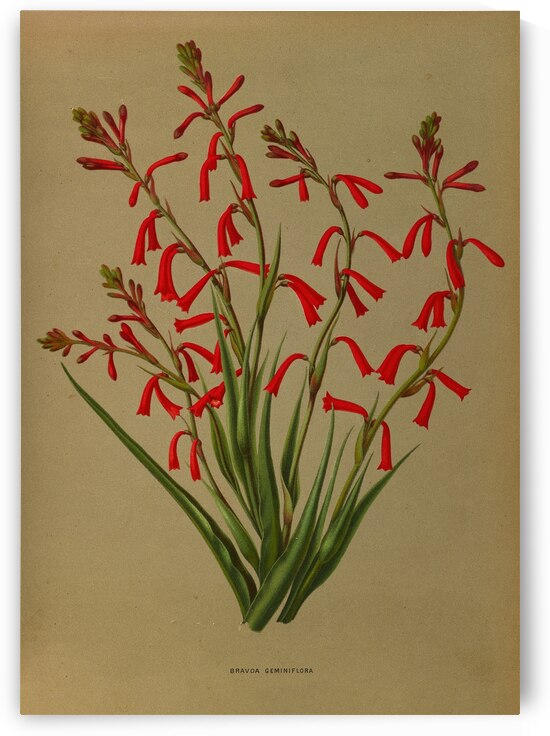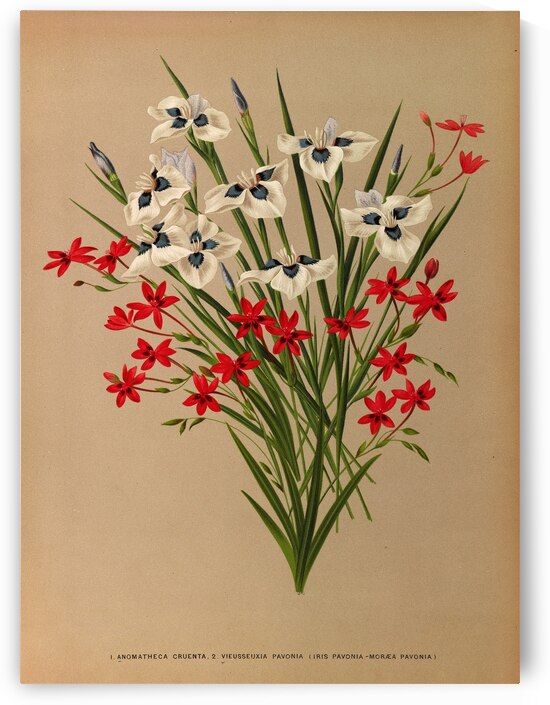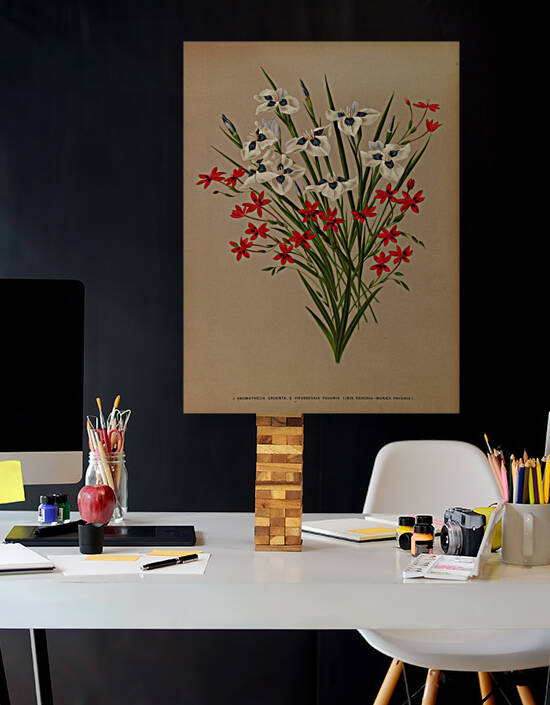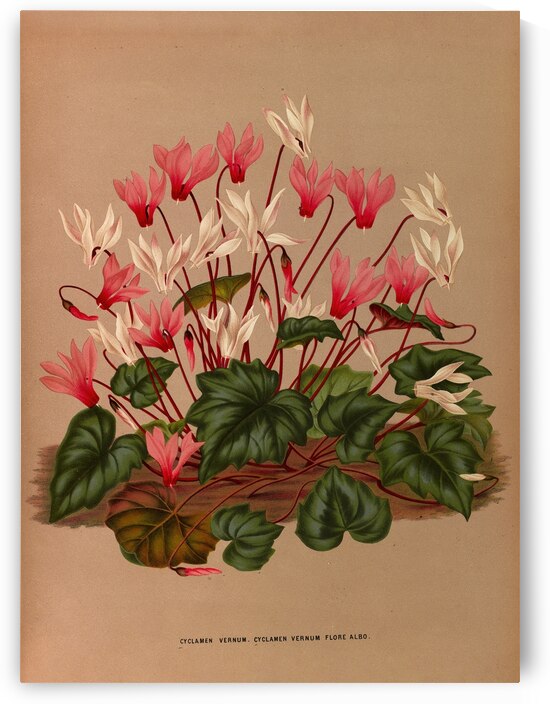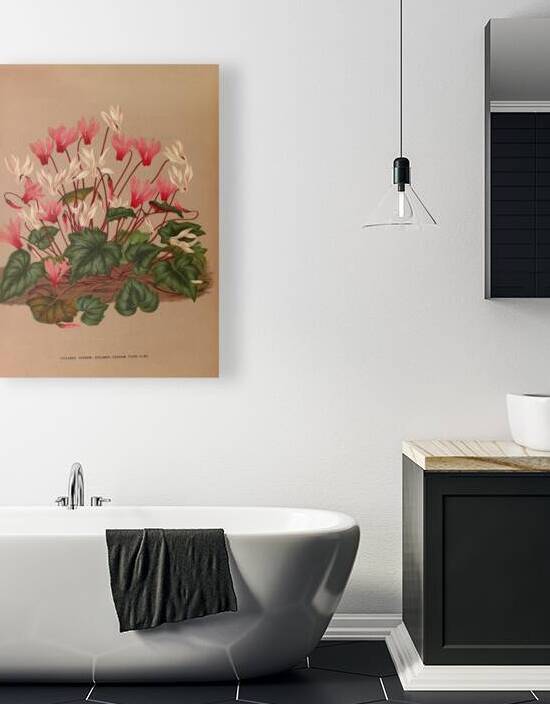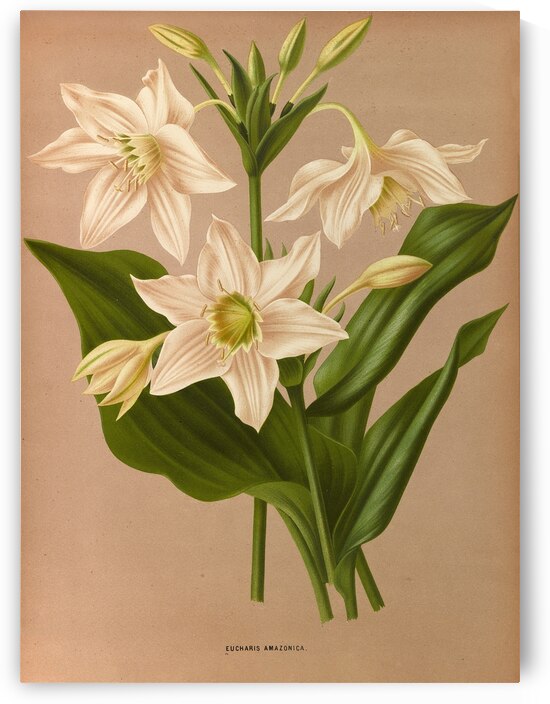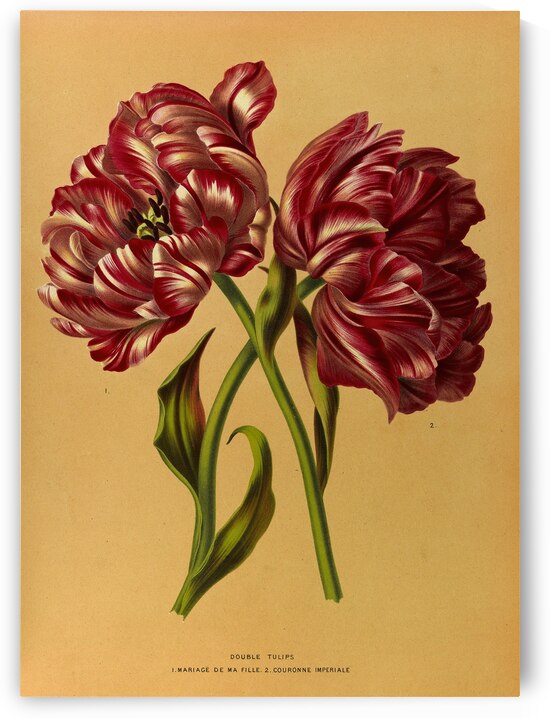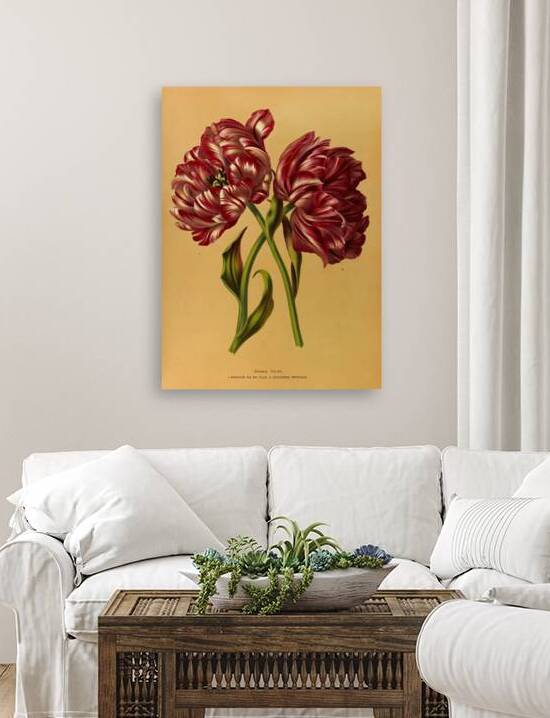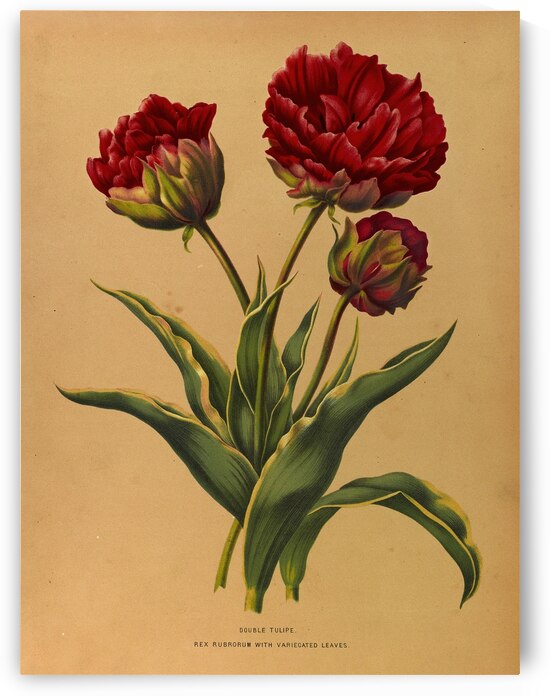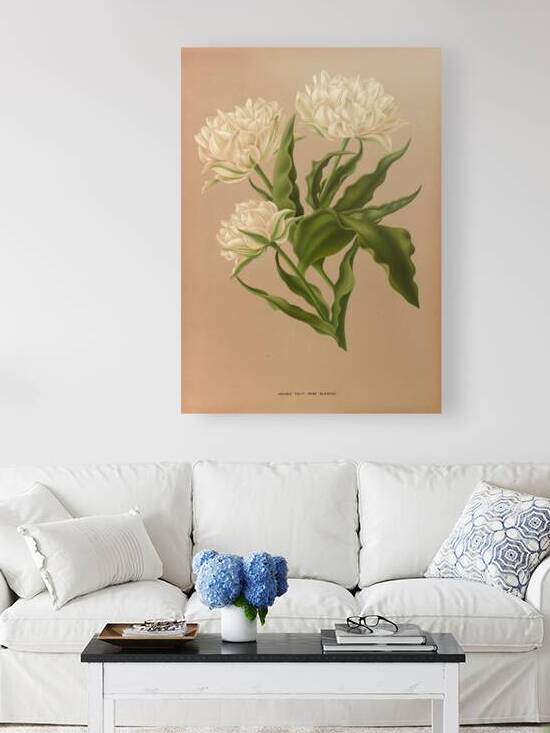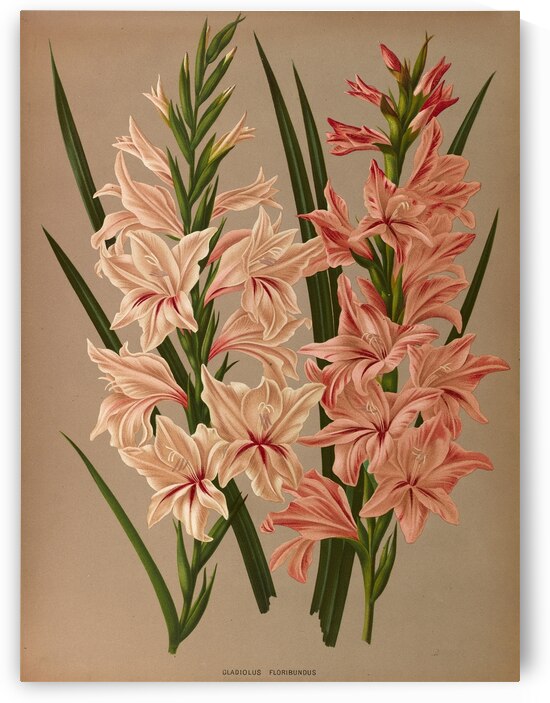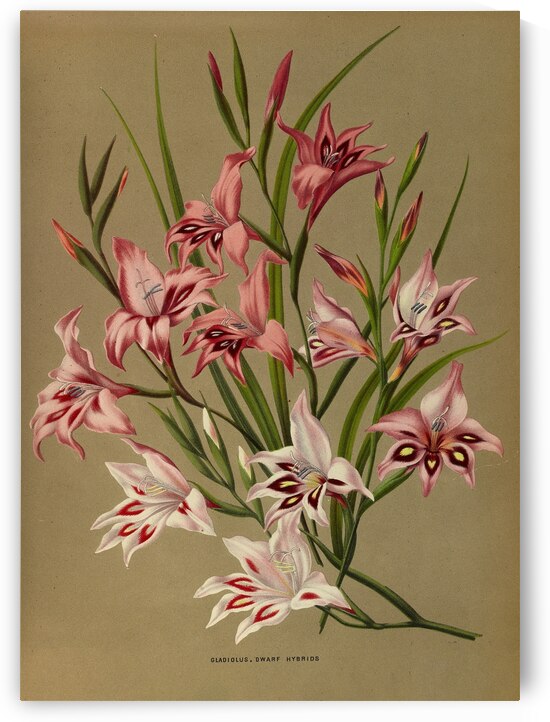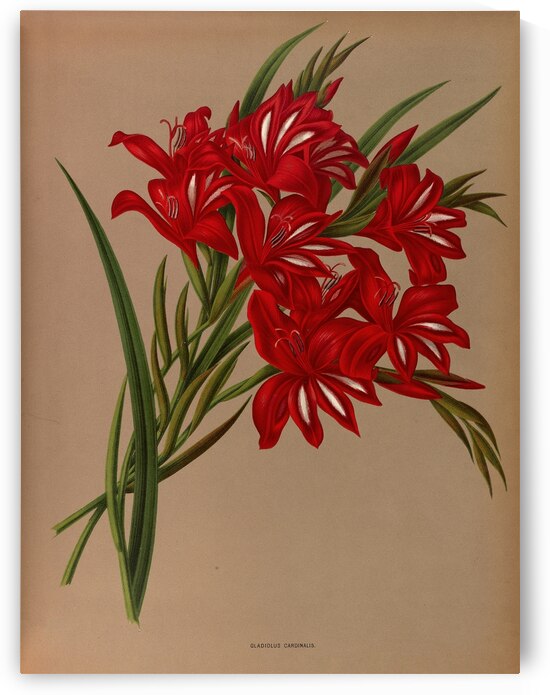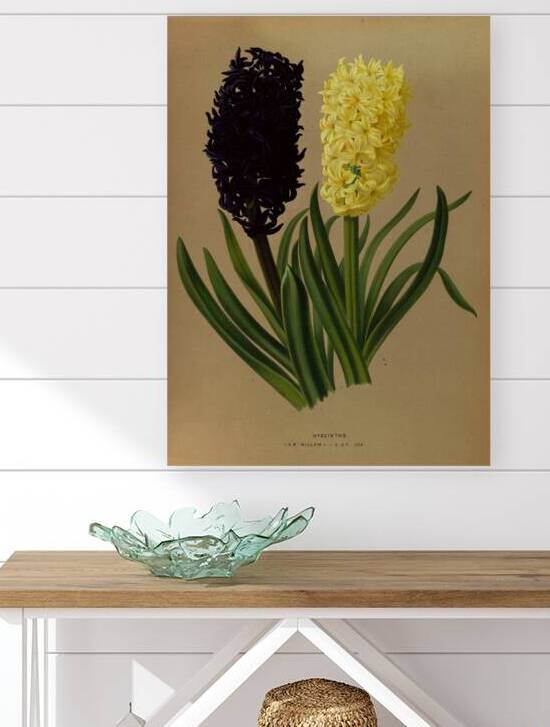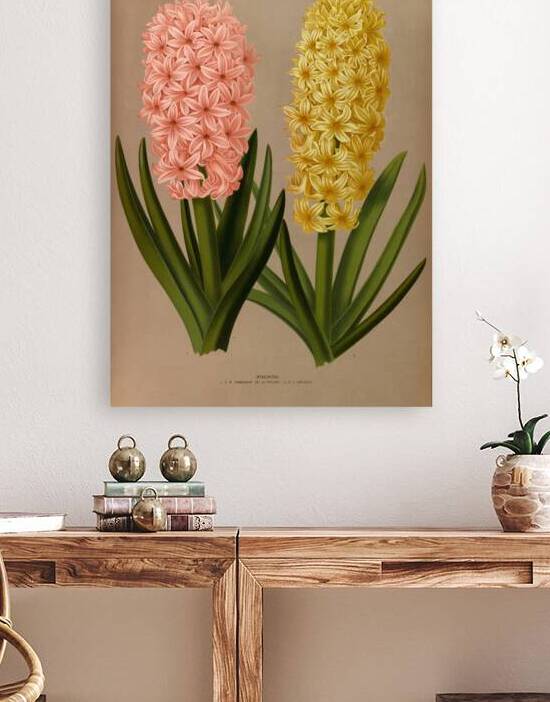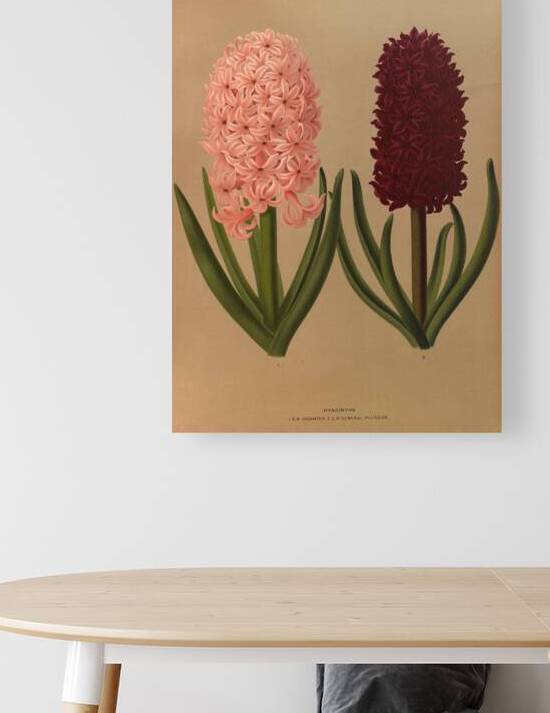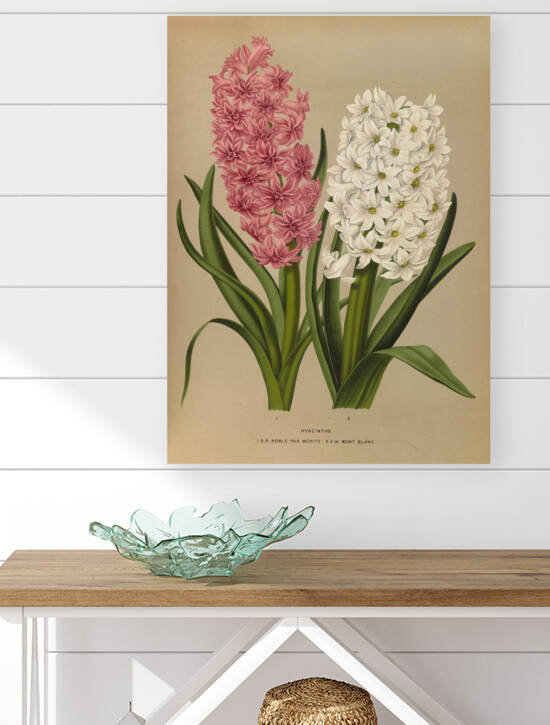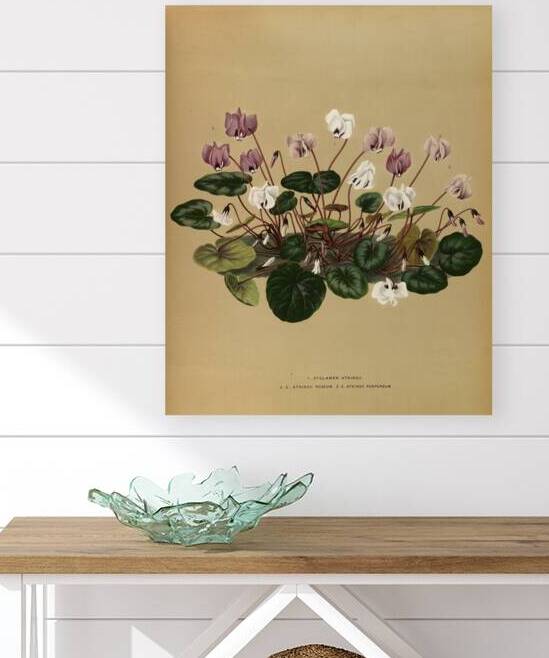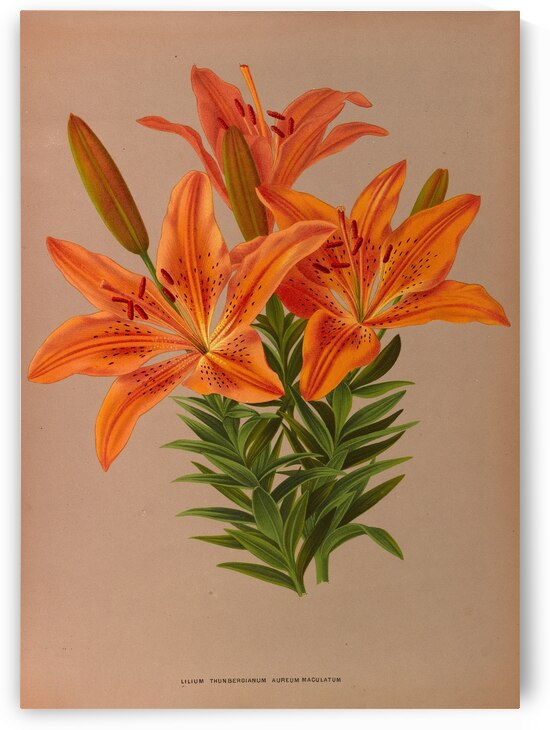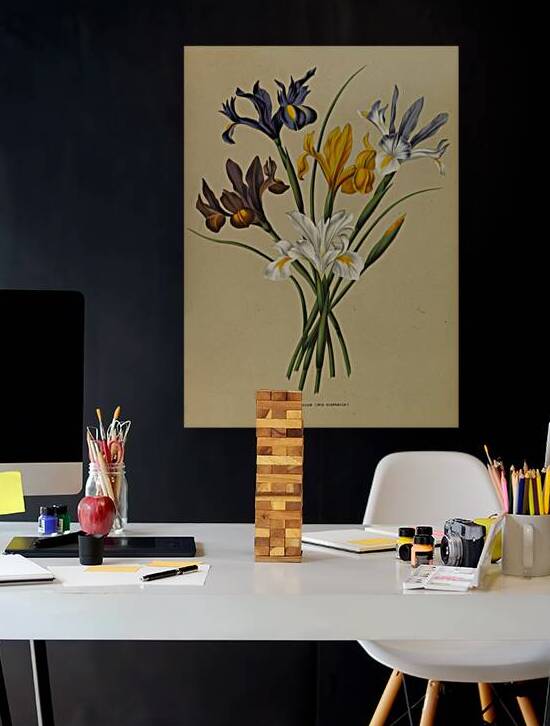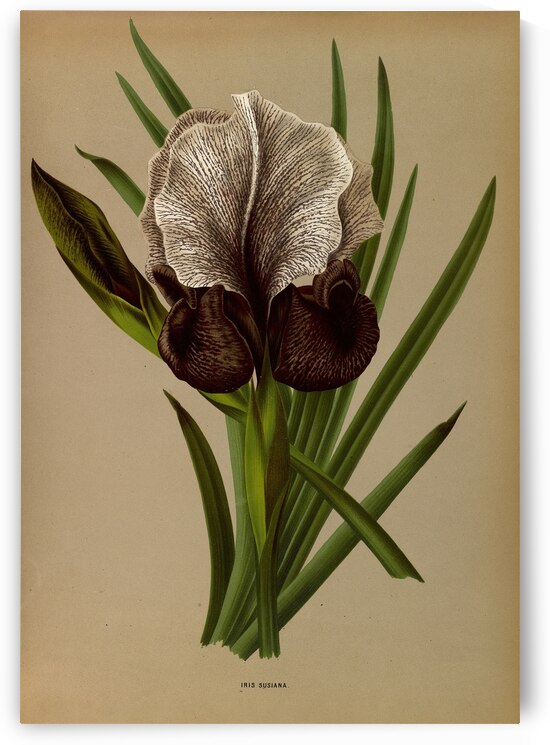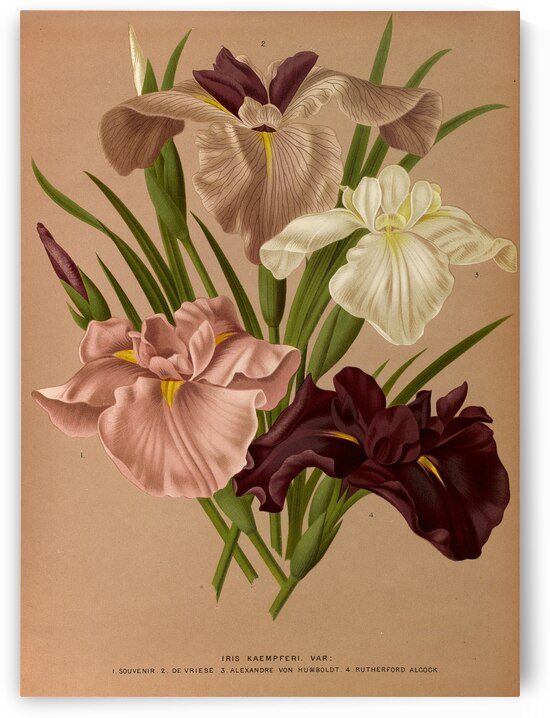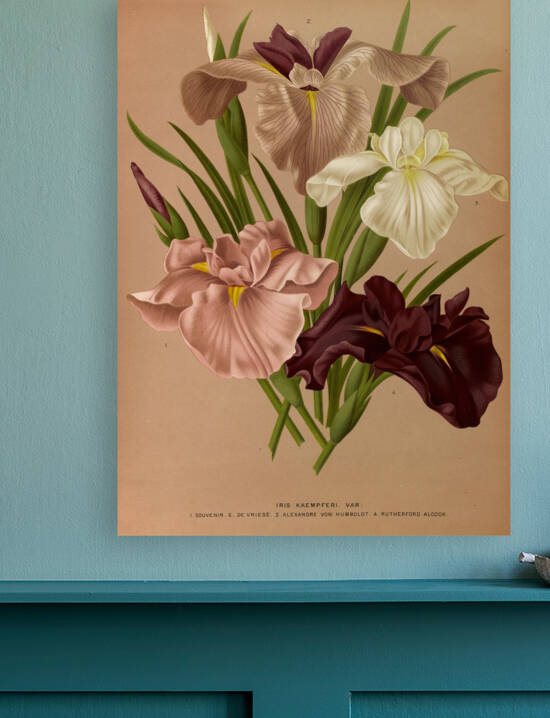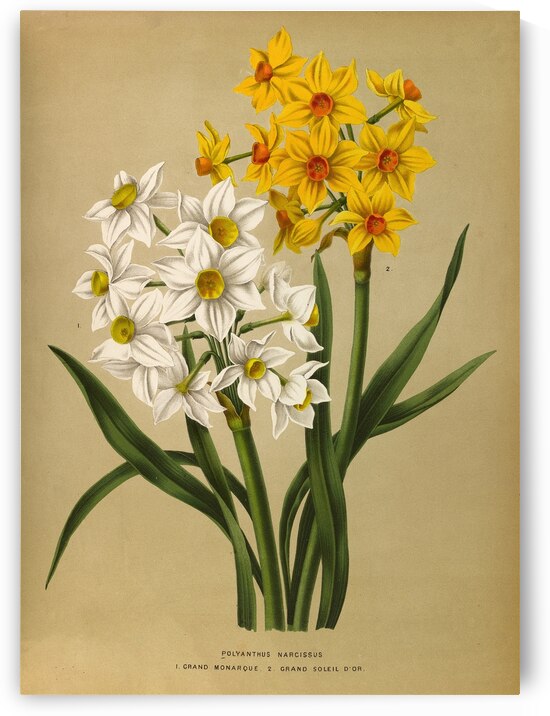



Album van Eeden: Haarlem’s flora - A.C. van Eeden Co. Arentine H. Arendsen Loosjes Erven and G. Severyns - 1872
Haarlem's Flora by Carolus Clusius 1506-1609
Early Years:
Born on February 19 1526 in Arras a part of the Holy Roman Empire now modern-day France Carolus Clusius originally named Charles de l'Écluse embarked on a lifelong journey that would profoundly impact the realm of botany. From an early age his insatiable curiosity and unrelenting thirst for knowledge set the stage for his remarkable contributions.
Education and Early Career:
Clusius pursued his higher education specializing in the fields of botany medicine and languages. He honed his skills in the garden of famed botanist Rembert Dodoens in Mechelen. His formative years were marked by extensive travels throughout Europe where he gathered plants seeds and knowledge laying the foundation for his future botanical endeavors.
Renowned Works:
Among Clusius's many contributions to the world of botany Haarlem's Flora shines as one of his most celebrated masterpieces. Published in 1601 this botanical magnum opus bore the full title Rariorum plantarum historia: quae accesserint proxima pagina docebit which translates to A History of Rare Plants.
Botanical Legacy:
Haarlem's Flora garnered acclaim for its meticulous descriptions and painstakingly crafted illustrations showcasing a diverse array of plant species many of which had remained hidden from the knowledge of European botanists during the Renaissance era. Clusius's dedication to meticulously documenting and nurturing these rare plants expanded the boundaries of botanical understanding.
Later Years
Carolus Clusius's influence transcended the pages of his botanical works. In his later years he assumed the role of a professor at the University of Leiden where he continued to shape the world of botany until his final days. On April 4 1609 in Leiden Netherlands Carolus Clusius breathed his last leaving behind a profound legacy that continues to flourish in the realms of plants and science.
Haarlem's Flora by Carolus Clusius 1506-1609
Early Years:
Born on February 19 1526 in Arras a part of the Holy Roman Empire now modern-day France Carolus Clusius originally named Charles de l'Écluse embarked on a lifelong journey that would profoundly impact the realm of botany. From an early age his insatiable curiosity and unrelenting thirst for knowledge set the stage for his remarkable contributions.
Education and Early Career:
Clusius pursued his higher education specializing in the fields of botany medicine and languages. He honed his skills in the garden of famed botanist Rembert Dodoens in Mechelen. His formative years were marked by extensive travels throughout Europe where he gathered plants seeds and knowledge laying the foundation for his future botanical endeavors.
Renowned Works:
Among Clusius's many contributions to the world of botany Haarlem's Flora shines as one of his most celebrated masterpieces. Published in 1601 this botanical magnum opus bore the full title Rariorum plantarum historia: quae accesserint proxima pagina docebit which translates to A History of Rare Plants.
Botanical Legacy:
Haarlem's Flora garnered acclaim for its meticulous descriptions and painstakingly crafted illustrations showcasing a diverse array of plant species many of which had remained hidden from the knowledge of European botanists during the Renaissance era. Clusius's dedication to meticulously documenting and nurturing these rare plants expanded the boundaries of botanical understanding.
Later Years
Carolus Clusius's influence transcended the pages of his botanical works. In his later years he assumed the role of a professor at the University of Leiden where he continued to shape the world of botany until his final days. On April 4 1609 in Leiden Netherlands Carolus Clusius breathed his last leaving behind a profound legacy that continues to flourish in the realms of plants and science.