

 19973
19973
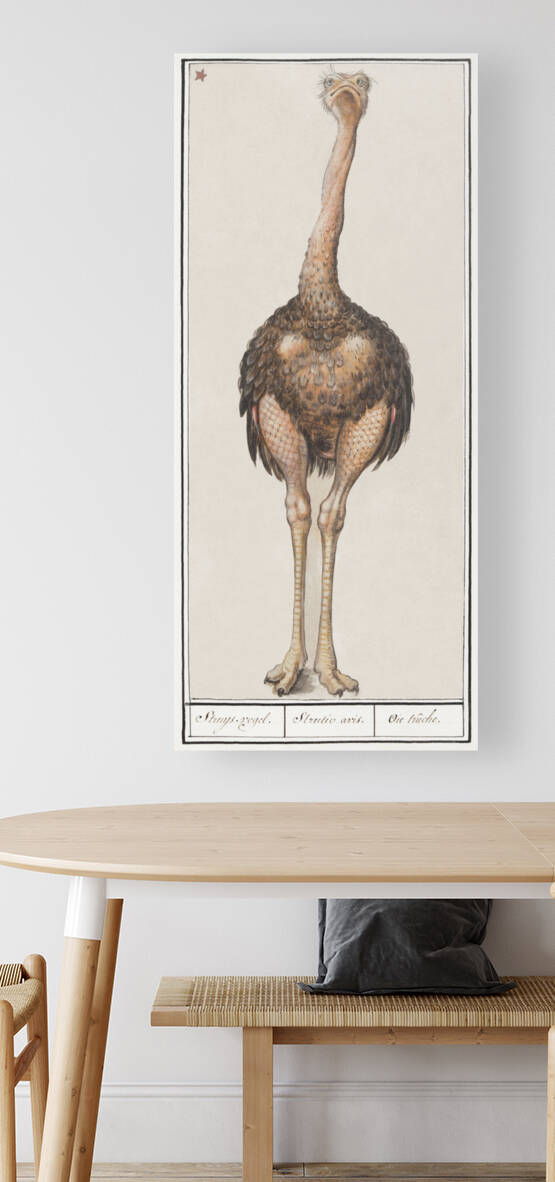
Anselmus Boëtius de Boodt: Pioneering Naturalist and Mineralogist 1550-1632
Early Life and Education
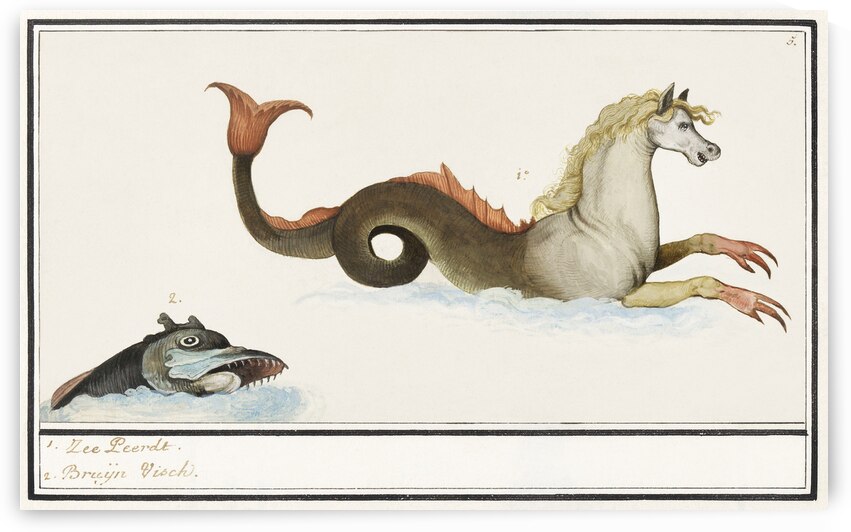
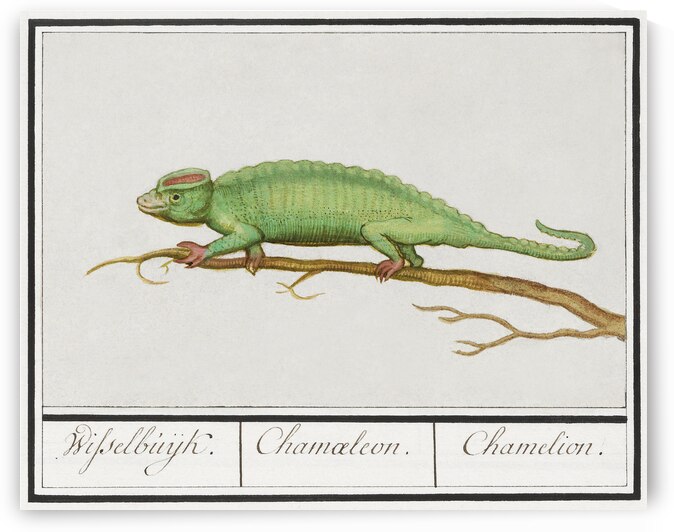
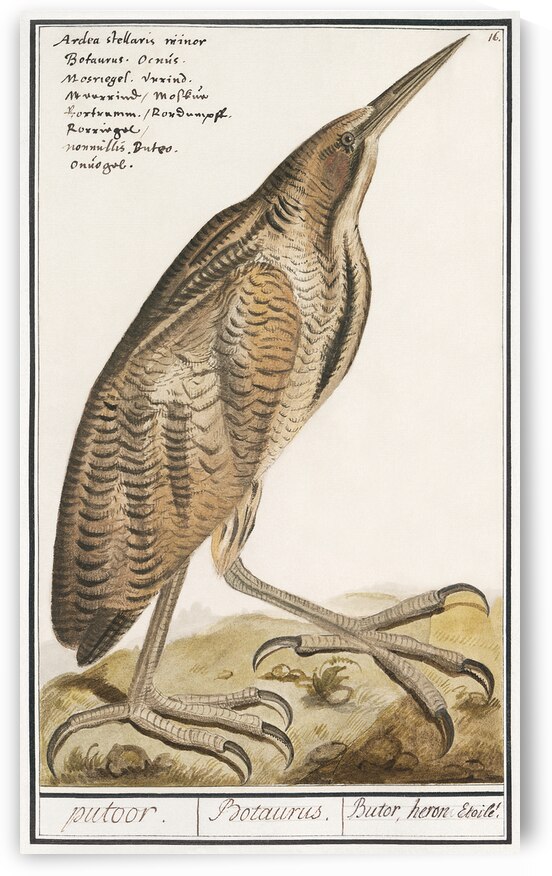
Anselmus Boëtius de Boodt was born on October 21 1550 in Bruges and he passed away on June 21 1632 in Prague. He was a prominent figure in the world of 16th-century natural history. Growing up in the vibrant intellectual atmosphere of the Habsburg Netherlands he developed a deep curiosity about the natural world from an early age. His thirst for knowledge led him to pursue a comprehensive education in various scientific disciplines.
Contributions to Mineralogy
De Boodt's most enduring legacy lies in his groundbreaking contributions to mineralogy. In 1609 he published his magnum opus Gemmae et Lapidum Historia History of Gems and Stones . This seminal work was one of the earliest systematic treatises on minerals and gemstones featuring detailed descriptions and intricate illustrations. Anselmus Boëtius de Boodt's meticulous research laid the foundation for the study of minerals and gemstones earning him a place of honor among early naturalists.
Interests in Medicine and Botany
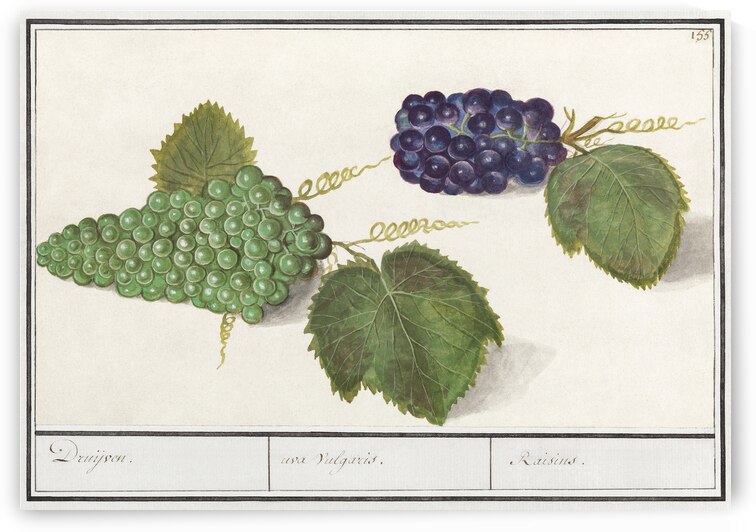
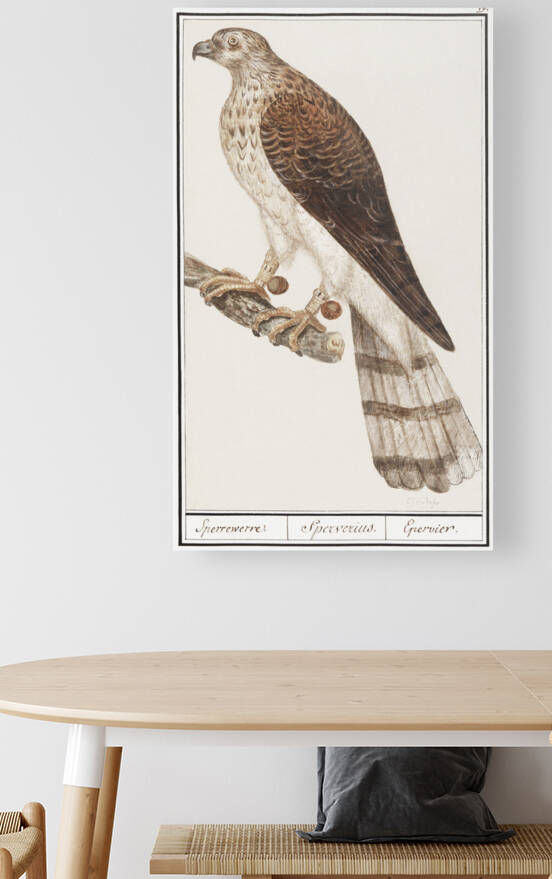
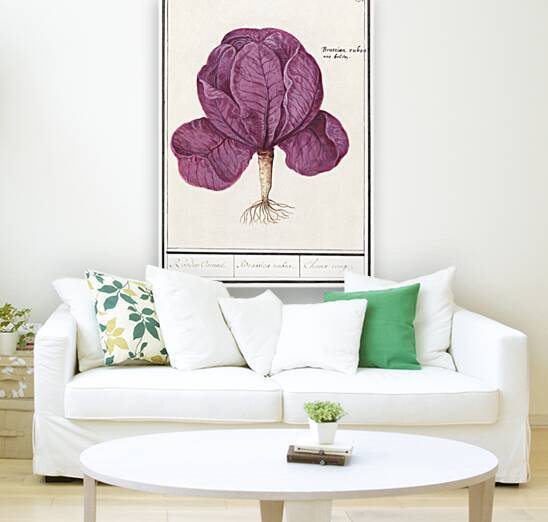
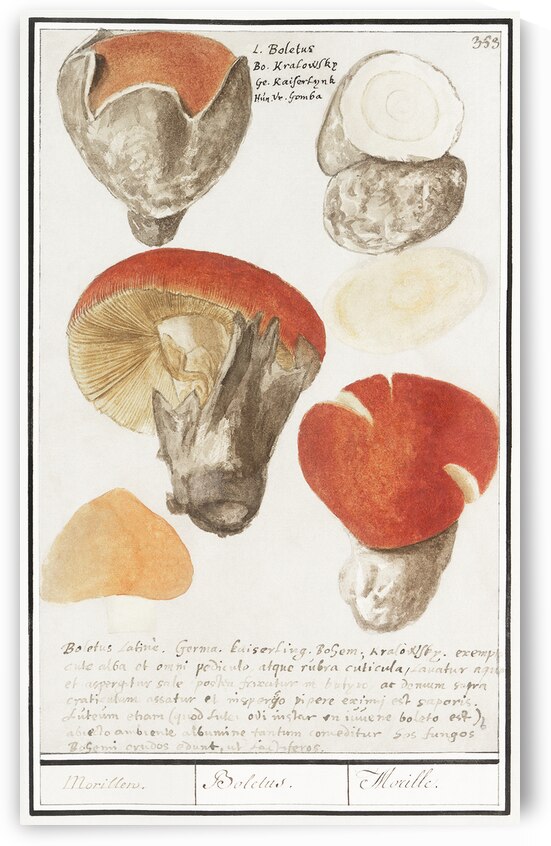
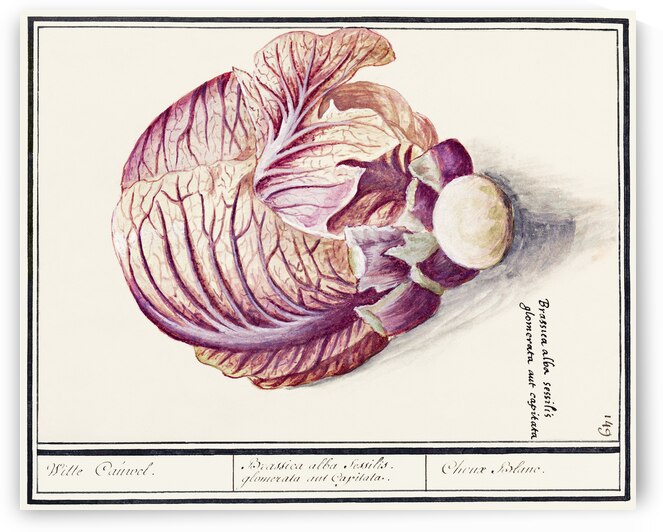
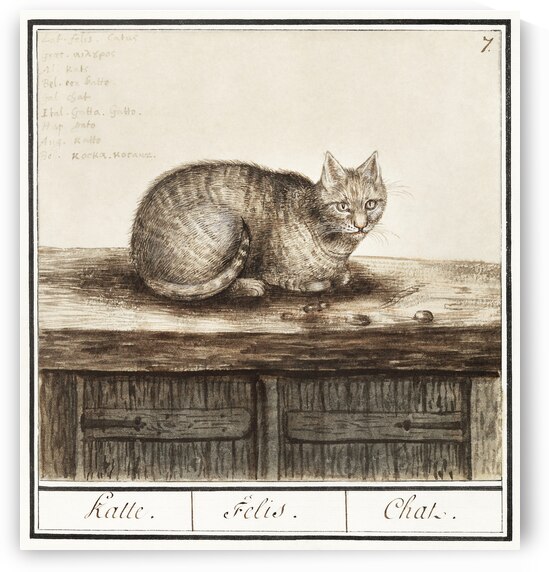
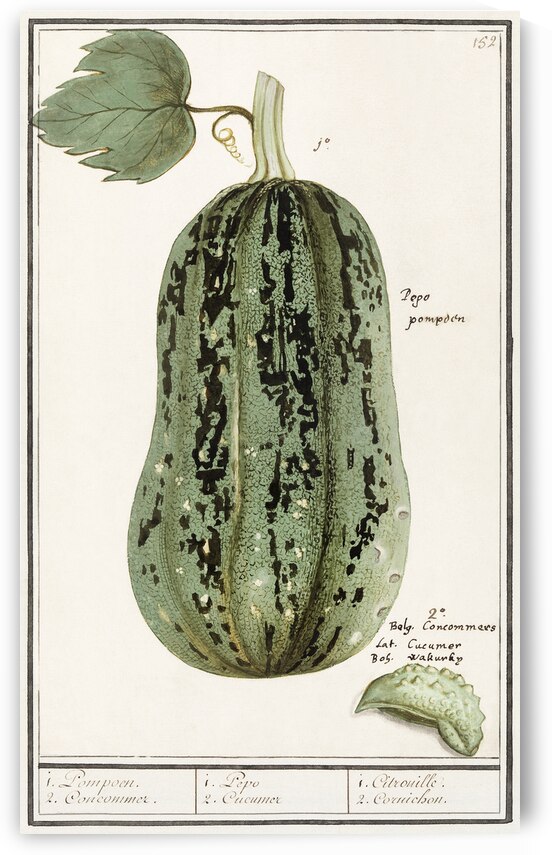
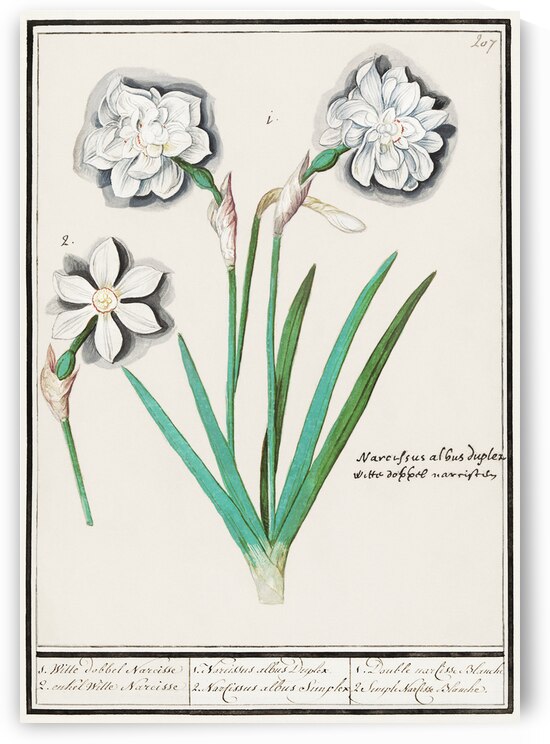
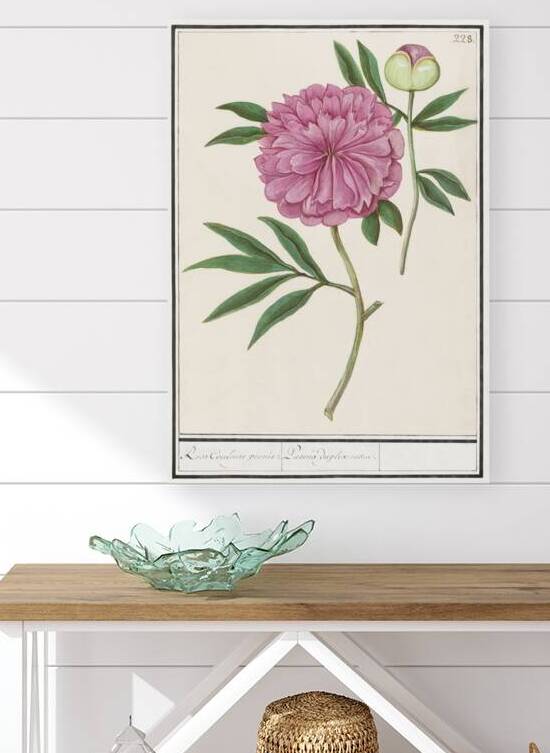
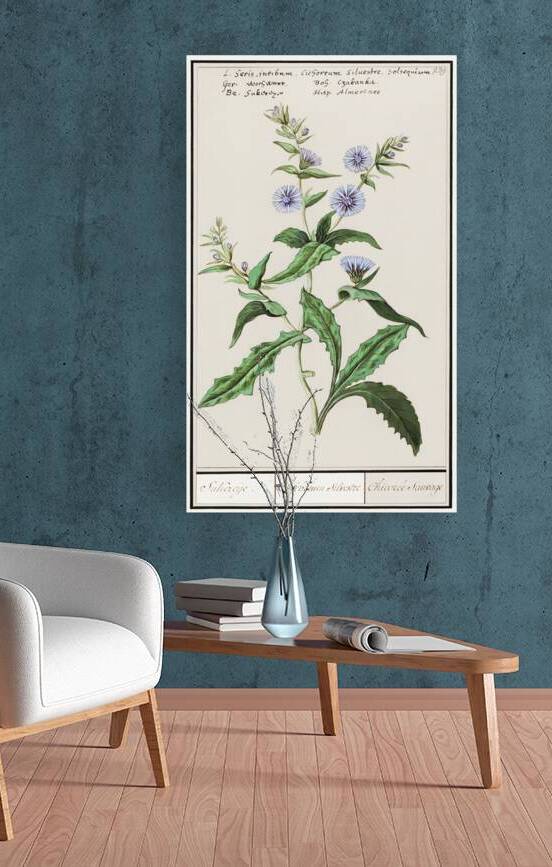
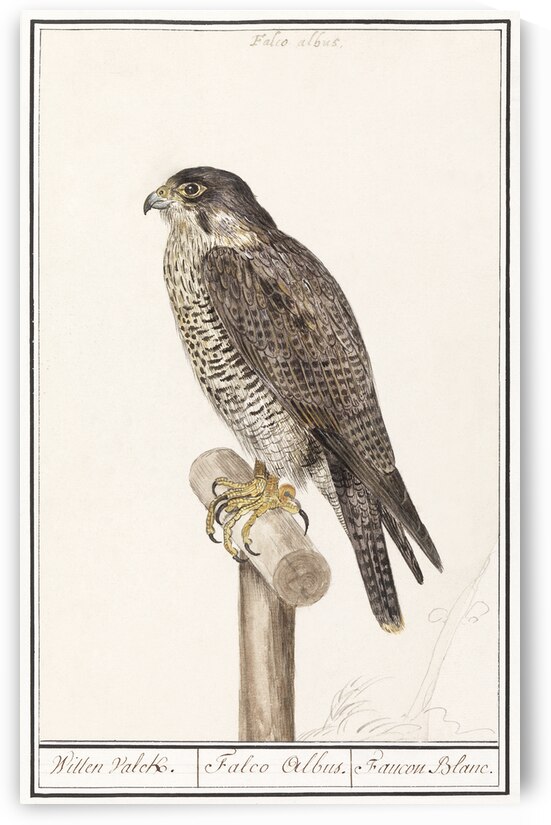
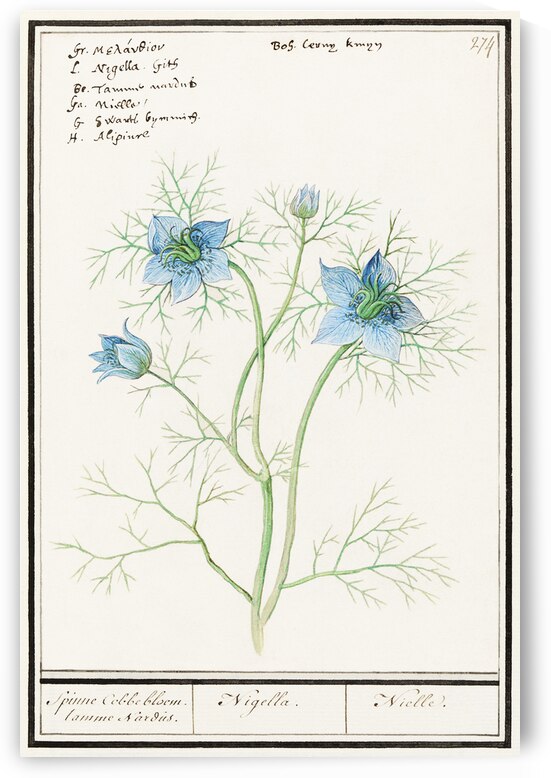
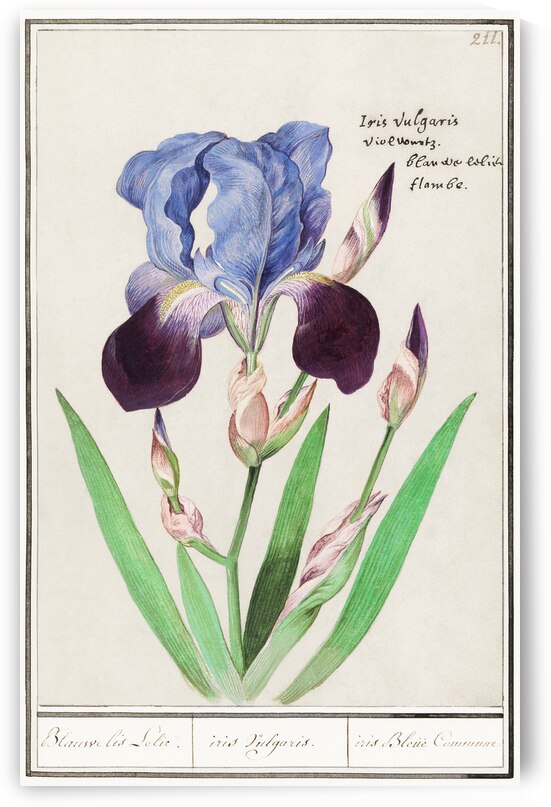
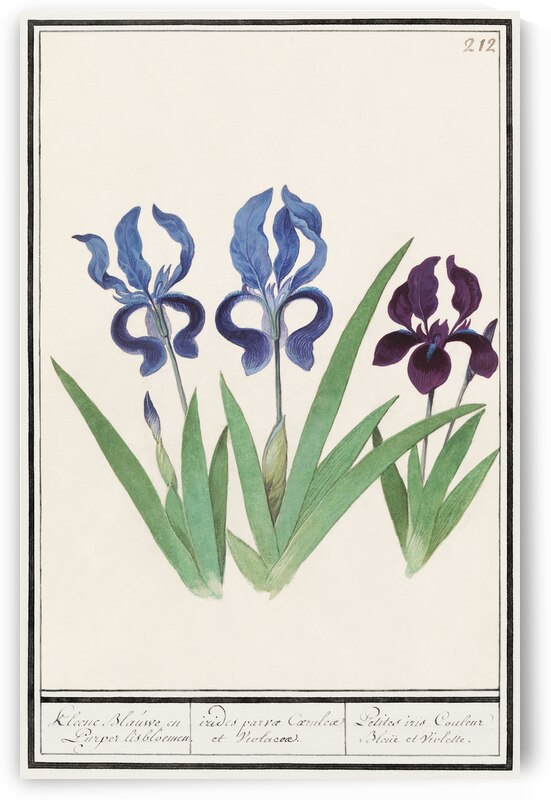
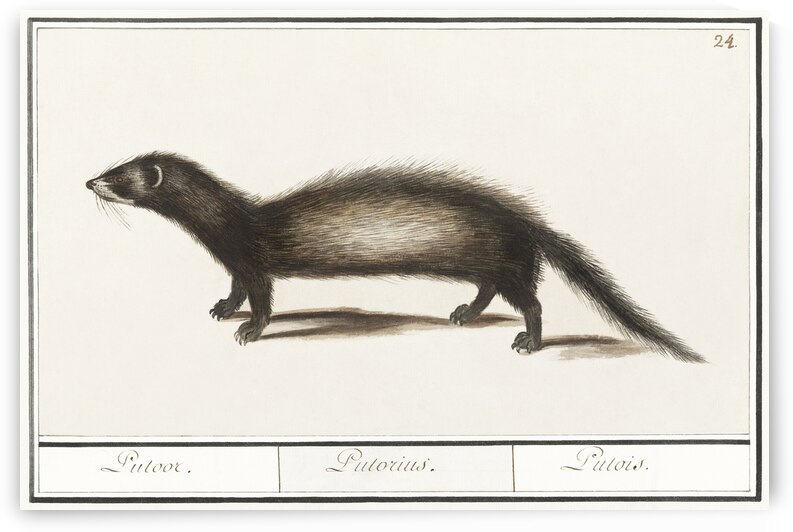
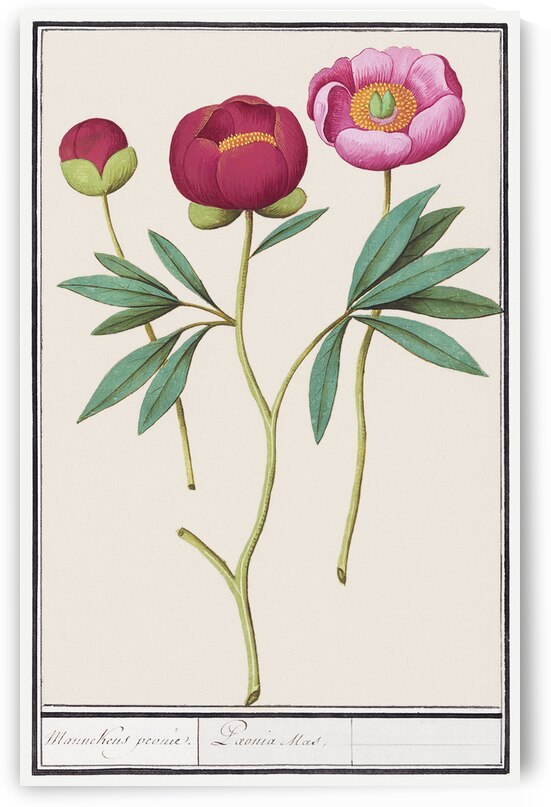
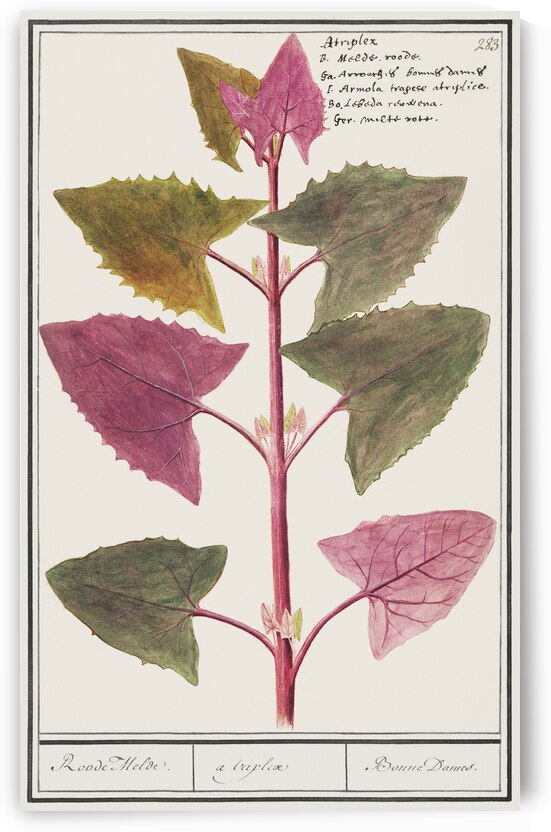
Beyond his work in mineralogy Anselmus Boëtius de Boodt made notable contributions to the fields of medicine and botany. His holistic approach to the study of nature exemplified the Renaissance spirit of inquiry seeking to understand the interconnectedness of the natural world.
Legacy
Anselmus Boëtius de Boodt's insatiable curiosity and dedication to scientific inquiry continue to inspire scholars and enthusiasts alike. His pioneering efforts in documenting and categorizing minerals and gemstones laid the groundwork for future generations of naturalists and mineralogists. His legacy serves as a testament to the enduring power of curiosity and exploration in expanding our understanding of the world around us.
Personal Life and Enduring Impact
Anselmus Boëtius de Boodt passed away on June 21 1632 in Prague which was then part of the Holy Roman Empire. His influence endures through his written works which remain valuable resources for those interested in the natural sciences. Today we celebrate his life and contributions recognizing his pivotal role in shaping our understanding of the Earth's geological treasures.
Early Life and Education
Anselmus Boëtius de Boodt was born on October 21 1550 in Bruges and he passed away on June 21 1632 in Prague. He was a prominent figure in the world of 16th-century natural history. Growing up in the vibrant intellectual atmosphere of the Habsburg Netherlands he developed a deep curiosity about the natural world from an early age. His thirst for knowledge led him to pursue a comprehensive education in various scientific disciplines.
Contributions to Mineralogy
De Boodt's most enduring legacy lies in his groundbreaking contributions to mineralogy. In 1609 he published his magnum opus Gemmae et Lapidum Historia History of Gems and Stones . This seminal work was one of the earliest systematic treatises on minerals and gemstones featuring detailed descriptions and intricate illustrations. Anselmus Boëtius de Boodt's meticulous research laid the foundation for the study of minerals and gemstones earning him a place of honor among early naturalists.
Interests in Medicine and Botany
Beyond his work in mineralogy Anselmus Boëtius de Boodt made notable contributions to the fields of medicine and botany. His holistic approach to the study of nature exemplified the Renaissance spirit of inquiry seeking to understand the interconnectedness of the natural world.
Legacy
Anselmus Boëtius de Boodt's insatiable curiosity and dedication to scientific inquiry continue to inspire scholars and enthusiasts alike. His pioneering efforts in documenting and categorizing minerals and gemstones laid the groundwork for future generations of naturalists and mineralogists. His legacy serves as a testament to the enduring power of curiosity and exploration in expanding our understanding of the world around us.
Personal Life and Enduring Impact
Anselmus Boëtius de Boodt passed away on June 21 1632 in Prague which was then part of the Holy Roman Empire. His influence endures through his written works which remain valuable resources for those interested in the natural sciences. Today we celebrate his life and contributions recognizing his pivotal role in shaping our understanding of the Earth's geological treasures.