

 19973
19973
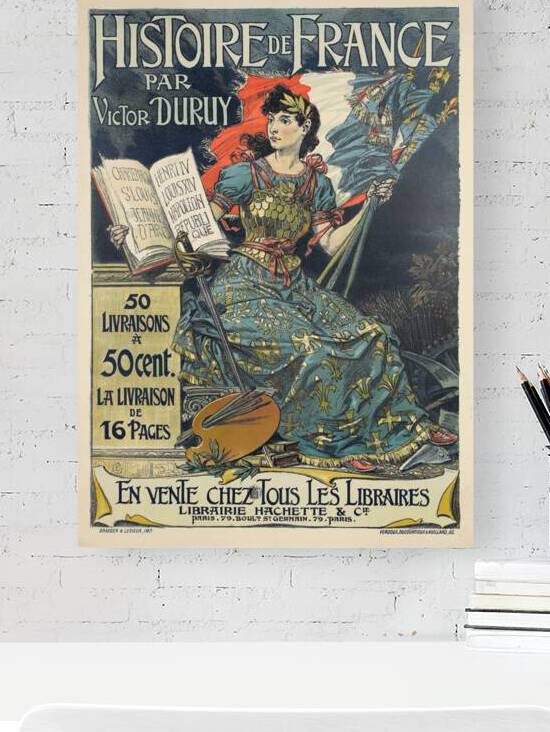
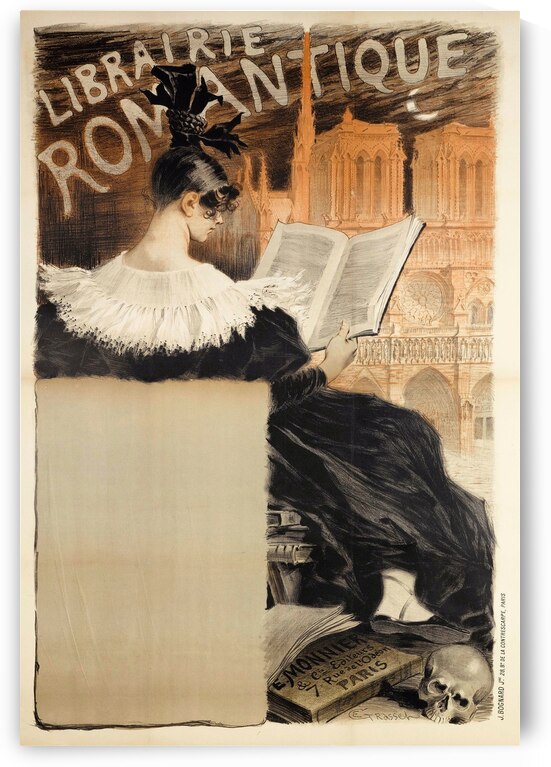
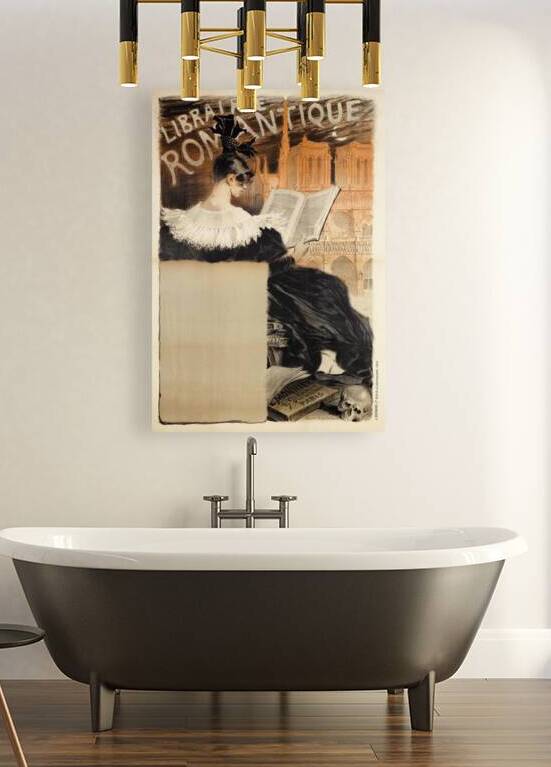
Eugène Samuel Grasset French 1841-1917
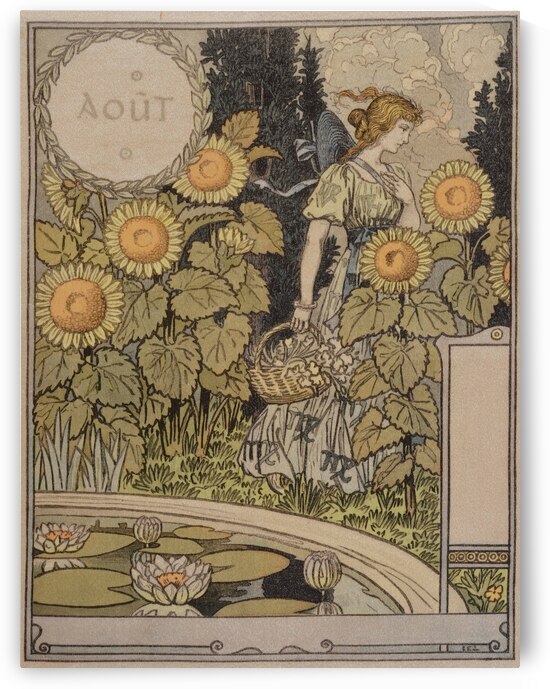
Eugène Samuel Grasset was a Swiss decorative artist who worked in Paris France in a variety of creative design fields during the Belle Époque. He is considered a pioneer in Art Nouveau design.
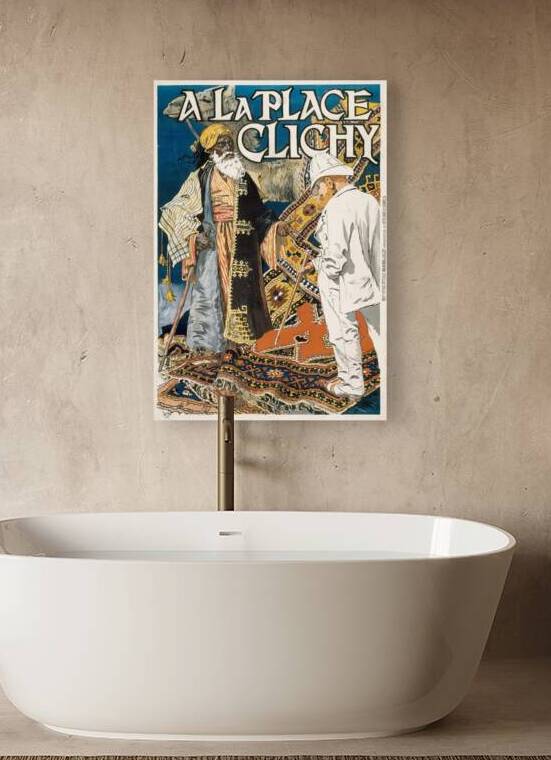
Grasset was born in Lausanne Switzerland on 25 May 1845. He was raised in an artistic environment as the son of a cabinetmaker and sculptor who taught him at an early age how to use the chisel and the gouge. He studied drawing under Francois-Louis David Bocion 1828–1890 and in 1861 went to Zürich to study architecture. After completing his education he visited Egypt an experience that would later be reflected in a number of his poster designs. He became an admirer of Japanese art which influenced some of his designs as well.
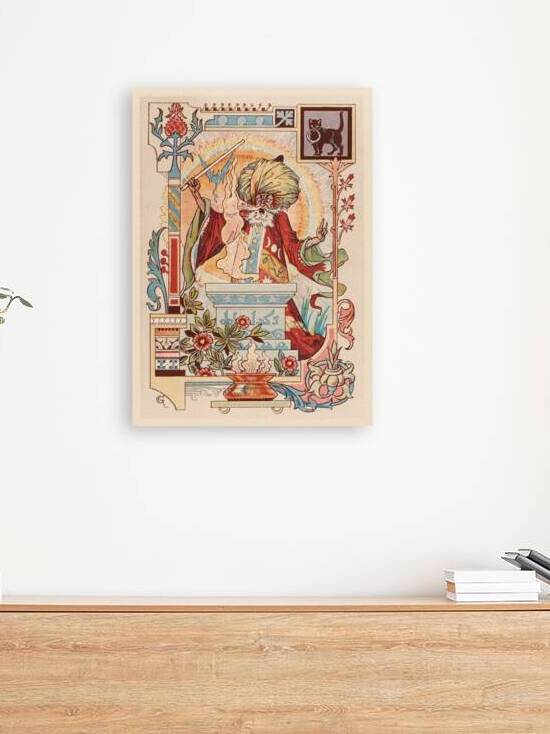
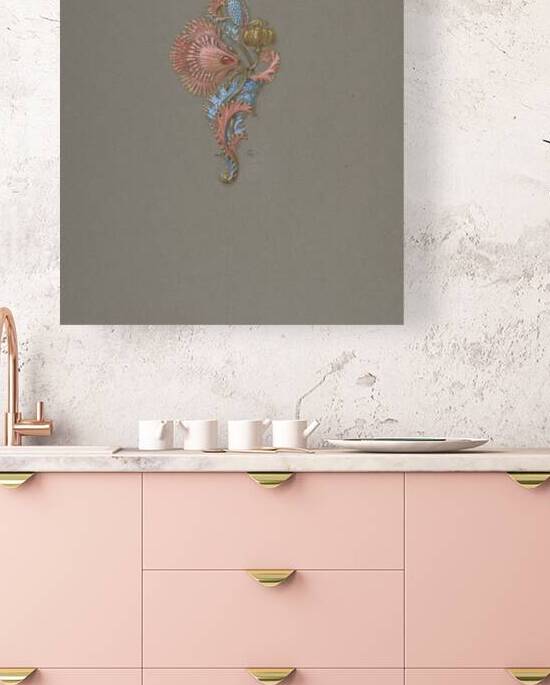
Between 1869 and 1870 Grasset worked as a painter and sculptor in Lausanne. He moved to Paris in 1871 where he designed furniture wallpapers fabrics and tapestries as well as ceramics and jewelry. He created architectural elements of woodwork that were integrated into buildings. His fine art decorative pieces were crafted from ivory gold and other precious materials in unique combinations and his creations are considered a cornerstone of Art Nouveau motifs and patterns.
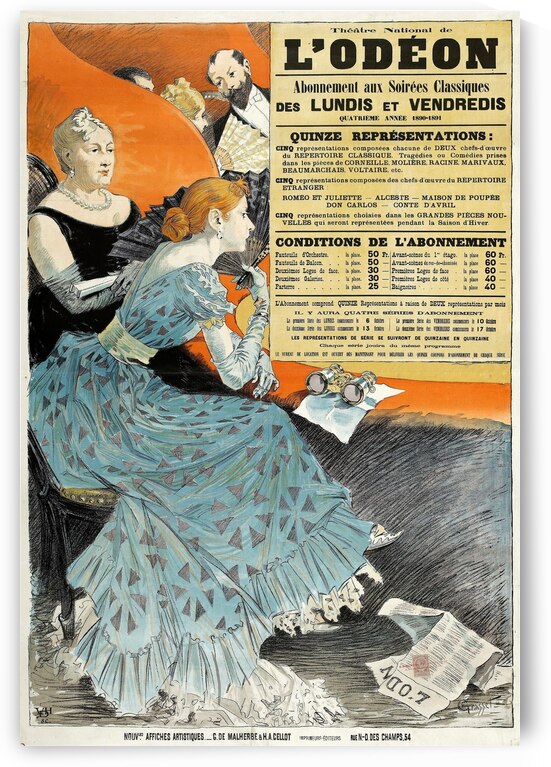
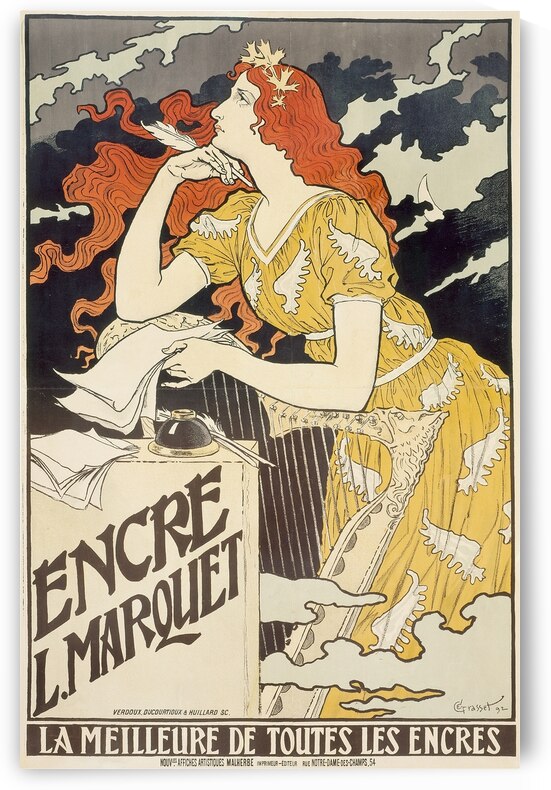
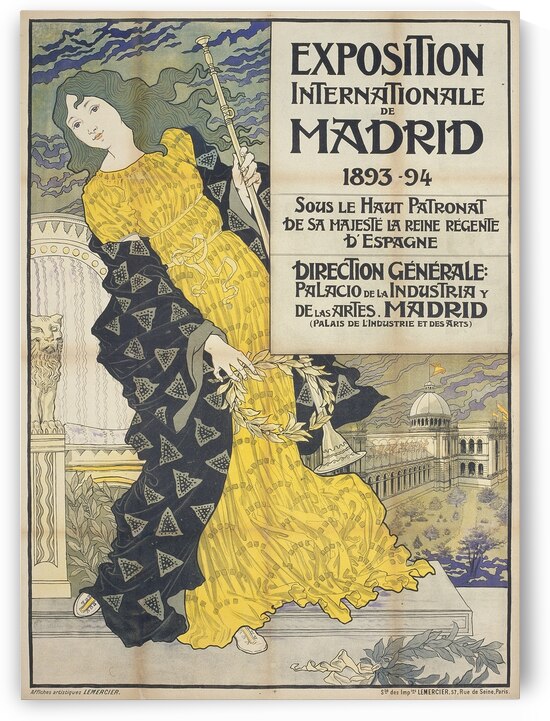
In 1877 Eugène Grasset turned to graphic design producing income-generating products such as postcards and eventually postage stamps for both France and Switzerland. It was poster art however that quickly became his forte. Some of his works became part of the Maîtres de l'Affiche including his lithograph Jeanne d'Arc Sarah Bernhardt . In 1890 he designed the Semeuse who spreads seeds of dandelion logo used by the dictionary publishers Éditions Larousse.
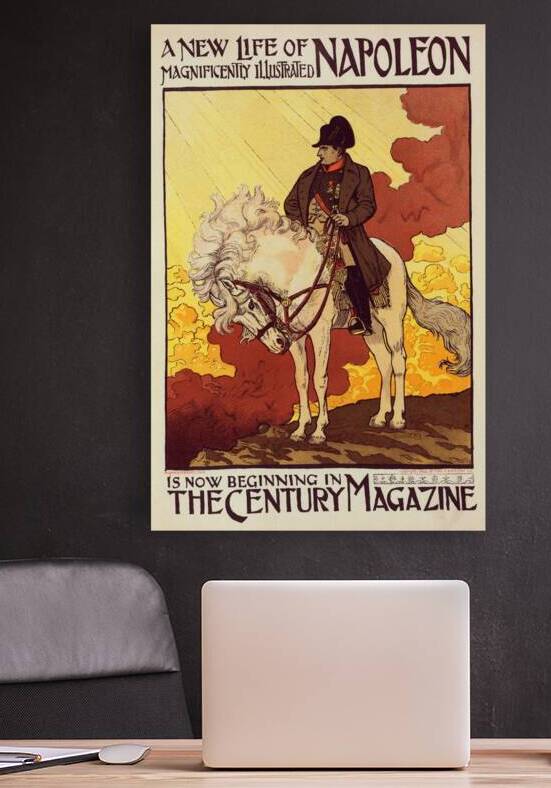
With the growing popularity of French posters in the United States Grasset was soon contacted by several American companies. In the 1880s he did his first American commission and more success led to his cover design for the 1892 Christmas issue of Harper's Magazine. In 1894 Grasset created The Wooly Horse and The Sun of Austerlitz for The Century Magazine to help advertise their serialized story on the life of Napoleon Bonaparte. The Wooly Horse image proved so popular that Louis Comfort Tiffany recreated it in stained glass. Grasset's work for U.S. institutions helped pave the way for Art Nouveau to dominate American art.
Eugène Samuel Grasset was a Swiss decorative artist who worked in Paris France in a variety of creative design fields during the Belle Époque. He is considered a pioneer in Art Nouveau design.
Grasset was born in Lausanne Switzerland on 25 May 1845. He was raised in an artistic environment as the son of a cabinetmaker and sculptor who taught him at an early age how to use the chisel and the gouge. He studied drawing under Francois-Louis David Bocion 1828–1890 and in 1861 went to Zürich to study architecture. After completing his education he visited Egypt an experience that would later be reflected in a number of his poster designs. He became an admirer of Japanese art which influenced some of his designs as well.
Between 1869 and 1870 Grasset worked as a painter and sculptor in Lausanne. He moved to Paris in 1871 where he designed furniture wallpapers fabrics and tapestries as well as ceramics and jewelry. He created architectural elements of woodwork that were integrated into buildings. His fine art decorative pieces were crafted from ivory gold and other precious materials in unique combinations and his creations are considered a cornerstone of Art Nouveau motifs and patterns.
In 1877 Eugène Grasset turned to graphic design producing income-generating products such as postcards and eventually postage stamps for both France and Switzerland. It was poster art however that quickly became his forte. Some of his works became part of the Maîtres de l'Affiche including his lithograph Jeanne d'Arc Sarah Bernhardt . In 1890 he designed the Semeuse who spreads seeds of dandelion logo used by the dictionary publishers Éditions Larousse.
With the growing popularity of French posters in the United States Grasset was soon contacted by several American companies. In the 1880s he did his first American commission and more success led to his cover design for the 1892 Christmas issue of Harper's Magazine. In 1894 Grasset created The Wooly Horse and The Sun of Austerlitz for The Century Magazine to help advertise their serialized story on the life of Napoleon Bonaparte. The Wooly Horse image proved so popular that Louis Comfort Tiffany recreated it in stained glass. Grasset's work for U.S. institutions helped pave the way for Art Nouveau to dominate American art.