

 19973
19973
Author s : Priscilla Susan Bury Robert Havell
Publication Info: London : 1831-1834
Priscilla Susan Bury born Falkner was an English botanist and illustrator.
Priscilla Susan Bury was born in Rainhill Liverpool. Her parents were Edward Dean and Bridgett nee Tarleton Falkner.
She married Edward Bury 1794-1858 a noted railway engineer on 4 March 1830. The couple had at least three sons born between 1831 and 1835. Between 1852 and 1860 the family lived at Hillsborough Hall near Sheffield and later moved to Croft Lodge Ambleside in the Lake District.
In 1860 she published an account of her husband Recollections of Edward Bury Fellow of the Royal Society Member of the institute of Civil Engineers Member of the Smeatonian Society Fellow of the Royal Astronomical Society Fellow of the Royal Historic Society by his widow.
By 1866 she had moved to Fairfield Thornton Heath Croydon where she died of bronchitis and cerebral congestion on 8 March 1872.
Although she was not trained as a botanist or commissioned as a professional artist she was the author of several artistic and scientific plant illustrations
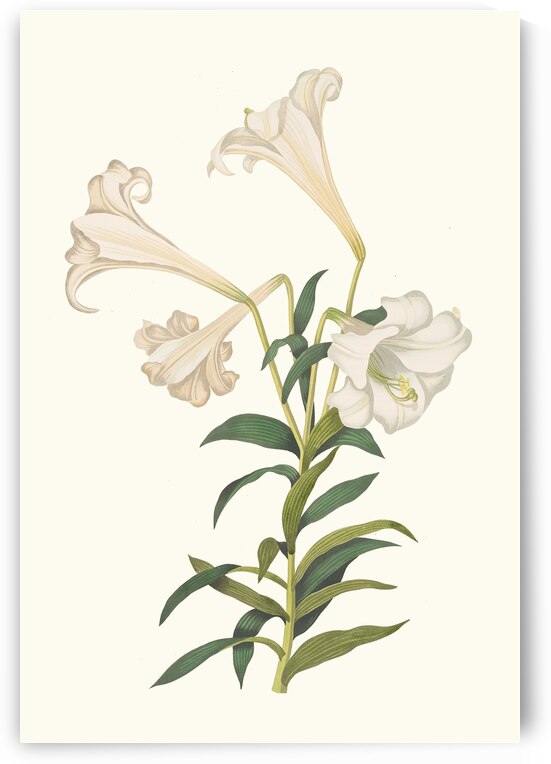
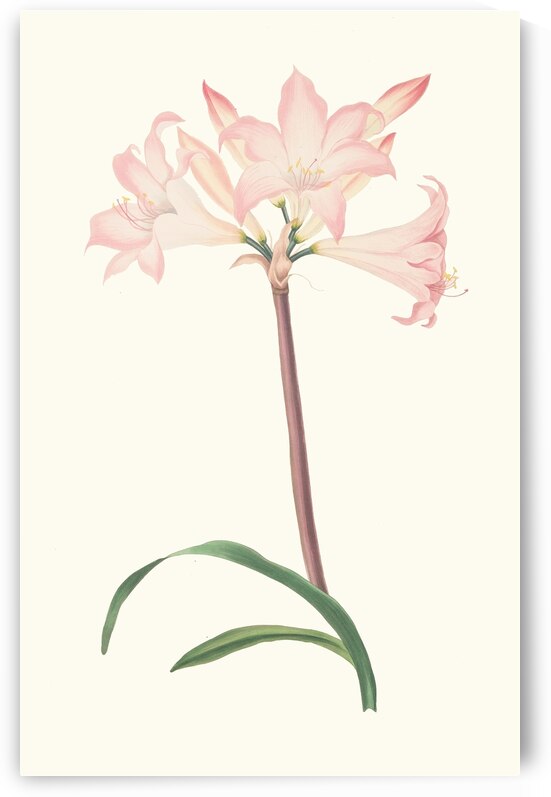
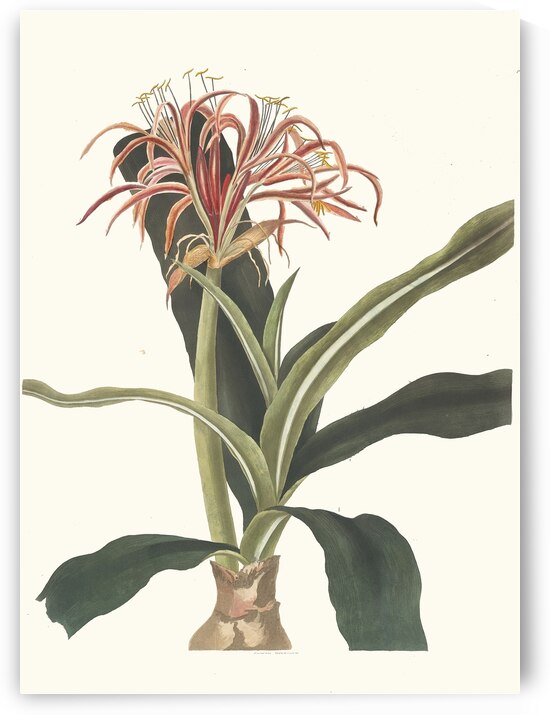
She began to draw plants from the glasshouse at her family home 'Fairfield' and by 1829 had enough studies of lilies and allied plants for publication. The 1829 Drawings of lilies as lithographs by Hullmandel features her illustrations accompanied by short notes. This was modelled on a book and its publicity materials by William Roscoe.
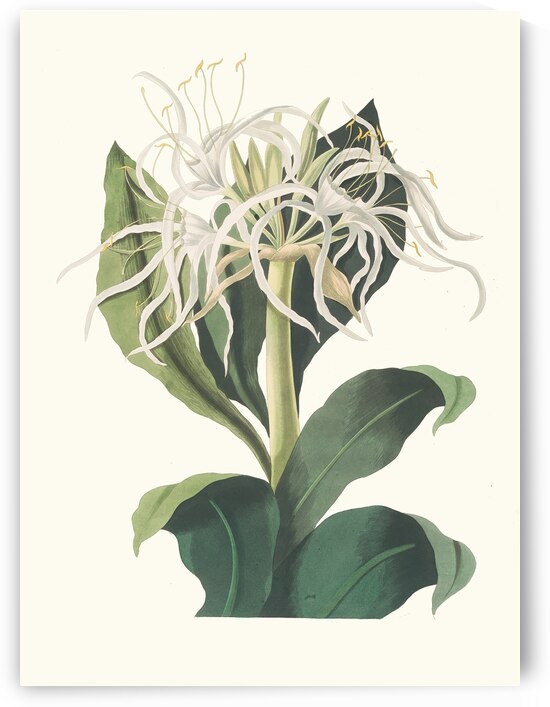
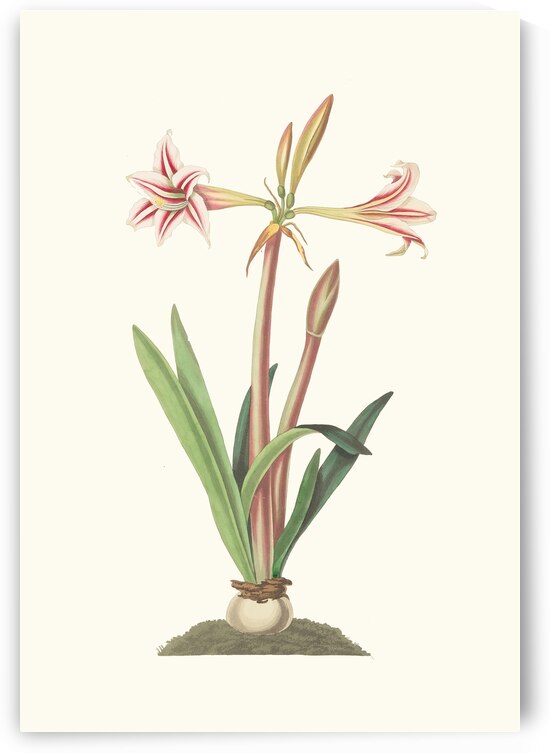
From 1831-1834 her drawings were published in A Selection of Hexandrian Plants. The engraving was entrusted to the Londoner Robert Havell engraver of the John James Audubon 1785-1851 plates. The book was carried out in aquatint and the 350 plant drawings painted in part by hand. The subscribers to this large folio numbered only 79 mostly from the Lancashire region Audubon being one of them. The book was described as one of the most effective colour-plate folios of its period by Wilfrid Jasper Walter Blunt in his The Art of Botanical Illustration.
Publication Info: London : 1831-1834
Priscilla Susan Bury born Falkner was an English botanist and illustrator.
Priscilla Susan Bury was born in Rainhill Liverpool. Her parents were Edward Dean and Bridgett nee Tarleton Falkner.
She married Edward Bury 1794-1858 a noted railway engineer on 4 March 1830. The couple had at least three sons born between 1831 and 1835. Between 1852 and 1860 the family lived at Hillsborough Hall near Sheffield and later moved to Croft Lodge Ambleside in the Lake District.
In 1860 she published an account of her husband Recollections of Edward Bury Fellow of the Royal Society Member of the institute of Civil Engineers Member of the Smeatonian Society Fellow of the Royal Astronomical Society Fellow of the Royal Historic Society by his widow.
By 1866 she had moved to Fairfield Thornton Heath Croydon where she died of bronchitis and cerebral congestion on 8 March 1872.
Although she was not trained as a botanist or commissioned as a professional artist she was the author of several artistic and scientific plant illustrations
She began to draw plants from the glasshouse at her family home 'Fairfield' and by 1829 had enough studies of lilies and allied plants for publication. The 1829 Drawings of lilies as lithographs by Hullmandel features her illustrations accompanied by short notes. This was modelled on a book and its publicity materials by William Roscoe.
From 1831-1834 her drawings were published in A Selection of Hexandrian Plants. The engraving was entrusted to the Londoner Robert Havell engraver of the John James Audubon 1785-1851 plates. The book was carried out in aquatint and the 350 plant drawings painted in part by hand. The subscribers to this large folio numbered only 79 mostly from the Lancashire region Audubon being one of them. The book was described as one of the most effective colour-plate folios of its period by Wilfrid Jasper Walter Blunt in his The Art of Botanical Illustration.

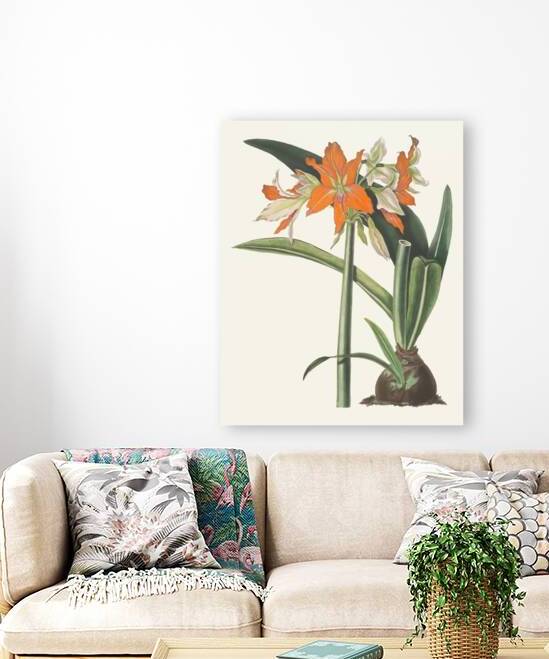

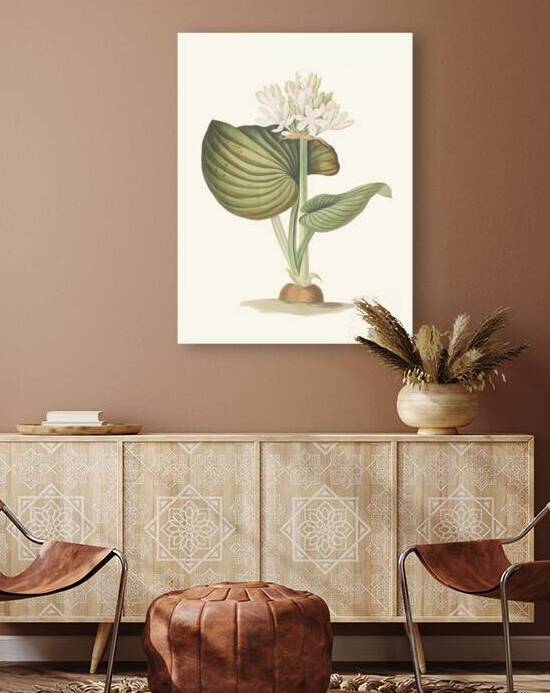

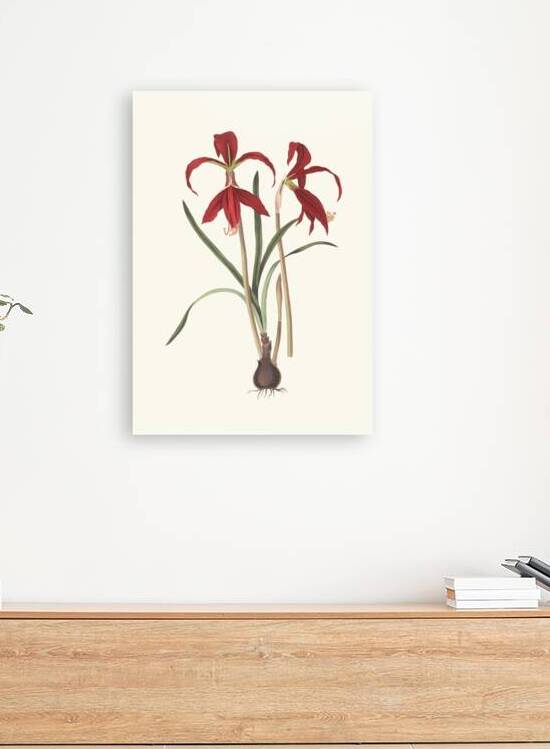


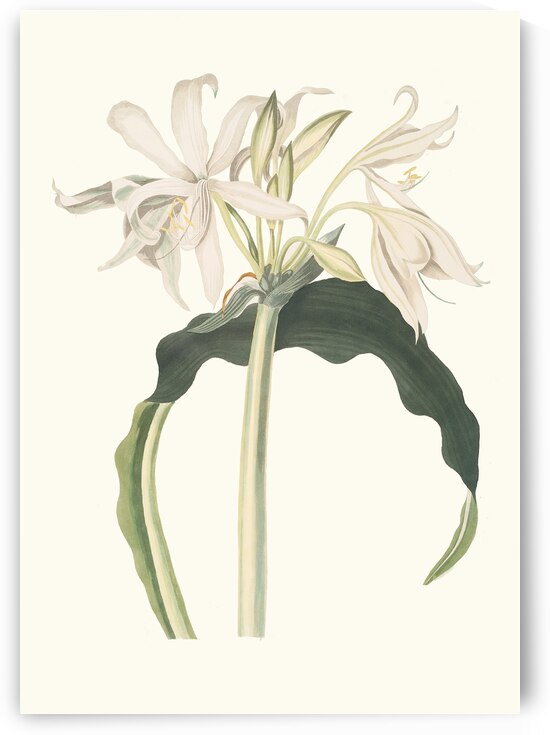

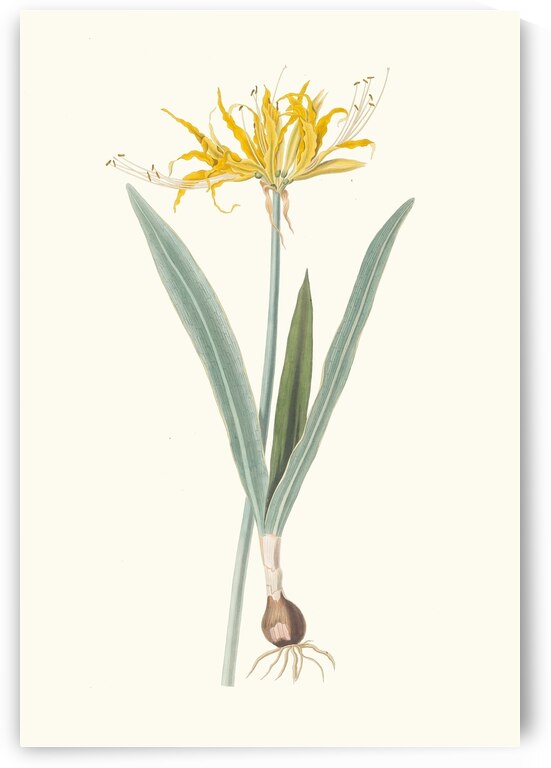

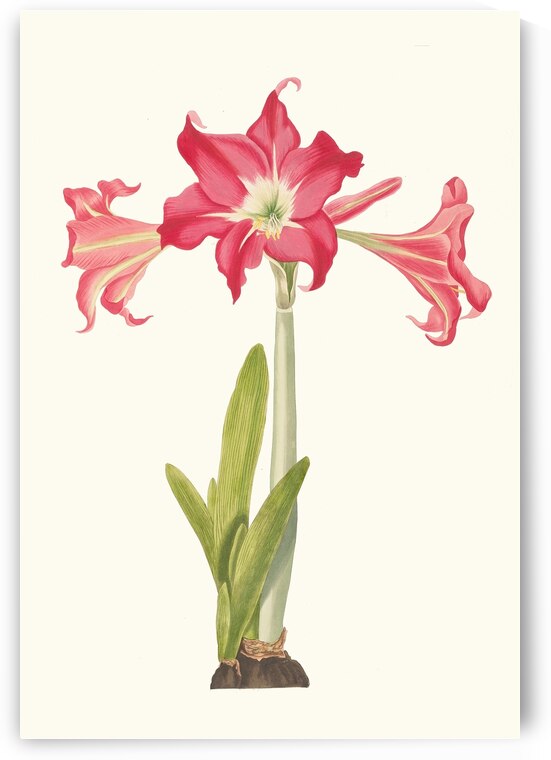

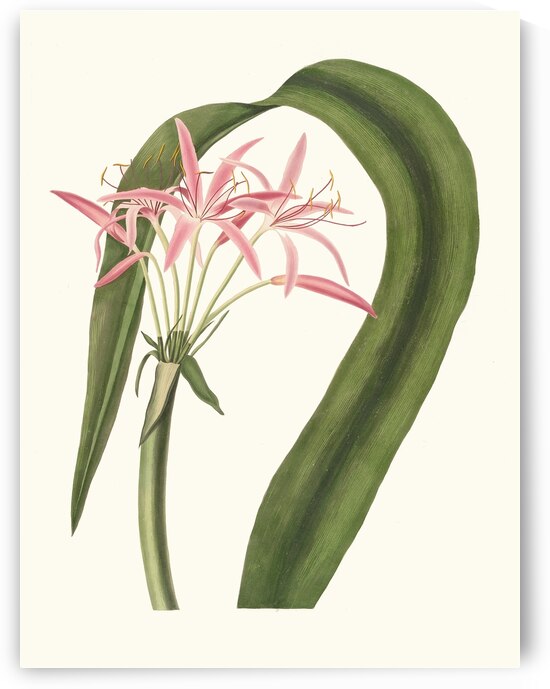
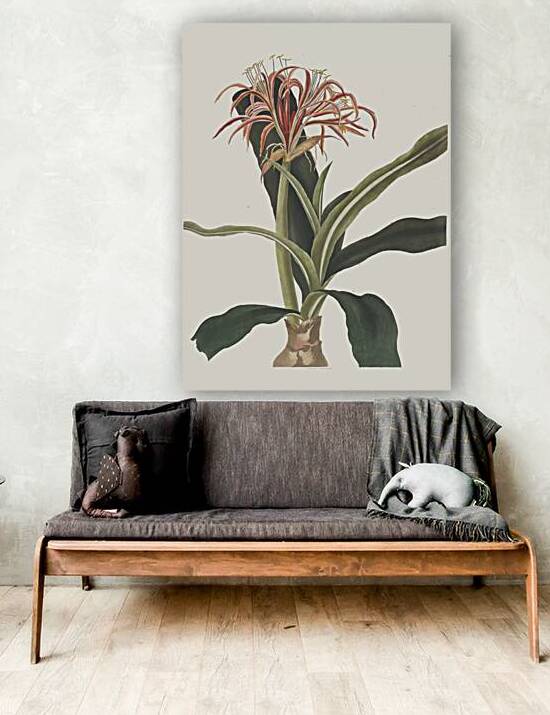






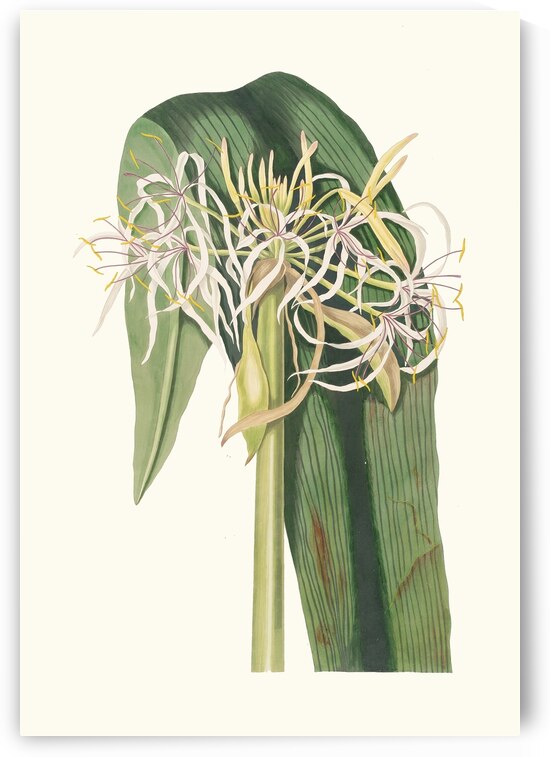


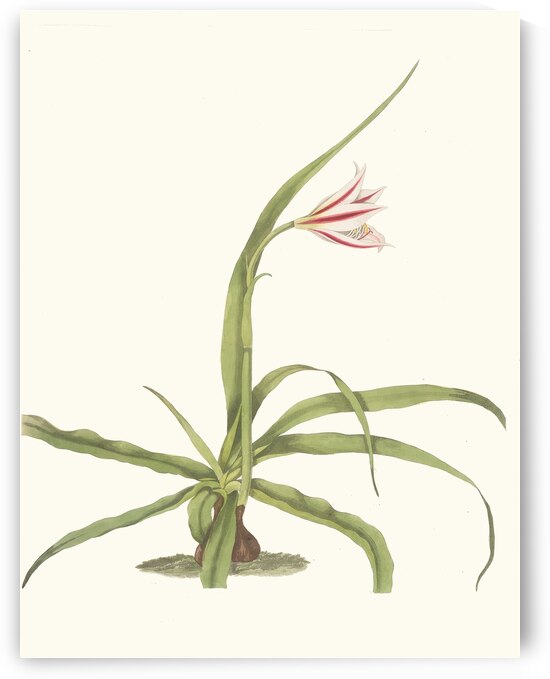
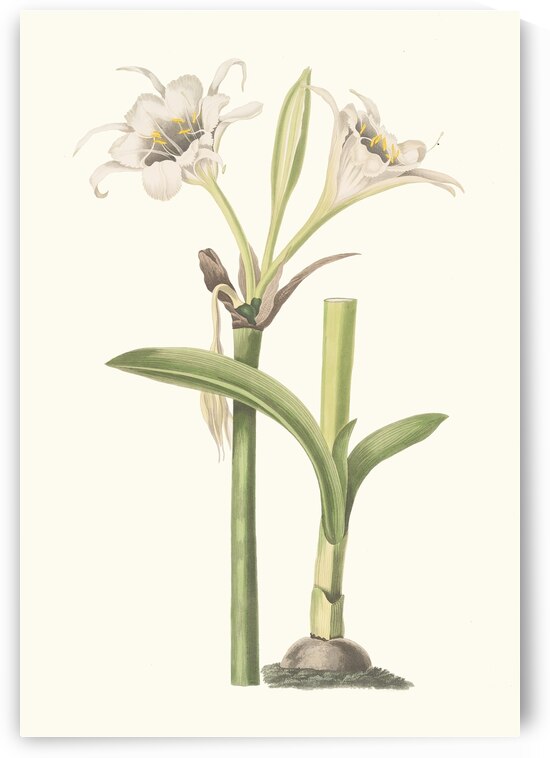
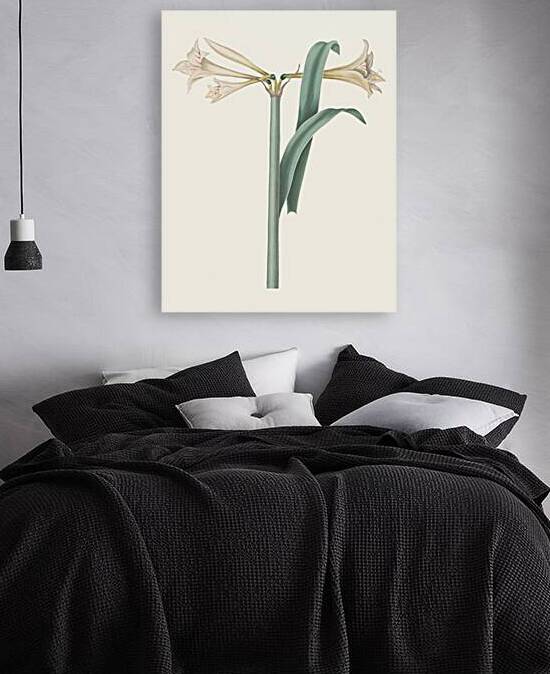
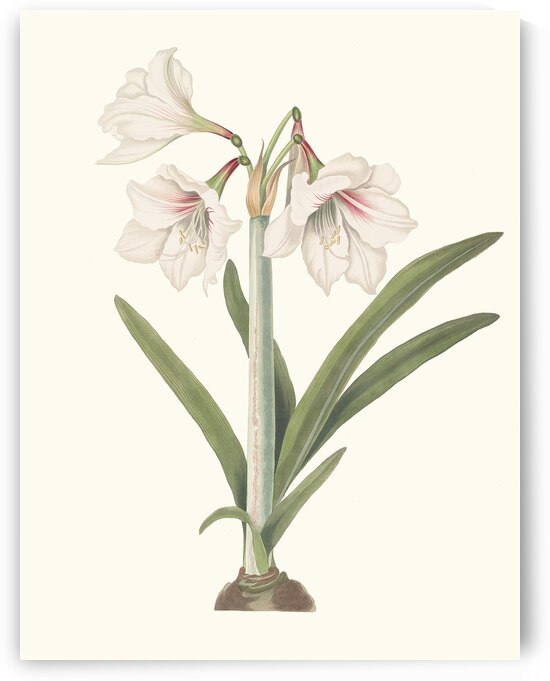
![Crinum Pedunculatum. [River Lily] 1834 by IStockHistory com](/uploads/gallerysmall/gallerysmall_845848.jpg "Crinum Pedunculatum. [River Lily] 1834")
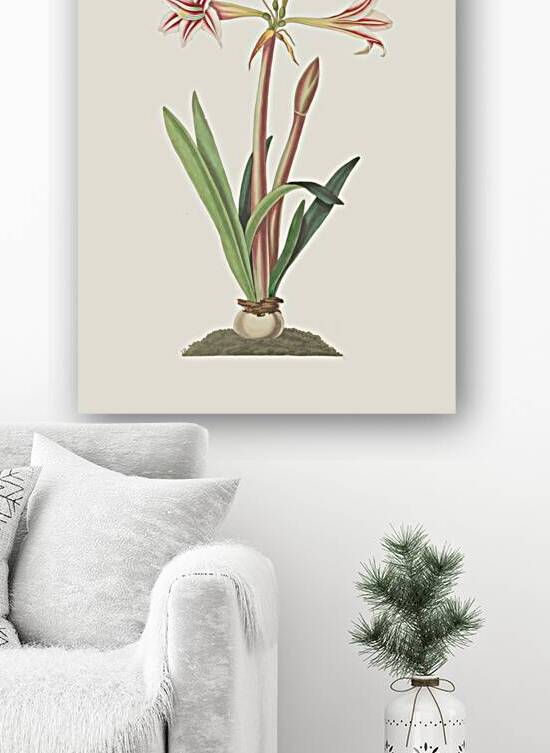
![Crinum Pedunculatum. [River Lily] 1834 by IStockHistory com](/uploads/wallrandomsmall/rs_845848.jpg "Crinum Pedunculatum. [River Lily] 1834")



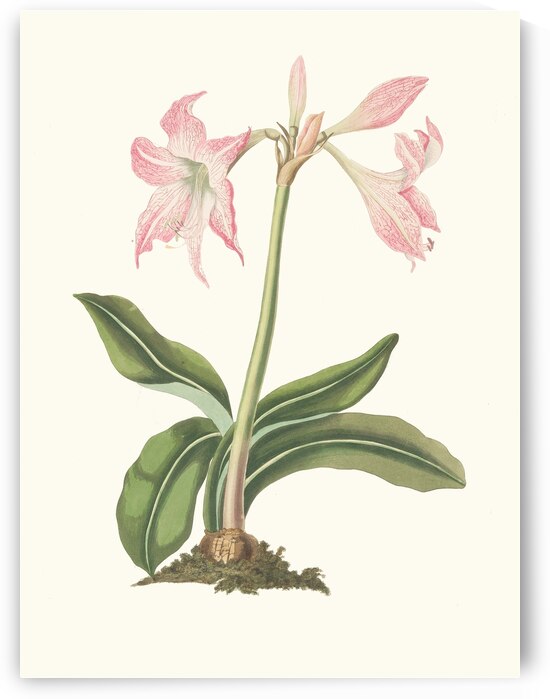




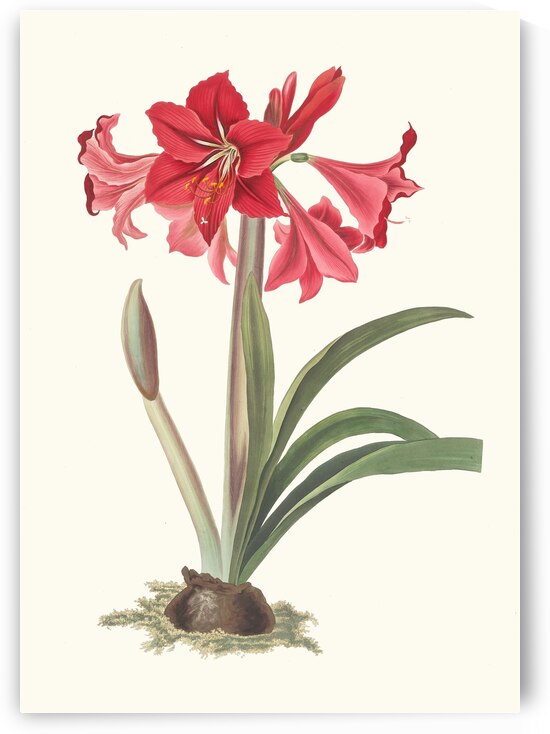
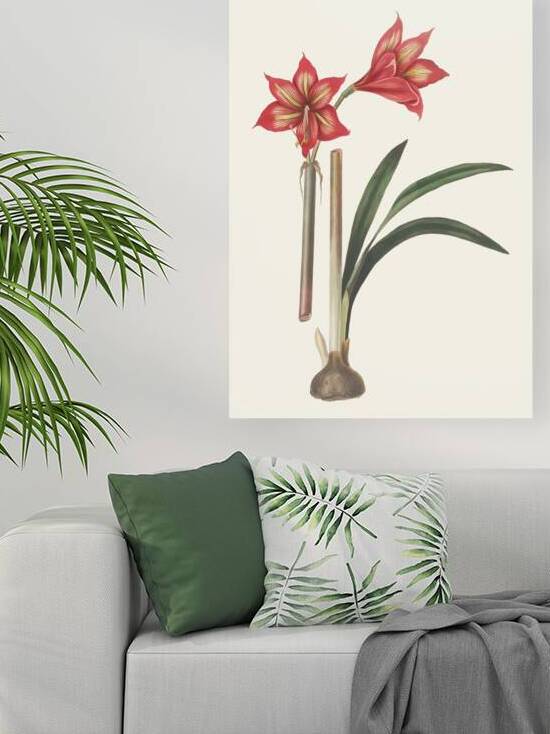
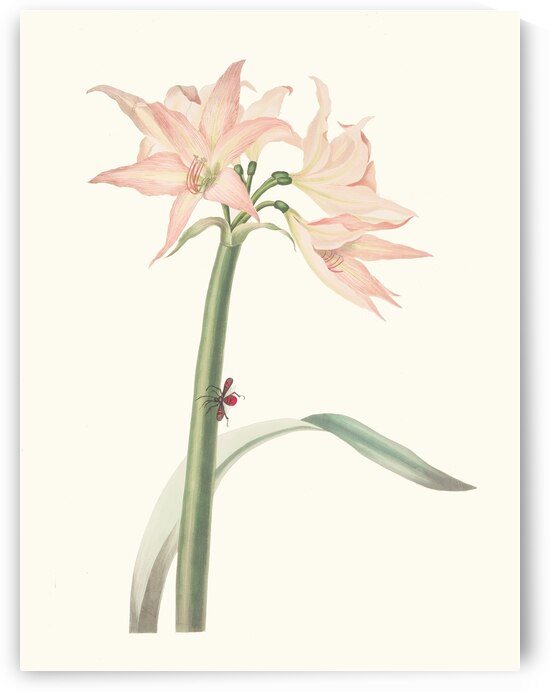
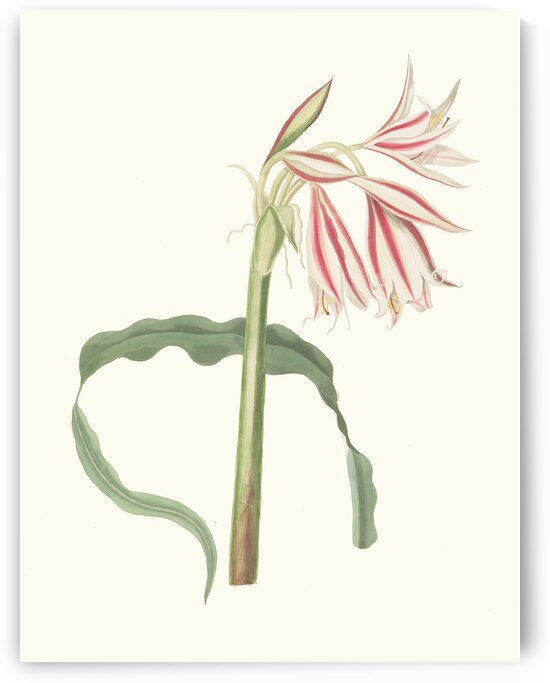
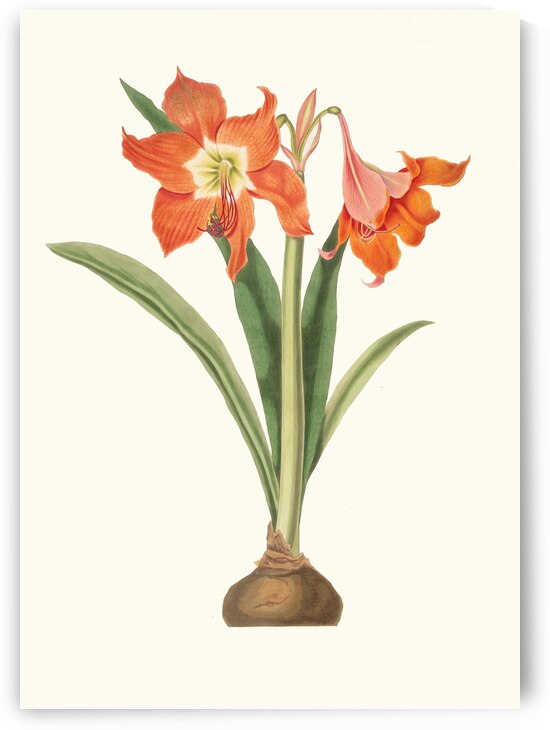
![Amaryllis Reginaæ [Mexican Lily Amaryllis] 1834 by IStockHistory com](/uploads/gallerysmall/gallerysmall_845815.jpg "Amaryllis Reginaæ [Mexican Lily Amaryllis] 1834")
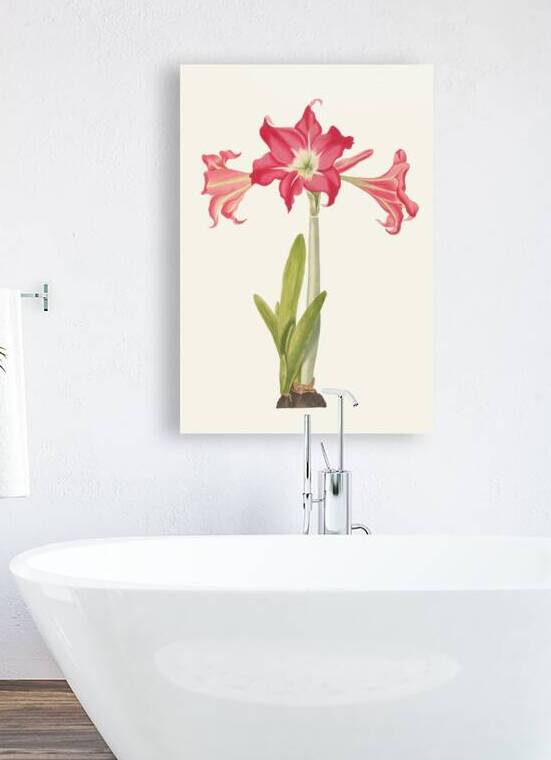
![Amaryllis Reginaæ [Mexican Lily Amaryllis] 1834 by IStockHistory com](/uploads/wallrandomsmall/rs_845815.jpg "Amaryllis Reginaæ [Mexican Lily Amaryllis] 1834")

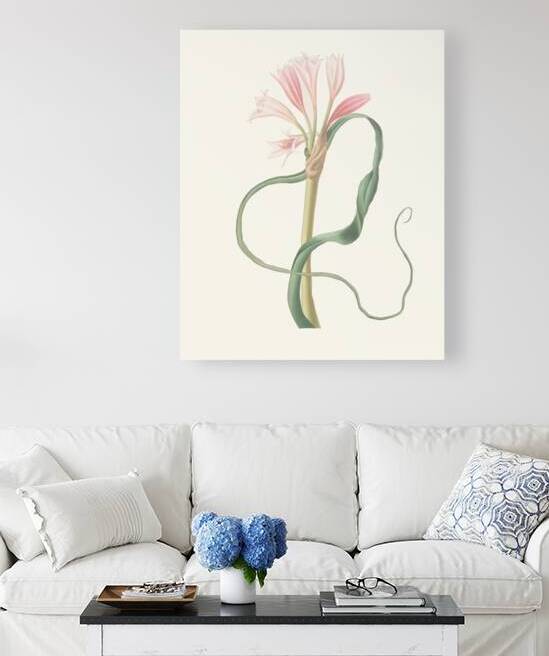
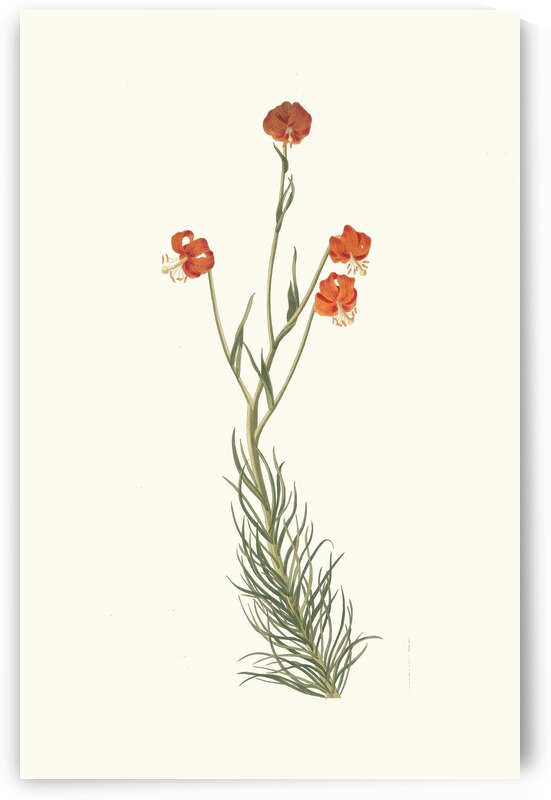
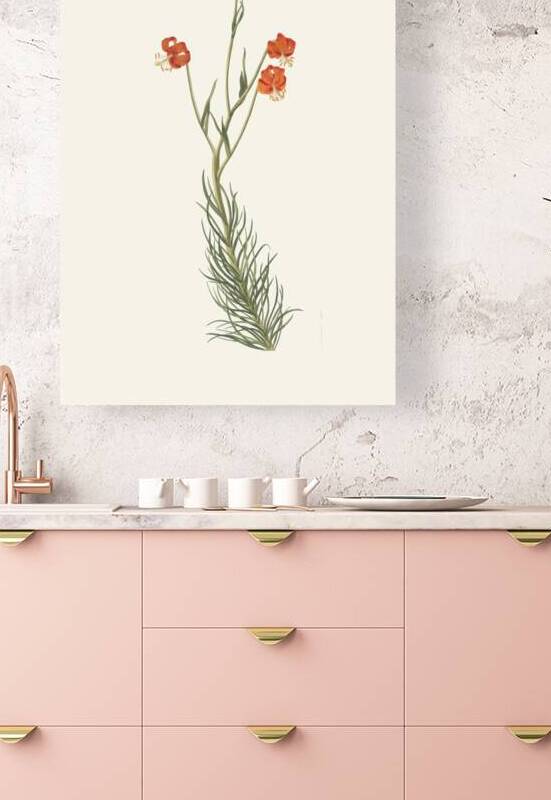
![Lilium Canadense. [Canada Lily Wild Yellow Lily] 183400 by IStockHistory com](/uploads/gallerysmall/gallerysmall_845818.jpg "Lilium Canadense. [Canada Lily Wild Yellow Lily] 183400")
![Lilium Canadense. [Canada Lily Wild Yellow Lily] 183400 by IStockHistory com](/uploads/wallrandomsmall/rs_845818.jpg "Lilium Canadense. [Canada Lily Wild Yellow Lily] 183400")


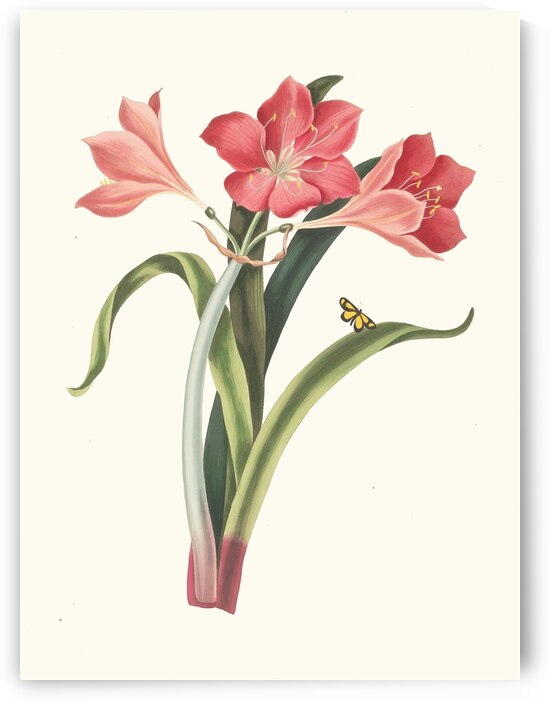
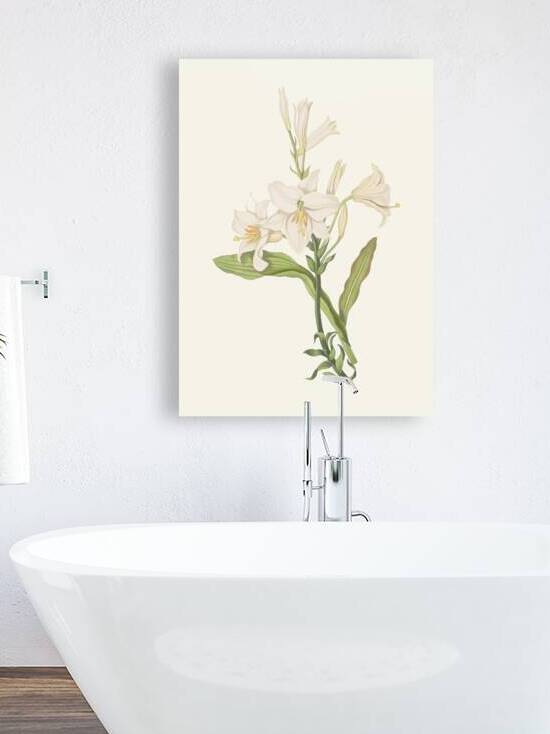
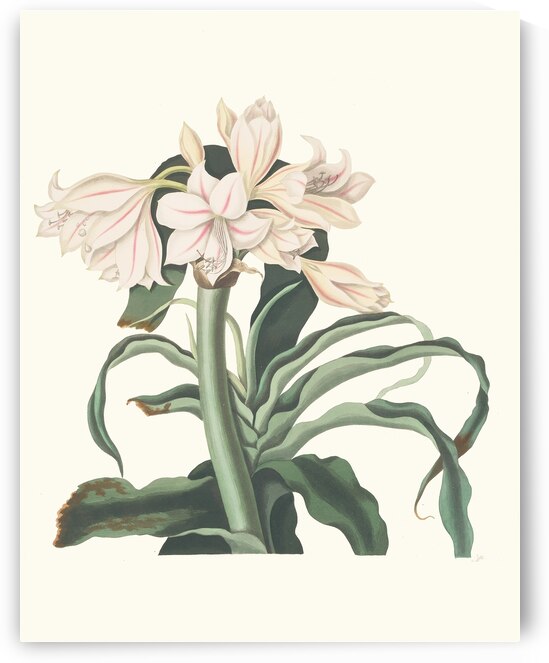
![Crinium Augustum. [Queen Emma] 1834 by IStockHistory com](/uploads/gallerysmall/gallerysmall_845823.jpg "Crinium Augustum. [Queen Emma] 1834")
![Crinium Augustum. [Queen Emma] 1834 by IStockHistory com](/uploads/wallrandomsmall/rs_845823.jpg "Crinium Augustum. [Queen Emma] 1834")