

 19973
19973
Sarah Ann Featon née Porter : Pioneering Botanical Artist of New Zealand 1848-1927
Introduction:
Sarah Ann Featon née Porter was a trailblazing botanical artist hailing from New Zealand whose remarkable life and work continue to inspire and enrich our understanding of the country's flora. Born in 1848 into English heritage she embarked on a journey that would leave an indelible mark on New Zealand's botanical history. Sarah passed away in Gisborne on April 28 1927 leaving behind a legacy of art and discovery that endures to this day.
Early Life and Arrival in New Zealand:
While details of her early life remain elusive Sarah was born to Henry William Porter a gentleman of means most likely in London. The exact date of her arrival in New Zealand remains uncertain but her union with Edward Featon in 1870 at St Paul's Auckland marked a significant turning point in her life. The couple's move to Gisborne in 1875 was prompted by Edward's appointment as the area's inaugural District Land Officer.
The Art Album of New Zealand Flora:
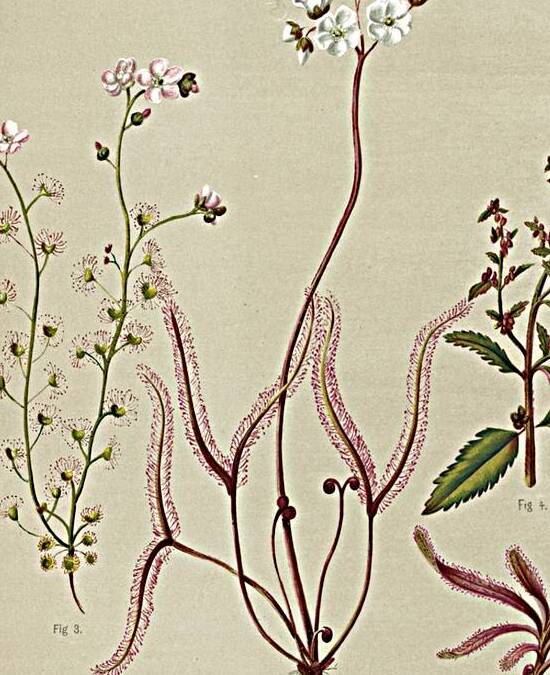
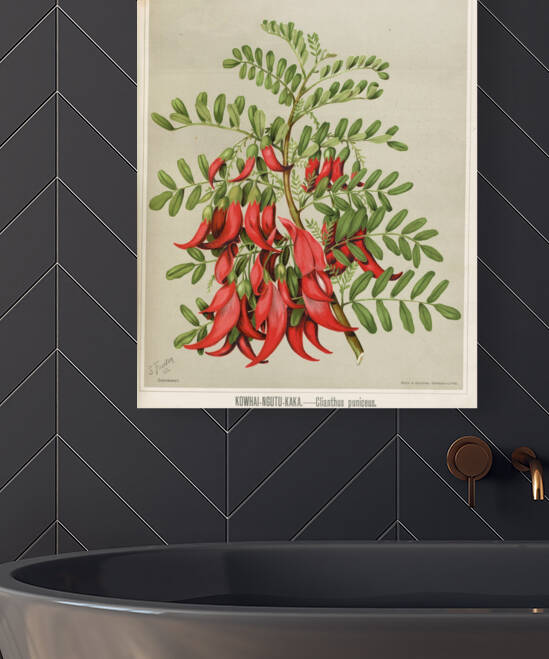
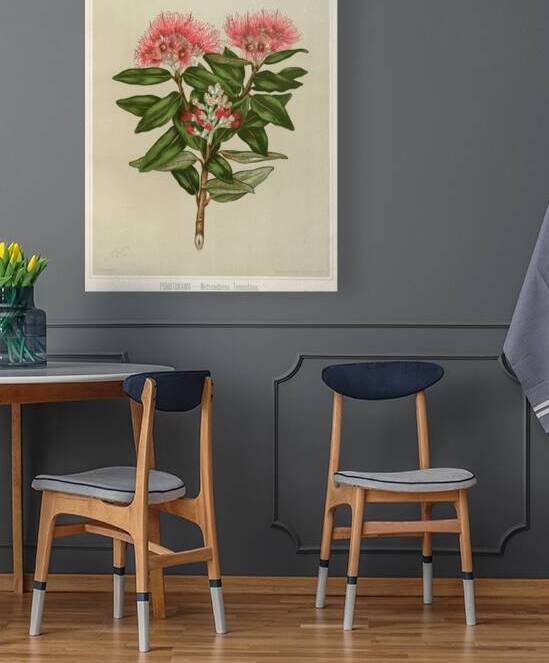
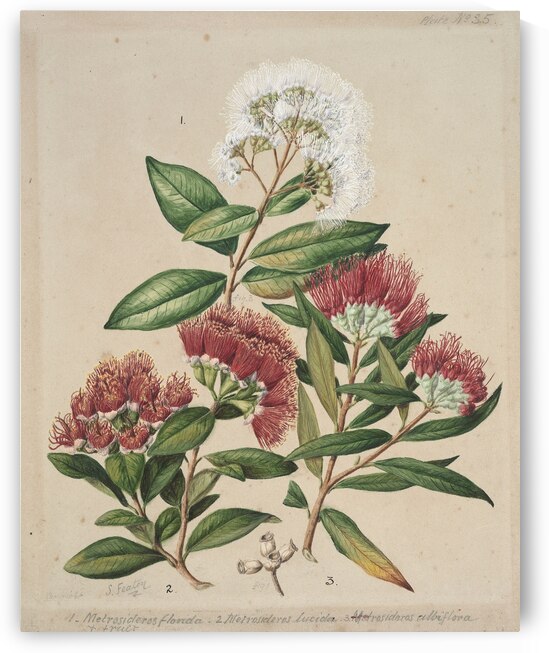
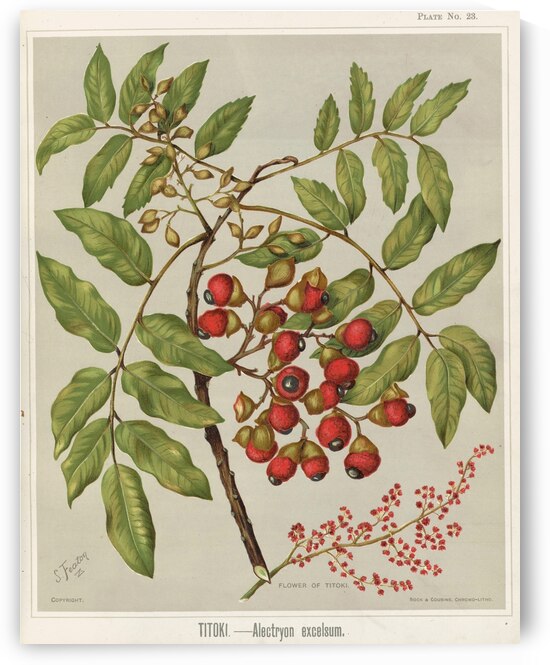
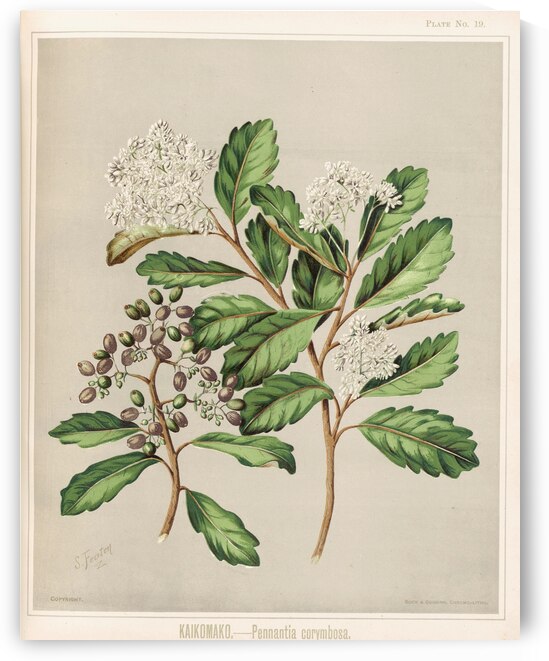
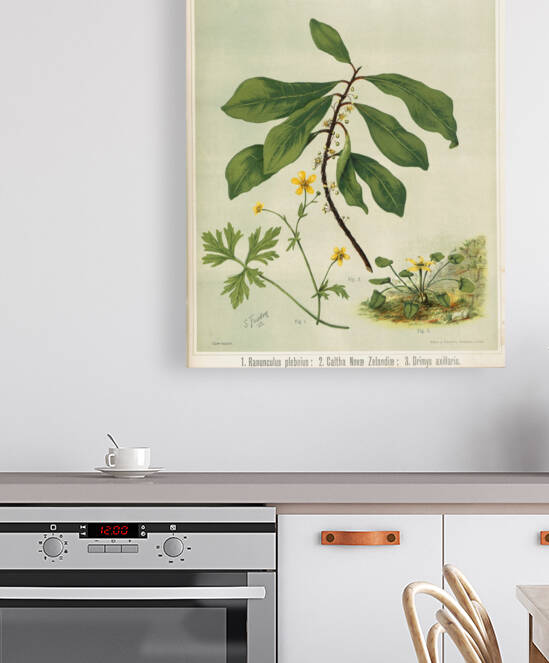
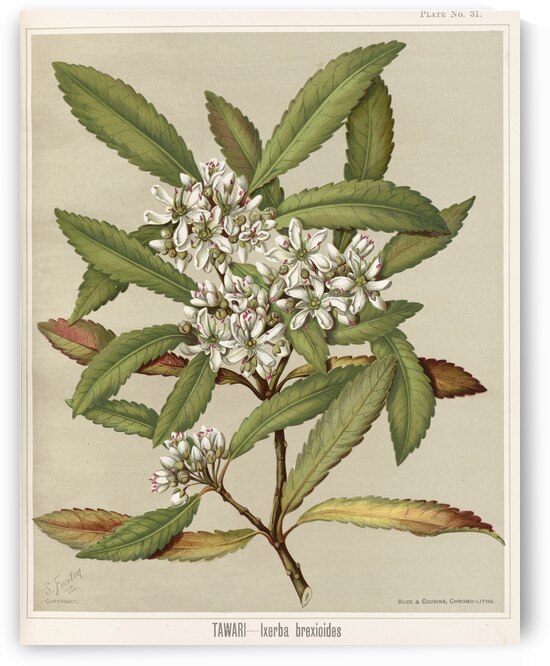
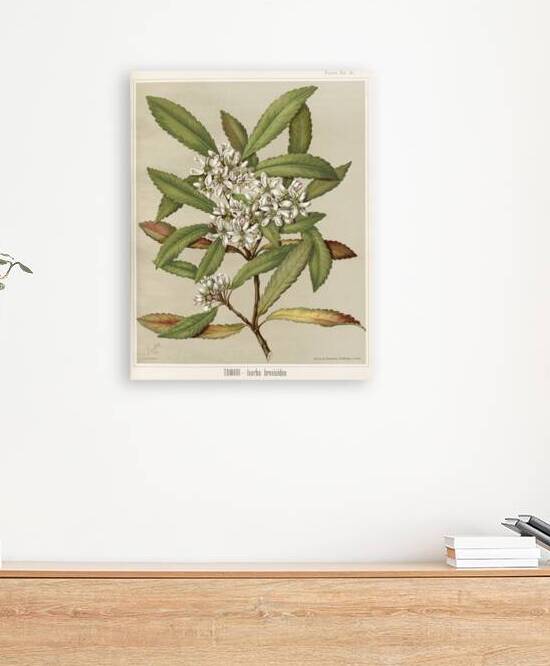
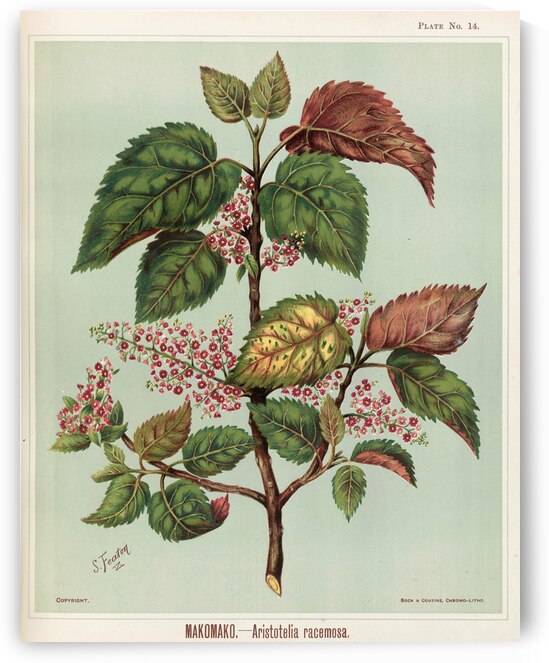
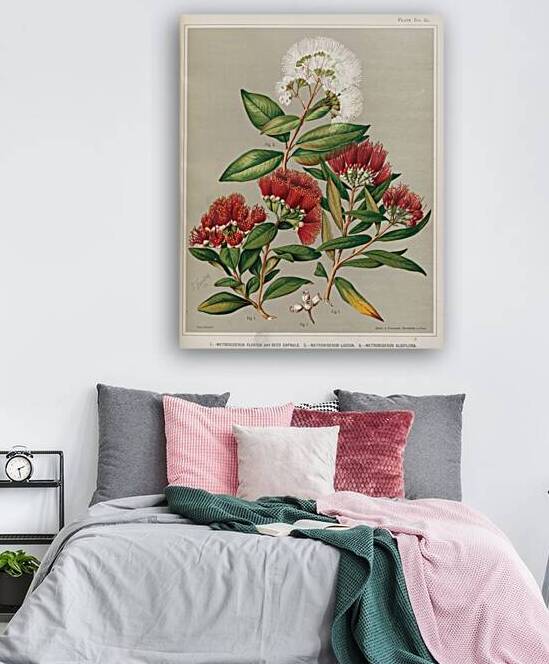
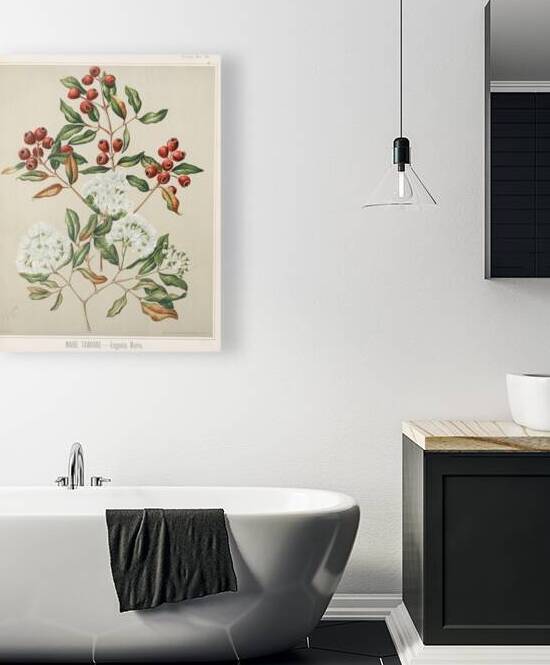
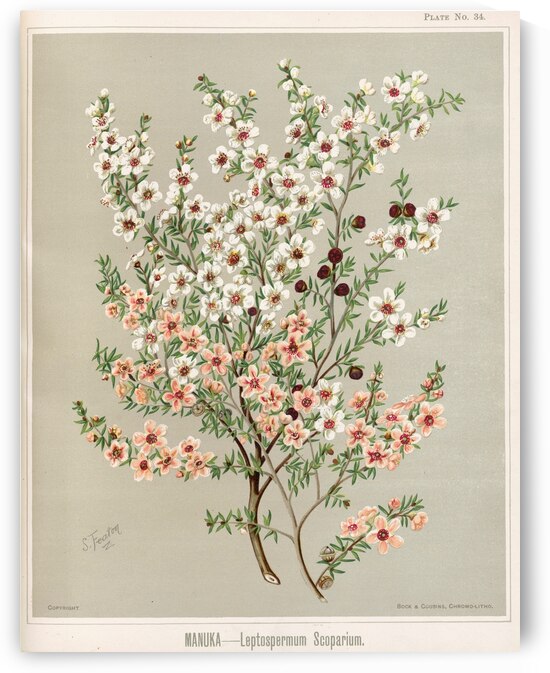
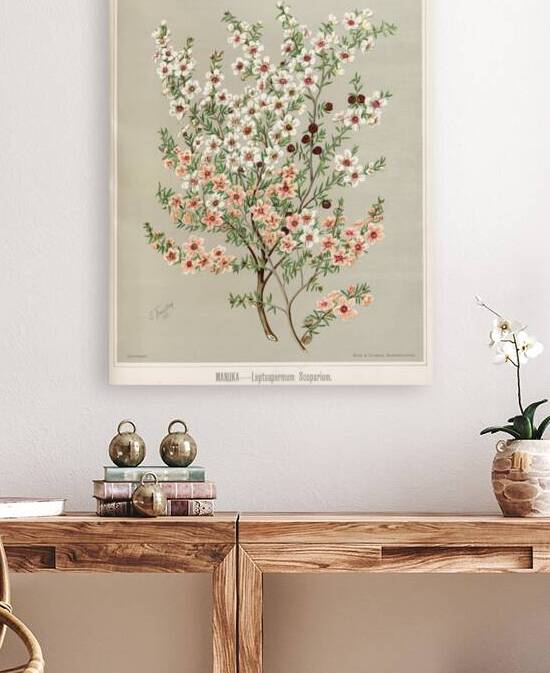
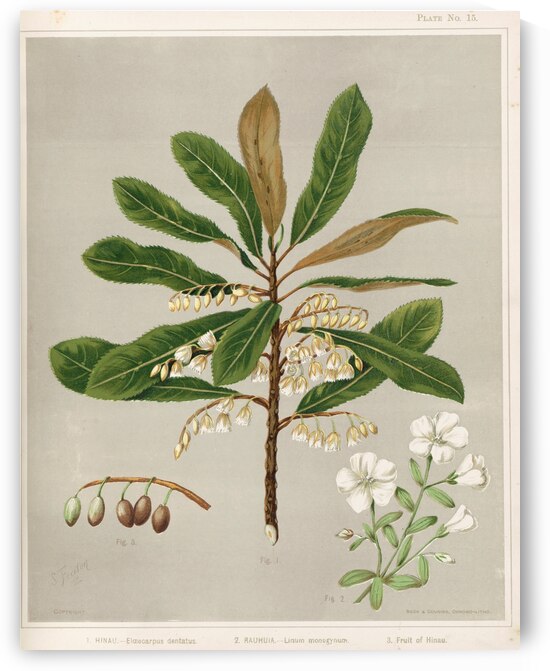
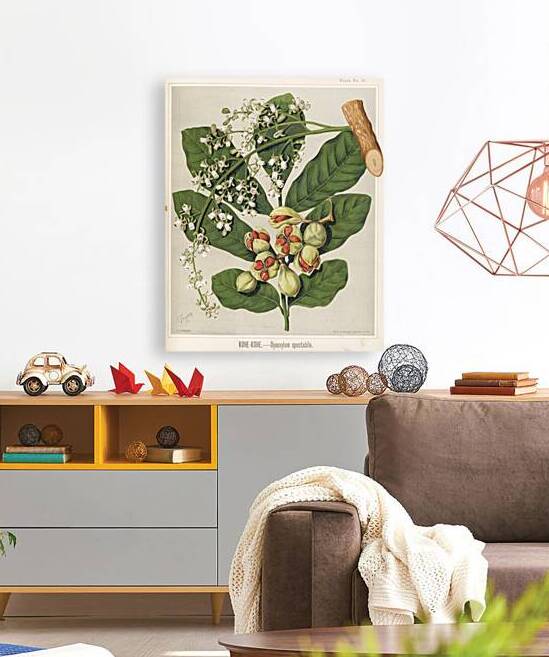
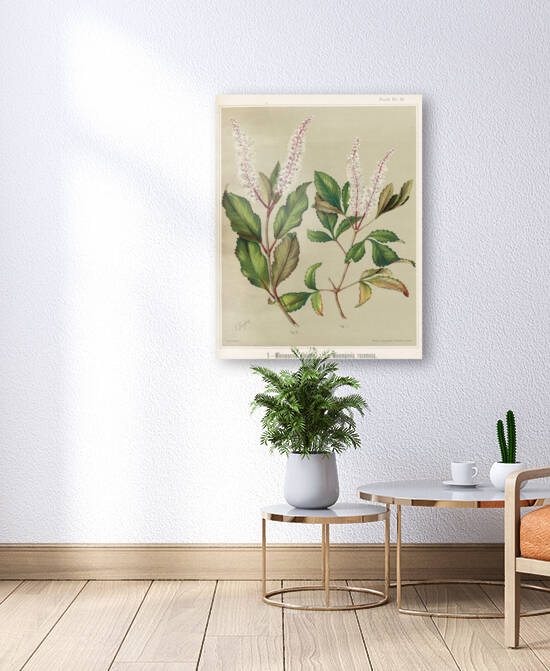
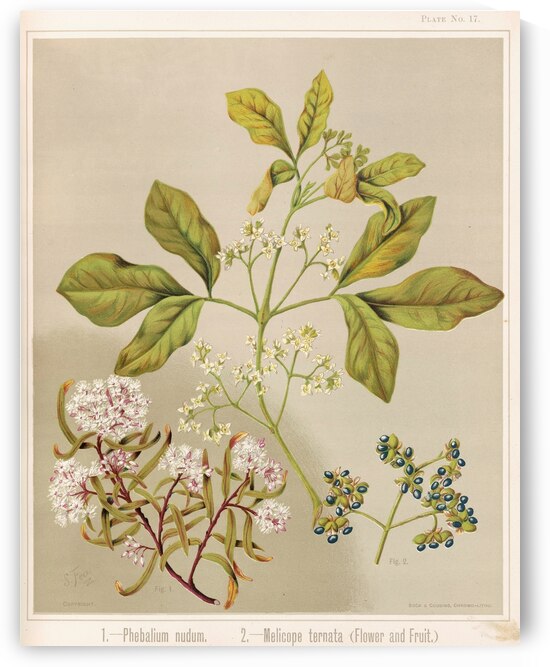
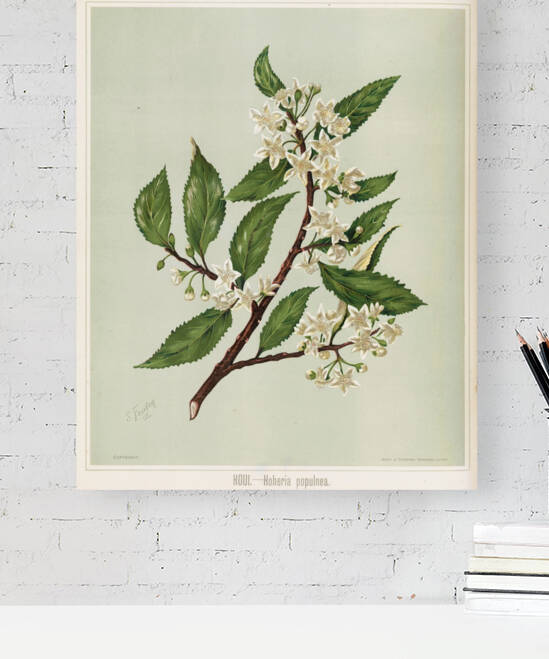
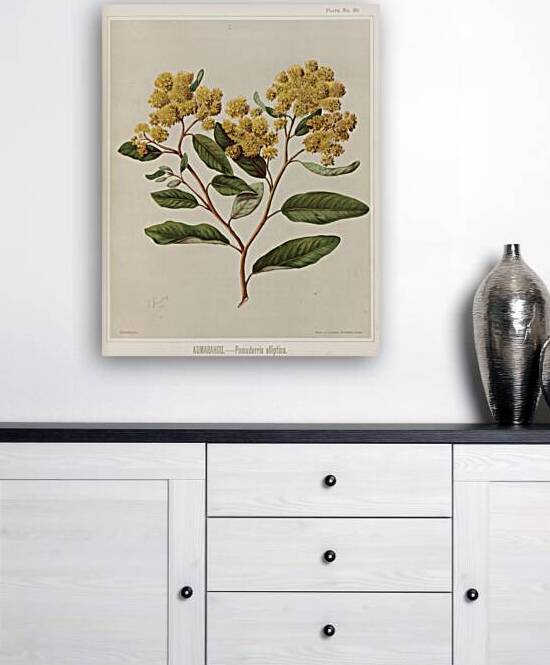
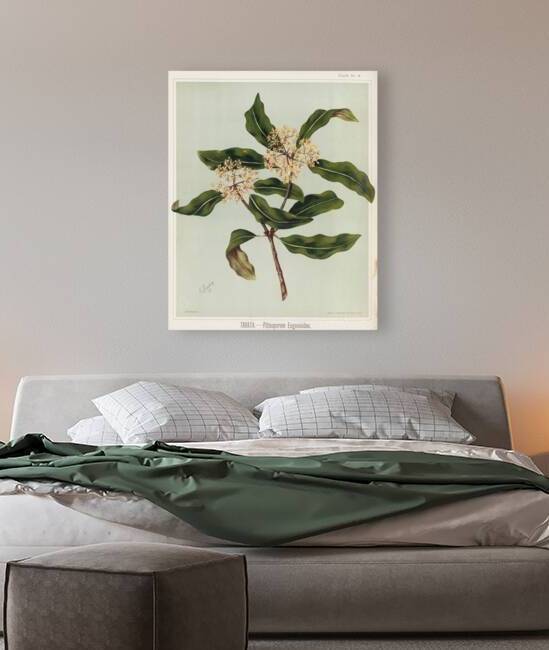
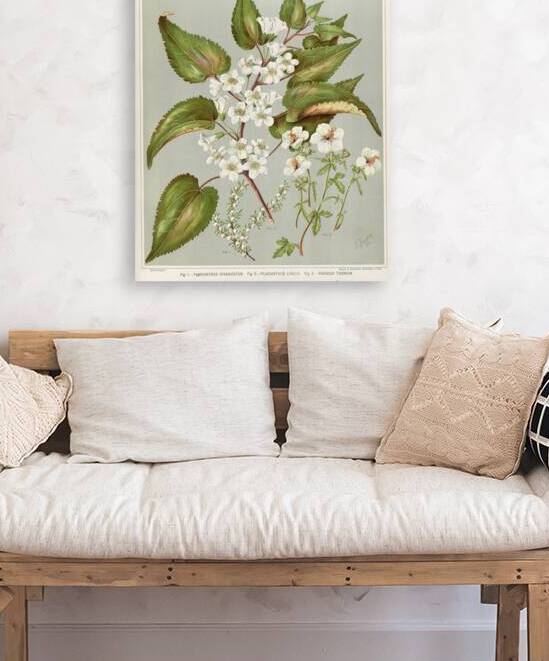
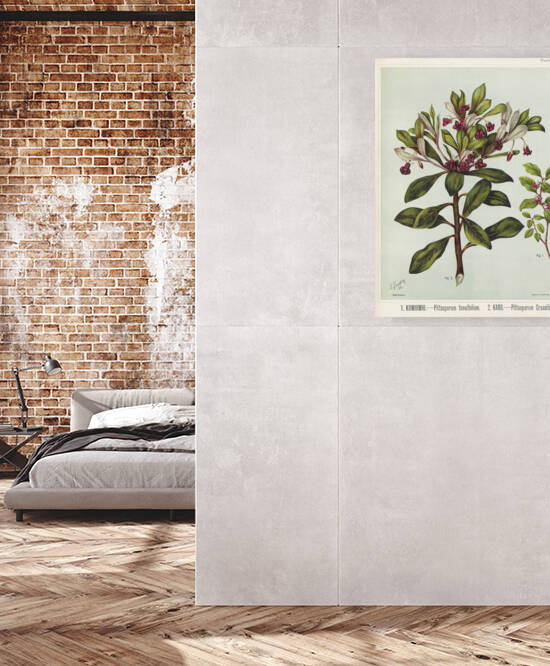
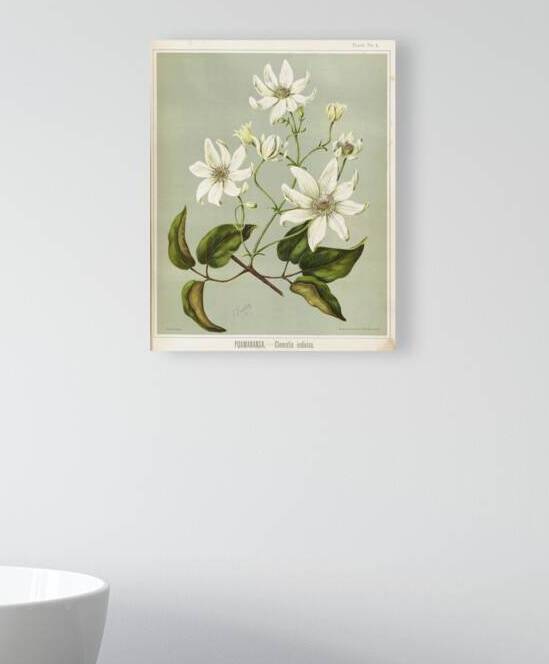
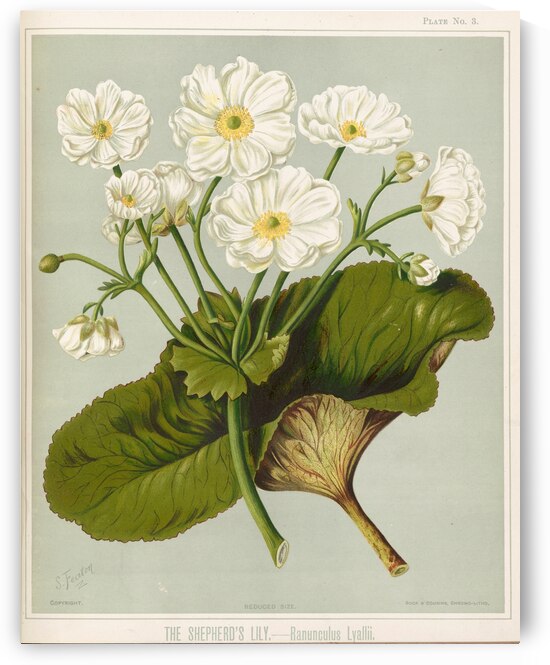
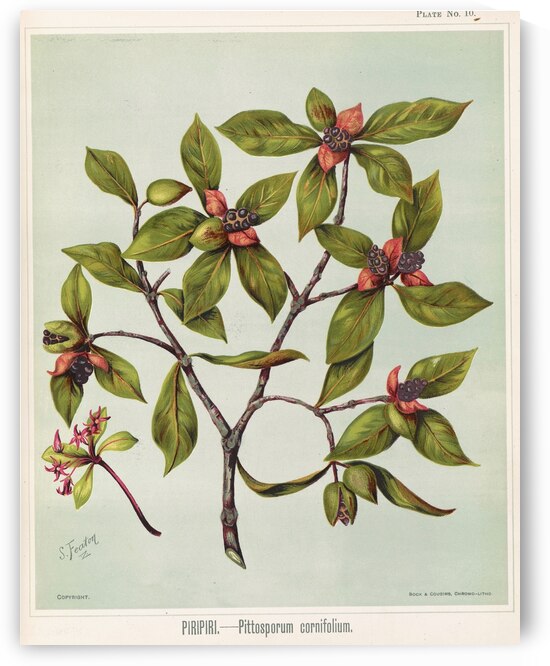
In Gisborne Sarah and Edward embarked on a monumental project The Art Album of New Zealand Flora. This groundbreaking work aimed to dispel the prevalent misconception that New Zealand lacked native flowers. Sarah's artistic talents took center stage as she meticulously painted watercolors for the book's plates while Edward contributed the accompanying text.
Their collaborative effort resulted in the first-ever full-color art book published in New Zealand. It featured comprehensive descriptions of native flowering plants and their Maori uses information sourced from Edward's friend William Colenso. Sarah commissioned the chromolithography for the book plates from Bock and Cousins in Wellington. Initially released in three parts between 1887 and 1888 the album was consolidated into a single volume in 1889. It marked the pioneering moment when New Zealand saw the advent of fully-colored art in print.
Royal Recognition and Contribution to Science:
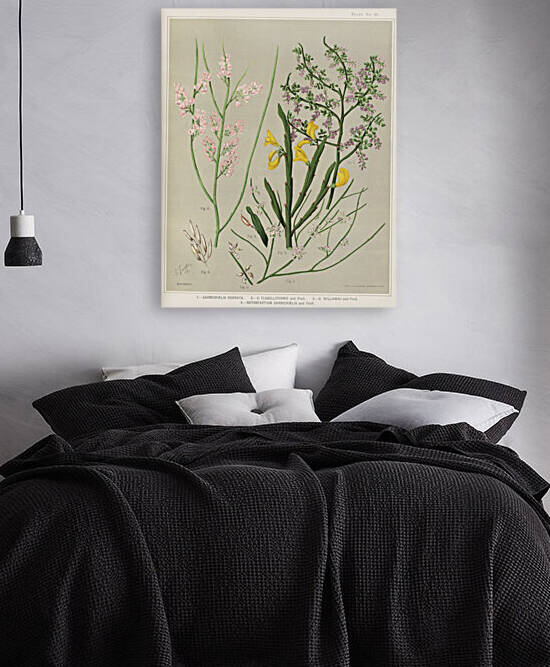
The Art Album of New Zealand Flora garnered international recognition when a copy was presented to Queen Victoria in 1897 during her diamond jubilee. Today this historical artifact is housed in the British Museum. Reverend William Colenso and Archdeacon W. L. Williams provided immense support for the project supplying specimens for Sarah to depict. In tribute to her work Colenso named a newly discovered species Dracophyllum featonium in her honor which is now considered synonymous with Dracophyllum strictum.
Challenges and Legacy:
Despite her significant contributions Sarah Featon faced financial hardship later in life. She sold the original artwork for the book to the Dominion Museum now part of the Museum of New Zealand Te Papa Tongarewa where it is preserved to this day. She passed away in Gisborne on April 28 1927 leaving behind a legacy of art and discovery that endures to this day. While the Featons had two children only their son Edwin affectionately known as Teddy is believed to have survived childhood. He later pursued a career with the Hawke's Bay stock and station firm Williams and Kettle.
Honors and Recognition:
In 2017 Sarah Ann Featon was deservedly selected as one of the Royal Society Te Ap rangi's 150 women in 150 words celebrating her significant contributions to knowledge in New Zealand. Furthermore in 2021 New Zealand Post released a series of stamps featuring her artworks immortalizing her legacy in the hearts of all who appreciate the beauty of New Zealand's native flora.
Sarah Ann Featon's dedication to botanical artistry and her role in illuminating the vibrant world of New Zealand's plant life continue to inspire generations reminding us of the enduring power of art to educate enrich and captivate the human spirit.
Introduction:
Sarah Ann Featon née Porter was a trailblazing botanical artist hailing from New Zealand whose remarkable life and work continue to inspire and enrich our understanding of the country's flora. Born in 1848 into English heritage she embarked on a journey that would leave an indelible mark on New Zealand's botanical history. Sarah passed away in Gisborne on April 28 1927 leaving behind a legacy of art and discovery that endures to this day.
Early Life and Arrival in New Zealand:
While details of her early life remain elusive Sarah was born to Henry William Porter a gentleman of means most likely in London. The exact date of her arrival in New Zealand remains uncertain but her union with Edward Featon in 1870 at St Paul's Auckland marked a significant turning point in her life. The couple's move to Gisborne in 1875 was prompted by Edward's appointment as the area's inaugural District Land Officer.
The Art Album of New Zealand Flora:
In Gisborne Sarah and Edward embarked on a monumental project The Art Album of New Zealand Flora. This groundbreaking work aimed to dispel the prevalent misconception that New Zealand lacked native flowers. Sarah's artistic talents took center stage as she meticulously painted watercolors for the book's plates while Edward contributed the accompanying text.
Their collaborative effort resulted in the first-ever full-color art book published in New Zealand. It featured comprehensive descriptions of native flowering plants and their Maori uses information sourced from Edward's friend William Colenso. Sarah commissioned the chromolithography for the book plates from Bock and Cousins in Wellington. Initially released in three parts between 1887 and 1888 the album was consolidated into a single volume in 1889. It marked the pioneering moment when New Zealand saw the advent of fully-colored art in print.
Royal Recognition and Contribution to Science:
The Art Album of New Zealand Flora garnered international recognition when a copy was presented to Queen Victoria in 1897 during her diamond jubilee. Today this historical artifact is housed in the British Museum. Reverend William Colenso and Archdeacon W. L. Williams provided immense support for the project supplying specimens for Sarah to depict. In tribute to her work Colenso named a newly discovered species Dracophyllum featonium in her honor which is now considered synonymous with Dracophyllum strictum.
Challenges and Legacy:
Despite her significant contributions Sarah Featon faced financial hardship later in life. She sold the original artwork for the book to the Dominion Museum now part of the Museum of New Zealand Te Papa Tongarewa where it is preserved to this day. She passed away in Gisborne on April 28 1927 leaving behind a legacy of art and discovery that endures to this day. While the Featons had two children only their son Edwin affectionately known as Teddy is believed to have survived childhood. He later pursued a career with the Hawke's Bay stock and station firm Williams and Kettle.
Honors and Recognition:
In 2017 Sarah Ann Featon was deservedly selected as one of the Royal Society Te Ap rangi's 150 women in 150 words celebrating her significant contributions to knowledge in New Zealand. Furthermore in 2021 New Zealand Post released a series of stamps featuring her artworks immortalizing her legacy in the hearts of all who appreciate the beauty of New Zealand's native flora.
Sarah Ann Featon's dedication to botanical artistry and her role in illuminating the vibrant world of New Zealand's plant life continue to inspire generations reminding us of the enduring power of art to educate enrich and captivate the human spirit.