

 19973
19973
Dr. Robert John Thornton 1768-1837 : A Botanical Visionary
Introduction:
Welcome to the online biography of Dr. Robert John Thornton a remarkable figure in the world of 18th and 19th-century botany known for his pioneering work in botanical illustration and his unwavering passion for the natural world. This biography will take you on a journey through the life and accomplishments of a man whose dedication to botany and art left an indelible mark on the world of science and aesthetics.
Birth and Early Life:
Dr. Robert John Thornton was born on March 18 1768 in the bustling city of London England. From a young age he displayed an insatiable curiosity about the natural world often spending his free time exploring the lush gardens and parks of London. His fascination with plants and their intricate structures would become a lifelong passion.
Education and Botanical Ambitions:
Robert John Thornton's education was extensive and diverse. He attended the prestigious Merchant Taylors' School and later studied medicine at the renowned University of Edinburgh. His medical education provided him with a strong foundation in science and anatomy which would later prove invaluable in his botanical pursuits.
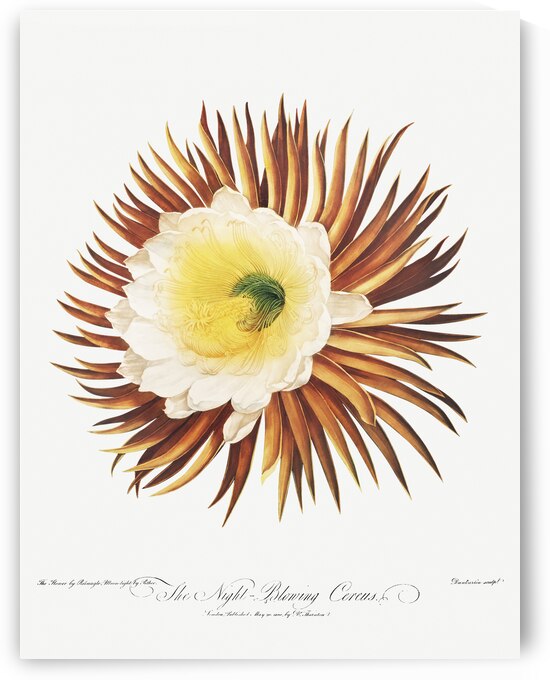
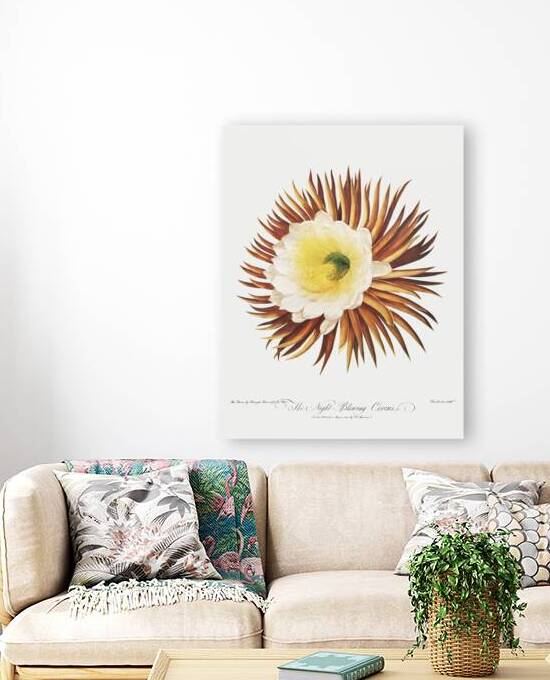
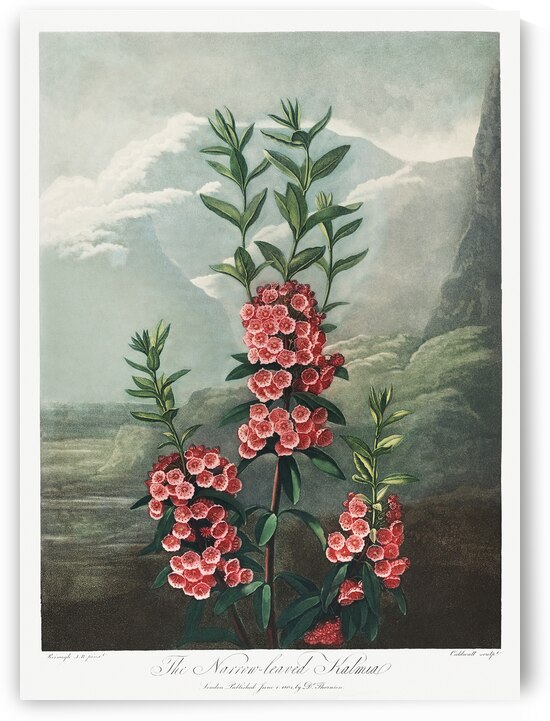
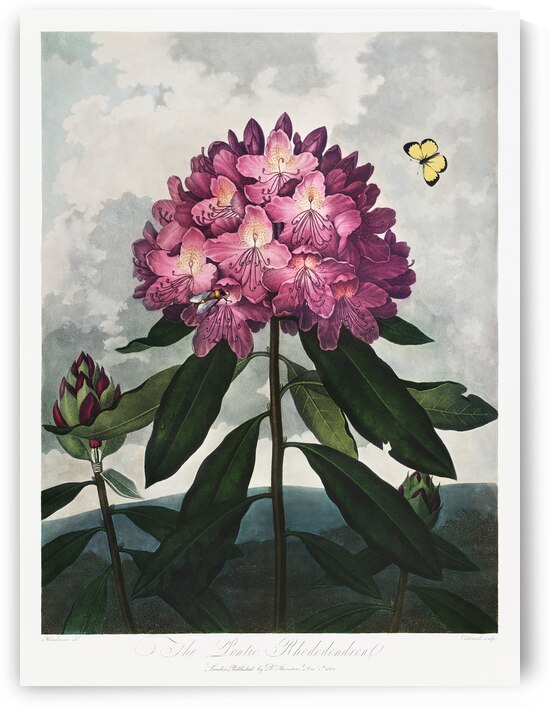
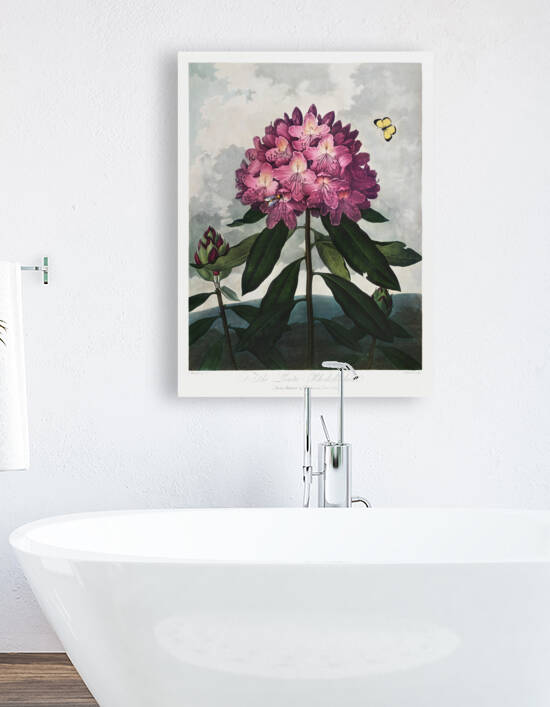
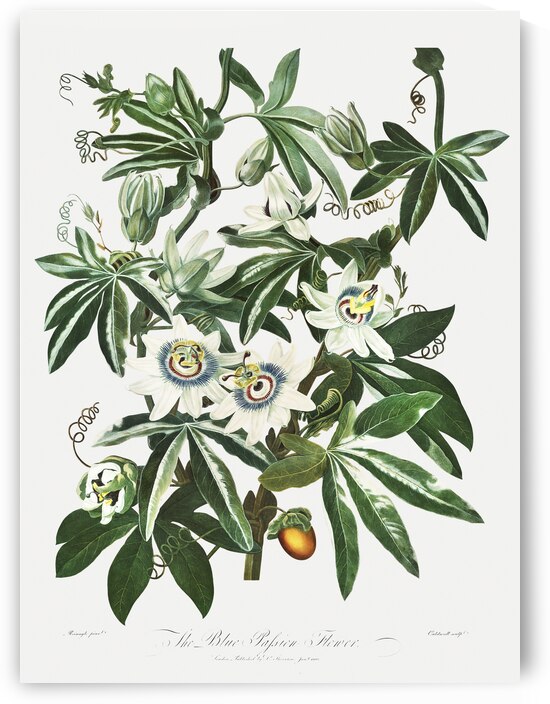
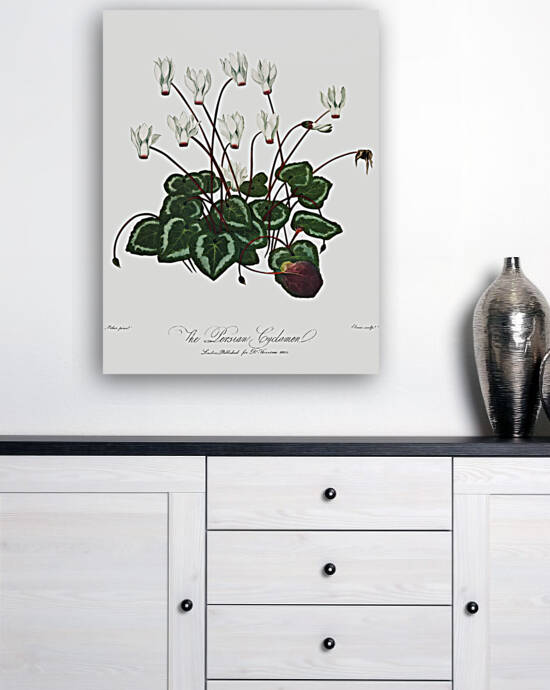
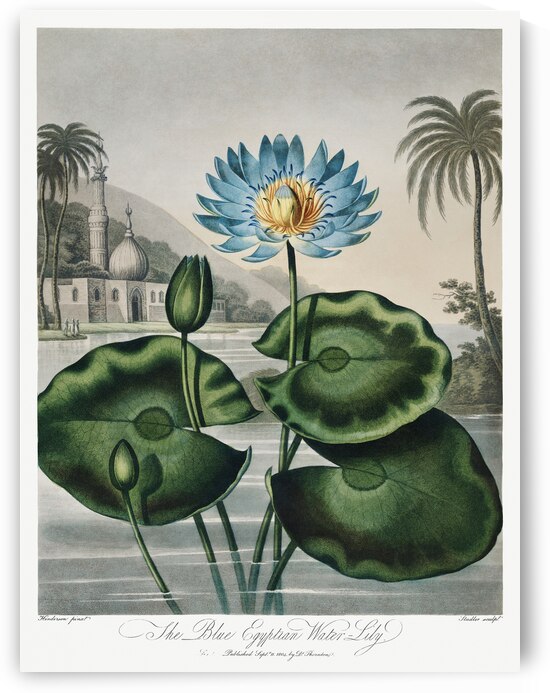
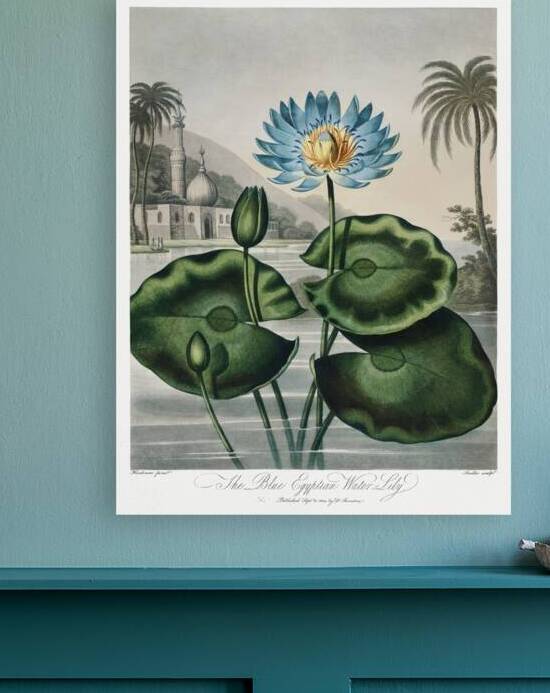
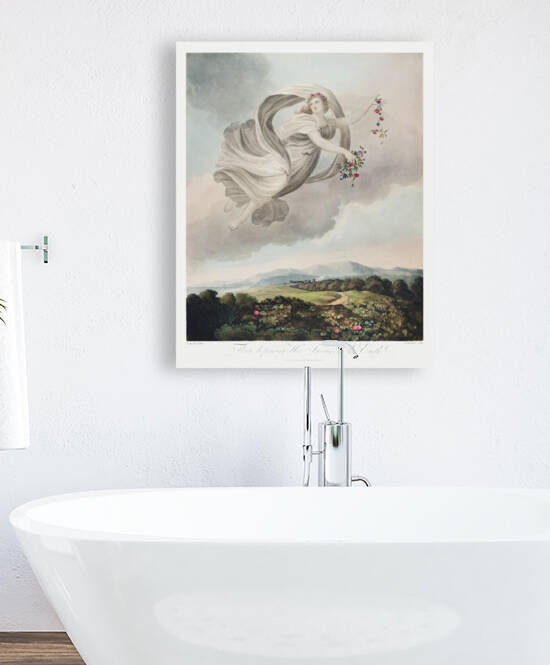
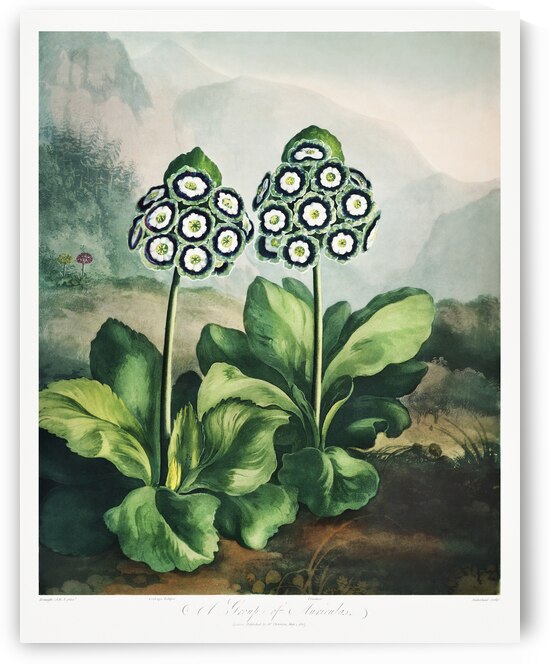
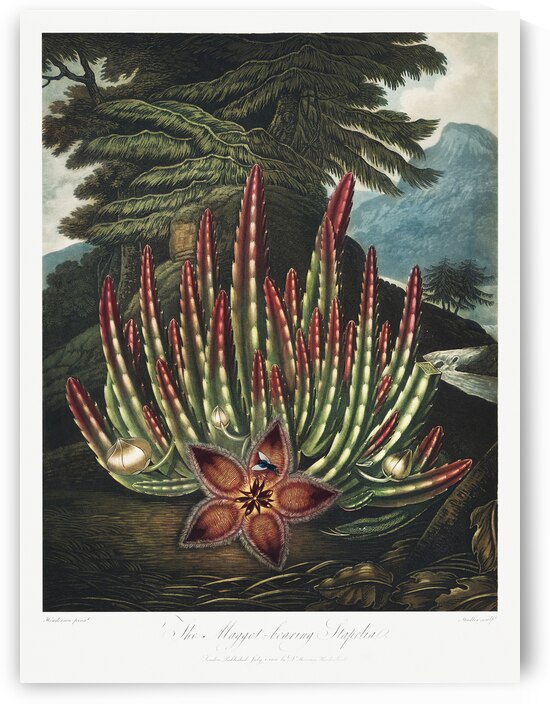
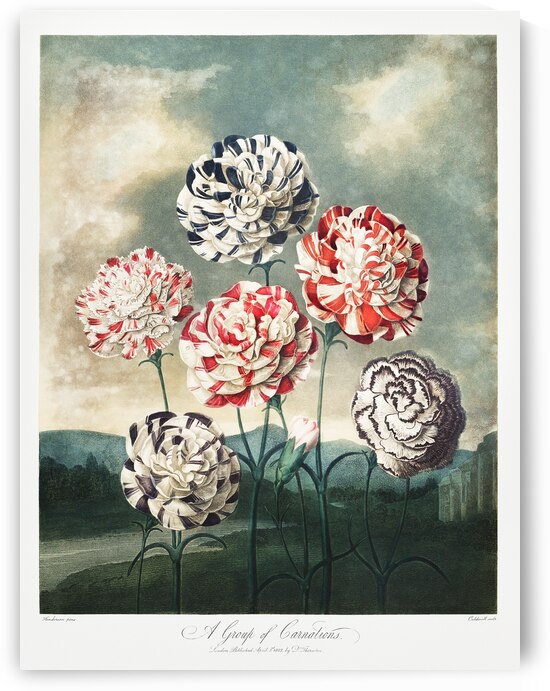
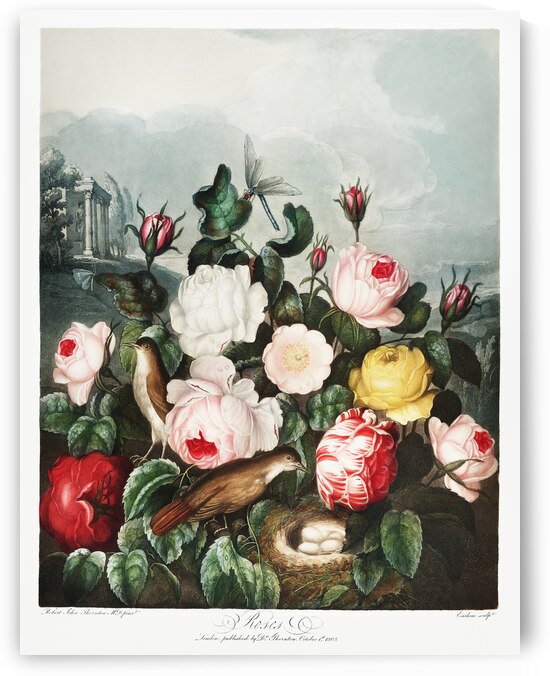
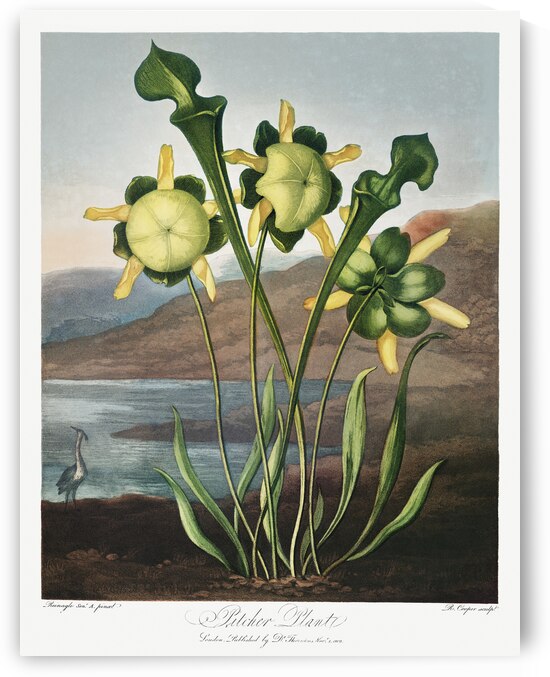
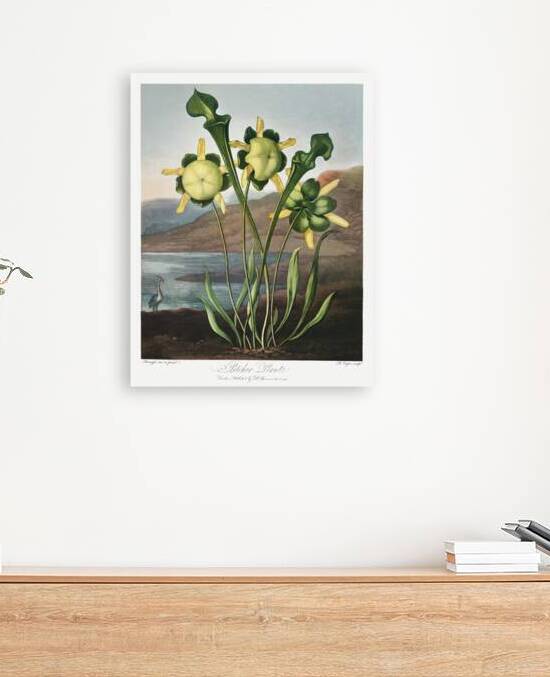
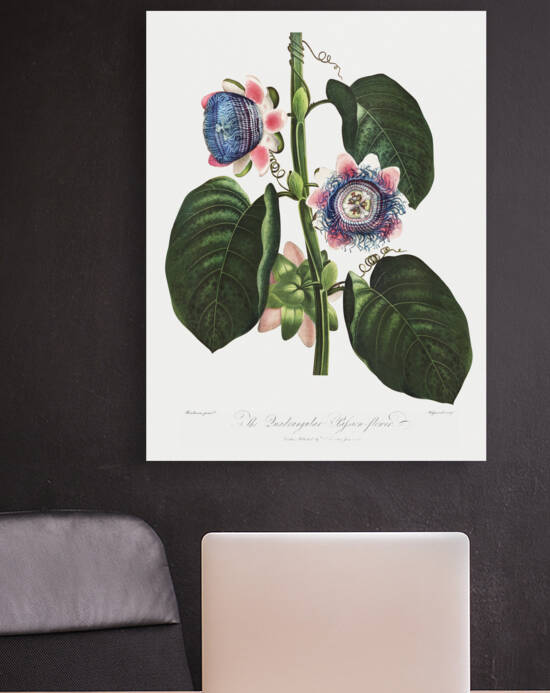
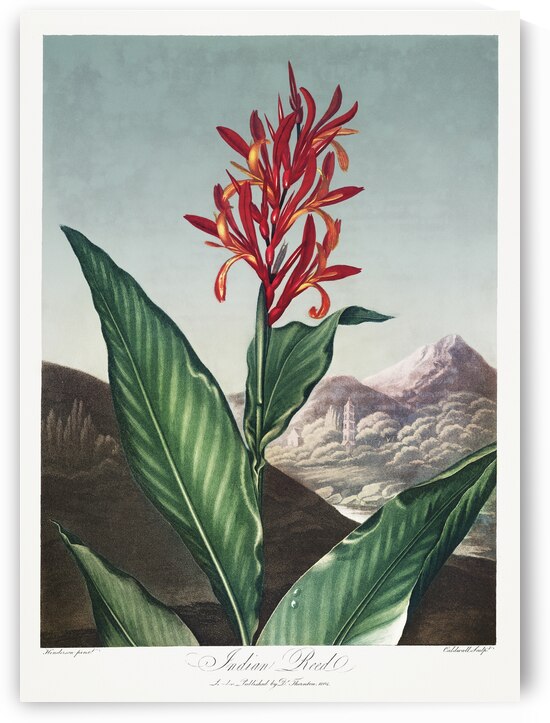
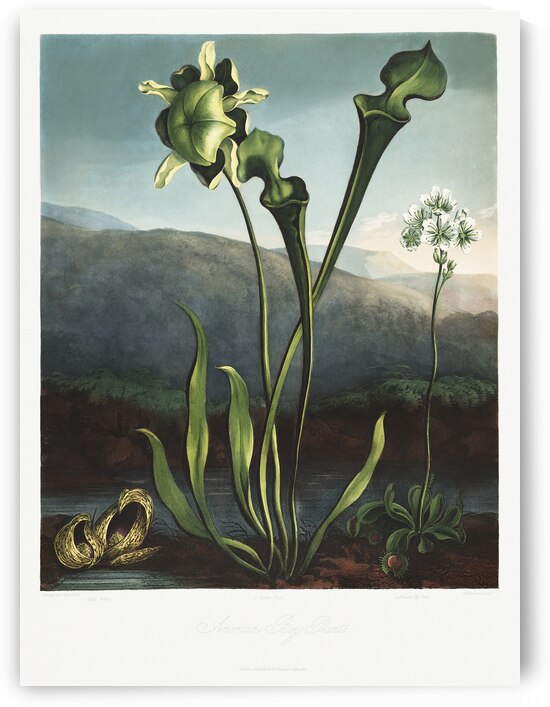
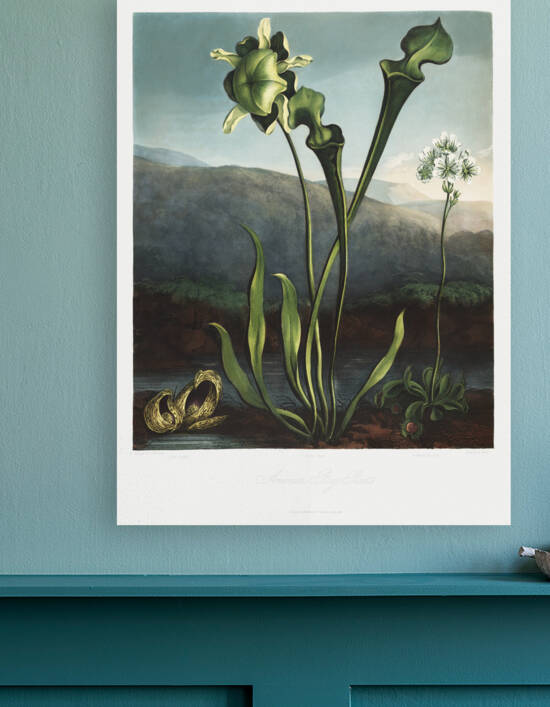
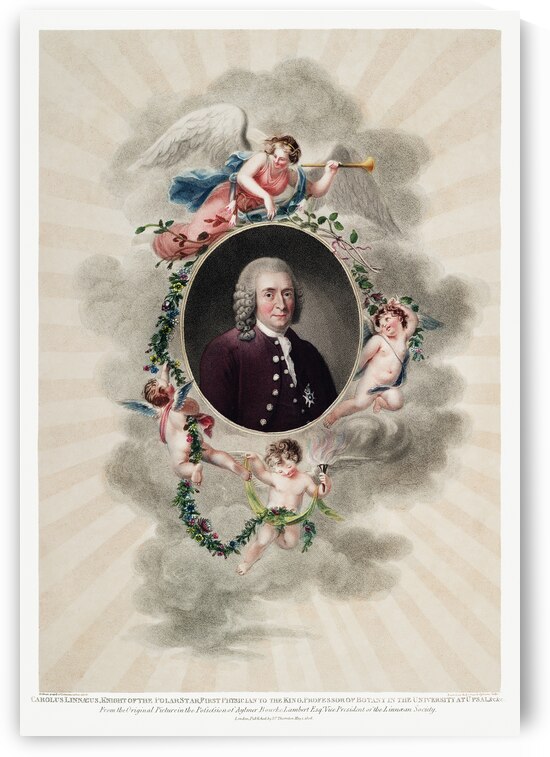
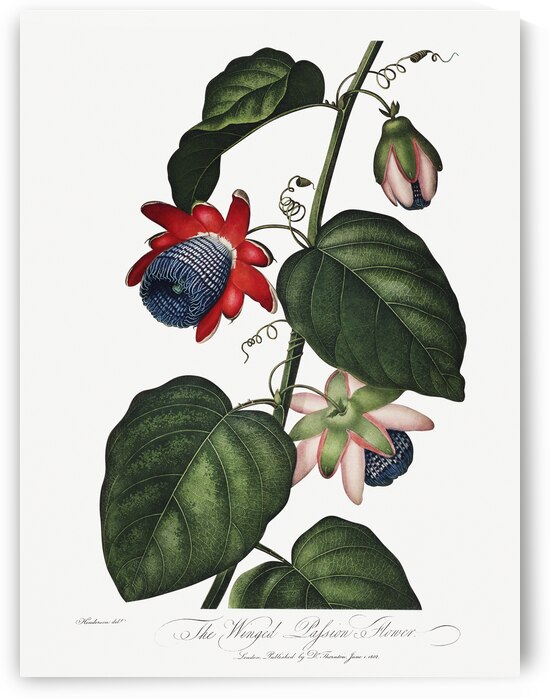
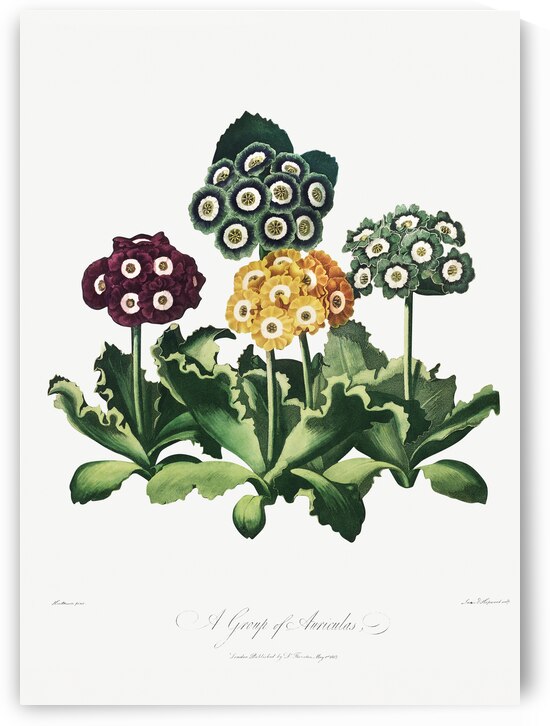
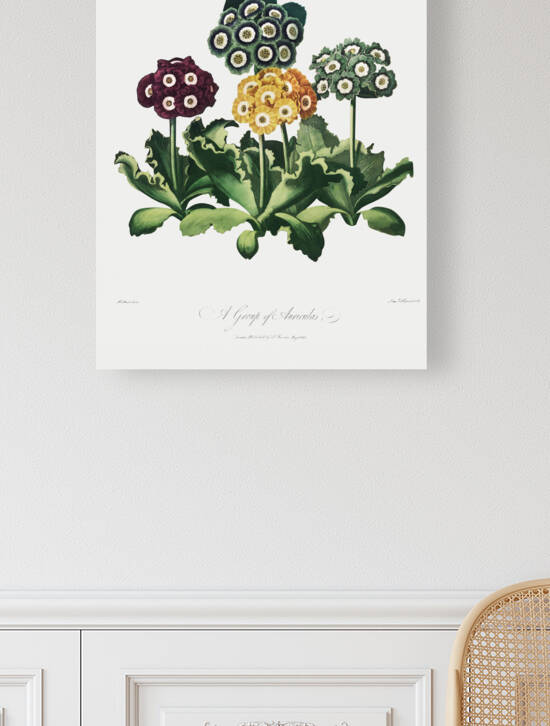
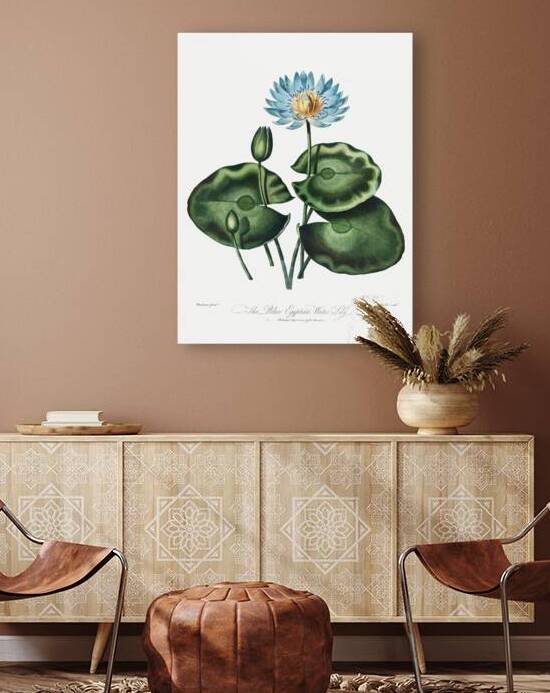
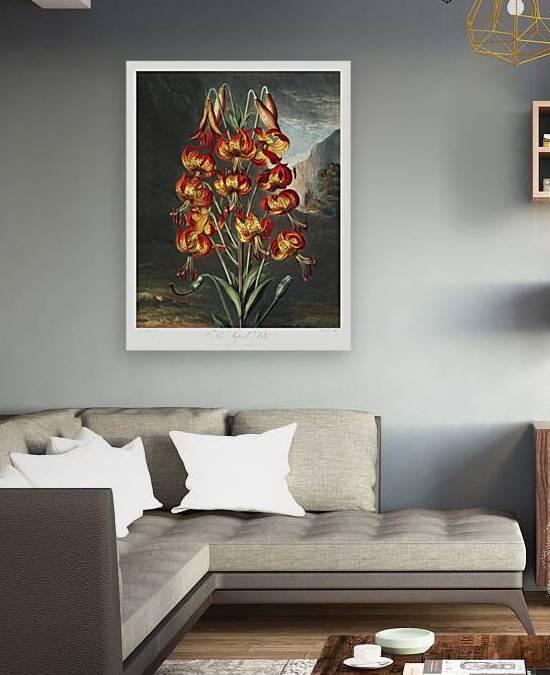
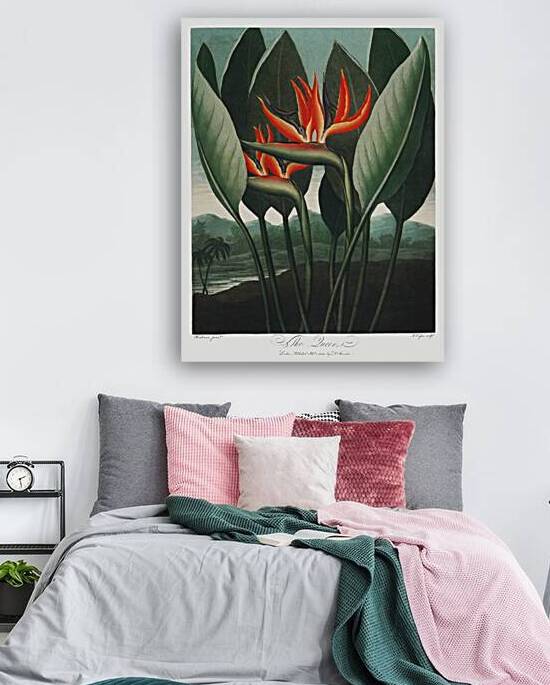
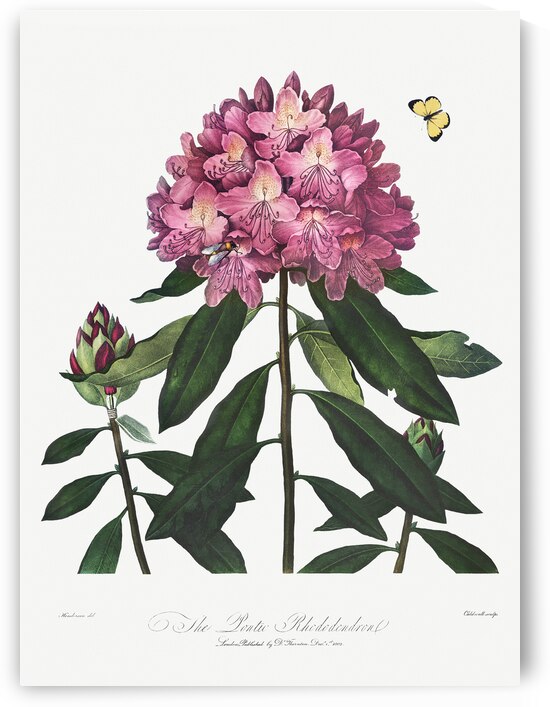
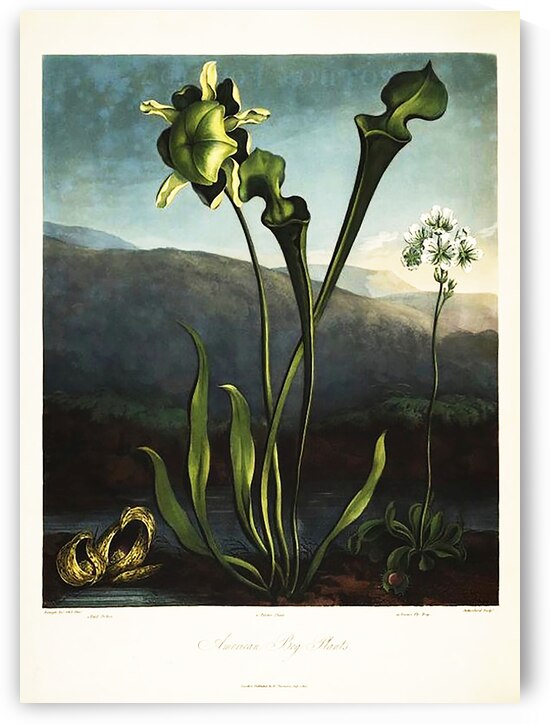
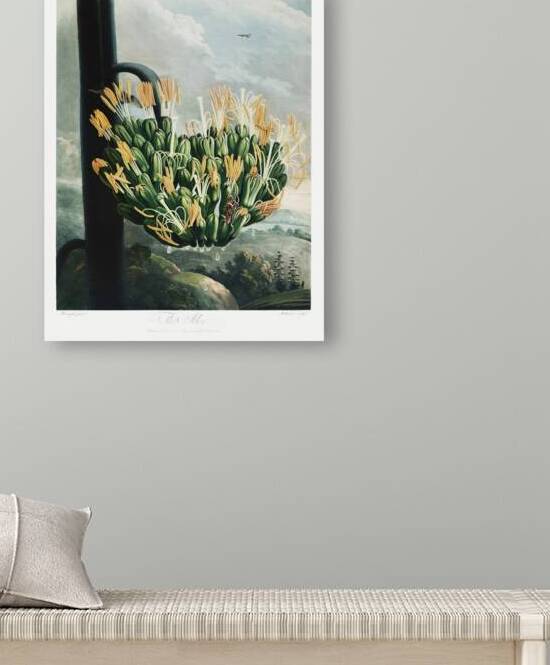
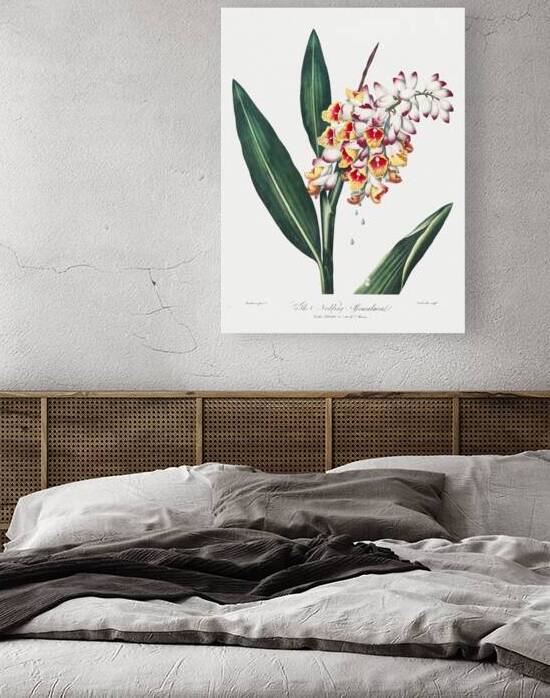
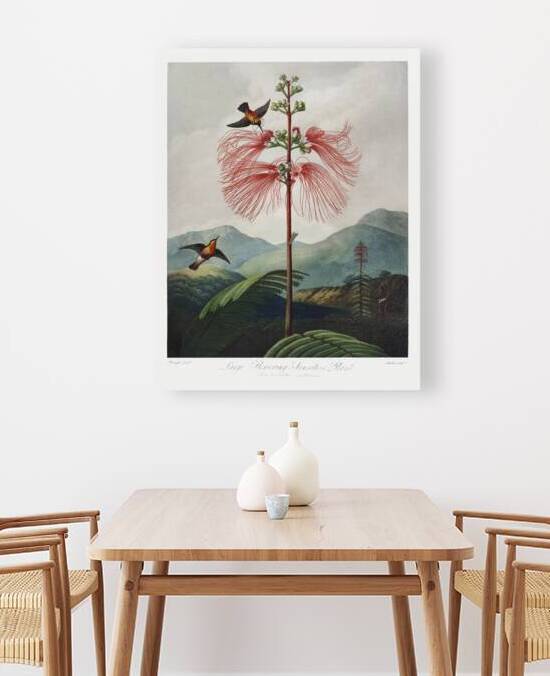
Thornton's dedication to the study of botany became apparent after completing his medical studies. His most significant work The Temple of Flora published between 1799 and 1807 stands as a testament to his dedication and creativity. This monumental publication featured exquisite hand-colored plates of plants many of which were native to the Americas. The vivid and detailed illustrations were accompanied by poetic descriptions blending science and art to a degree previously unseen in botanical literature.
A Visionary Approach:
What set Dr. Thornton apart from his contemporaries was his visionary approach to botanical illustration. He believed that the scientific study of plants could be enhanced through artistry and a deep appreciation for the aesthetic qualities of nature. The Temple of Flora was not merely a scientific work it was a masterpiece of art science and literature that celebrated the beauty of the natural world.
Contributions to Science:
Beyond his artistic achievements Thornton made significant contributions to the field of botany. He actively supported the introduction of new plant species to England and played a role in the establishment of the Royal Horticultural Society. His work helped foster a greater understanding of botany and contributed to the broader scientific community.
Legacy:
Dr. Robert John Thornton's legacy endures in the world of botany and art. His dedication to merging science and aesthetics has left an indelible mark on botanical illustration. The Temple of Flora remains a cherished masterpiece sought after by collectors and scholars alike. His vision of blending art and science continues to inspire contemporary artists and scientists emphasizing the importance of beauty in the natural world.
Conclusion:
Dr. Robert John Thornton's life was a testament to the power of curiosity passion and creativity. His pioneering work in botanical illustration and his unwavering dedication to the natural world continue to captivate and inspire individuals across generations. Through this biography we hope to honor the life and legacy of a true botanical visionary whose contributions to science and art will be remembered for generations to come.
Introduction:
Welcome to the online biography of Dr. Robert John Thornton a remarkable figure in the world of 18th and 19th-century botany known for his pioneering work in botanical illustration and his unwavering passion for the natural world. This biography will take you on a journey through the life and accomplishments of a man whose dedication to botany and art left an indelible mark on the world of science and aesthetics.
Birth and Early Life:
Dr. Robert John Thornton was born on March 18 1768 in the bustling city of London England. From a young age he displayed an insatiable curiosity about the natural world often spending his free time exploring the lush gardens and parks of London. His fascination with plants and their intricate structures would become a lifelong passion.
Education and Botanical Ambitions:
Robert John Thornton's education was extensive and diverse. He attended the prestigious Merchant Taylors' School and later studied medicine at the renowned University of Edinburgh. His medical education provided him with a strong foundation in science and anatomy which would later prove invaluable in his botanical pursuits.
Thornton's dedication to the study of botany became apparent after completing his medical studies. His most significant work The Temple of Flora published between 1799 and 1807 stands as a testament to his dedication and creativity. This monumental publication featured exquisite hand-colored plates of plants many of which were native to the Americas. The vivid and detailed illustrations were accompanied by poetic descriptions blending science and art to a degree previously unseen in botanical literature.
A Visionary Approach:
What set Dr. Thornton apart from his contemporaries was his visionary approach to botanical illustration. He believed that the scientific study of plants could be enhanced through artistry and a deep appreciation for the aesthetic qualities of nature. The Temple of Flora was not merely a scientific work it was a masterpiece of art science and literature that celebrated the beauty of the natural world.
Contributions to Science:
Beyond his artistic achievements Thornton made significant contributions to the field of botany. He actively supported the introduction of new plant species to England and played a role in the establishment of the Royal Horticultural Society. His work helped foster a greater understanding of botany and contributed to the broader scientific community.
Legacy:
Dr. Robert John Thornton's legacy endures in the world of botany and art. His dedication to merging science and aesthetics has left an indelible mark on botanical illustration. The Temple of Flora remains a cherished masterpiece sought after by collectors and scholars alike. His vision of blending art and science continues to inspire contemporary artists and scientists emphasizing the importance of beauty in the natural world.
Conclusion:
Dr. Robert John Thornton's life was a testament to the power of curiosity passion and creativity. His pioneering work in botanical illustration and his unwavering dedication to the natural world continue to captivate and inspire individuals across generations. Through this biography we hope to honor the life and legacy of a true botanical visionary whose contributions to science and art will be remembered for generations to come.