

 19973
19973
Marcus Eliser 1723-1799 - Pioneer of Ichthyology
Introduction:
Born in 1723 Marcus Eliser 1723-1799 was a distinguished naturalist and the author of the groundbreaking work Ichtylogie ou Histoire Naturelle: Générale et Particulière des Poissons 1785-1797 . Marcus Eliser's contributions to the field of ichthyology have left an indelible mark on the study of fish and the broader world of natural history. This biography provides an insight into the life and achievements of this remarkable individual.
Early Life:
Marcus Eliser hailed from a family with a deep appreciation for the natural world. His childhood marked by an insatiable curiosity about the creatures he encountered on family outings and excursions laid the foundation for his future pursuits.
Educational Journey:
Eliser's pursuit of knowledge led him to study under some of the most prominent naturalists and scholars of his time. He honed his observational skills and developed a keen interest in aquatic life during his formative years. His education took him to prestigious institutions across Europe where he had the privilege of learning from the likes of Carl Linnaeus and Georges-Louis Leclerc Comte de Buffon.
Pioneering Work in Ichthyology:
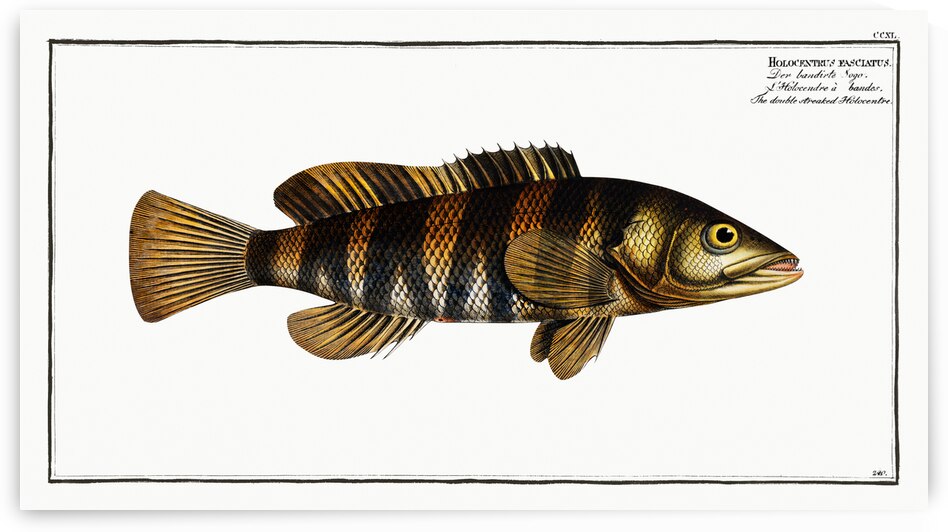
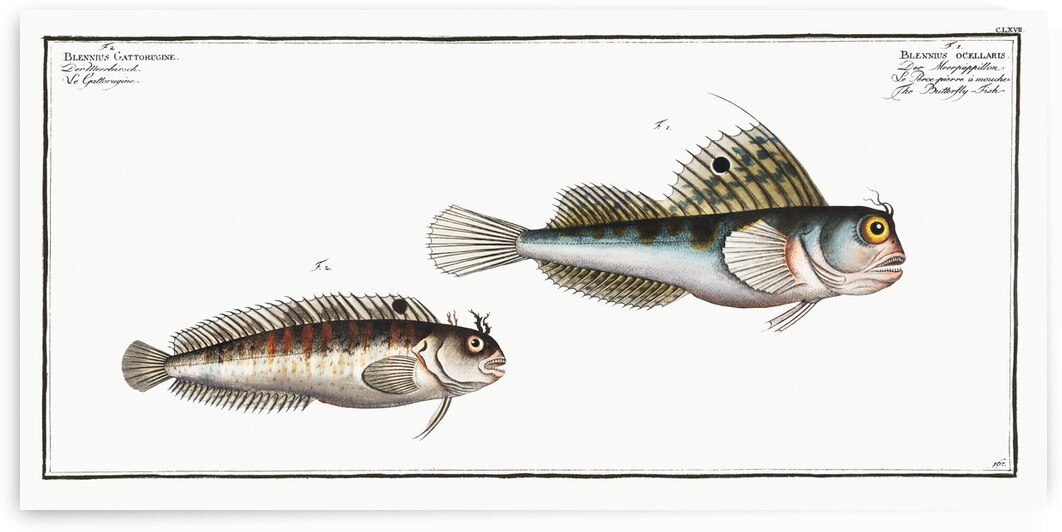
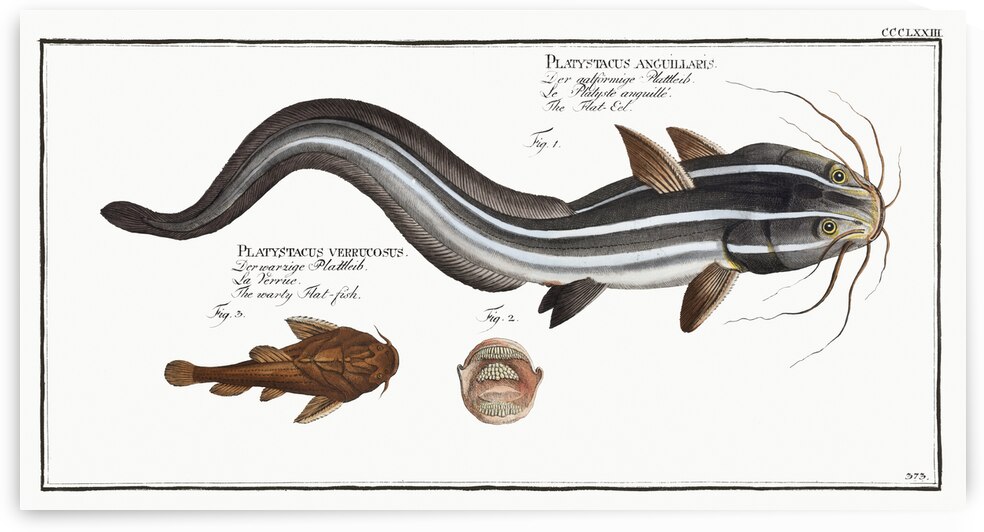
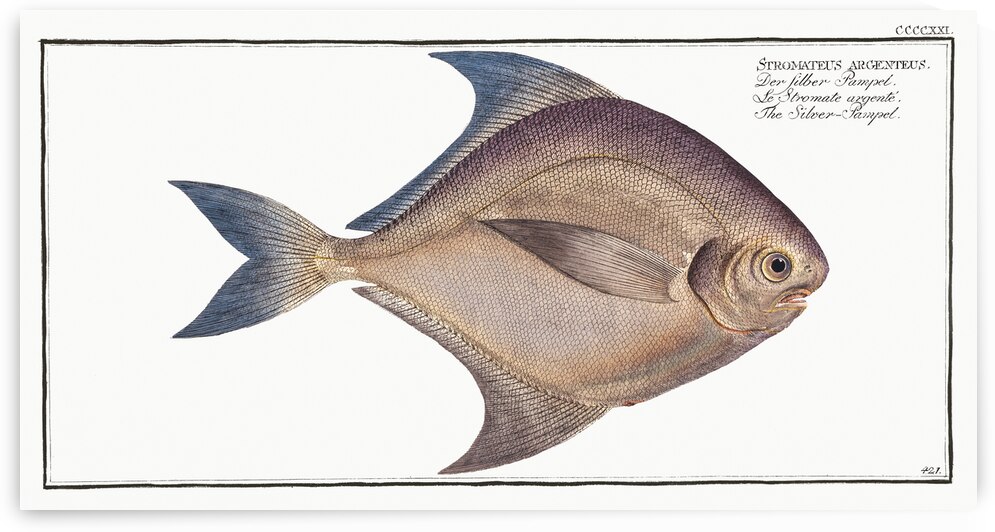
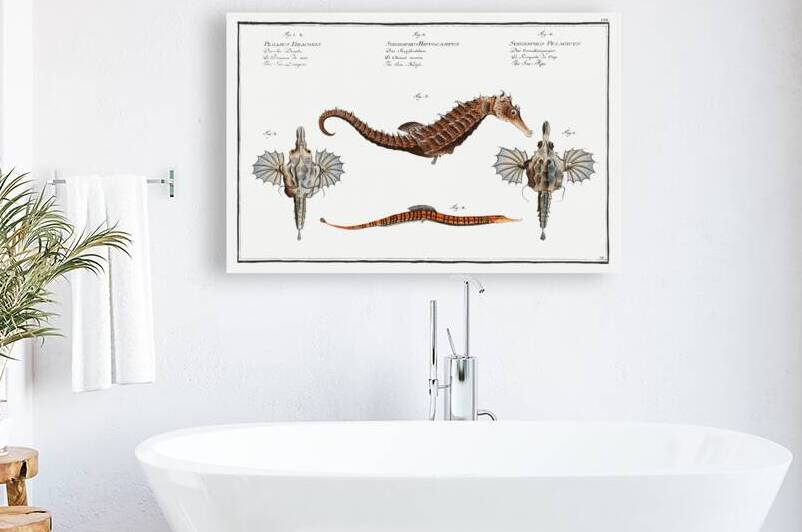
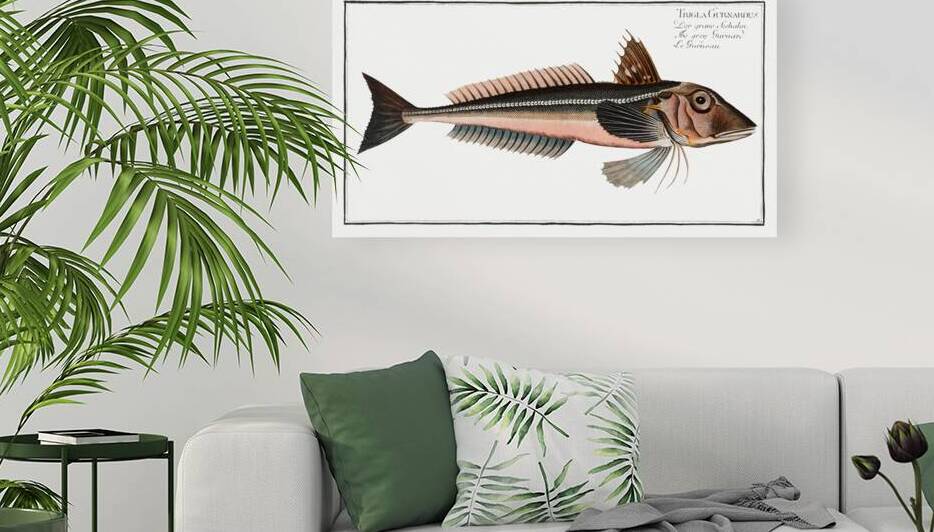
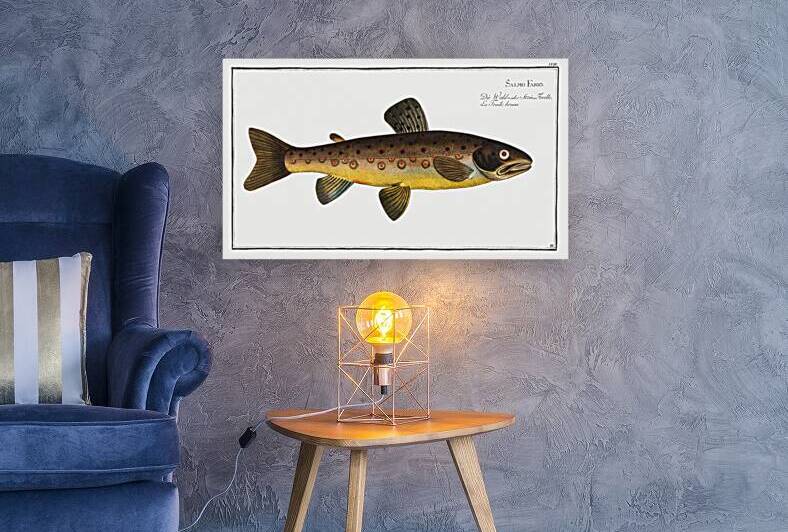
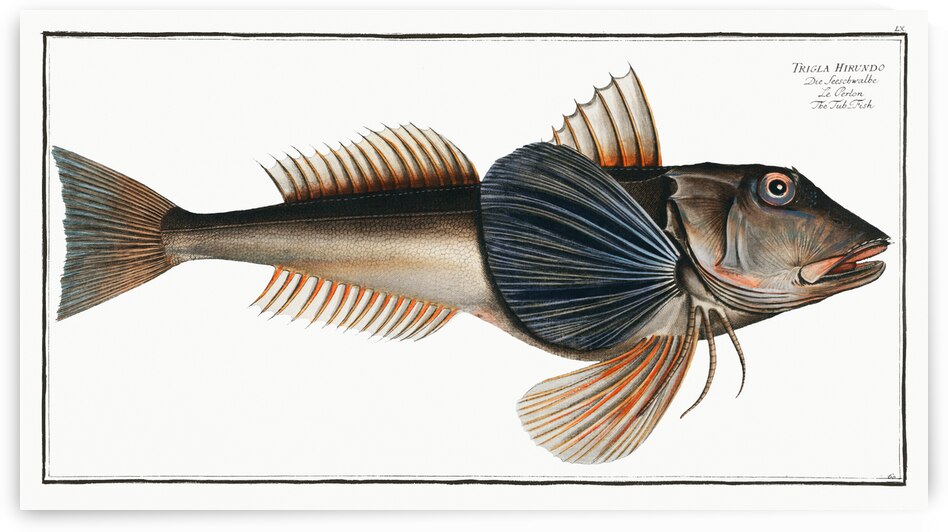
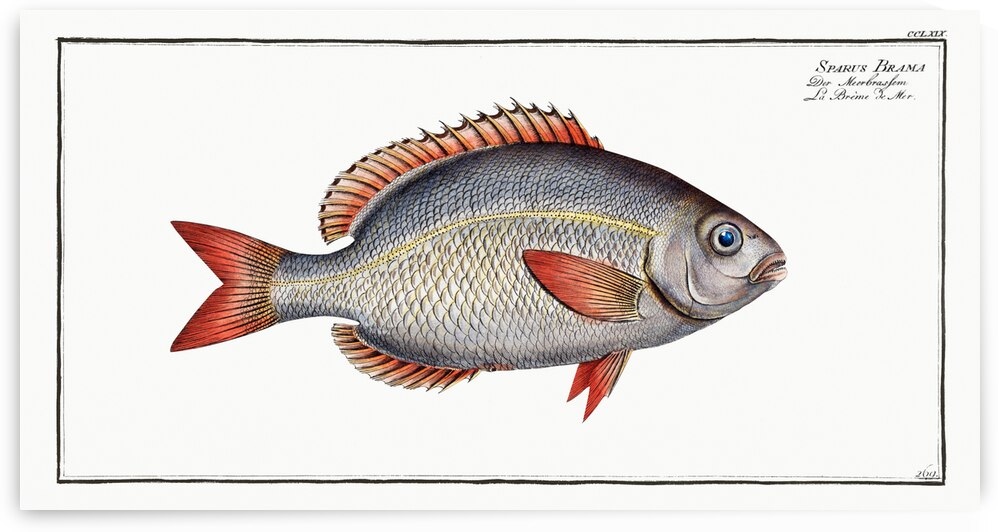
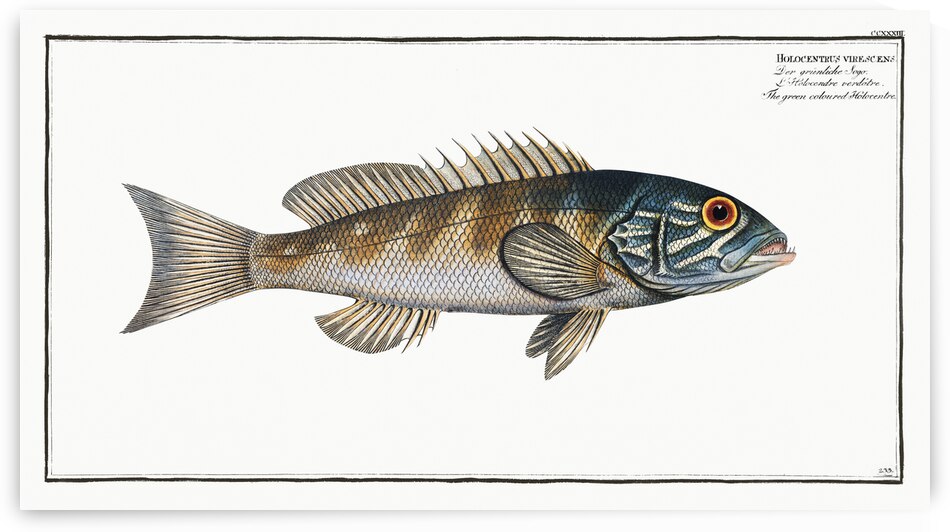
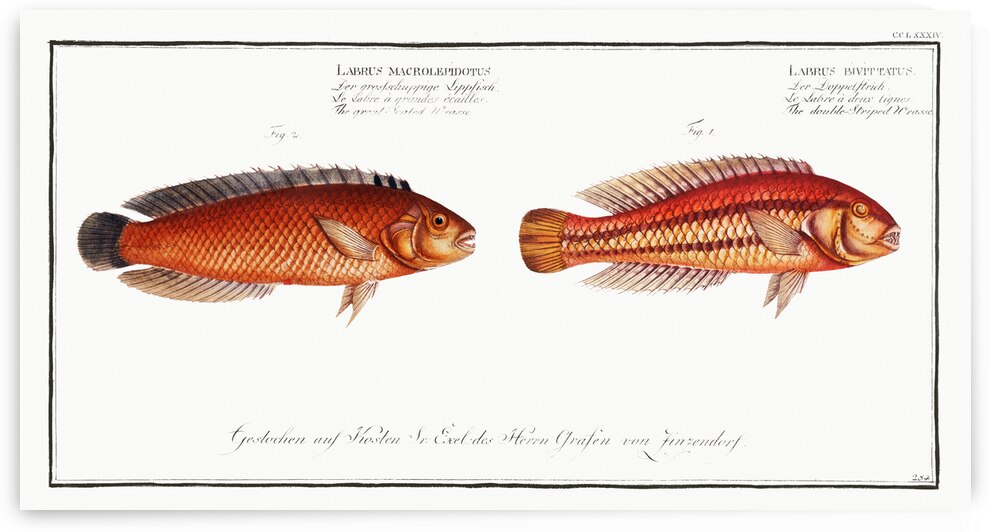
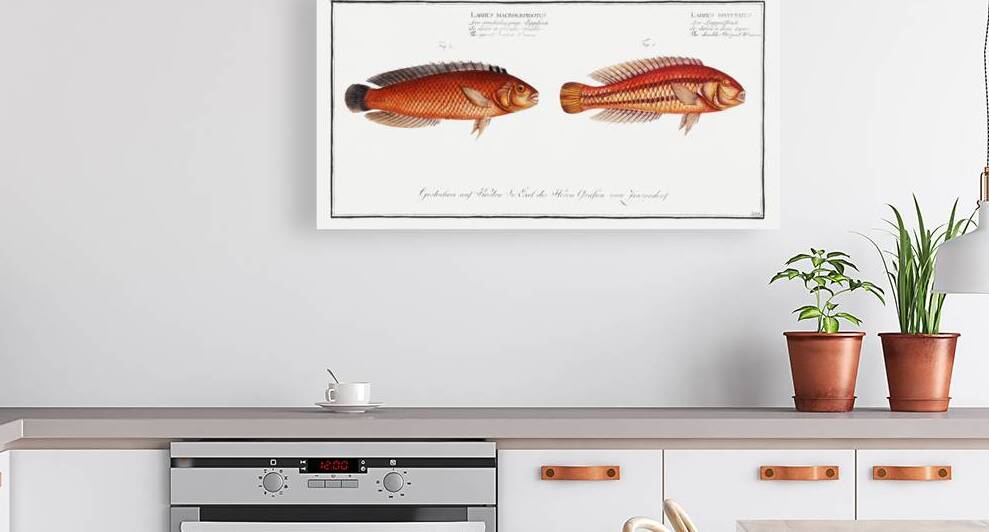
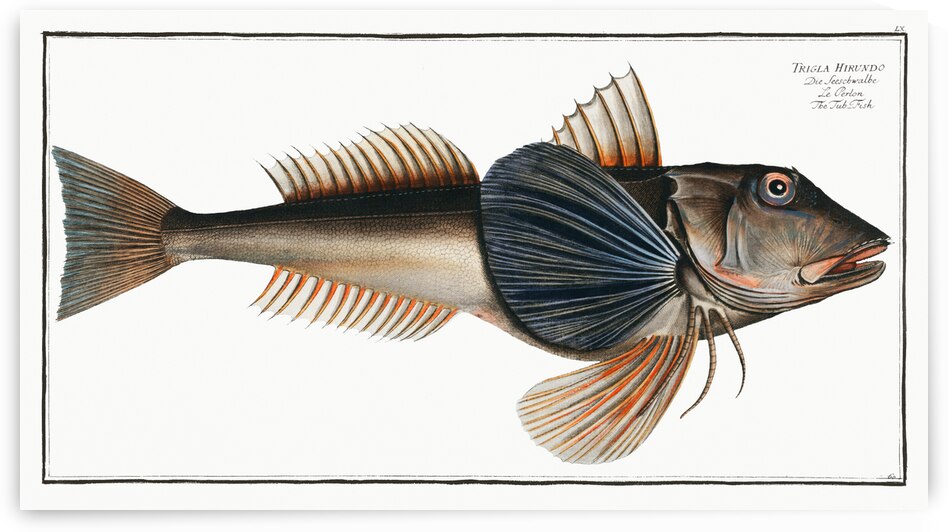
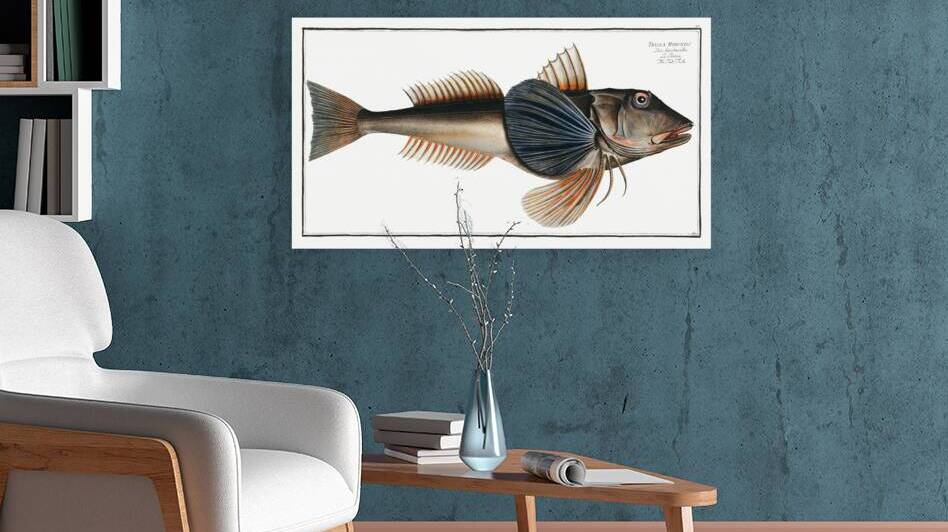
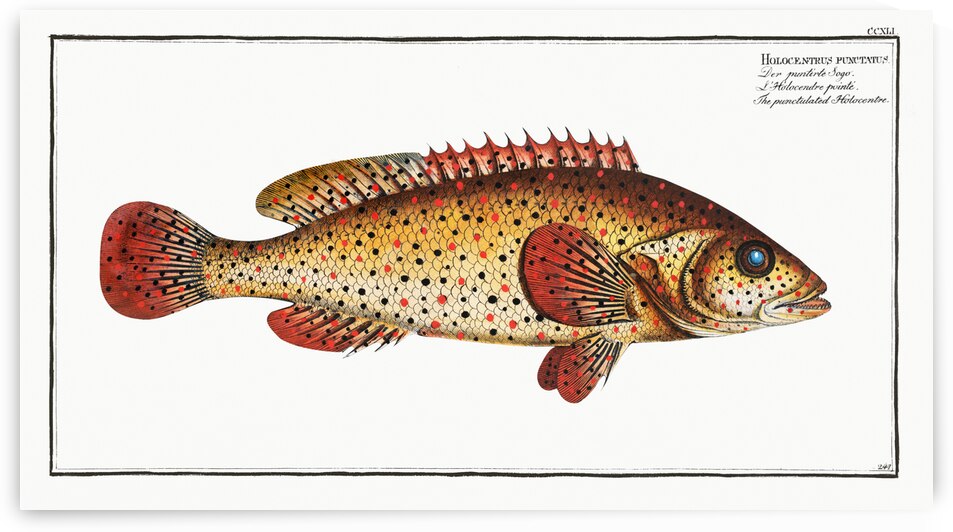
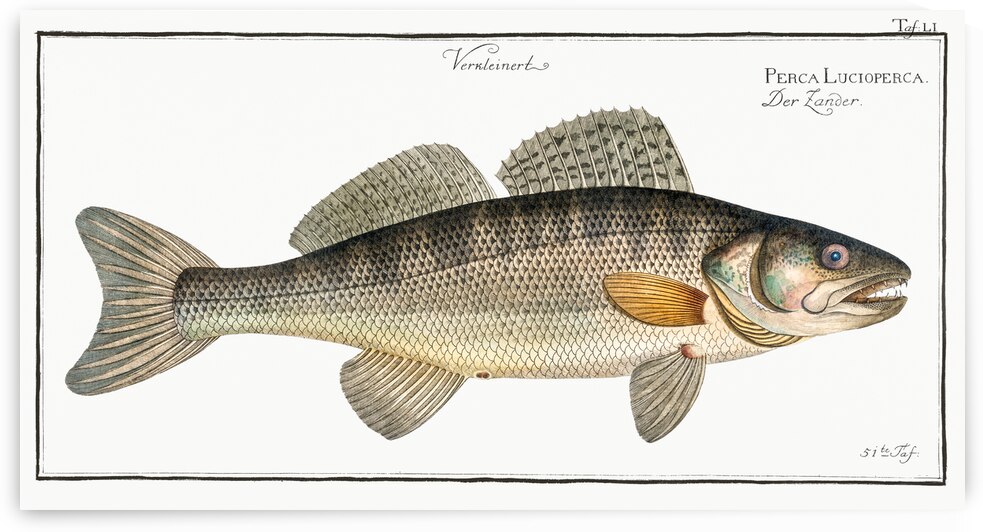
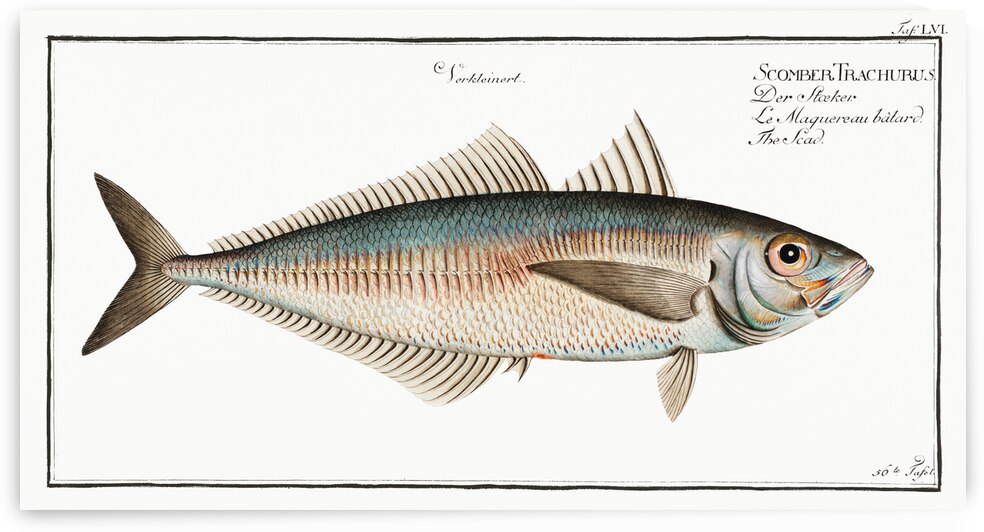
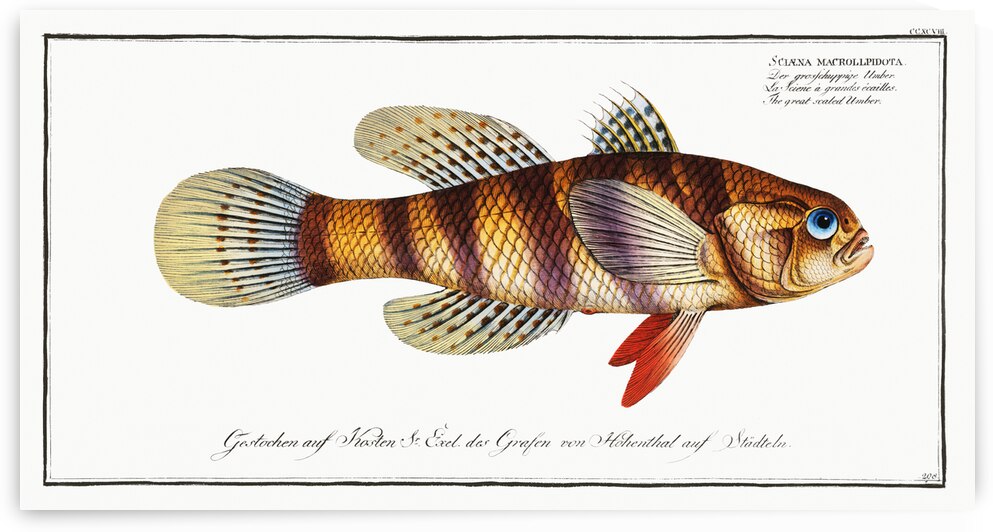
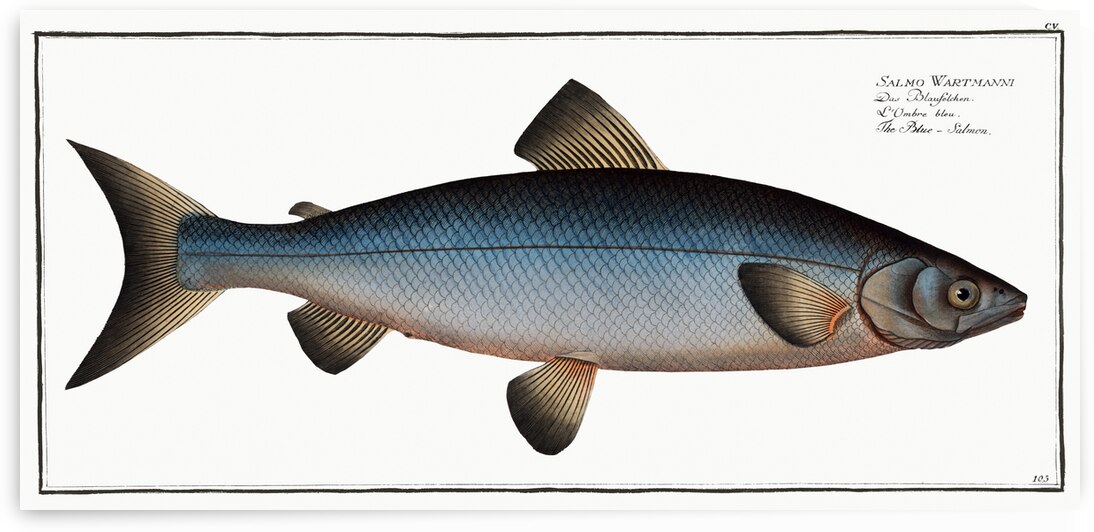
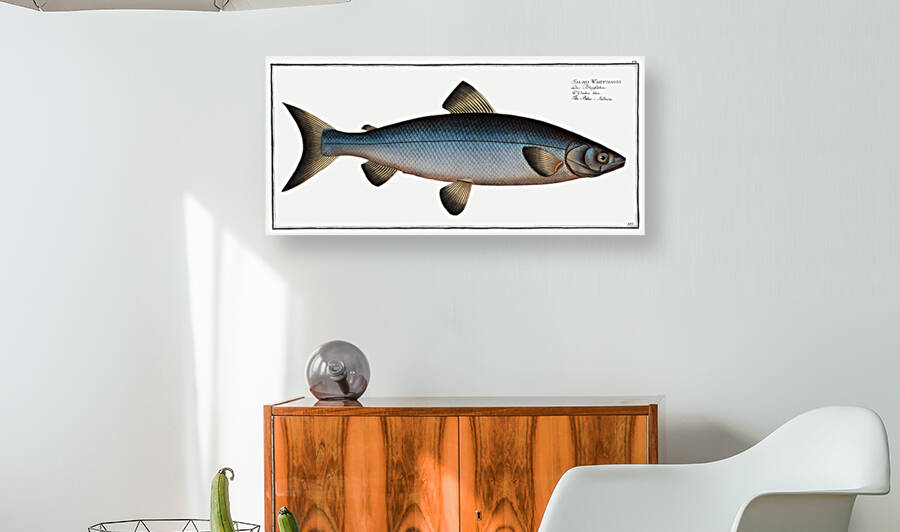
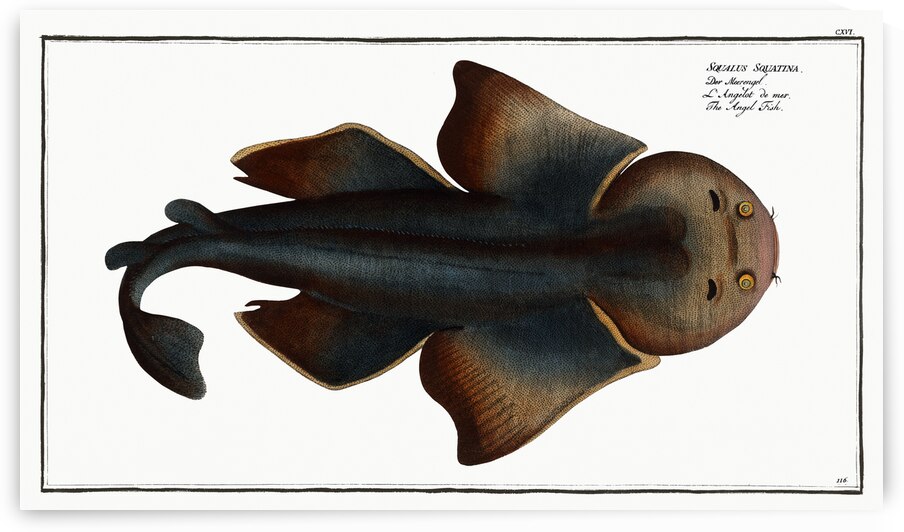
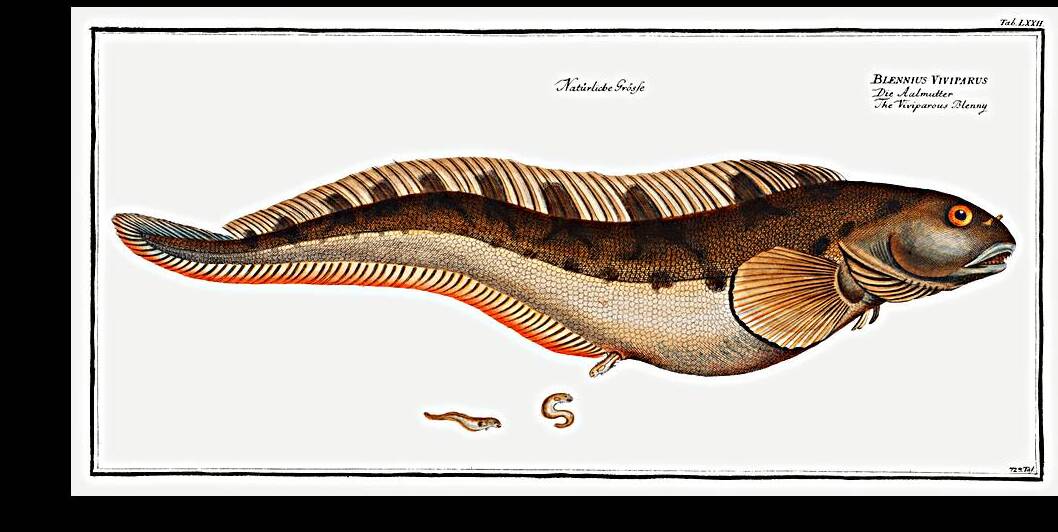
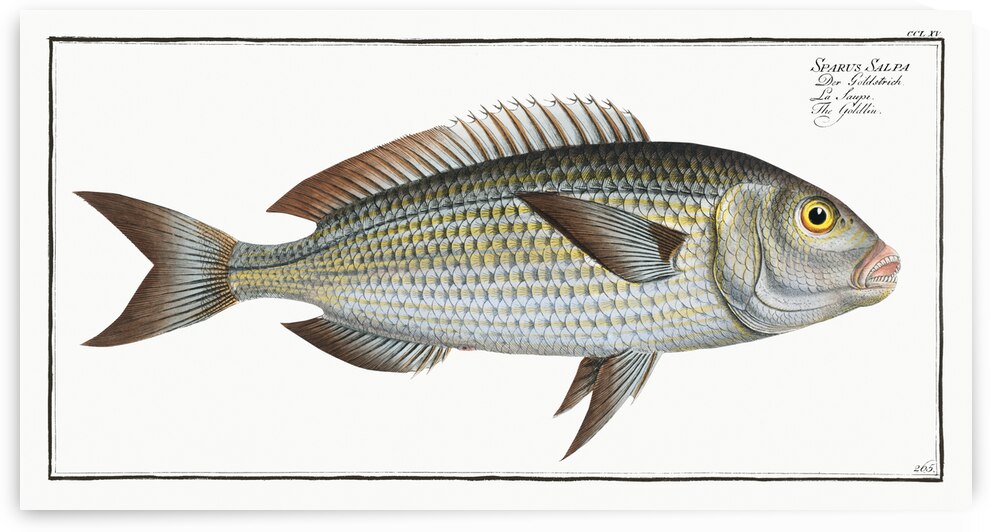
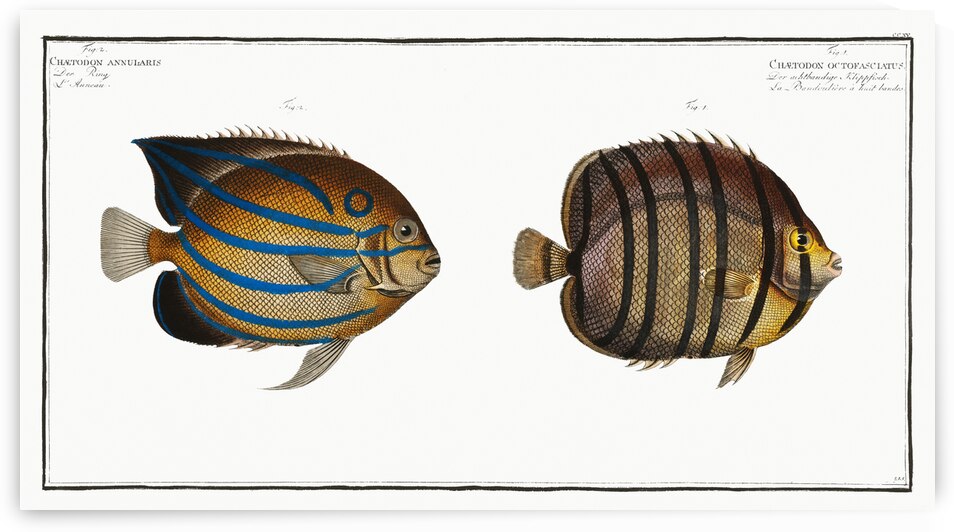
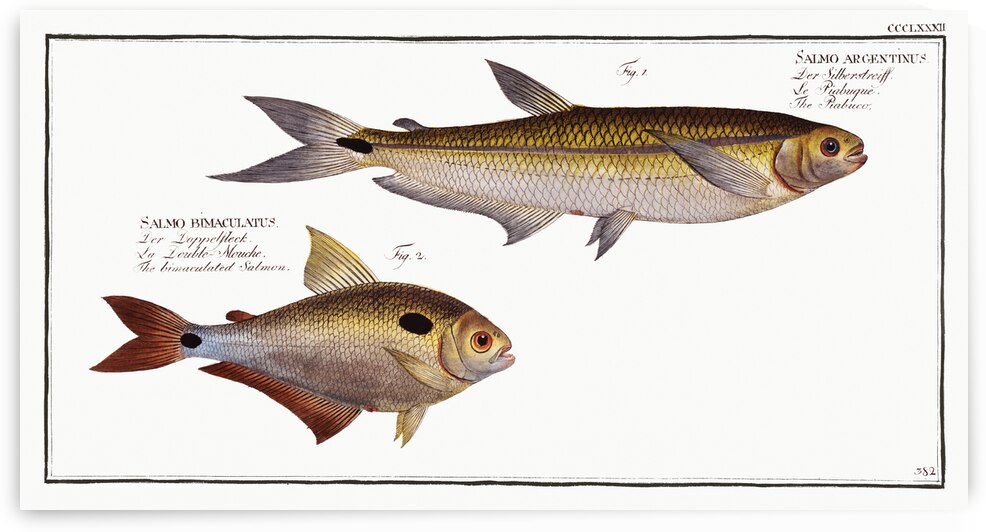
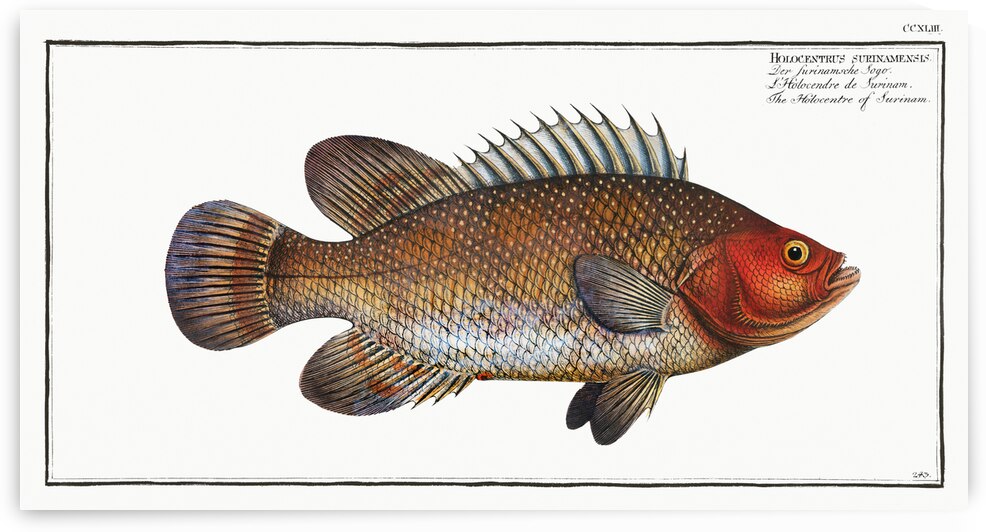
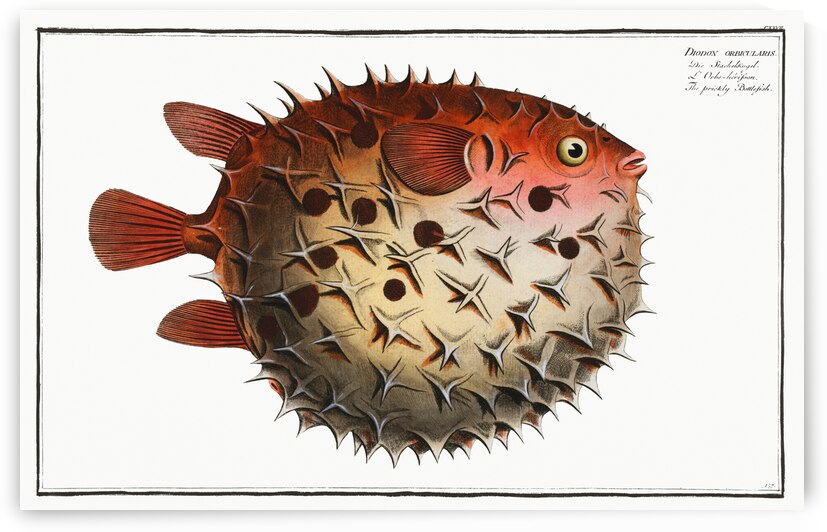
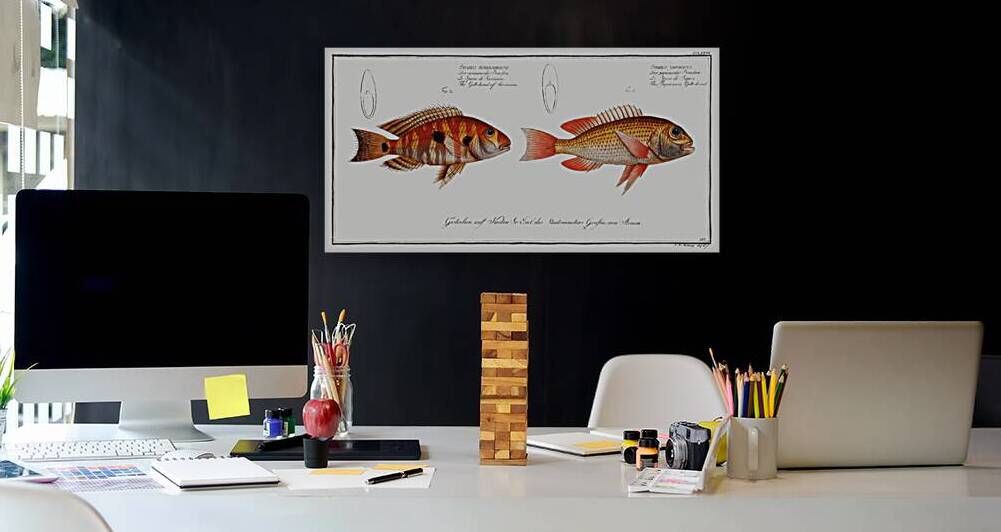
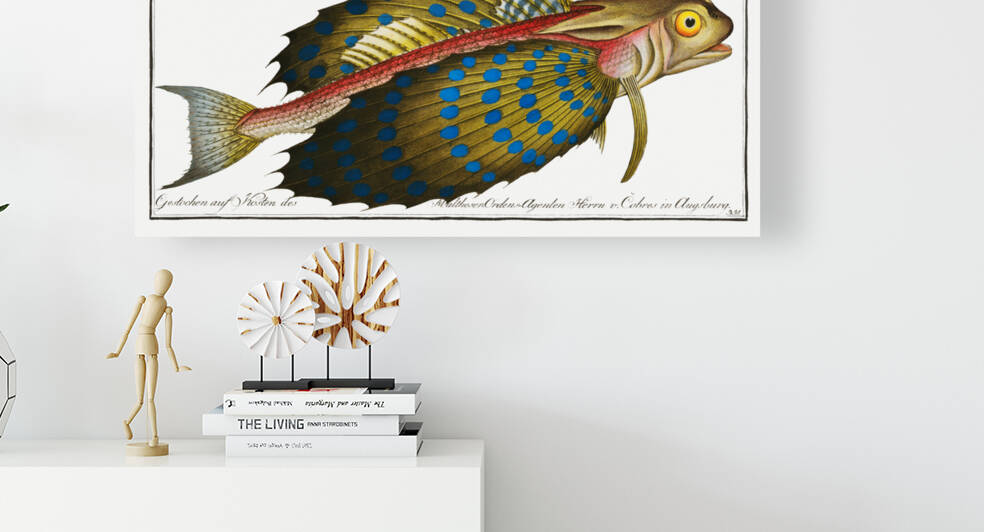
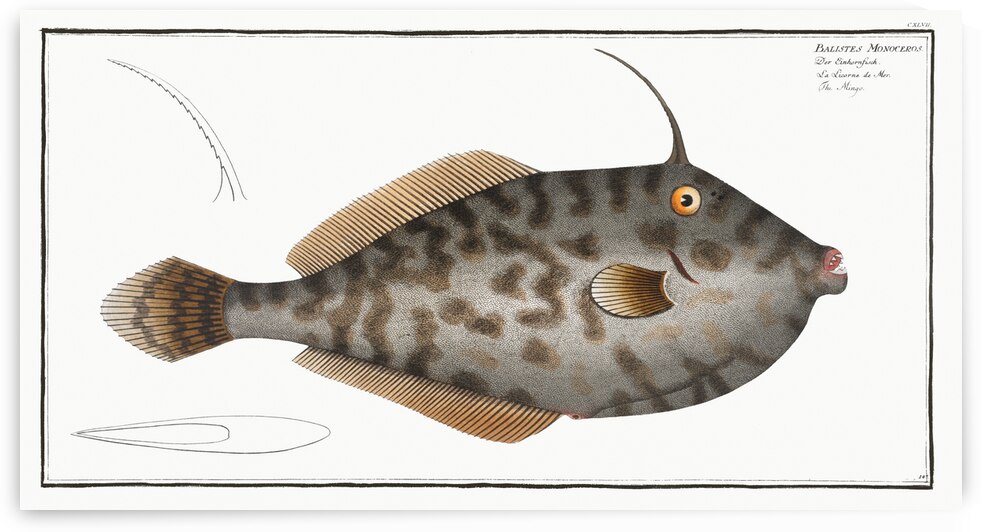
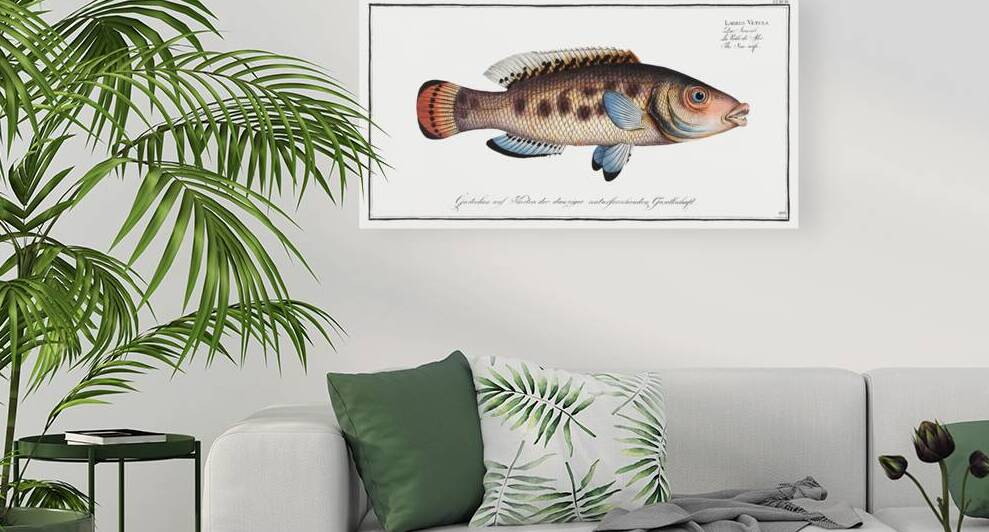
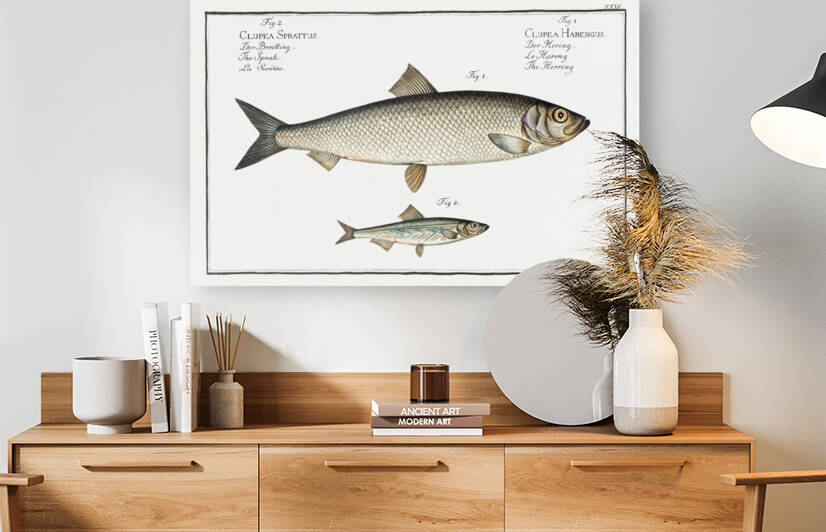
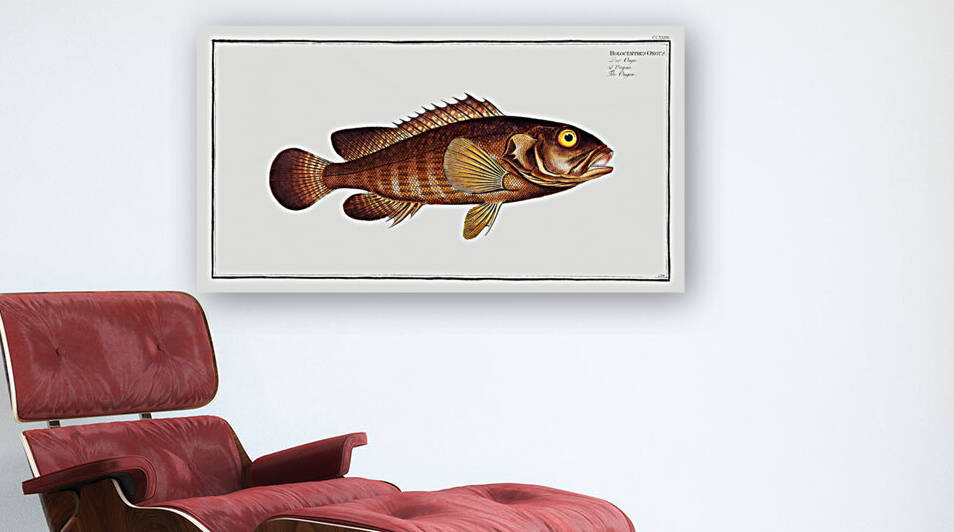
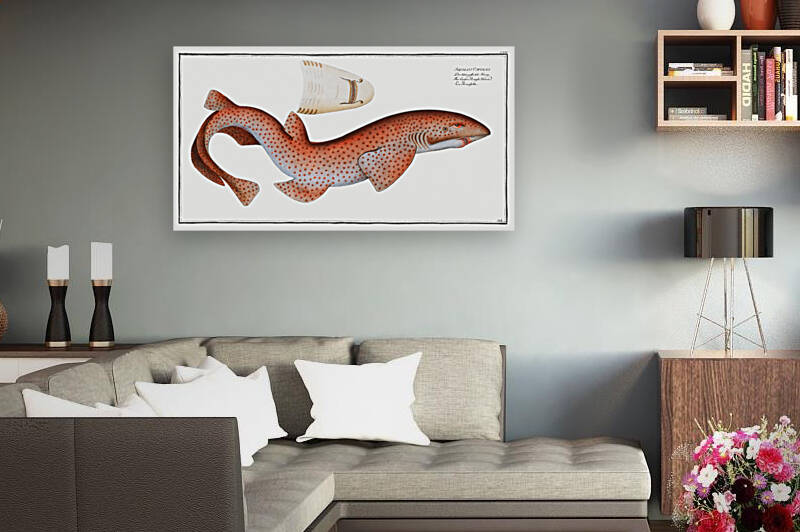
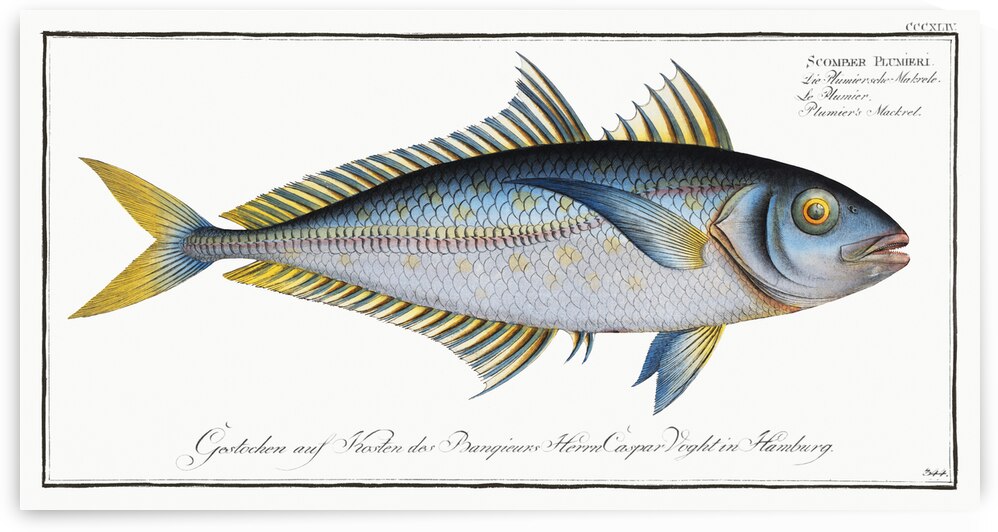
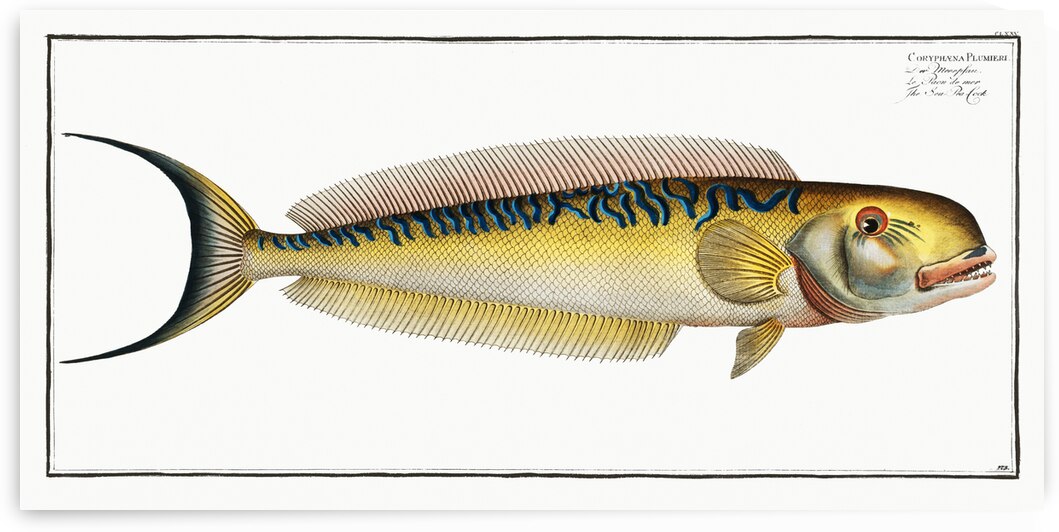
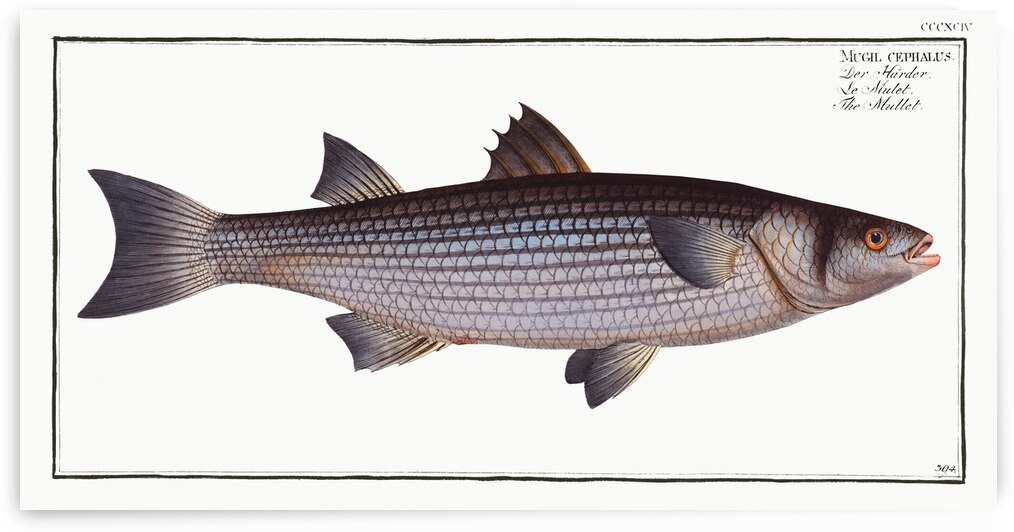
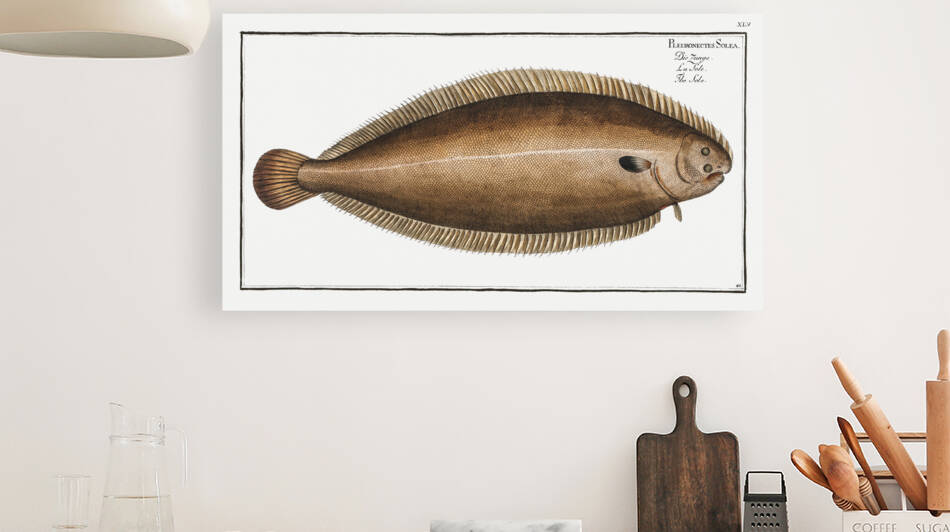
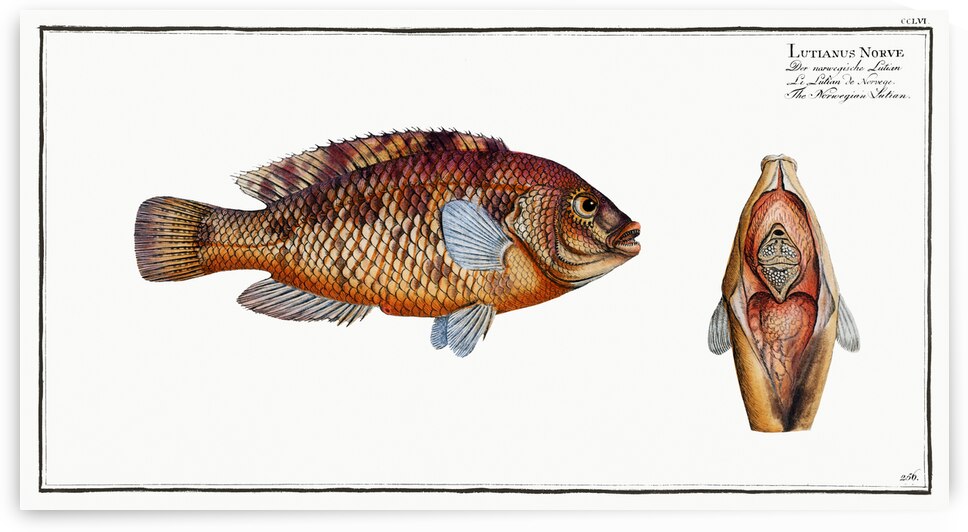
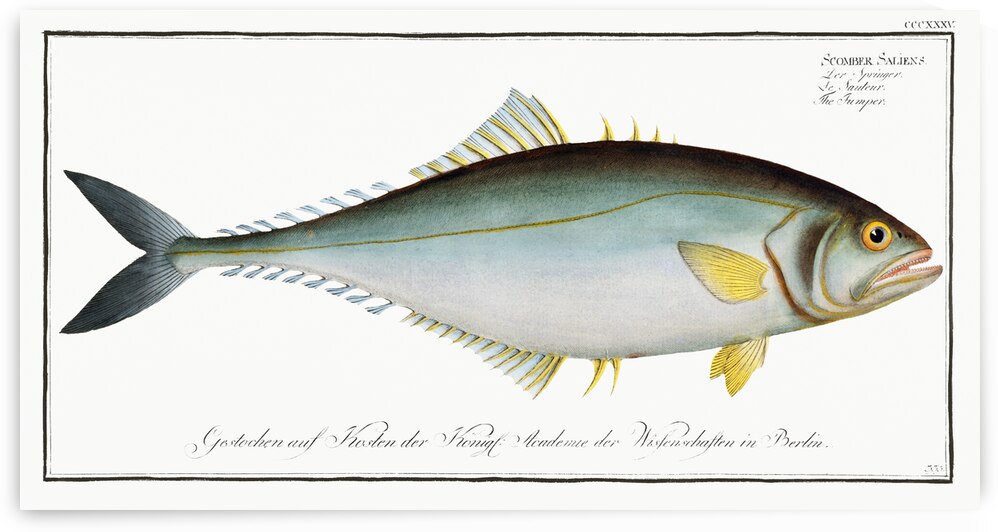
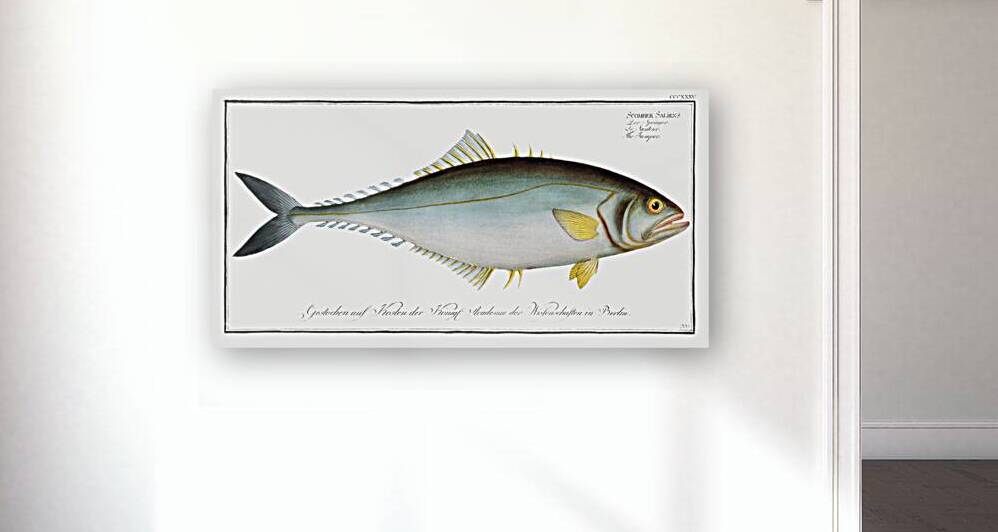
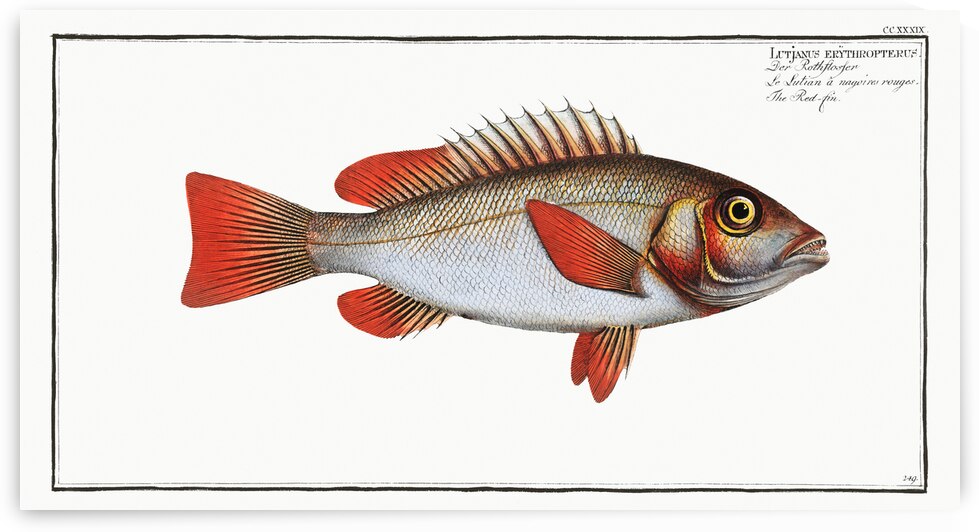
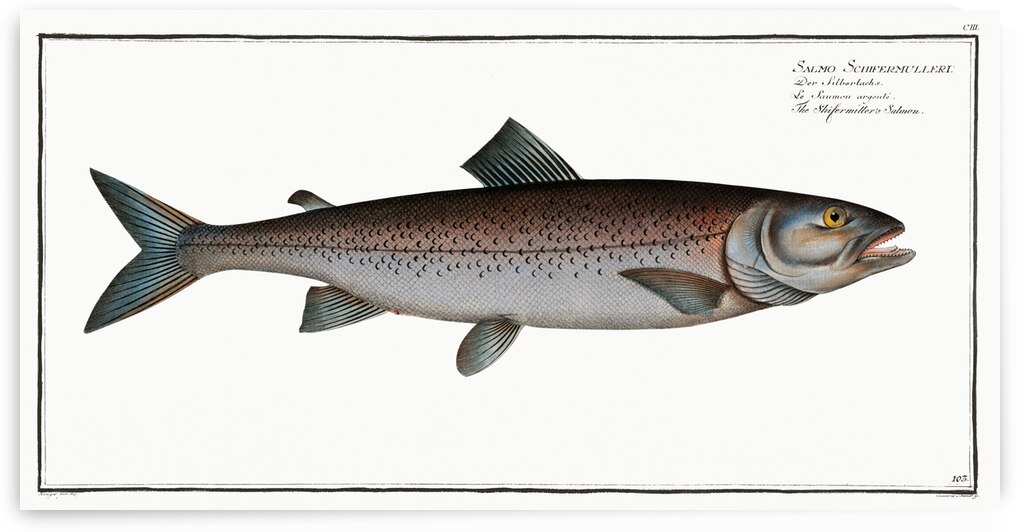
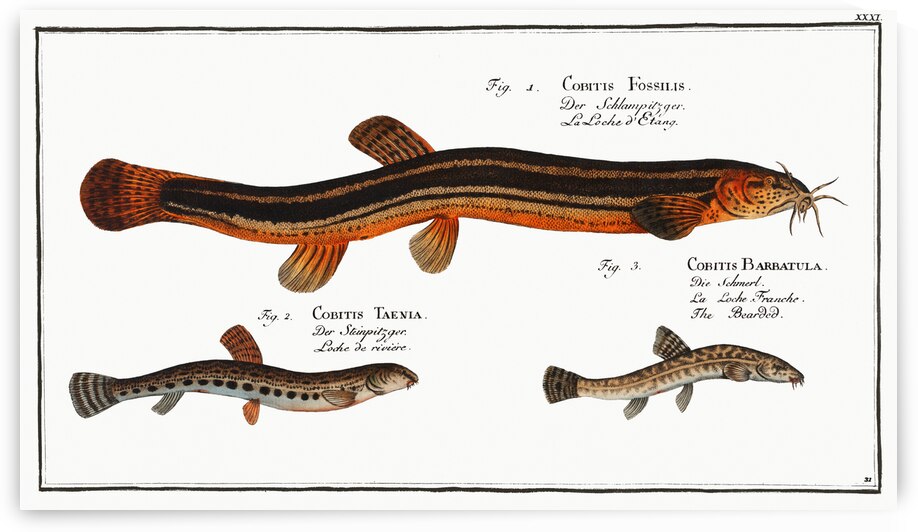
Eliser's magnum opus Ichtylogie ou Histoire Naturelle: Générale et Particulière des Poissons published in multiple volumes between 1785 and 1797 stands as a testament to his dedication and expertise. This monumental work delved deep into the world of fish offering comprehensive insights into their taxonomy anatomy behavior and distribution. Eliser's meticulous illustrations and detailed descriptions of various fish species earned him acclaim among his contemporaries and continue to be revered by modern ichthyologists.
Scientific Legacy:
Marcus Eliser's contributions to the field of ichthyology went beyond his published work. He fostered a community of like-minded individuals and collaborated with other naturalists of his era contributing significantly to the exchange of knowledge. His dedication to the study of fish laid the groundwork for the systematic classification and understanding of aquatic life a legacy that endures to this day.
Later Years and Passing:
Eliser's passion for ichthyology persisted throughout his life and he continued to study and document fish species until his final days. He passed away in 1799 leaving behind a wealth of knowledge and a body of work that continues to inspire and inform the scientific community.
Conclusion:
Marcus Eliser's life and work in the realm of ichthyology exemplify the power of curiosity and dedication in advancing our understanding of the natural world. His pioneering efforts in the field of fish study have left an indelible mark and his legacy continues to inspire generations of scientists naturalists and lovers of the natural world. This biography serves as a tribute to the life and achievements of Marcus Eliser a true pioneer of ichthyology.
Introduction:
Born in 1723 Marcus Eliser 1723-1799 was a distinguished naturalist and the author of the groundbreaking work Ichtylogie ou Histoire Naturelle: Générale et Particulière des Poissons 1785-1797 . Marcus Eliser's contributions to the field of ichthyology have left an indelible mark on the study of fish and the broader world of natural history. This biography provides an insight into the life and achievements of this remarkable individual.
Early Life:
Marcus Eliser hailed from a family with a deep appreciation for the natural world. His childhood marked by an insatiable curiosity about the creatures he encountered on family outings and excursions laid the foundation for his future pursuits.
Educational Journey:
Eliser's pursuit of knowledge led him to study under some of the most prominent naturalists and scholars of his time. He honed his observational skills and developed a keen interest in aquatic life during his formative years. His education took him to prestigious institutions across Europe where he had the privilege of learning from the likes of Carl Linnaeus and Georges-Louis Leclerc Comte de Buffon.
Pioneering Work in Ichthyology:
Eliser's magnum opus Ichtylogie ou Histoire Naturelle: Générale et Particulière des Poissons published in multiple volumes between 1785 and 1797 stands as a testament to his dedication and expertise. This monumental work delved deep into the world of fish offering comprehensive insights into their taxonomy anatomy behavior and distribution. Eliser's meticulous illustrations and detailed descriptions of various fish species earned him acclaim among his contemporaries and continue to be revered by modern ichthyologists.
Scientific Legacy:
Marcus Eliser's contributions to the field of ichthyology went beyond his published work. He fostered a community of like-minded individuals and collaborated with other naturalists of his era contributing significantly to the exchange of knowledge. His dedication to the study of fish laid the groundwork for the systematic classification and understanding of aquatic life a legacy that endures to this day.
Later Years and Passing:
Eliser's passion for ichthyology persisted throughout his life and he continued to study and document fish species until his final days. He passed away in 1799 leaving behind a wealth of knowledge and a body of work that continues to inspire and inform the scientific community.
Conclusion:
Marcus Eliser's life and work in the realm of ichthyology exemplify the power of curiosity and dedication in advancing our understanding of the natural world. His pioneering efforts in the field of fish study have left an indelible mark and his legacy continues to inspire generations of scientists naturalists and lovers of the natural world. This biography serves as a tribute to the life and achievements of Marcus Eliser a true pioneer of ichthyology.